

투자 비용 종합 분석
建立功能性砌块生产线需要在多个不同类别中进行资本配置。总投资额根据规模、自动化水平和地区因素差异显著,但成本构成保持不变。
1. 핵심 기계 및 장비 투자
이것은 가장 중요한 자본 지출이며 생산 라인의 핵심입니다.
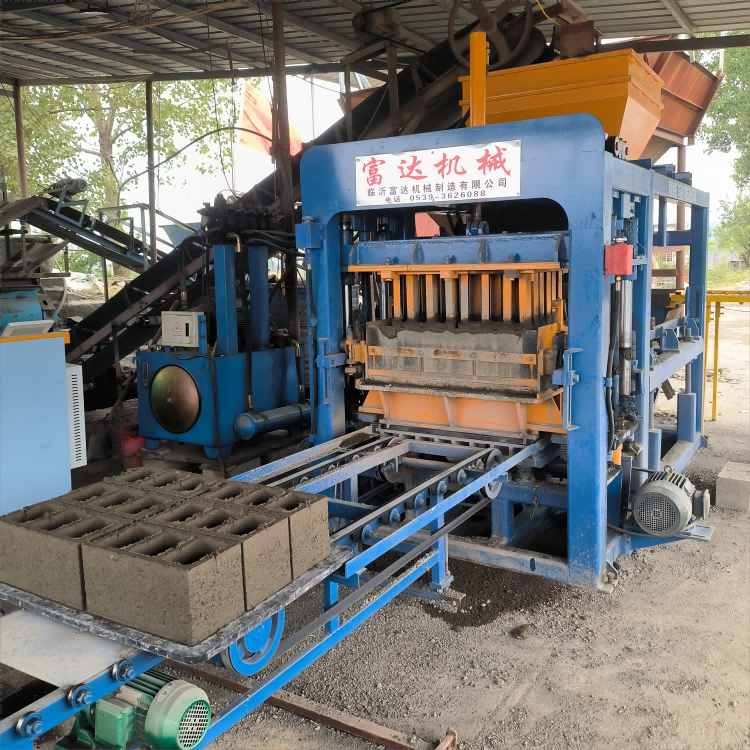
- 블록 성형기:비용은 기능에 따라 단계적으로 구분됩니다.
- 반자동 생산 라인:中央机器(通常配备托盘循环系统)是一项重大投资。其价格随着生产能力(每小时生产的砌块数量)、模具工位数量以及控制系统复杂程度的提升而增加。
- 완전 자동화 생산 라인:이는 대규모 산업 투자입니다. 비용은 로봇 핸들링 시스템을 갖춘 완전 자동화된 블록 제조기를 포함하며, 이는 동기화된 라인에 통합됩니다. 이는 기계 비용 중 프리미엄 부문에 해당합니다.
- 필수 보조 장비:블록 메이커만으로는 라인이 작동할 수 없습니다. 예산에는 다음이 포함되어야 합니다:
- 믹싱 시스템:强制匹配容量的工业盘式搅拌机或双轴搅拌机。
- 자재 취급컨베이어 벨트(원료 혼합물 및 블록 운반용), 벌크 골재용 휠 로더 또는 지게차.
- 인프라 개선팔레트, 랙 시스템, 그리고 잠재적으로 제어된 경화 챔버 또는 스프레이 시스템.
- 전원 공급 장치:전용된 견고한 전기 연결 및 종종 백업 발전기.
2. Facility, Installation, and Pre-Operational Costs
These are the foundational expenses to host and activate the production line.
- Land and Site Development: Costs for leasing or purchasing industrial land. Site preparation includes constructing a large, level, reinforced concrete floor slab, building a production shed for weather protection, and creating storage bays for raw materials.
- Logistics and Installation: Expenses for transporting heavy machinery, often involving specialized freight. This includes customs duties, insurance, and the cost of technical specialists to supervise installation, align the line, and conduct commissioning.
- Utilities and Infrastructure: Ensuring access to sufficient three-phase electrical power, a reliable water source for production, and drainage systems. Connection fees and potential infrastructure upgrades can be significant.
3. Working Capital and Recurring Operational Reserves
This capital funds the business operations until revenue is generated and sustained.
- Initial Raw Material Inventory: Funds to purchase the first bulk quantities of cement, aggregates, and other materials to begin production.
- Labor Force: Salaries for skilled machine operators, maintenance technicians, mixers, and yard staff for at least the first 3-6 months of operation.
- Pre-Launch and Operating Expenses: Capital to cover rent, utilities, marketing, administration, and other overheads during the setup and initial low-capacity utilization phase.
- Spare Parts Fund: An essential reserve for the immediate purchase of critical wear parts to minimize unscheduled downtime.
Conclusion: Investment as a Strategic Calculus
The question of startup cost ultimately leads to a strategic calculation, not just a budgetary one. For the distributor, the goal is to guide the client from seeing a collection of expenses to understanding a structured investment in productive capacity. The decision between a robust semi-automatic line and a fully automated system is a function of target market size, access to capital, and growth strategy. Emphasizing the importance of a complete financial model—one that includes all categories outlined above—is crucial. A well-capitalized venture that accounts for both fixed assets and sufficient working capital is positioned for stability and growth. By providing this holistic financial perspective, you enable clients to approach lenders or investors with confidence and embark on their manufacturing journey with a clear roadmap to profitability, ensuring the long-term success of both their enterprise and your professional partnership.
자주 묻는 질문 (FAQ)
Q1: Can you provide a typical total investment range for a production line?
A: Providing a single range is misleading due to vast differences in scale and location. However, for planning purposes, consider these tiers: A small-scale semi-automatic line requires a significant multi-faceted investment covering machinery, site, and working capital. A medium-capacity semi-automatic integrated line represents a more substantial industrial investment. A fully automated production plant constitutes a major capital project. Specific figures must be derived from a detailed project plan with local costings.
Q2: What percentage of the total cost should be allocated to working capital?
A: A common oversight is underestimating working capital. As a prudent rule, allocate 20-30% of your total project budget to working capital and initial operational expenses. This reserve is critical to navigate the ramp-up phase, where production efficiency is being optimized and customer payments may have credit terms.
Q3: How does local infrastructure affect startup costs?
A: Profoundly. If the chosen site lacks three-phase power, the cost to bring it in can be substantial. Poor road access increases material transport costs. Limited water access may require drilling a borewell. A thorough site survey is essential to identify and budget for these infrastructure costs, which can vary drastically by region.
Q4: Are there financing options available for such an equipment-heavy business?
A: Yes, several options exist. These include traditional business loans from banks (requiring a solid business plan and collateral), equipment financing or leasing programs sometimes offered through the machinery supplier’s network, and investor capital. The structure of the deal (down payment, letter of credit, installments) should be discussed transparently with your supplier.
Q5: What is the single biggest financial risk if costs are underestimated?
A: The greatest risk is running out of operating capital before the business reaches its break-even point. This often occurs when the budget covers only the machinery and basic installation, leaving no financial runway for raw materials, labor, marketing, and covering initial monthly losses. This can force a premature shutdown despite having the physical plant in place. Comprehensive, conservative financial planning is the best mitigation.
- 자동 블록 제작 기계7 products
- 점토 블록 제조 기계4 products
- 이동식 블록 제작 기계4 products
- 다른 건설 장비5 products
- 반자동 블록 제작 기계4 products