
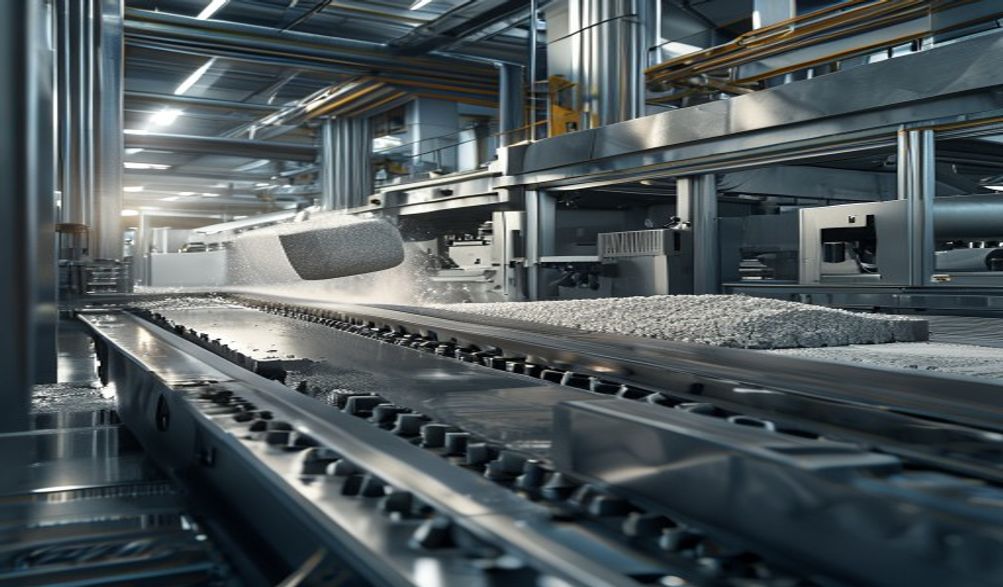
전자동 시멘트 벽돌 제조기 선택 방법: 구매자 전문가 가이드
소개
완전 자동 시멘트 벽돌 제조 기계에 투자하는 것은 건설 자재 사업을 하는 누구에게나 중대한 결정입니다. 이는 단순한 구매가 아니라, 생산성, 품질, 수익성을 재정의할 것을 약속하는 자동화에 대한 헌신입니다. 그러나 시장은 인상적인 사양을 자랑하는 다양한 옵션으로 넘쳐나고 있습니다. 잘못된 선택은 치명적인 가동 중단 시간, 부적합한 제품, 그리고 실현되지 않는 투자 수익률(ROI)로 이어질 수 있습니다.
이러한 복잡성 때문에 체계적이고 정보에 기반한 접근 방식은 절대적으로 필요합니다. 단순한 판매 브로슈어가 아닌 전략적 프레임워크가 필요합니다. 깊은 산업 경험과 기술적 전문성을 바탕으로, 이 가이드는 바로 그러한 프레임워크가 되도록 설계되었습니다. 우리는 기능과 가격표를 넘어서서 진정으로 중요한 것, 즉 기계의 성능을 귀사의 독특한 비즈니스 요구에 맞추어 자신감 있고 수익성 있는 투자를 결정하는 데 초점을 맞출 것입니다. ROI를 극대화하고, 끊임없는 생산성을 보장하며, 귀사의 명성을 쌓아줄 벽돌을 생산할 수 있는 결정을 내릴 수 있도록 돕겠습니다.
생산 요구사항 및 사양 이해하기
단일 기계 카탈로그를 살펴보기 전에, 솔직한 내부 감사부터 시작하세요. 가장 정교한 기계라도 핵심 운영 현실과 맞지 않으면 형편없는 투자가 될 수 있습니다. 이 기초 단계가 선택 기준을 확립합니다.
프로젝트 규모와 일일 산출량 요구사항
당신의 기계 용량은 단순히 큰 숫자가 아닌 전략적 적합성을 가져야 합니다.
- 수요 계산 중:주문장을 분석하고 향후 성장을 예측하십시오. 소수의 지역 계약자에게 공급하고 있습니까, 아니면 대규모 개발 프로젝트에 공급하고 있습니까? 일일 평균 벽돌 소요량을 부피(예: 입방미터 또는 블록 수)로 계산하십시오.
- 매칭 머신 출력:완전 자동 기계의 출력은 시간당 사이클 수와 사이클당 블록 수로 측정됩니다. 예를 들어, 15초 사이클 타임에 사이클당 10블록을 생산하는 기계는 8시간 교대 근무 시 이론적으로 2,400블록을 생산할 수 있습니다. 유지보수 및 중단을 고려한 현실적인 효율(약 85-90%)을 항상 반영하십시오.
- 미래 대비3-5년의 성장 기간을 고려해보세요. 처음부터 100% 용량으로 작동하는 기계에 투자하면 확장의 여지가 없습니다. 20-30%의 예비 용량을 갖춘 모델이 장기적으로 더 현명한 투자인 경우가 많습니다.
벽돌 종류, 크기 및 품질 기준
제품 구성이 기계에 필요한 유연성과 힘을 결정합니다.
- 제품 포트폴리오:원하시는 생산 범위를 정의하세요. 중하중을 견디는 견고한 블록인가요? 단열과 더 가벼운 구조를 위한 중공 블록인가요? 포석, 맞물림 블록, 또는 특수 형태인가요? 각 유형에 따라 다른 몰드 디자인과 압축 전략이 필요할 수 있습니다.
- Quality Parameters: This is critical. Understand your local building codes. Key metrics include:
- 치수: Tolerances for length, width, and height.
- 압축 강도 Measured in MPa (Megapascals). Residential blocks may require 3.5-7 MPa, while commercial projects demand 10 MPa or higher.
- Density and Absorption: Affects durability and insulation properties.
The machine you choose must be engineered to consistently hit these targets.
Raw Material Analysis
The machine must be a partner to your local materials, not work against them.
- Aggregate Suitability: The gradation and quality of your sand, stone chips (aggregate), and potential additives like fly ash directly impact brick quality. A machine with a powerful and adaptable vibration system is needed to properly settle a mix with finer or coarser aggregates.
- Cement and Mix Design: The grade of cement (e.g., OPC 43 vs. 53) and your chosen mix proportions (cement:sand:aggregate) affect setting time and final strength. Discuss your standard mix design with manufacturers to ensure their machine’s compaction and curing process is compatible.
Core Technical Features of Fully Automatic Machines
This is where technical expertise separates premium equipment from the rest. Understanding these features allows you to evaluate a machine’s true capability.
The Heart of the Machine: Hydraulic System vs. Vibration System
Top-tier automatic machines don’t choose between these systems; they masterfully integrate them.
- 고압 유압 시스템: This is the muscle. It applies immense, controlled pressure (often measured in tons) to the brick mix within the mold. This pressure is responsible for the initial compaction, achieving the high density and compressive strength required for load-bearing blocks. Look for systems with robust pumps, valves, and cylinders from reputable brands.
- 진동 시스템 This is the finesse. High-frequency, high-amplitude vibrations, delivered through the mold table, cause the concrete mix to “flow” and settle uniformly, eliminating voids and ensuring a smooth, precise finish on all sides of the block. The frequency (Hz) and amplitude (mm) are key specs.
- The Integration: In a superior machine, the hydraulic system presses while the vibration system energizes the mix. This simultaneous action ensures optimal compaction throughout the block’s cross-section, not just on the surface, leading to consistent, high-quality output with minimal wear on the mold.
Control System and Automation Level
The control system is the machine’s brain, dictating ease of use and reliability.
- PLC vs. Basic Panels: A Programmable Logic Controller (PLC) is the industry standard for true automation. It allows for precise, repeatable control over every aspect of the cycle—vibration time, pressure, movement sequences—and stores recipes for different block types. Simpler relay-based panels offer less precision and flexibility.
- 인간-기계 인터페이스 (HMI) This is the touchscreen or digital interface where the operator interacts with the PLC. A user-friendly HMI is crucial for quick changeovers, troubleshooting, and monitoring production data. Features like automatic fault diagnostics that display error codes save invaluable time during maintenance.
- 자동화 수준 “Fully automatic” can vary. True end-to-end automation includes integrated pallet feeders (cycling cured pallets back into the machine), automatic stackers that build and transfer cube loads, and even robotic arms for packaging. This directly reduces your labor requirements.
Mold System and Changeover Flexibility
Molds are the tooling that defines your product. Their quality and ease of change are vital.
- 곰팡이 내구성: Molds undergo extreme stress. They should be manufactured from high-chromium alloy steel and undergo precise heat treatment (hardening) to resist abrasion from the aggregate. A quality mold can produce millions of blocks before needing refurbishment.
- Changeover Process: How quickly can you switch from producing hollow blocks to pavers? Look for systems that allow mold changeovers with minimal tools and time—some advanced designs enable changes in under 30 minutes. This flexibility is key to responding to market demands without significant downtime.
Key Evaluation Criteria for Machine Selection
With your needs and the technical landscape understood, use this actionable checklist to compare specific models and brands.
빌드 품질 및 내구성 구성 요소
Look past the paint and inspect the fundamentals.
- 프레임 구성 The main frame should be fabricated from heavy-duty steel plate (not light-gauge sections) with clean, full-penetration welds. It must withstand years of constant vibration without stress fractures.
- 중요 구성 요소: Scrutinize the brand and model of the hydraulic pump, cylinders, and vibration motors. Recognizable industrial brands (e.g., Siemens, Bosch Rexroth, Nord) often indicate better reliability and easier spare parts sourcing.
- Duty Cycle: Confirm the machine is rated for continuous operation (e.g., 20-24 hours per day). Some lower-cost models are only designed for batch processing with significant cool-down periods.
Power Consumption and Operational Efficiency
The purchase price is just the first cost; operating costs never end.
- Total Connected Load: Add up the power ratings (in kW or HP) of the main motor, hydraulic pump, vibrators, and controls. This figure directly impacts your electricity bill. A 50 kW machine running 20 hours/day has a very different operational cost than a 35 kW machine with similar output.
- Energy-Saving Designs: Modern machines may feature variable frequency drives (VFDs) on motors, which adjust power based on load, or energy-recuperation systems in the hydraulics. These features reduce your long-term cost of ownership.
After-Sales Support: The Non-Negotiable Factor
The best machine is only as good as the support behind it. This is where many buyers face their biggest challenge.
- 설치 및 교육: Does the supplier provide comprehensive, on-site installation supervision and operator training? Proper commissioning is critical for long-term performance.
- 서비스 네트워크: What is the response time of their technical team? Is there a local service agent or must engineers travel from abroad? For critical breakdowns, every hour of downtime is lost revenue.
- Spare Parts Policy: Inquire about the warranty (typically 1 year on parts) and the availability of a critical spare parts kit. A reputable supplier will maintain an inventory of wear parts (seals, vibration mounts, sensors) for prompt dispatch.
Supplier Vetting and Making the Final Decision
Your relationship with the manufacturer is a long-term partnership. Due diligence here is paramount.
Researching and Shortlisting Reputable Manufacturers
- 확인: Check business licenses, years in operation, and membership in industry associations. A company with a 20-year history likely has more accumulated expertise than a new entrant.
- 클라이언트 포트폴리오: Ask for references from clients in your region or with similar production needs. A video call with an existing client can be more revealing than any brochure.
- Factory Visit: If feasible, visit the manufacturer’s facility. Observe their production quality, welding standards, and testing procedures. A tour of a working client site is the ultimate test—see the machine in action, talk to the operators, and ask about reliability and support.
Analyzing Quotations and Total Cost of Ownership (TCO)
Look beyond the machine’s base price on the quotation.
- 숨겨진 비용: Clarify what is included: shipping, insurance, installation, and initial training. Are foundation drawings and electrical diagrams provided?
- Long-Term TCO: Create a 5-year cost projection. Include:
- Energy consumption costs.
- Estimated annual maintenance and spare parts (1-3% of machine cost is a common estimate).
- Potential cost of production downtime.
A machine with a 15% higher purchase price but 30% lower operating costs and superior reliability is almost always the better investment.
Requesting and Interpreting a Factory Acceptance Test (FAT)
A FAT is your final quality gate before the machine leaves the factory. Insist on one.
- Key Validation Metrics:
- 출력률 Time the cycle and confirm it meets the quoted output per hour.
- Block Quality: On the spot, measure dimensions and, if possible, test compressive strength of cured samples.
- Noise and Vibration: Ensure the machine operates smoothly without excessive noise or concerning vibrations.
- Functionality Test: Run through all automated sequences—pallet feeding, stacking, etc.
- Documentation: The FAT should be documented with a signed report confirming all specifications are met. This protects you if the machine arrives not performing as promised.
자주 묻는 질문 (FAQ)
What is the average price range for a good quality fully automatic cement brick machine?
Prices vary dramatically based on output, automation level, and brand. A entry-level model might start around $50,000 – $70,000. A robust, mid-range machine for serious production typically falls in the $100,000 – $200,000 range. High-capacity, fully integrated plants can exceed $500,000. Focus on value—the machine’s output quality, reliability, and TCO—rather than the lowest initial price.
What is the typical payback period for this investment?
The payback period depends heavily on your local market brick price, operational efficiency, and raw material costs. In a typical scenario with healthy demand, a well-run automatic plant can see a payback period of 1.5 to 3 years. Factors that shorten payback include high local demand, efficient raw material sourcing, and minimizing downtime.
Can one operator run a fully automatic machine?
While the core block-forming cycle is automated, a smooth workflow usually requires a small crew. A common setup is 2-3 personnel: one trained operator to monitor the control system and handle minor adjustments, and 1-2 laborers for feeding the raw material hopper and managing the output (stack handling or feeding a curing system). True “lights-out” factories with full robotics exist but are a higher-tier investment.
How much space and what foundation is required for installation?
Space needs vary by model, but a typical machine might require a production bay of at least 15m (L) x 10m (W) x 5m (H) to accommodate the machine, raw material storage, and a curing area. The foundation is critical: it usually requires a reinforced concrete pad, 300-400mm thick, designed to absorb the machine’s dynamic loads and prevent settling. The manufacturer must provide detailed foundation drawings.
What are the most common maintenance tasks and challenges?
Preventive maintenance is key to longevity:
* Daily: Check hydraulic oil levels and for leaks, clean the mold and pallets, inspect sensors.
* Weekly: Lubricate all moving parts (bearings, guide rails), check vibration motor mounts and electrical connections.
* Monthly: Change or clean hydraulic oil filters, inspect hoses and seals for wear, check and tighten all bolts on the frame and vibration table.
The most common challenges involve neglecting these simple checks, leading to premature failure of hydraulic components or vibrator motors.
결론
Choosing the right fully automatic cement brick making machine is a strategic journey that begins with introspection about your own business and ends with rigorous validation of a supplier’s claims. It’s a process that balances your specific production needs, technical requirements, and the unwavering importance of after-sales support. Remember, the optimal machine isn’t the one with the most features or the lowest price—it’s the one that reliably and efficiently meets your production goals with the lowest total cost of ownership over its entire lifespan.
Use this guide as your framework. Let it inform your questions, shape your evaluations, and empower your negotiations. By making an informed, confident decision, you’re not just buying a machine; you’re investing in the foundation for sustained growth, superior product quality, and lasting competitiveness in the construction materials market.
<