
궁극의 가이드: 건설 폐기물 벽돌 제조기 제조업체 선택하는 방법
소개
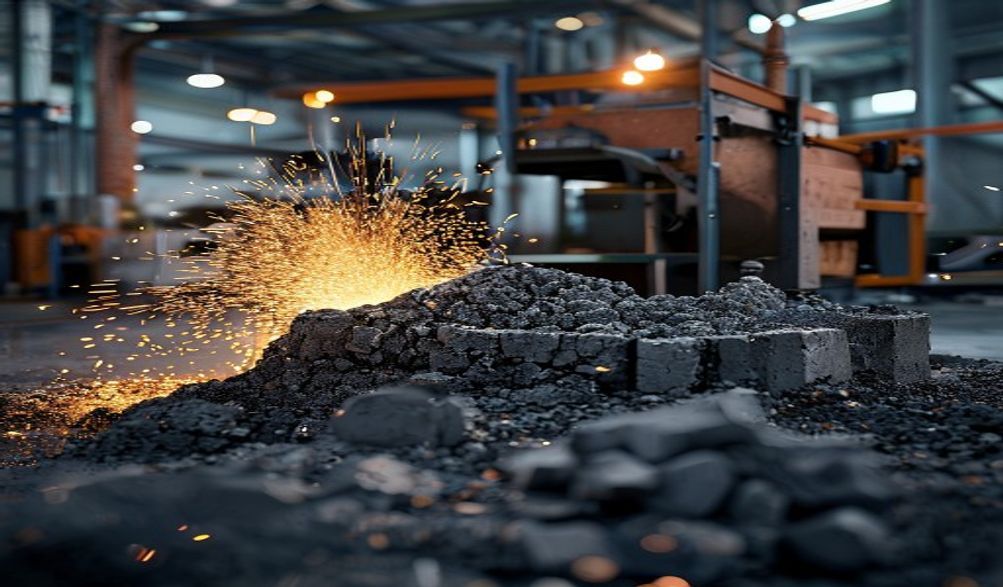
쌓인 잔해 더미, 부서진 콘크리트 산, 버려진 세라믹 자재들—이것은 전 세계적으로 현실화된 건설 및 철거 폐기물(C&D 폐기물)의 모습으로, 지구상에서 가장 무겁고 부피가 큰 폐기물 흐름 중 하나입니다. 그러나 이러한 도전 속에는 심오한 기회가 숨어 있습니다: 이 잔해들을 가치 있고 고강도의 건축 자재로 변환하는 것입니다. 건설 폐기물 벽돌 제조 기계는 이러한 순환 경제의 엔진 역할을 하며, 환경 부담을 수익성 있는 자산으로 바꾸고 있습니다.
그러나 폐기물에서 부를 창출하는 여정에는 중대한 분기점이 도사리고 있습니다. 성공의 가장 큰 결정 요인은 단순히 구매하는 기계가 아니라 선택하는 제조업체일 것입니다. 잘못된 회사와의 협력은 연쇄적인 실패로 이어질 수 있습니다. 특정 폐기물 혼합물을 처리하지 못하고, 부적합한 벽돌을 생산하며, 자주 고장 나며, 지원을 받을 수 없는 기계를 얻게 될 수 있습니다. 이는 유망한 투자를 비용만 많이 드는, 잘못된 결정의 녹슨 기념물로 전락시킵니다.
해결책은 전략적이고 정보에 기반한 선택입니다. 당신의 목표는 가장 저렴한 공급업체를 찾는 것이 아니라, 수년간 프로젝트의 지속 가능성을 보장할 수 있는 전문 지식, 기술, 그리고 진정성을 갖춘 진정한 장기 파트너를 찾아내는 것입니다. 이 가이드는 그 중요한 선택을 위한 단계별, 전문가 검증 프레임워크를 제공합니다. 산업 공학 표준, 운영 모범 사례, 그리고 성공적인 재활용 사업체들의 통찰력을 바탕으로 구성되어, 시장을 자신 있게 탐색할 수 있는 지식을 갖추도록 설계되었습니다.
프로젝트 요구사항과 사양 이해하기
제조업체를 효과적으로 평가하려면 먼저 자신의 프로젝트에 대한 전문가가 되어야 합니다. 제조업체가 귀하의 특정 요구사항을 충족할 수 있는 능력이 첫 번째이자 가장 중요한 기준입니다. 이러한 내부 검토는 논리적이고 전문적인 접근 방식을 보여주며 명확한 요구사항을 전달할 수 있도록 보장합니다.
원자재 공급원 및 규모 평가하기
원료의 성질은 모든 것의 기초입니다. 순수 콘크리트 잔해에 완벽한 기계라도 혼합 폐기물 흐름에는 어려움을 겪을 수 있습니다.
- 건설 폐기물의 종류1차 및 2차 폐기물 흐름을 파악하십시오. 일반적인 유형은 다음과 같습니다.
- 콘크리트 & 잔해고강도 벽돌의 가장 일반적이고 이상적인 원료입니다.
- 도자기 및 벽돌내구성을 높이지만 특정 분쇄가 필요할 수 있습니다.
- 벽돌 및 아스팔트 Often manageable in certain mixes.
- Light Contaminants: (e.g., wood, plastic, paper). These must typically be removed pre-processing.
- 필요 생산 능력: Calculate your needed output based on your business model.
- Determine your required daily or weekly brick production (e.g., 5,000 bricks/day).
- Factor in your waste intake volume to ensure a consistent supply.
- Desired Brick Types & Sizes: Your market dictates your product.
- 솔리드 브릭:표준 시공을 위해.
- 홀로우 블록:더 가볍고 단열 성능이 더 좋습니다.
- Paving Blocks & Interlockers:조경 및 경관 설계용
- Custom sizes and shapes will influence mold requirements and machine capabilities.
Define Your Technical & Operational Requirements
These parameters will narrow down the type of machine and the scale of investment.
- 자동화 수준 This is a major cost and efficiency driver.
- 매뉴얼: Labor-intensive, low output, lowest capital cost.
- 반자동 A balance of human operation and mechanical automation for feeding/pressing.
- 완전 자동 Computer-controlled, high-volume production with minimal labor. Requires higher investment and stable power.
- Available Space & Power: Audit your facility.
- 공장 배치 Include space for the machine, raw material storage, curing area, and finished product storage.
- 전원 공급 장치: Fully automatic lines may require robust three-phase power. Know your voltage and amperage limits.
- Target Brick Specifications: Define your quality benchmarks.
- 압축 강도 What is the minimum strength required for your target market (e.g., 7 MPa, 15 MPa)? This is non-negotiable.
- 품질 인증: Are there local or regional building codes you must meet (e.g., ASTM, EN, IS standards)? The manufacturer should understand these.
Core Manufacturer Evaluation Criteria
With your specifications in hand, you can now dissect potential manufacturers. This is where you separate marketing claims from demonstrable capability.
Proven Expertise and Industry Experience
In this heavy-industry sector, experience is the most valuable currency. You want a partner who has navigated the complexities of construction waste before.
- Track Record & Longevity: How long has the company been specializing in construction waste recycling equipment? A decade of focused experience is more valuable than fifty years making clay brick machines.
- Case Studies & Portfolio: A trustworthy manufacturer will readily provide detailed case studies.
- Look for projects with similar waste streams and desired outputs to yours.
- Ask for photos, videos, and production data from these installations.
- 전문화 Prefer a specialist over a generalist. A manufacturer whose core business is C&D waste solutions will have deeper R&D and problem-solving expertise for your specific challenges.
Machine Quality, Technology, and R&D
This is where engineering excellence comes to the fore. The core technology defines the machine’s capability, durability, and output quality.
- Core Pressing Technology: Understand the heart of the machine.
- 유압 시스템: Offer high, consistent pressure, leading to denser, stronger bricks. They are often better for mixed or variable waste streams.
- 진동 시스템 Can be effective for uniform mixes but may struggle with certain waste types.
- 제작 품질 및 재료 Inspect the “bones” of the machine.
- 강재 등급: The frame and key components should be made from high-grade, wear-resistant steel.
- Welding & Assembly: Look for clean, robust welding and precision assembly. This directly impacts longevity and maintenance needs.
- Mold Quality & Availability: Molds are critical wear parts. The manufacturer should use hardened, precision-machined steel and have the capability to produce or supply replacement molds efficiently.
- 내부 연구개발(R&D): A manufacturer with active R&D can adapt to new waste materials, improve efficiency, and offer technical support that understands the machine at a fundamental level.
Comprehensive Service and Support
The machine’s purchase price is just the entry ticket. The true cost—and value—is revealed over years of operation. Unreliable support can shutter your business.
- Pre-Sale Engineering Support: A good partner will consult on your project plan, asking detailed questions about your waste and goals.
- 설치, 시운전 및 교육
- Does the price include supervised installation and commissioning by a factory engineer?
- Is comprehensive on-site training for your operators and maintenance staff provided?
- 예비 부품 생태계:
- Is there a clearly catalogued spare parts inventory?
- What is the typical lead time for critical parts? Local or regional parts depots are a major advantage.
- Warranty & After-Sales Guarantees:
- Scrutinize the warranty. What is covered (parts, labor)? For how long?
- What are the guaranteed response times for technical queries (e.g., 24-hour remote support)?
- Is there a provision for emergency technician dispatch?
Due Diligence and Verification Steps
Now, move from evaluating promises to verifying reality. This proactive due diligence is your primary risk mitigation strategy.
Factory Visit and Machine Inspection
If the investment is significant, a visit is non-negotiable. It is the single most revealing step.
- Observe the Production Facility: Look for organized production lines, quality control checkpoints, and modern welding/fabrication equipment.
- Witness a Live Material Test: This is crucial. Send a representative sample of your actual construction waste to the manufacturer. Insist on watching a test run to see the quality of bricks produced from your specific feedstock.
- Ask for a Running Machine Demo: If possible, ask to see a machine under power in their testing facility.
Client References and Reputation Check
Hear the story from those who have already walked the path.
- Request Direct References: Ask for 3-5 contacts of past clients who have projects similar to yours. Actually call them. Ask about machine performance, brick quality, reliability, and the quality of after-sales support.
- Conduct Independent Online Research:
- Search for the company name alongside keywords like “reviews,” “complaint,” or “lawsuit.”
- Check industry-specific forums and B2B platforms for unbiased user discussions.
Analyzing Quotations and Contract Clarity
Never compare on price alone. Compare on value and clarity.
- Calculate Total Cost of Ownership (TCO): A detailed quote should break down:
- Machine FOB/CIF price.
- 배송, 보험 및 관세.
- Installation and commissioning fees.
- Cost of initial spare parts package.
- Training costs.
- Scrutinize the Contract: A professional contract protects both parties. Ensure it clearly specifies:
- Delivery Timeline: With clear milestones.
- Payment Terms: Linked to deliverables (e.g., 30% down, 60% before shipment, 10% after commissioning).
- Warranty Details: Exact scope, duration, and exclusions.
- Liability Clauses: For delays, non-performance, or quality defects.
- Technical Specifications Annex: The machine’s detailed specs should be a binding part of the contract.
Red Flags and Key Decision Factors
Expertise is often shown by knowing what to avoid. Be vigilant for these warning signs.
Common Red Flags to Avoid
- Lack of Transparency: Unwillingness to provide client references, allow a factory visit, or let you conduct a material test.
- Overly Vague Documentation: Technical manuals that are poorly translated, lack detail, or omit critical specifications.
- “Too Good to Be True” Pricing: Prices significantly below reputable competitors often indicate inferior materials, copied designs, or hidden costs that will appear later.
- High-Pressure Sales Tactics: Urgency created by “limited-time offers” is a classic tactic to bypass your due diligence process.
- No Specialization: A company that sells everything from kitchen blenders to brick machines likely lacks the depth of expertise you need.
The Final Decision: Beyond the Price Tag
When weighing your final options, shift your mindset.
- Choose a Partner, Not a Vendor: You are entering a 5-10+ year relationship. Professional communication, responsiveness, and a collaborative attitude during the sales process are strong indicators of future support.
- Value Over Cost: The cheapest machine that fails in 18 months is infinitely more expensive than a reliable machine with a 10% higher upfront cost. Prioritize reliability, support capability, and proven performance.
- Trust Your Due Diligence: The confidence gained from thorough checks—the factory visit, the client calls, the material test—should be the ultimate guide. Let the data and verified evidence drive your decision.
자주 묻는 질문 (FAQ)
What is the typical price range for a construction waste brick making machine?
Prices vary dramatically based on automation and capacity. A small, semi-automatic machine may start around $20,000 – $50,000. A medium-capacity, fully automatic production line can range from $80,000 – $150,000. Large, high-volume turnkey plants can exceed $200,000+. Always request a detailed quotation based on your specific needs for an accurate comparison.
Can one machine process all types of construction waste?
Not directly. Most construction waste requires pre-processing. It must first be crushed and screened to a consistent aggregate size (typically under 5mm) before being fed into the brick machine. A good machine can handle a varied mix of processed aggregates, but the consistency and composition of your feedstock will directly impact the final brick’s strength and appearance.
How important is after-sales service, and what should it include?
It is critical—often as important as the machine itself. Comprehensive service should include: detailed operation & maintenance manuals, video support libraries, phone/email/remote diagnostic support, a readily available inventory of wear parts (like molds and seals), and a clear protocol for dispatching service technicians when on-site intervention is needed.
What certifications should I look for in the manufacturer and the machine?
For the 제조업체, ISO 9001 quality management certification is a strong indicator of systematic production and quality control. For the bricks produced, you need to align with local building material standards. Discuss relevant certifications with the manufacturer, such as ASTM (USA), EN (Europe), or IS (India) standards for compressive strength, water absorption, and durability.
Is a local dealer as good as dealing directly with the manufacturer?
It depends. A well-authorized, technically competent local dealer offers advantages: local language support, faster parts logistics, and potentially quicker on-site service. However, verify their authorization directly with the factory, confirm their technical training, and understand their markup. Sometimes, dealing directly with the manufacturer provides better pricing and more direct access to core engineering expertise.
결론
Choosing the right construction waste brick making machine manufacturer is a meticulous process that blends technical understanding with strategic partnership evaluation. It begins with a clear definition of your own project needs, followed by a rigorous assessment of manufacturers based on their proven expertise, machine technology, and—most importantly—their commitment to comprehensive, long-term support. Thorough due diligence, through factory visits and client verification, transforms claims into trusted evidence.
Remember, this investment is more than a capital expenditure; it’s a commitment to a sustainable, circular economy. The right manufacturer becomes a partner in that mission, ensuring your venture is not only profitable but also resilient and long-lasting. Use this guide as your framework. Start your assessment, ask the hard questions, and take the time to verify. Your future success in transforming waste into valuable building blocks depends on the partner you choose today.
<