
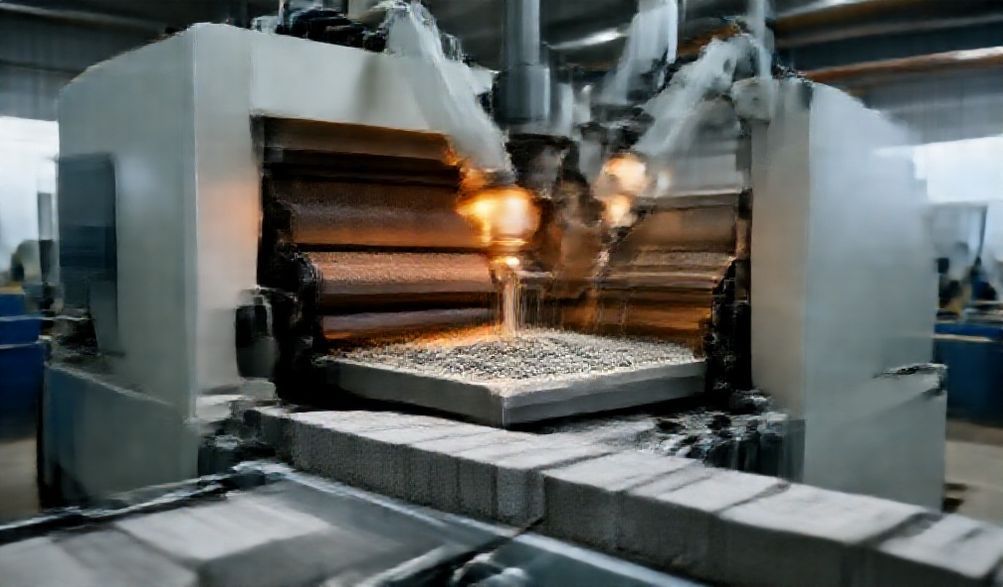
시멘트 플라이애시 벽돌 제작 기계의 궁극적인 가이드 | 푸다 공장 인사이트
건설 산업은 중대한 기로에 서 있습니다. 세계가 지속 가능성과 자원 효율성에 집중을 강화함에 따라 친환경적이고 고성능 건축 자재에 대한 수요는 그 어느 때보다 커졌습니다. 표토 채굴과 에너지 집약적인 가마 소성에 의존하는 전통적인 점토 벽돌 제조는 점점 더 환경적 부담으로 인식되고 있습니다.
현대적인 해결책은 시멘트 플라이 애시 벽돌입니다. 이 우수한 건축 자재는 설득력 있는 해답을 제시하지만, 그 광범위한 채택은 효율적이고 신뢰할 수 있는 생산 기술에 달려 있습니다. 바로 여기서시멘트 플라이 애시 벽돌 제작 기계더 똑똑하고 친환경적인 건설 미래의 핵심이 됩니다.
건설업자, 계약자, 기업가들에게 이 기술에 투자하는 것은 단순한 장비 구매가 아닌 전략적 비즈니스 결정입니다. 이 포괄적인 가이드는 산업 모범 사례와 같은 선도적 제조업체들의 엔지니어링 전문성을 바탕으로 이 기계들의 이해를 돕습니다.푸다 벽돌 제조 공장마지막에는 프로세스, 심오한 이점, 우선시해야 할 핵심 기능, 그리고 장기적인 성공을 보장할 파트너를 선택하는 방법을 이해하게 될 것입니다.
시멘트 플라이애쉬 벽돌 제조 기계란 무엇인가요?
본질적으로 시멘트 플라이애쉬 벽돌 제조 기계는 원자재를 고밀도, 균일하고 고강도의 벽돌 또는 블록으로 변환하도록 설계된 자동화 시스템입니다. 이 기계는 노동 집약적이고 일관성 없는 수공업 방식을 정밀 공학으로 대체하여 모든 벽돌이 엄격한 품질 기준을 충족하도록 보장합니다.
핵심 기능과 프로세스 설명
기계는 일반적으로 다음과 같은 주요 단계를 따르는 전체 생산 주기를 자동화합니다.
- 급식원자재—주로 시멘트, 플라이 애시, 모래/석분, 물—는 정밀하게 사전 설정된 비율로 기계의 믹서에 투입됩니다.
- 믹싱강력한 믹서가 재료들을 균질하고 반건조 콘크리트 혼합물로 섞어, 첫 단계부터 일관된 품질을 보장합니다.
- 성형 및 압축이것이 공정의 핵심입니다. 혼합물을 몰드로 옮깁니다. 높은 기계적 압력과 종종 진동을 결합하여 혼합물을 압축하여 공극을 제거하고 원하는 벽돌의 밀도와 모양을 얻습니다.
- 이젝션 & 큐어링:신선하게 성형된 '녹색' 벽돌은 자동으로 팔레트나 컨베이어 위로 배출됩니다. 그런 다음 적층되어 양생 구역으로 이동하며, 이곳에서 통제된 수화 과정을 통해 시간이 지남에 따라 강도를 얻습니다.
플라이 애시를 사용하는 이유? 환경적, 경제적 이점
플라이 애시는 미세한 분말로, 화력 발전소에서 분쇄된 석탄을 연소할 때 발생하는 부산물입니다. 역사적으로 폐기물로 취급되었으나, 현재는 건설 분야에서 귀중한 자원으로 활용됩니다.
- 환경 수호자플라이 애시를 사용함으로써 수백만 톤의 산업 폐기물이 매립지로 가는 것을 방지합니다. 이는 시멘트 사용량을 줄여, 전 세계 이산화탄소 배출의 주요 원인인 시멘트 생산을 감소시켜, 결과적으로 벽돌의 전체적인 탄소 발자국을 크게 낮춥니다.
- 경제적 감각:플라이 애시는 시멘트보다 종종 저렴합니다. 혼합물에 사용하면 원자재 비용을 절감할 수 있습니다. 더욱이, 플라이 애시로 생산된 벽돌은 포졸란 반응 덕분에 더 나은 장기 강도와 내구성을 나타내는 경우가 많습니다.
- 우수한 제품:플라이 애시 벽돌은 균일한 색상, 매끄러운 마감, 뛰어난 압축 강도, 그리고 기존 점토 벽돌 대비 낮은 흡수율로 인해 더 나온 회반죽 접착력과 백화 현상 감소로 알려져 있습니다.
자동 벽돌 제조 기계 사용의 주요 이점
수동이나 초보적인 방법에서 자동화 시스템으로 전환하는 것은 어떤 비즈니스에게도 혁신적인 이점을 가져옵니다.
뛰어난 효율성과 생산성
- 대용량 출력기계는 교대 근무마다 수천 개의 벽돌을 생산할 수 있으며, 필요하다면 24시간 내내 일관되게 작동할 수 있습니다. 이러한 확장성은 인력 작업으로는 불가능합니다.
- 속도와 일관성자동화된 사이클은 지속적이고 예측 가능한 생산 흐름을 보장하여 정확한 프로젝트 계획 수립과 적시 주문 이행을 가능하게 합니다.
우수하고 일관된 벽돌 품질
- 균일성 보장각 벽돌은 크기, 모양, 무게, 밀도가 모두 동일합니다. 이로 인해 불규칙한 벽돌로 인한 현장 낭비가 제거되고, 조적 공정이 가속화됩니다.
- 통제된 힘정밀한 압력 적용은 각 벽돌이 요구되는 압축 강도 기준(인도의 IS 12894와 같은)을 충족하거나 초과하도록 보장하여, 엔지니어와 고객의 신뢰를 구축합니다.
상당한 장기적 비용 절감
- 낮은 노동 의존도자동화된 기계 한 대가 수많은 인력으로 구성된 팀을 대체할 수 있어, 반복적으로 발생하는 임금 비용과 관리 부담을 획기적으로 절감할 수 있습니다.
- 최적화된 자재 사용:컴퓨터화된 또는 체적 배칭은 원자재 낭비를 최소화하여 투입 비용으로 최대한 많은 벽돌을 생산할 수 있도록 합니다.
- 더 높은 투자 수익률초기 투자 비용은 더 높지만, 대규모 생산량, 낮은 운영 비용, 그리고 프리미엄 제품 가격 책정이 결합되어 더 빠르고 상당한 투자 수익률을 가져옵니다.
근로자 안전 및 인간공학적 설계 강화
- 신체적 부담 감소자동화는 수동 벽돌 성형과 관련된 무거운 작업과 반복적인 동작을 제거하여 근골격계 손상 위험을 낮춥니다.
- 안전한 작업 환경밀폐된 혼합 및 압착 작업장은 작업자들의 시멘트 및 플라이 애시 분진 노출을 줄여 더 깨끗하고 건강한 작업 환경을 조성합니다.
시멘트 플라이 애쉬 벽돌 제조 기계의 종류
올바른 기계 유형을 선택하는 것은 매우 중요하며, 이는 전적으로 생산 목표, 예산, 규모에 따라 달라집니다.
완전 자동 vs. 반자동 vs. 수동 기계
- 완전 자동효율성의 정점. 이러한 시스템은 자동화된 재료 처리, 혼합, 성형 및 벽돌 적재 기능을 갖추고 있습니다. 최소한의 인력 개입만 필요하며, 최고의 생산량을 제공하고, 상당한 자본을 가진 대규모 공장에 이상적입니다.
- 반자동중소기업에 적합한 균형 잡힌 선택입니다. 핵심 성형 공정은 자동화되어 있지만, 원자재 투입이나 완성된 벽돌 제거와 같은 작업은 수동으로 이루어질 수 있습니다. 이는 더 접근 가능한 가격대에서 뛰어난 생산성을 제공합니다.
- 수동 기계:이들은 단순한 레버 작동식 또는 소형 유압 프레스입니다. 생산량이 매우 낮고 노동 집약적이지만, 소규모 기업이나 매우 특수한 소량 생산 요구에 맞는 초저비용 진입점 역할을 합니다.
Stationary Plant vs. Mobile Block Making Machine
- 고정식 발전소 Set up in a fixed factory location. Ideal for supplying a local market or multiple construction sites. Allows for optimized workflow, shelter for curing, and larger, more powerful equipment.
- Mobile Block Machine: Mounted on a trailer, it can be driven directly to a large construction site. This eliminates brick transportation costs for that project, as blocks are made on-demand, right where they will be used.
Key Machine Specifications to Understand
When evaluating machines, focus on these critical specs:
* 사이클 타임 및 산출량 Measured in bricks per hour or per 8-hour shift. This defines your production capacity.
* 압력 용량 Measured in tons or megaPascals (MPa). Higher pressure generally produces denser, stronger bricks.
* 전력 요구 사항: The voltage and electrical load (in kW) needed to operate the machine.
* Brick Sizes & Mold Versatility: The range of brick and block sizes (solid, hollow, paver, interlocking) the machine can produce with different molds.
Inside Look: How FUDA Brick Making Factory Ensures Quality
Understanding a manufacturer’s philosophy and processes is key to assessing the long-term value of your investment. A factory like FUDA exemplifies the engineering rigor required for dependable machinery.
엔지니어링 및 디자인 철학
Leading manufacturers prioritize durability above all. This means:
* Using high-grade, wear-resistant materials for critical components like the mold box (often hardened steel), hydraulic cylinders, and the main frame.
* Designing for user-friendly operation with intuitive control panels (often PLC-based) and easy access for maintenance.
* Focusing on low-maintenance design with sealed bearings, easily replaceable wear parts, and robust construction that withstands continuous operation.
Manufacturing and Quality Control Protocols
Quality isn’t an afterthought; it’s built into every stage:
* Component Sourcing: Critical parts like hydraulic pumps, motors, and electrical components are sourced from reputable brands.
* In-House Machining: Precision machining of parts ensures perfect fit and alignment, which is vital for consistent brick quality and machine longevity.
* 조립 및 테스트 Each machine is assembled by skilled technicians and undergoes rigorous running tests before leaving the factory. This includes pressure tests, cycle tests, and safety checks.
연구, 개발 및 혁신
A forward-thinking manufacturer continuously improves. This can involve:
* Optimizing vibration systems for better compaction with less energy.
* Developing new mold designs for innovative block profiles.
* Incorporating smart features like data loggers to track production efficiency or fault diagnostics for easier troubleshooting.
Choosing the Right Machine for Your Business
Making the correct choice requires honest self-assessment and careful supplier evaluation.
Assessing Your Production Needs and Scale
자문해 보세요:
* What is my current and projected daily brick demand?
* What is my available budget (including machine, installation, and working capital)?
* Do I have adequate space for the machine, raw material storage, and brick curing?
* What is the skill level of my available workforce?
Essential Features to Prioritize
Regardless of type, a quality machine must have:
* 가heavy-duty, vibration-resistant frame.
* 가reliable, branded hydraulic system with proper cooling.
* An efficient and balanced vibration system for optimal compaction.
* Quick-change mold systems to switch production with minimal downtime.
* Integrated safety features like emergency stops and protective guards.
The Importance of Supplier Support and Service
The machine is a long-term asset. The supplier is your long-term partner. Exceptional after-sales support is non-negotiable and includes:
* A clear, comprehensive warranty.
* Ready availability of genuine spare parts.
* On-site installation, commissioning, and operator training.
* Responsive technical support via phone, email, or service visits.
Questions to Ask Your Machine Supplier
- Can you provide contact information for current clients in my region for a reference?
- What is included in the installation and commissioning process? Is training provided?
- Can you share a detailed list of recommended spare parts and their costs?
- What is the typical lead time for critical spare parts if they are not in stock locally?
- Do you offer guidance on optimal raw material mix designs for my local fly ash?
자주 묻는 질문 (FAQ)
Q1: What is the typical ratio of cement to fly ash in these bricks?
A common range is between 1:3 and 1:6 (cement:fly ash), with the balance being sand or stone dust. However, the optimal ratio is highly dependent on the quality (class) of your local fly ash and the target brick strength. Always consult your machine supplier or a materials engineer for a site-specific mix design.
Q2: How strong are fly ash bricks compared to traditional clay bricks?
Well-manufactured fly ash bricks consistently achieve a minimum compressive strength of 7.5 MPa to 10 MPa, often surpassing the requirements for Class I clay bricks. They also offer superior dimensional consistency, lower water absorption, and better resistance to salt attack.
Q3: What is the curing process for these bricks?
Unlike sun-dried clay bricks, cement-based bricks require controlled hydration. After molding, bricks are stacked and kept moist through water sprinkling or covered with wet gunny sacks for a minimum of 14-21 days. For faster strength gain, steam curing chambers can be used, achieving high strength in under 24 hours.
Q4: Can the machine produce different types of blocks (hollow, solid, paver)?
Yes, versatility is a key advantage. By simply changing the mold, most modern machines can produce a wide variety of products including solid blocks, hollow blocks (for load-bearing and partition walls), paving slabs, and interlocking blocks for landscaping. Confirm the specific mold compatibility with your supplier.
Q5: What is the expected return on investment (ROI) period?
ROI depends on factors like machine cost, local brick selling price, operational efficiency, and market demand. For a well-planned, medium-scale operation with good market access, a typical ROI period can range from 1 to 3 years. The high and consistent output of automated machines is the primary driver for this attractive payback period.
결론
Investing in a cement fly ash brick making machine is a decisive step toward a future-proof business. It aligns profitability with sustainability, offering a clear path to higher productivity, consistent quality, and a significantly reduced environmental impact. The technology empowers you to meet the growing demand for green building materials head-on.
As we’ve explored, the success of this investment hinges not just on the machine’s specifications, but on the expertise and reliability of the manufacturer behind it. A partner committed to robust engineering, rigorous quality control, and unwavering after-sales support—principles embodied by manufacturers like 푸다 벽돌 제조 공장—transforms a capital purchase into a lasting competitive advantage.
Your next step is to move from research to action. Contact reputable suppliers for detailed quotations tailored to your needs, request a visit to a working plant to see the machinery in action, and begin calculating your production potential based on the opportunities in your local construction market. The foundation for a more efficient and sustainable building future is ready to be laid.
<