
Остаточний посібник з машин для виробництва цегли з цементу та золи-виносу | Інсайти від заводу FUDA
Будівельна галузь опинилася на вирішальному роздоріжжі. У світі, що все більше зосереджується на сталому розвитку та ефективному використанні ресурсів, попит на екологічно чисті, високоефективні будівельні матеріали ніколи не був таким великим. Традиційне виробництво глиняної цегли, яке залежить від видобутку родючого ґрунту та енергоємного випалювання в печах, все частіше розглядається як екологічне зобов'язання.
Вступає сучасне рішення: цегельний блок з цементу та золи. Ця вдосконалена будівельна одиниця пропонує переконливу відповідь, але її широке впровадження залежить від ефективної, надійної технології виробництва. Саме тутмашина для виготовлення цегли з цементу та золи-уносустає основою розумнішого, екологічнішого майбутнього будівництва.
Для будівельників, підрядників та підприємців інвестиції в цю технологію — це не просто покупка обладнання, а стратегічне бізнес-рішення. Цей комплексний посібник розвіє міфи про ці машини, спираючись на найкращі практики галузі та інженерну експертизу провідних виробників, таких якФабрика з виробництва цегли FUDAНаприкінці ви зрозумієте процес, глибокі переваги, ключові функції, на які варто звернути увагу, і як обрати партнера, який забезпечить довгостроковий успіх.
Що таке машина для виробництва цегли з цементу та золи-винесення?
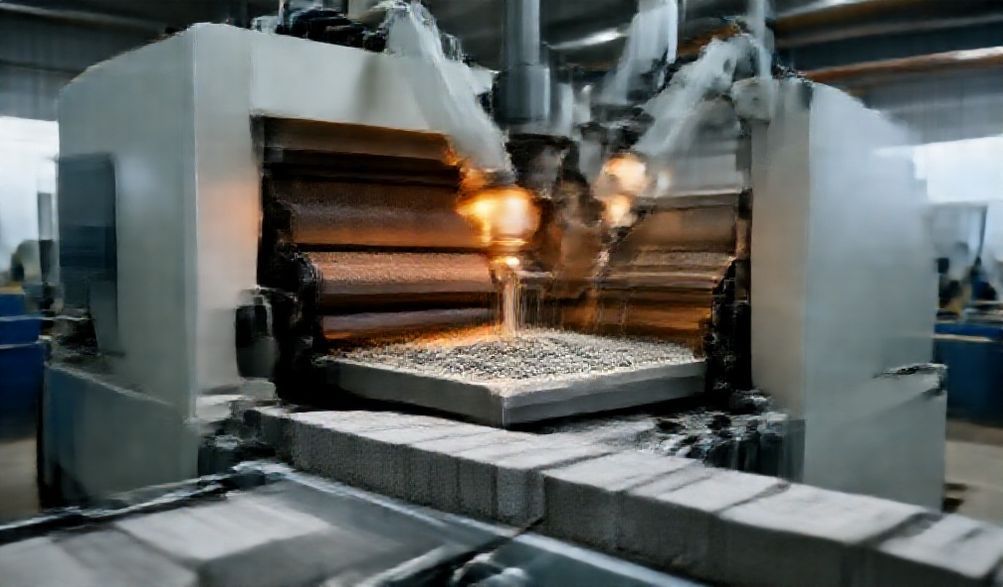
В основі своїй, машина для виготовлення цегли з цементу та золи-уносу є автоматизованою системою, призначеною для перетворення сировинних матеріалів на щільну, однорідну та високоміцну цеглу або блоки. Вона замінює трудомісткі та нестабільні ручні методи точним інженерним рішенням, гарантуючи, що кожна цегла відповідає суворим стандартам якості.
Основна функція та процес пояснені
Машина автоматизує весь виробничий цикл, який зазвичай включає такі ключові етапи:
- Годування:Сировинні матеріали — переважно цемент, зольна піна, пісок/кам’яний пил та вода — подаються у змішувач машини у точних, заздалегідь визначених пропорціях.
- Змішування:Потужний міксер перемішує матеріали в однорідну напівсуху бетонну суміш, забезпечуючи стабільну якість з самого першого кроку.
- Лиття та ущільнення:Це серце процесу. Суміш переміщують у форми. За допомогою поєднання високого механічного тиску та часто вібрації суміш ущільнюють, щоб видалити повітряні порожнини та досягти бажаної щільності та форми цегли.
- Викидання та затвердження:Свіжо сформовані, "сирі" цеглини автоматично викидаються на піддони або конвеєр. Потім їх укладають у штабелі та переміщують у зону твердіння, де вони з часом набувають міцності завдяки контрольованому процесу гідратації.
Чому Зольний Пісок? Екологічні та Економічні Переваги
Зольний пил — це дрібний порошок, побічний продукт спалювання подрібненого вугілля на теплових електростанціях. Раніше його вважали відходами, але зараз це цінний ресурс у будівництві.
- Екологічний Чемпіон:Використання золи-виносу дозволяє відвести мільйони тонн промислових відходів від звалищ. Це зменшує потребу в цементі, виробництво якого є основним джерелом глобальних викидів CO2, тим самим значно знижуючи загальний вуглецевий слід цегли.
- Економічний сенс:Зольна пилюка часто дешевша за цемент. Її використання в суміші може знизити витрати на сировину. Крім того, цегла, вироблена з використанням зольної пилюки, часто демонструє кращу довготривалу міцність і довговічність завдяки пуцоланічним реакціям.
- Відмінний продукт:Цегляні блоки з летючої золи відомі своїм рівномірним кольором, гладкою поверхнею, відмінною міцністю на стиск та меншим водопоглинанням порівняно з традиційними глиняними цеглинами, що забезпечує краще зчеплення з штукатуркою та зменшує вицвітання.
Ключові переваги використання автоматизованої машини для виробництва цегли
Перехід від ручних або примітивних методів до автоматизованої системи відкриває трансформаційні переваги для будь-якого бізнесу.
Неперевершена ефективність та продуктивність
- Високий обсяг виробництва:Машини можуть виробляти тисячі цеглин за зміну, працюючи безперервно 24/7, якщо потрібно. Така масштабованість неможлива при ручній праці.
- Швидкість і Послідовність:Автоматизовані цикли забезпечують безперервний, передбачуваний виробничий потік, що дозволяє точно планувати проекти та своєчасно виконувати замовлення.
Висока та стабільна якість цегли
- Гарантована Єдність:Кожна цегла ідентична за розміром, формою, вагою та щільністю. Це усуває відходи на будівельному майданчику через неправильні цеглини та прискорює процес кладки.
- Контрольована міць:Точне застосування тиску забезпечує, що кожна цеглина відповідає або перевищує необхідні стандарти міцності на стиск (наприклад, IS 12894 в Індії), будуючи довіру з інженерами та клієнтами.
Значне довгострокове зниження витрат
- Зниження залежності від робочої сили:Один автоматизований верстат може замінити велику команду робітників, що працюють вручну, різко скорочуючи постійні витрати на заробітну плату та накладні витрати на управління.
- Оптимізоване використання матеріалів:Комп'ютеризоване або об'ємне дозування мінімізує відходи сировини, гарантуючи отримання максимальної кількості цеглин за вашими витратами на матеріали.
- Вища рентабельність інвестицій:Хоча початкові інвестиції вищі, поєднання масового випуску продукції, нижчих операційних витрат і преміального ціноутворення на продукцію призводить до швидшої та більш значної віддачі від інвестицій.
Покращення безпеки працівників та ергономічного дизайну
- Зменшення фізичного навантаження: Automation eliminates the heavy lifting and repetitive motions associated with manual brick molding, lowering the risk of musculoskeletal injuries.
- Safer Work Environment: Enclosed mixing and pressing areas reduce workers’ exposure to cement and fly ash dust, creating a cleaner, healthier workplace.
Types of Cement Fly Ash Brick Making Machines
Choosing the right type of machine is critical and depends entirely on your production goals, budget, and scale.
Повністю автоматичні, напівавтоматичні та ручні машини
- Повністю автоматичний: The pinnacle of efficiency. These systems feature automated material handling, mixing, molding, and brick stacking. They require minimal human intervention, offer the highest output, and are ideal for large-scale plants with significant capital.
- Напівавтоматичний: A balanced choice for small to medium enterprises. The core pressing process is automated, but tasks like feeding raw materials or removing finished bricks may be manual. They offer excellent productivity at a more accessible price point.
- Ручні верстати: These are simple, lever-operated or small hydraulic presses. They have very low output and are labor-intensive but serve as an ultra-low-cost entry point for micro-enterprises or very specific, small-batch needs.
Stationary Plant vs. Mobile Block Making Machine
- Стаціонарна рослина: Set up in a fixed factory location. Ideal for supplying a local market or multiple construction sites. Allows for optimized workflow, shelter for curing, and larger, more powerful equipment.
- Mobile Block Machine: Mounted on a trailer, it can be driven directly to a large construction site. This eliminates brick transportation costs for that project, as blocks are made on-demand, right where they will be used.
Key Machine Specifications to Understand
When evaluating machines, focus on these critical specs:
* Час циклу та вироблення: Measured in bricks per hour or per 8-hour shift. This defines your production capacity.
* Місткість тиску: Measured in tons or megaPascals (MPa). Higher pressure generally produces denser, stronger bricks.
* Вимога до потужності: The voltage and electrical load (in kW) needed to operate the machine.
* Brick Sizes & Mold Versatility: The range of brick and block sizes (solid, hollow, paver, interlocking) the machine can produce with different molds.
Inside Look: How FUDA Brick Making Factory Ensures Quality
Understanding a manufacturer’s philosophy and processes is key to assessing the long-term value of your investment. A factory like FUDA exemplifies the engineering rigor required for dependable machinery.
Engineering and Design Philosophy
Leading manufacturers prioritize durability above all. This means:
* Using high-grade, wear-resistant materials for critical components like the mold box (often hardened steel), hydraulic cylinders, and the main frame.
* Designing for user-friendly operation with intuitive control panels (often PLC-based) and easy access for maintenance.
* Focusing on low-maintenance design with sealed bearings, easily replaceable wear parts, and robust construction that withstands continuous operation.
Manufacturing and Quality Control Protocols
Quality isn’t an afterthought; it’s built into every stage:
* Component Sourcing: Critical parts like hydraulic pumps, motors, and electrical components are sourced from reputable brands.
* Внутрішня механообробка Precision machining of parts ensures perfect fit and alignment, which is vital for consistent brick quality and machine longevity.
* Assembly & Testing: Each machine is assembled by skilled technicians and undergoes rigorous running tests before leaving the factory. This includes pressure tests, cycle tests, and safety checks.
Research, Development, and Innovation
A forward-thinking manufacturer continuously improves. This can involve:
* Optimizing vibration systems for better compaction with less energy.
* Developing new mold designs for innovative block profiles.
* Incorporating smart features like data loggers to track production efficiency or fault diagnostics for easier troubleshooting.
Choosing the Right Machine for Your Business
Making the correct choice requires honest self-assessment and careful supplier evaluation.
Assessing Your Production Needs and Scale
Запитай себе:
* What is my current and projected daily brick demand?
* What is my available budget (including machine, installation, and working capital)?
* Do I have adequate space for the machine, raw material storage, and brick curing?
* What is the skill level of my available workforce?
Essential Features to Prioritize
Regardless of type, a quality machine must have:
* A heavy-duty, vibration-resistant frame.
* A reliable, branded hydraulic system with proper cooling.
* An efficient and balanced vibration system for optimal compaction.
* Quick-change mold systems to switch production with minimal downtime.
* Integrated safety features like emergency stops and protective guards.
The Importance of Supplier Support and Service
The machine is a long-term asset. The supplier is your long-term partner. Exceptional after-sales support is non-negotiable and includes:
* A clear, comprehensive warranty.
* Ready availability of genuine spare parts.
* On-site installation, commissioning, and operator training.
* Responsive technical support via phone, email, or service visits.
Questions to Ask Your Machine Supplier
- Can you provide contact information for current clients in my region for a reference?
- What is included in the installation and commissioning process? Is training provided?
- Can you share a detailed list of recommended spare parts and their costs?
- What is the typical lead time for critical spare parts if they are not in stock locally?
- Do you offer guidance on optimal raw material mix designs for my local fly ash?
Часті питання (FAQ)
Q1: What is the typical ratio of cement to fly ash in these bricks?
A common range is between 1:3 and 1:6 (cement:fly ash), with the balance being sand or stone dust. However, the optimal ratio is highly dependent on the quality (class) of your local fly ash and the target brick strength. Always consult your machine supplier or a materials engineer for a site-specific mix design.
Q2: How strong are fly ash bricks compared to traditional clay bricks?
Well-manufactured fly ash bricks consistently achieve a minimum compressive strength of 7.5 MPa to 10 MPa, often surpassing the requirements for Class I clay bricks. They also offer superior dimensional consistency, lower water absorption, and better resistance to salt attack.
Q3: What is the curing process for these bricks?
Unlike sun-dried clay bricks, cement-based bricks require controlled hydration. After molding, bricks are stacked and kept moist through water sprinkling or covered with wet gunny sacks for a minimum of 14-21 days. For faster strength gain, steam curing chambers can be used, achieving high strength in under 24 hours.
Q4: Can the machine produce different types of blocks (hollow, solid, paver)?
Yes, versatility is a key advantage. By simply changing the mold, most modern machines can produce a wide variety of products including solid blocks, hollow blocks (for load-bearing and partition walls), paving slabs, and interlocking blocks for landscaping. Confirm the specific mold compatibility with your supplier.
Q5: What is the expected return on investment (ROI) period?
ROI depends on factors like machine cost, local brick selling price, operational efficiency, and market demand. For a well-planned, medium-scale operation with good market access, a typical ROI period can range from 1 to 3 years. The high and consistent output of automated machines is the primary driver for this attractive payback period.
Висновок
Investing in a cement fly ash brick making machine is a decisive step toward a future-proof business. It aligns profitability with sustainability, offering a clear path to higher productivity, consistent quality, and a significantly reduced environmental impact. The technology empowers you to meet the growing demand for green building materials head-on.
As we’ve explored, the success of this investment hinges not just on the machine’s specifications, but on the expertise and reliability of the manufacturer behind it. A partner committed to robust engineering, rigorous quality control, and unwavering after-sales support—principles embodied by manufacturers like Фабрика з виробництва цегли FUDA—transforms a capital purchase into a lasting competitive advantage.
Your next step is to move from research to action. Contact reputable suppliers for detailed quotations tailored to your needs, request a visit to a working plant to see the machinery in action, and begin calculating your production potential based on the opportunities in your local construction market. The foundation for a more efficient and sustainable building future is ready to be laid.
<