
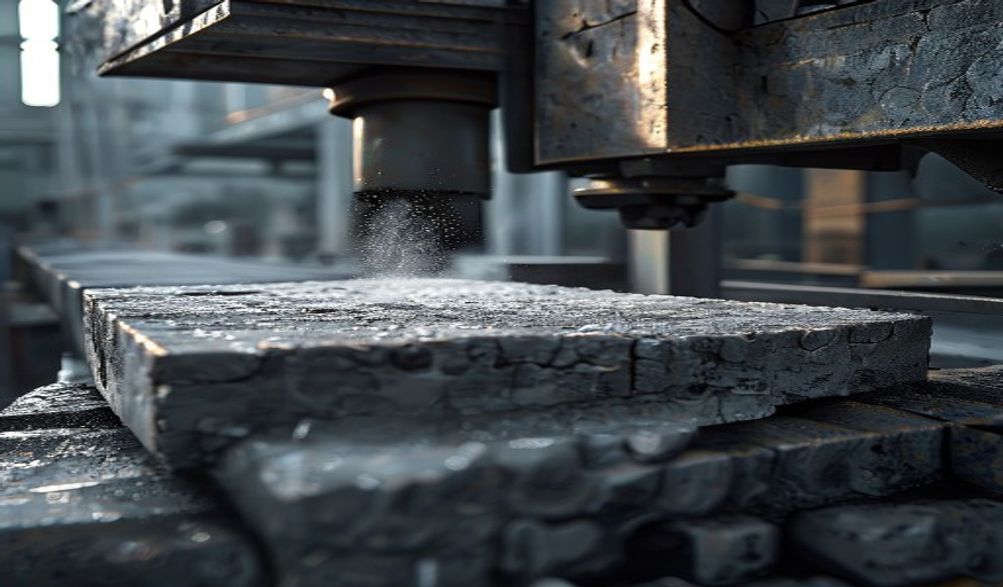
유압 시멘트 벽돌 제조 기계 선택 방법: 종합 구매자 가이드
소개
건설과 블록 제조업계에서 기계는 단순한 도구가 아니라 수익성을 이끄는 엔진입니다. 적합한 유압 시멘트 벽돌 제조 기계는 운영을 한 단계 끌어올려 일관된 품질을 보장하고 생산량을 극대화하며 강력한 평판을 구축해줍니다. 반면 잘못된 선택은 좌절감을 주는 가동 중단, 저조한 제품, 자원 낭비로 이어질 수 있습니다. 이 결정은 비즈니스의 미래를 위한 중대한 투자입니다.
이 포괄적인 가이드는 수십 년간의 업계 경험과 기술 전문 지식을 바탕으로 제작되었습니다. 우리의 목표는 판매 브로셔를 넘어 신뢰할 수 있고 실행 가능한 조언을 제공하는 것입니다. 기술 용어를 명확히 풀어내고 평가를 위한 명확한 프레임워크를 갖추도록 도와드리겠습니다. 마지막에는 정확히 무엇을 해야 할지 알게 될 것입니다.유압 시멘트 벽돌 제조 기계 선택 방법이는 당신의 야망과 완벽하게 일치합니다.
자신 있는 구매를 위한 여정이 지금 시작됩니다. 현명한 결정을 내리기 위한 네 가지 핵심 요소를 체계적으로 살펴보겠습니다: 생산 요구 사항의 심층 분석, 주요 기술 사양의 철저한 이해, 총소유비용에 대한 명확한 파악, 그리고 공급업체 평가를 위한 전략적 접근입니다. 시작해 봅시다.
당신의 생산 요구사항과 목표 이해하기
단 하나의 기계 사양서를 보기 전에, 먼저 내부를 살펴봐야 합니다. 힘겹게 얻은 경험에서 탄생한 이 기본 단계는 전략적인 투자와 충동적인 구매를 구분 짓습니다. 먼저 운영 매개변수를 정의해야 이후의 모든 비교가 의미 있게 됩니다.
프로젝트 규모 및 일일/연간 생산량 요구 사항
당신이 요구하는 출력은 필요한 기계의 규모와 유형을 결정하는 가장 중요한 단일 요소입니다.
- 소규모/스타트업 운영:특정 지역 프로젝트에 공급하거나 소규모 사업을 시작하거나 수요가 간헐적인 경우에는수동 또는 반자동 기계적합할 수 있습니다. 이는 더 많은 직접 조작이 필요하지만 초기 투자 비용이 낮습니다. 목표 생산량은 8시간 교대당 500개에서 3,000개의 벽돌까지 다양할 수 있습니다.
- 중대량 생산:대형 소매 업체, 건설 회사, 전용 블록 야드 운영을 위한 공급을 위해서는완전 자동 유압 벽돌 제조 기계필요하다. 이러한 시스템은 최소한의 인력으로 혼합, 운반, 성형, 적재를 통합한다. 생산량은 교대당 8,000개에서 30,000개 이상의 벽돌로 급증할 수 있다.
자문해 보세요: What is my realistic target for bricks per day? What are my growth projections for the next 3-5 years? Buying a machine that’s already at maximum capacity leaves no room for growth.
Brick Types, Sizes, and Specifications
Not all machines make all bricks. Your product line dictates your hardware.
- 일반 제품: Define what you will produce:
- 홀로우 블록 (4인치, 6인치, 8인치)
- 솔리드 콘크리트 블록
- 포장 돌과 경계석
- Interlocking Bricks for landscaping or construction
- 금형 유연성: The machine’s capability is defined by its mold system. Ensure the machine you choose can accommodate the pallet size그리고mold box dimensions for your desired products. Can you easily source additional or custom molds from the supplier later?
핵심 질문: Does your market demand a single standard product, or will you need the flexibility to switch between brick types to meet diverse customer orders?
Available Space, Power Supply, and Labor
A machine must fit your physical and operational ecosystem.
- Factory Layout & Space: A fully automatic line isn’t just a single machine; it’s a production system requiring space for a pan mixer, conveyor, block machine, and brick curing area. Measure your available space, including ceiling height and door access.
- 전원 공급 장치: Hydraulic machines, especially automatic ones, typically require a robust 3상 전기 공급. Verify your facility’s power capacity. A semi-automatic machine might run on a standard single-phase connection.
- Labor & Automation: The level of automation directly impacts your labor costs and skill requirements. A manual machine needs several operators. A fully automatic line might only need 1-2 people for monitoring and pallet handling. Balance your labor budget against the higher capital cost of automation.
평가할 주요 기술 사양
Now, with your needs defined, you can speak the language of engineering with authority. These technical details separate robust, reliable performers from underpowered disappointments.
Hydraulic System Pressure and Capacity
The hydraulic system is the heart of the machine. It determines the compacting force.
- Pressure (MPa/PSI): Higher hydraulic pressure compacts the concrete mix more thoroughly, resulting in bricks with higher density and compressive strength. For standard blocks, look for systems in the 16-21 MPa range. For high-strength or dense pavers, higher pressure is critical.
- System Quality: A reliable, well-sealed hydraulic system with quality pumps and valves ensures consistent performance, minimal oil leaks, and long-term durability. Ask about the brand of key hydraulic components.
Cycle Time and Production Speed
This is where output metrics become real. Cycle time is the total time for one complete operation: feeding, compacting, molding, and ejecting a brick or set of bricks.
- 직접적인 영향 A machine with a 20-second cycle time will produce three times as many bricks per hour as a machine with a 60-second cycle time, all else being equal.
- Automation Correlation: Cycle times dramatically decrease with automation. A manual machine may have a cycle time of 60-90 seconds. A high-end fully automatic block making machine can achieve cycle times of 10-15 seconds for a multi-block mold.
Mold Quality and Customization Options
The mold is the soul of your product. Its quality defines brick precision and longevity.
- Material & Construction: Insist on heat-treated, hardened steel molds. They resist the abrasive concrete mix far longer than mild steel, maintaining sharp edges and precise dimensions for hundreds of thousands of cycles.
- 맞춤 설정: Can the supplier provide custom molds for unique designs, logos, or special sizes? Understand the lead time and cost for this service. A good supplier partners with a skilled mold workshop.
Automation Level: Manual, Semi-Automatic, Fully Automatic
This choice balances cost, output, and labor.
- 수동 기계: Operator-dependent for feeding mix and removing bricks. Lowest cost, lowest output, highest physical labor. Suitable for very small-scale or rural projects.
- 반자동 벽돌 제작 기계: The operator typically initiates the cycle (e.g., with a button), and the machine performs the molding and ejection hydraulically. A significant step up in consistency and output from manual models.
- 완전 자동 기계: The complete system. A PLC controls the entire process from mixing to stacking. Delivers the highest, most consistent output with minimal labor. Represents the largest investment but the lowest cost-per-brick at scale.
Beyond the Machine: Total Cost of Ownership & Supplier Vetting
The smartest buyers look beyond the price tag. They evaluate the partner behind the product, building a decision on trustworthiness and long-term value.
Analyzing Initial Cost vs. Long-Term Value
The purchase price is just the entry fee.
- 운영 비용 A robust, efficient machine may use less electricity per brick. High-quality components fail less often.
- 유지보수 및 가동 중단 시간 What are the routine maintenance costs? How easy is it to access and replace wear parts? A cheaper machine that breaks down frequently costs you more in lost production and repair bills.
- 내구성 A machine built with thicker steel plates, better welding, and premium components will have a much longer productive lifespan. This is your true return on investment.
Critical Factors in Choosing a Manufacturer or Supplier
Your relationship with the 벽돌 제조 기계 제조업체 is a long-term partnership.
- Reputation & History: How long have they been in business? Do they have a proven track record? Look for established companies with a physical presence and a portfolio of successful installations.
- 애프터 서비스: This is non-negotiable. Do they provide clear installation manuals, wiring diagrams, and on-site or video training? Is technical support just a phone call away? Poor support can render a machine useless.
- 보증 및 예비 부품: Scrutinize the warranty terms. Is it comprehensive? More importantly, do they stock and readily supply a full range of spare parts? Waiting months for a crucial part from overseas is a business killer.
The Importance of Asking for References and Testing
Trust, but verify.
- Customer References: A confident supplier will provide contact information for previous customers, preferably in a similar region or business. Ask them about machine performance, reliability, and the quality of support.
- Machine Trials: Whenever possible, request a live demonstration. Witness the machine in operation, check the quality of the bricks produced, and observe its noise level and stability. If an in-person visit isn’t feasible, insist on a detailed, unedited video trial of the exact model you’re considering.
자주 묻는 질문 (FAQ)
What is the average cost range for a hydraulic cement brick making machine?
Costs vary immensely based on automation and capacity. A small manual/semi-automatic machine can start from $5,000 to $25,000. A mid-range semi-automatic system may be $25,000 to $70,000. Large-scale, fully automatic production lines range from $80,000 to well over $300,000. The only way to get an accurate price is to define your specifications and request detailed quotes.
Can one machine produce different types of bricks?
Yes, absolutely. By changing the mold in the machine’s mold box, you can produce different brick sizes and shapes. The process requires lifting out the old mold and bolting in the new one, which can take from 30 minutes to a few hours depending on the machine’s design. Ensure your supplier offers the molds you need.
What is the typical lead time from order to delivery?
For standard models, expect 8 to 14 weeks from order confirmation to delivery at your port. This includes manufacturing, testing, and sea freight. Custom configurations or complex automation can extend this. Always clarify the delivery terms (FOB, CIF, etc.) and timeline in your contract.
What are the most common maintenance requirements?
- Daily: Clean excess concrete from the mold, frame, and pallets. Check hydraulic oil levels and for any visible leaks.
- Weekly: Inspect and tighten bolts and fittings. Check the hydraulic oil filter.
- Monthly: Grease all bearings and moving parts as per the manual. Conduct a more thorough inspection of wear parts like mold liners, seal rings, and hydraulic hoses.
How do I ensure the bricks meet local quality standards?
The machine provides the compression; you control the mix. Brick strength (e.g., ASTM C90) is a function of:
1. Raw Material Quality: Consistent, well-graded sand, aggregate, and cement.
2. Mix Design: The correct ratio of cement to aggregate and water-to-cement ratio.
3. Proper Curing: Steam curing or water spraying for the recommended period.
4. 테스트 중: Regularly take sample bricks to a local construction materials lab for compressive strength testing to verify your process.
결론
Choosing the right hydraulic cement brick making machine is a deliberate, multi-stage process. It begins with an honest assessment of your production goals, brick types, and operational constraints. It demands a technical evaluation of hydraulic power, cycle speed, and mold quality. It requires the financial wisdom to consider total cost of ownership, not just the initial price. And finally, it hinges on selecting a supplier with a sterling reputation for quality and unwavering after-sales support.
This is more than a purchase; it’s a strategic investment in the foundation of your business. You are now equipped with the knowledge to proceed with confidence.
Your Call to Action: Use this guide to create your own detailed specification checklist. Then, approach shortlisted suppliers with this document in hand. Prioritize those who engage with your specific needs, offer transparency, and demonstrate a commitment to being your long-term partner in productivity. Make your choice from a position of strength and clarity.
<