
중국 광저우에서 벽돌 제조 기계를 구매하는 궁극적인 가이드
소개
산업용 기계를 위한 글로벌 시장을 탐색하는 것은 어려운 일일 수 있습니다. 신뢰할 수 있고 비용 효율적인 벽돌 제조 기계를 찾고 있는 기업주, 프로젝트 관리자 또는 기업가라면, 아마도 한 주요 목적지, 즉 중국 광저우를 주목하게 되었을 것입니다.
세계 제조업의 중심 허브로서 광저우는 놀라울 정도로 다양한 선택지를 제공합니다. 그러나 선택지가 많을수록 전문적인 안내가 절실히 필요합니다. 본 가이드는 복잡한 정보 속에서 핵심을 전달하기 위해 마련되었습니다. 우리는 깊은 산업 지식을 바탕으로, 광저우가 이 분야를 주도하는 이유를 이해하는 단계부터 제조업체를 검증하고 물류를 관리하기까지 포괄적이고 신뢰할 수 있는 로드맵을 제공할 것입니다. 우리의 목표는 여러분이 정보에 기반한 확신에 찬 구매 결정을 내려 투자 수익을 극대화할 수 있도록 돕는 데 있습니다.
왜 광저우가 벽돌 제조 기계의 글로벌 중심지인가
기계 사양을 살펴보기 전에, 이해하는 것이 중요합니다왜광저우는 이 분야에서 누구도 부인할 수 없는 선두주자로 자리매김했습니다. 이러한 우위는 우연이 아닌, 수십 년간의 전략적 산업 발전의 결과입니다.
제조 우수성의 유산
광저우의 강점은 광범위한 주강 삼각주가 '세계의 공장'으로서의 역사에 뿌리를 두고 있습니다. 40년 이상 이 지역은 중공업, 금속 제조 및 기계 생산 분야에서 기술을 연마해 왔습니다. 이러한 장기적인 집중은 엔지니어링과 제조 공정에 대한 깊고 대를 이어 전수된 전문성을 길러냈습니다. 광저우에서 조달할 때, 당신은 내구성 있고 고성능 기계를 제작하는 복잡한 과정을 이해하는 경험 많은 엔지니어, 기술자 및 제조업자들의 풀을 활용하게 되는 것입니다.
집중된 산업 공급망
광저우의 가장 중요한 장점 중 하나는 '클러스터 효과'입니다. 이 지역은 벽돌 제조 기계에 필요한 모든 부품에 대한 전문 공급업체의 밀집된 네트워크를 보유하고 있습니다.
* 프레임 및 금형용 고급 강철 및 합금
* 정밀 유압 시스템 및 펌프
전기 모터 및 PLC(프로그래머블 로직 컨트롤러) 유닛
* 전문 금형 제조업체
이러한 근접성은 제조업체들의 조달 시간과 비용을 극적으로 줄여, 종종 소비자에게 혜택으로 돌아갑니다. 또한 품질 관리를 단순화하고 생산 주기를 가속화하여 광저우를 매우 효율적인 도시로 만듭니다.
혁신과 기술 도입
중국 제조업이 저비용, 저기술 복제의 대명사였던 시대는 지났습니다. 광저우의 제조업체들은 적극적으로 혁신으로 전환하고 있습니다. 오늘날 이곳의 공장들은 다음과 같은 요소들을 통합하고 있습니다:
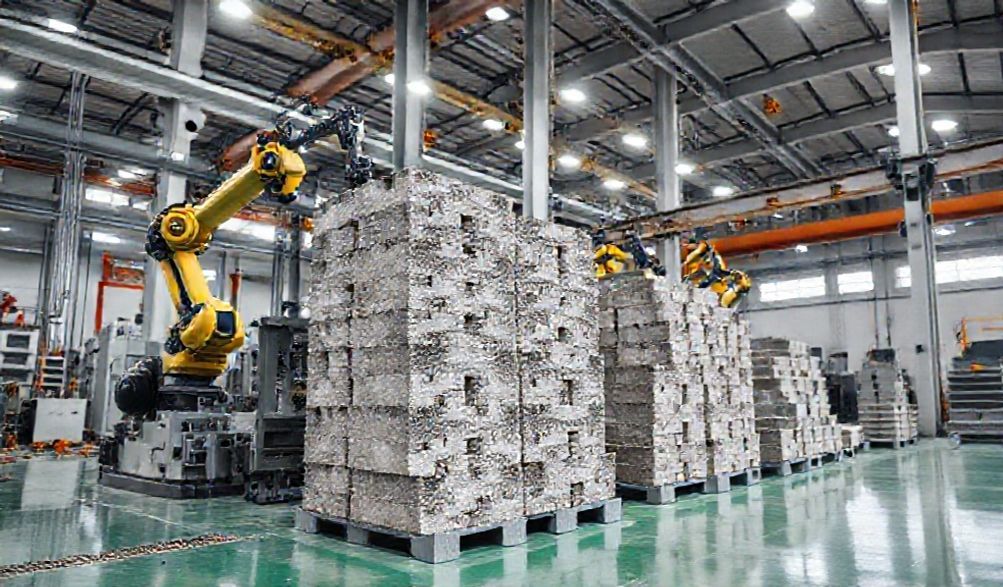
* 로봇 핸들링을 갖춘 완전 자동화 생산 라인.
* 터치스크린 PLC 제어 및 다국어 인터페이스 지원.
* 원격 모니터링 및 진단을 위한 IoT(사물인터넷) 기능.
* 에너지 효율성 및 플라이 애시 또는 CLC와 같은 신소재 사용에 중점을 둔 전담 연구개발 센터
전통적인 제조업 강점과 현대 기술 도입의 이 조화는 독특한 가치 제안을 만들어냅니다.
광저우에서 이용 가능한 벽돌 제조 기계의 종류
The market in Guangzhou caters to every conceivable need, from small-scale rural projects to massive urban developments. Understanding the categories is your first step.
작동 방식: 수동, 반자동 및 완전 자동 기계
- 수동 기계: Low capital cost, entirely human-powered. Ideal for very small-scale, community-based projects with low output requirements. High labor intensity.
- 반자동 기계: A balanced choice for small to medium businesses. They mechanize the pressing and molding process but may require manual feeding of raw material or removal of finished bricks. Offers a good mix of output and affordability.
- 완전 자동 기계: The pinnacle of efficiency. These computer-controlled lines handle material feeding, mixing, pressing, curing, and stacking with minimal human intervention. They command a higher price but offer maximum output, consistency, and lower long-term labor costs.
By Product Output: Block Machines, Paver Machines, Interlocking Brick Machines
- Block Machines: The workhorses of construction, producing standard hollow or solid concrete blocks for walls and structures.
- Paver Machines: Specialize in producing thinner, denser bricks for landscaping, driveways, walkways, and patios. They often feature vibratory presses for a smooth, finished surface.
- 인터록킹 벽돌 기계: Produce bricks with designed ridges and grooves that lock together without mortar. Gaining popularity for eco-friendly construction, retaining walls, and paving due to their speed of installation and permeability.
By Raw Material: Concrete, Clay, Fly Ash, and CLC Brick Machines
- 콘크리트 벽돌 제작 기계: The most common type, using a mixture of cement, sand, and aggregate.
- 점토 벽돌 기계: Utilize traditional clay or shale, often involving extrusion and high-temperature kilns.
- 플라이 애시 벽돌 제작기: An eco-friendly option that uses fly ash (a coal combustion byproduct) as a primary material, reducing cement use and utilizing industrial waste.
- CLC (Cellular Lightweight Concrete) Block Machines: Produce ultra-lightweight blocks by introducing a foaming agent into the concrete mix. Ideal for insulation and reducing structural load.
Key Factors to Consider Before Purchasing
Jumping straight to price comparisons is a common mistake. First, you must define your own requirements.
Assessing Your Production Needs (Capacity, Brick Type, Automation Level)
Ask yourself this checklist of questions:
* What is my target daily or monthly output (in bricks or cubic meters)?
* What specific brick type(s) do I need to produce (size, shape, material)?
* What is my available labor force, and what skill level do they have?
* What is my available factory space and power supply (voltage, phase)?
* What is my budget, considering both initial investment and operating costs?
Your answers will naturally narrow down the field of suitable machines.
Critical Machine Specifications to Scrutinize
When reviewing offers, go beyond the brochure. Demand details on:
* 압력 힘 (톤수) Higher tonnage generally produces denser, stronger bricks.
* 사이클 타임: How many seconds per brick or per mold? This directly dictates your maximum output.
* Mold Quality & Hardening: Molds should be made from high-chromium alloy steel and heat-treated for longevity.
* 전력 요구 사항 Ensure your facility can meet the voltage (e.g., 380V/50Hz/3Phase is standard) and amperage demands.
* 핵심 구성 요소 브랜드: Reputable manufacturers use known brands for hydraulics (like Rexroth, Yuken) and PLCs (like Siemens, Mitsubishi).
Understanding Total Cost of Ownership
The invoice price is just the beginning. A savvy buyer calculates the Total Cost of Ownership (TCO):
* Initial: Machine cost, shipping, insurance, customs duties, installation.
* Operational: Energy consumption, routine maintenance costs, labor, raw materials.
* Long-term: Spare parts (wear items like seals, mold liners), potential major overhauls, costs of downtime.
A slightly more expensive machine from a reputable supplier with lower energy use and guaranteed spare parts availability often has a lower TCO than a cheap, unsupported alternative.
How to Vet and Select a Reliable Manufacturer in Guangzhou
This is the most critical phase of your journey. Diligence here prevents immense future headaches.
Verifying Company Credentials and Experience
Start with basic but essential verification:
* Business License: Request a copy and cross-check it on Chinese official platforms or via Alibaba’s Gold Supplier verification (though this is a starting point, not a guarantee).
* 운영 연한 Prefer companies with a track record of 8-10+ years. It indicates stability and accumulated experience.
* Client Portfolio & References: Ask for case studies or contact information for past international clients in a region similar to yours. A genuine manufacturer will have them.
The Non-Negotiable Importance of Factory Audits (Virtual or In-Person)
Never skip this step. If an in-person visit isn’t feasible, insist on a live video tour.
What to look for during an audit:
* Production Floor: Is it organized, clean, and safe? Are workers using proper procedures?
* 품질 관리: Are there dedicated QC stations? Are components being measured and tested?
* Raw Material Storage: Is steel and other material stored properly, indicating care for input quality?
* Finished Goods Yard: Can you see machines ready for shipment? It’s a sign of real production activity.
Evaluating Technical Support and After-Sales Service
The quality of after-sales service separates the best from the rest. Your supplier should offer:
* Detailed Documentation: Comprehensive manuals in your language (English/Spanish/Arabic etc.).
* Installation Support: Detailed foundation drawings, and preferably, an engineer available for on-site or video-guided installation.
* 보증: A clear warranty policy (typically 12 months for core parts).
* 예비 부품: A readily available catalog with part numbers and a promise of long-term supply (10+ years).
* Troubleshooting: Access to technical support via WhatsApp, email, or video call with reasonable response times.
The Procurement and Logistics Process: A Step-by-Step Walkthrough
Understanding the process reduces anxiety and ensures smooth progress.
From Inquiry to Pro Forma Invoice (PI)
- Initial Contact: Send a detailed inquiry specifying your needs (machine type, automation, capacity).
- 기술 커뮤니케이션 Engage with their engineers to finalize specifications. Be precise.
- Pro Forma Invoice (PI): The supplier will issue a PI detailing price, specifications, payment terms, and Incoterms (e.g., FOB Guangzhou, CIF your port). Understand what the Incoterm covers—FOB means you own the goods and are responsible for costs once they’re loaded on the ship in Guangzhou.
Navigating Payment Terms Securely
Standard and secure payment terms are:
* T/T (Telegraphic Transfer): Often 30% deposit, 70% against copy of shipping documents. Common but requires trust.
* Letter of Credit (L/C): A bank-guaranteed payment method. More secure for both parties but involves bank fees. Highly recommended for large orders.
* Escrow Services (e.g., through Alibaba): Provides a layer of protection by holding payment until you confirm receipt and satisfaction.
Shipping, Customs, and Delivery
- Freight Forwarder: Hire your own or use the supplier’s recommended one. Get quotes for sea freight (LCL or FCL).
- 포장: Ensure machines are properly crated in a steel-frame wooden box for ocean transport.
- Documentation: The supplier must provide a clean set of shipping documents: Commercial Invoice, Packing List, Bill of Lading, and Certificate of Origin.
- 통관 Work with a customs broker in your country to handle duties, taxes, and clearance based on the provided documents.
Maximizing Your Investment: Installation, Operation, and Maintenance
Your responsibility begins once the machine arrives.
Foundation Preparation and Machine Installation
- Follow the Manual: The manufacturer’s foundation drawing is law. It will specify dimensions, depth, and bolt placements. Use the recommended concrete grade.
- Professional Installation: If not doing it yourself, use experienced local technicians. Supervise the uncrating to check for any shipping damage immediately.
Operator Training and Safety Protocols
- Mandatory Training: Ensure all operators are thoroughly trained on startup, operation, shutdown, and basic troubleshooting.
- Safety First: Enforce strict safety protocols: lock-out/tag-out procedures, wearing safety gear, and never performing maintenance while the machine is powered.
Routine Maintenance Schedule for Longevity
A simple, consistent maintenance routine is the key to years of service.
* Daily: Lubricate all moving parts as per the chart, check hydraulic oil levels, clean the machine.
* Weekly: Check for loose bolts and nuts, inspect hydraulic hoses for wear, clean the filter.
* Monthly: Conduct a more thorough inspection of the electrical system, mold condition, and pressure settings.
FAQ Section
Q1: What is the average price range for a brick making machine from Guangzhou?
A: Prices vary immensely. A small manual or semi-automatic machine can start from $5,000 – $15,000. A standard medium-capacity fully automatic block machine typically ranges from $45,000 – $80,000. Large, high-output, fully automated production lines can cost $150,000 to $300,000+. The final price depends on automation, capacity, brand of components, and customization.
Q2: Can I get a customized machine for a specific brick design?
A: Absolutely. Most reputable manufacturers offer custom mold design and fabrication as a core service. You provide the brick design drawings, and their engineering team will create the mold. This will add to the cost and extend the lead time, typically by 2-4 weeks.
Q3: How do I handle machine breakdowns or spare parts needs?
A: This underscores the importance of choosing a supplier with strong after-sales support. They should provide you with a detailed spare parts catalog. For breakdowns, you should have direct access to technical support for remote troubleshooting. For critical spare parts, they should be able to ship them via air freight within days. Always inquire about their standard response time and parts warranty.
Q4: Are the machines compliant with international safety and quality standards (CE, ISO, etc.)?
A: Many are, but you must explicitly ask for and verify the certificates. A serious manufacturer will have CE certification for their standard models (ensuring compliance with EU health, safety, and environmental standards) and likely hold an ISO 9001 quality management system certification. Do not assume; request the certificate for the specific machine model you are buying.
Q5: What is the typical lead time from order to delivery?
A: For a standard model from an established factory, expect 30 to 45 days for production and pre-shipment preparation. For large, customized production lines, 60 to 90 days is more common. This timeline is after receiving your deposit and finalized specifications. Sea freight transit then adds another 20-45 days depending on your destination port.
결론
Sourcing a brick making machine from Guangzhou, China, presents a tremendous opportunity: unparalleled selection, competitive pricing, and deep supply chain efficiency. However, capitalizing on this opportunity requires a strategic and diligent approach. Success hinges on thorough supplier vetting, a clear understanding of your own needs, and careful management of the procurement and logistics process.
Use this guide as your foundational roadmap. Apply the principles of verification, audit, and total cost analysis. By doing so, you move from being a hopeful buyer to an informed partner, poised to build a profitable and long-term relationship with a quality manufacturer. Your journey to securing the right machinery for your project starts with expert knowledge—now you’re equipped to proceed with confidence.
<