
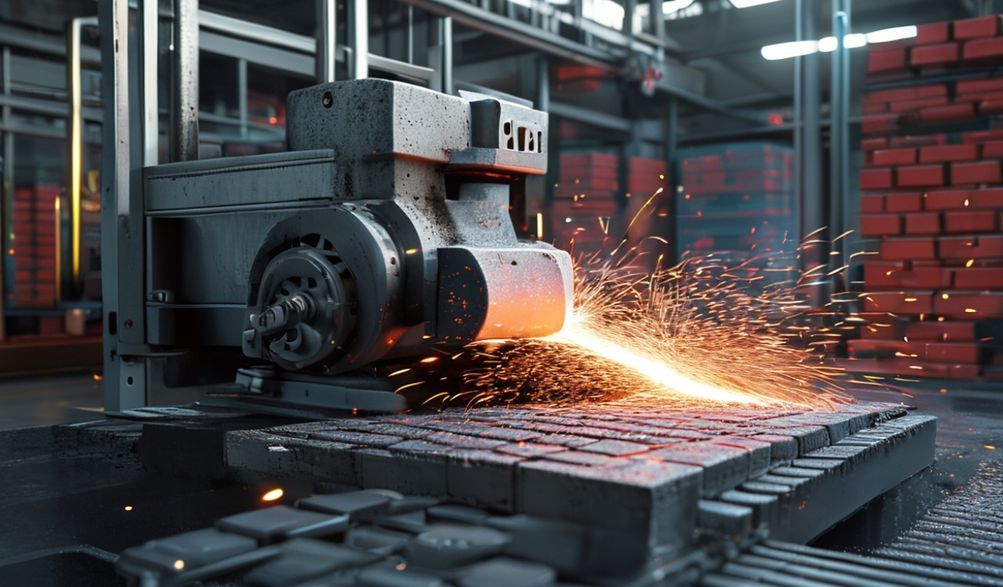
Ultima Tua Ductor ad Eligendum Officinam Machinae Faciendi Lateres Coagmentatos e Concreto
Introductio
Orbis aedificiorum mutatur. Ab operibus infrastructurae urbanae ad incepta habitationis sustinendae, postulatio materiarum aedificandarum durabilium, parcarum et consciae circumiectorum in summo est. In hac mutatione praecedunt lateres concreti inter se iungentes—versatiles, fortes et ideales ad sternendum, muros sustinendos, et etiam structuras calamitatibus resistentes. Sed post omnem aream productionis laterum prosperam una est sententia crucialis: electio fabricae machinae faciendi lateres concretos inter se iungentes.
Hic locus est ubi multae negotiationes et inceptores offendunt. Mercatus saturatus est cum suppeditatoribus qui minima mercede omnia promittunt. Quid vero? Officina inepta eligere potest ad exitium intervallum operis, ad inconstantem qualitatem laterum, ad immodicas impensas reparationis, et denique ad conatum irritum ducere. Machina cor est operis tui; eius origo extra omnem culpam esse debet.
Cum plus triginta annorum experientia in machinis aedificandis fabricandis et arte ingeniaria, vidi victorias bene informatarum emptionum et dolendas praecipitatarum sententiarum lectiones. Hoc ductorium in illa manuali peritia conditum est. Non ad certam notam vendendam comparatum est, sed ad te scientia critica instruendum ut quamlibet officinam tamquam peritus peritus aestimes.
Sive societas aedificatoria es quae operationes amplificat, sive coeptor qui aream caementariam inchoat, sive magistratus qui emptionis processum curat, haec est tua via. Dissecabimus quomodo officinam fide dignam noscas, specificationes machinarum necessarias intellegas, processum emptionis percurras, et societatem ineas quae lucrum tuum in annos futuros confirmet.
Cur Electio Officinae Tua Criticissima Sit Decisio
Emere machinam laterum intertextorum non simplex mercatio est; foedus strategicum constituit. Officina quam eligis extensio negotii tui fit, quae cotidianas operationes ac diuturnam firmitatem tuam directe afficit. Scindamus cur haec electio tantum pondus habeat.
Directus Impactus in Lucrum Negotii Tui
Machinae tuae effectus recte ad lucrum tuum convertitur.
* Fiducia = Tempus Operandi.Machina quae saepe deficit, totam productionem sistit. Dies productionis amissi ordines praetermissos, poenas contractuum, et sumptus otiosi operis significant.
* Qualitas Caudicis Constantia:Machina male temperata vel debiliter constructa lateres cum dimensionibus inexactis aut vi comprimendi infirma efficit. Hoc ad reicientia fasciculos, materias primas frustra consumptas, et famae tuae detrimentum ducit.
* Celeritas Efficacitasque Productionis:Outputus destinatus (lateres per horam) in condicionibus realibus obtineri debet. Machina nimis specificata quam servare non potes, aut ea quae minus potens est ut postulationi satisfacere nequeat, incrementum tuum et reditum in investitionem utraque suffocant.
Trans Machinam: Pretium Subsidii Technici et Institutionis
Optima machina tantum valet quantum auxilium post eam. Officina quae post solutionem evanescit, onus est.
* Recta Instalatio & Dedicationis:Instituta male dispositio statim detrimentum et diuturna efficacitatis incommoda afferre potest. Peritorum consilium necessarium est.
* Comprehensiva Operantium Institutio:Bene instructi operatores exitum augent, vastum minuunt, ac necessariam praeservativam curationem exercent, vitam machinae extendentes.
* Accessibilis Curationis Ductus:Cum fistula hydraulica rumpitur vel sensus deficit, manualia clara, duces ad quaestiones solvendas, et consilium technicum promptum requiris ut celeriter ad opus redire possis.
Navigans Mercatum Globalem: Provocationes et Opportunitates
Factories are spread worldwide—from industrial hubs in China, India, and Turkey to specialized manufacturers in Europe and North America. This variety presents both opportunity and risk.
* The Price Spectrum: Prices can vary wildly. Understanding what justifies a higher price (superior components, engineering, service) is key.
* Quality Disparity: Two machines may look identical in a photo, but the quality of steel, welding, and internal components can be worlds apart.
* Cultural & Communication Barriers: Clear, consistent, and transparent communication is essential for specifying needs, resolving issues, and ensuring smooth logistics.
Key Indicators of a Trustworthy and Expert Factory
Separating market leaders from mere assemblers requires a disciplined evaluation. Use these concrete indicators to assess any potential supplier.
Manufacturing Experience and Proven Track Record
Longevity and a proven portfolio are your first filters.
* Annos in Negotio: Look for a minimum of 10-15 years of dedicated machinery manufacturing. This indicates resilience and accumulated knowledge.
* Client Portfolio & Case Studies: A reputable factory will proudly share examples of successful installations, often with photos, videos, and testimonials. Look for projects in environments similar to yours.
* Praesentia Industriae: Do they participate in major international construction or machinery trade fairs? This shows investment in their brand and industry engagement.
In-House Engineering and R&D Capability
This is what separates a true manufacturer from a parts assembler.
* Facultas Accommodationis: Can they modify a standard design to fit your unique raw materials, block design, or space constraints? This flexibility is invaluable.
* Problem-Solving Partnership: When you encounter a production challenge, an in-house engineering team can diagnose and offer solutions, not just sell you a spare part.
* Continua Emendatio: Factories invested in R&D release updated models with better efficiency, user interfaces, and energy savings, protecting your investment from rapid obsolescence.
Quality Control Processes from Raw Material to Shipment
Quality isn’t an accident; it’s a documented process. Ask for theirs.
* Materiae Comparatio: What grade of steel is used for the frame and mold? ISO-certified suppliers for major components (hydraulics, PLCs) are a positive sign.
* Production Standards: Inquire about welding procedures (e.g., submerged arc welding for critical joints), stress-relieving treatments, and anti-corrosion painting processes (like sandblasting and epoxy coating).
* Probationes Ante Navem A rigorous factory will run a FAT (Factory Acceptance Test) with you (or via video), producing sample blocks with your specified mix to prove machine functionality before it leaves their floor.
Transparency and Communication
Trust is built on clarity. Gauge this from your very first interaction.
* Documentatio. They should readily provide detailed technical specifications, foundation drawings, electrical schematics, and parts manuals.
* Responsiveness: Consistent, clear, and timely replies to technical questions are a strong indicator of future support quality.
* Open-Door Policy: Will they arrange a live video tour of their workshop? Can they provide a third-party factory audit report? Transparency dispels doubt.
Essential Machine Specifications to Discuss with Any Factory
Armed with an understanding of factory credibility, you must now drill into the machine itself. These are the technical parameters that will define your production reality.
Core Production Specifications: Capacity, Pressure, and Automation
- Productio Exitus: Never rely on theoretical maximums. Discuss sustainable 8-hour or 24-hour output for the specific block type you need (e.g., 10,000 pavers/day). Factor in mold change and maintenance time.
- Hydraulic System Pressure: Measured in tons (e.g., 150-ton, 300-ton). Higher pressure generally means higher block density and strength. Ensure it’s matched to your target block quality and size.
- Gradus Automationis:
- Manuale: Labor-intensive, low output, suitable for very small-scale startups.
- Semi-Automaticus: Operator loads mix, machine cycles automatically. Best balance of cost and output for many businesses.
- Fully Automatic (with PLC): Automated material feeding, mixing, molding, and stacking. Requires higher investment but offers maximum output, consistency, and labor savings.
Block Mold Versatility and Customization
Your ability to adapt to market demands hinges on your molds.
* Standard Mold Library: A good factory offers dozens of proven designs: grass pavers, hollow blocks, retaining wall systems, and interlocking bricks.
* Custom Mold Service: They should have CAD/CAM capability to design and manufacture molds based on your unique drawing or sample. Ask for their design lead time and cost structure.
* Mold Changing Mechanism: How long does it take to change molds? Quick-change systems (within 30 minutes) significantly increase operational flexibility and profitability.
Machine Durability and Ease of Maintenance
This is where build quality becomes operational reality.
* Clavis Elementorum Notae While reputable factories may use high-quality local components, recognized international brands (e.g., Siemens or Mitsubishi PLCs, Schneider electrics, Rexroth or Yuken hydraulics) often signal a commitment to reliability and easier global parts sourcing.
* Compages The frame should be made from heavy-duty, reinforced steel plates, not lightweight sections. Welds should be clean, even, and certified.
* Service Accessibility: Panels should open easily, and key components like hydraulic valves and sensors should be reachable without major disassembly. This reduces maintenance time and costs.
The Step-by-Step Process of Working with a Factory
A smooth procurement process is a precursor to a successful partnership. Here’s the ideal journey from inquiry to production.
1. Initial Inquiry and Needs Assessment
Provide a clear brief: desired block types and dimensions, target daily output, available factory space/power, and budget range. The more detailed you are, the more accurate the proposal.
2. Quotation Analysis: Reading Between the Lines
Don’t just look at the bottom line. Scrutinize:
* Itemization: Is the quote detailed (machine, molds, spare parts, training cost)?
* Termini Cautionis: Exactly what is covered and for how long?
* Delivery Time: From deposit to shipment.
* INCOTERMS: Understand responsibilities (FOB, CIF, etc.). FOB (Liberum in Navi) is common, where you own the goods and assume risk/cost once loaded on the ship.
3. Factory Visit and Machine Inspection (Virtual or On-Site)
If possible, visit. If not, insist on a live video inspection.
* Checklist: Observe workshop organization, quality of work-in-progress machines, and testing areas. Request to see the FAT for a machine similar to yours.
4. Negotiation, Contract, and Payment Terms
- Contract: Ensure it includes all agreed specifications, warranty, delivery timeline, and payment schedule.
- Payment: A standard, protective schedule is 30% deposit, 40% upon pre-shipment inspection, 30% before shipment. Never pay 100% upfront.
5. Shipping, Installation, and Commissioning
The factory should assist with shipping arrangements. Upon arrival, they should provide (or send a technician for) installation supervision, calibration, and on-site training to produce your first commercial-quality blocks.
Common Pitfalls to Avoid When Sourcing Your Machine
Learning from others’ mistakes is the cheapest form of due diligence.
Choosing Based on Price Alone
The cheapest machine has the highest lifetime cost. Savings on the purchase price will be consumed many times over by repair costs, low output, and poor block quality that loses clients.
Overlooking Local Agent or After-Sales Service Network
Is there a service contact in your region or timezone? How quickly can you get critical spare parts? A factory with no local support network leaves you stranded.
Ignoring Electrical and Power Requirements
A 380V/50Hz machine is useless in a 440V/60Hz region without a transformer. Confirm voltage, phase, and total power consumption (KVA) to prepare your site.
Underestimating Foundation and Site Preparation Needs
These machines are heavy and require a perfectly level, reinforced concrete foundation. The factory oportet provide detailed foundation drawings. Ignoring this causes vibration, misalignment, and premature failure.
Interrogationes Saepius Petitae (ISP)
Q1: What is the average lead time from order to delivery for a standard machine?
A: This varies significantly. For a standard semi-automatic machine, expect 30-45 days after deposit confirmation. For a fully automatic production line with customization, lead times can extend to 60-90 days. Always get the confirmed timeline in your sales contract.
Q2: What is a standard warranty period, and what does it typically cover?
A: A reputable factory typically offers 12-18 months for the main frame and critical structures, and 6-12 months for electrical and hydraulic components. Crucially, the warranty covers manufacturing and material defects, not wear parts or damage from improper operation, maintenance, or force majeure. Clarify exclusions explicitly.
Q3: Can the factory help with raw material mix design for the blocks?
A: An expert factory should. They will provide a basic, proven mix design (ratios of cement, sand, aggregates, and water) as a starting point. This should be adaptable based on the quality and properties of your locally available materials.
Q4: How do I ensure I get genuine spare parts in the future?
A: Choose a factory that maintains a comprehensive spare parts inventory. Ensure they provide a detailed parts manual with codes and diagrams. Establish a direct channel for ordering parts and confirm their policy on parts availability for older machine models.
Q5: What training is typically provided for our operators?
A: Standard packages include 3-5 days of on-site training after installation. This should cover safe operation, daily maintenance routines, basic troubleshooting for common alarms, and mold changing procedures. Verify that this training is explicitly included in your quotation and contract.
Conclusio.
Selecting the right concrete interlocking block making machine factory is a strategic investment that will echo through the life of your business. It is a decision that hinges not on a glossy brochure or the lowest price, but on demonstrable expertise, unwavering commitment to quality, and a genuine partnership ethos.
As an industry veteran, my final recommendation is this: be thorough, be skeptical, and be demanding. Use the criteria in this guide as your due diligence checklist. Ask the hard questions about engineering, quality control, and long-term support. Prioritize factories that welcome your scrutiny and demonstrate a transparent commitment to your success.
Let this guide empower you to move forward with confidence. Before you sign any contract, review your shortlisted factories one last time against the key indicators we’ve outlined. Your future productivity, profitability, and peace of mind depend on the foundation you lay today with this critical choice.
<