
Tuum Plenum Ductor ad Optimum Machinam CEB Inveniendam Vendendam
Introductio
Quaestio rationum aedificandi sustentabilium, parvarum impensarum ac diuturnarum magis quam umquam urget. Inter crescentes materiarum sumptus et environmentales curas, vetus saeculorum ars modernam renovationem experitur: aedificatio cum Lateribus Terrae Compressis (LTC). Hi fortes, elegantes lateres viam praebent ad structuras pulchras, efficaces ac resistentes construendas. Sed verus huius revolutionis sustinabilis aedificandi stimulus non solum materia est—sed machina quae id efficere potest.
Pro incipientibus aedificatoribus possessoribus, progressoribus oecologicae conscientiae, et negotiatoribus, mercatum machinae CEB vendendae peragrare formidolosum esse potest. Cum optiones a simplicibus pressis manualibus ad systemata commercialia plene automata varient, quomodo idoneam eligis? Hoc plenum ductorium in altis investigationibus industriae, analysi directa specificationum fabricantium, et perspicaciis practicis e campo destillatis conditum est. Propositum nostrum est te scientia instruere ut emptionem confidentem et informatam facias, quae cum amplitudine, sumptu, et visione tui operis perfecte congruat.
Per machinarum CEB rationem te ducimus, factores electionis criticos resolvimus, sumptus perspicimus, et viam ad probatos suppeditatores praebemus. In fine, precise scies quid quaerere debeas ut machinam CEB perfectam venalem invenias.
Quid est Machina CEB et Quomodo Operatur?
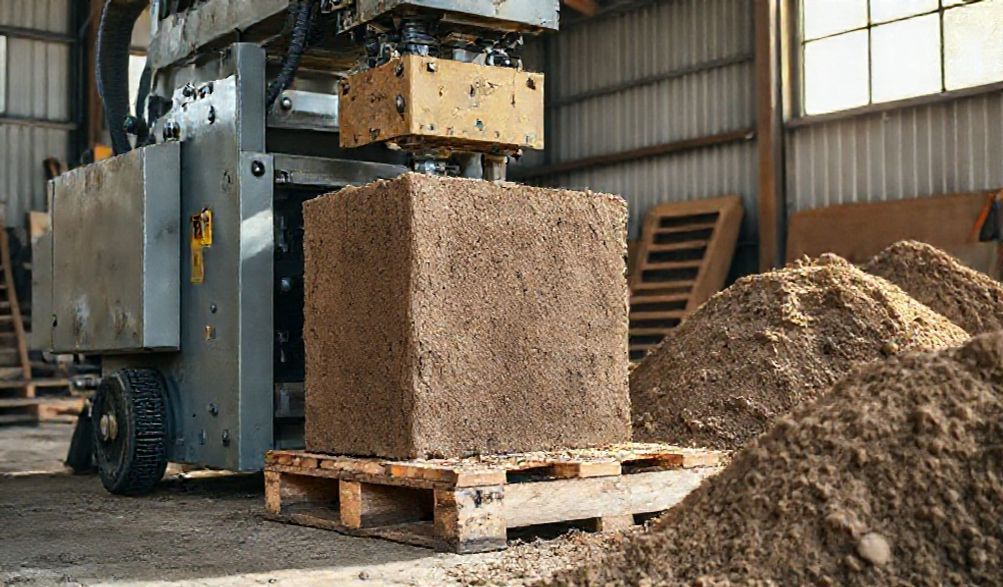
In medulla sua, machina CEB est pressura specialis quae humum crudam umidamque in lateres aedificandi exactos et firmissimos convertit. Haec est ars efficax quae solum loco inventum in materiam aedificandi utilem mutat.
Scientia post Lateres Terrae Compressos
Lateres e Terra Compressi per processum efficiunturCompactionis dynamica.
- Principium:Humus subacta argilla, harena, et limo composita, in loco arcto pressu vehementi mechanico subicitur.
- Exitus:Haec pressura, saepe in talentis mensa, particulas argillae cogit ut aggregatum conglutinent, aërem expellens et densum cohaerentemque massam creans. Nulla coctio nec additamenta chemica necessaria sunt; robur ex compressione et cohaesione naturali oritur.
- Praecipua Commoda:
- Moles CalorisCEB calor diei absorbent et nocte emittunt, temperaturas interiores naturaliter moderantes.
- Ignis et Pestis Resistentia:Inflammabiles sunt per se et pestibus invisa.
- Sustentabilitas:Immanissimam energiam incorporatam habent, praesertim cum solo in situ utuntur.
- FirmitasRecte factae et protectae, structurae CEB per saecula durare possunt.
Partes Praecipua Pressurae CEB
Cum consilia varient, pleraeque machinae CEB haec fundamentalia membra communicant:
- Saltator:Cubiculum ubi mixtura terrae parata oneratur.
- Compressio Cubiculum & FormaCor machinae. Haec capsula ferrea formam magnitudinemque lateris definit.
- Aries (Hydraulicus vel Mechanicus):Pistō qui vim ingentem in solum intra cameram exercet.
- Fons Potestatis:Vim praebet arietem. Hoc potest esse hominis vectis (manualis), motor electricus, machina diesel, aut tractoris Potestas Sumenda (PTO).
- CompagesFirmum, plerumque chalybeum, compagem quae ingentes operationis vires sustinet.
Processus Fundamentalis:Solum in infundibulum oneratur, in conclave compressionis immittitur, aries ea ingenti vi comprimit, aries retrahitur, et later finitus eicitur—paratus ad struendum et durandum.
Claves Rationes Considerandae Antequam Machinam CEB Emas
Machinam eligere non tantum de pretio est; de instrumento cum propriis incepti postulationibus congruendo. Hae sunt res criticae quae successum tuum determinant.
Productio Facultas & Proposita Efficiendi
Proiecti tui fines machinam quam requiris imperant. De tempore tuo crudeliter verus esto.
- Parva Scala (Amator, Domestica Privata):Machina producensCC–D per diemSufficere potest. Hoc permittit progressum constantem sine onerando parva manu.
- Magnus (Mercatorius, Proiectus Progressionis):Opus tibi erit systema quod potestMille ad quinque milia et amplius caudices per diemOutputus metitur in caudicibus per horam, et constantia clavis est.
- Quaestio Clavis:Quot lateres in summa opus est? Id divide per dies efficaces reales ut cotidianum exitum necessarium definias.
Fons Potestatis: Manualis, Electricus, Diesel, vel Tractori PTO
Hic tuus electio impendium operandi, situm, et facilitatem usus afficit.
- Manuale (Actio Vectis)
- Pros:Minimus sumptus, omnino extra retis, portabilis, minima curatio.
- Incommodis:Operis intensivum, productio inferior, labor corporis, vis compressionis limitata.
- Motor Electricus:
- Pros:Constans, quieta operatio, apta officinis, inferior sumptus operandi.
- Incommodis:Fideli retis vel substantiali solari/accumulatoris dispositione indiget, minus mobilis.
- Machina Dieseliana:
- Pros:Magna vis et torque, apta ad loca remota, mobilis (si in traha imposita).
- Incommodis:Clamosus, emissiones gignit, sumptus cibarii et sustentationis altiores.
- Tractoris PTO:
- Pros:Utitur instrumentis agriculturae exsistentibus, alta potentia, mobilis.
- Incommodis:Tractorem cum sufficienti equorum vi requirit, eum in productione occupat.
Magnitudo et Figura Caementi Propria Facienda
Mutabiles formae flexibilitatem designandi reserant.
- Magnitudines Normales:Machinae plerumque formas pro communibus dimensionibus praebent (exempli gratia, 10″x14″x4″). Cura ut mensura normis aedificandi regionalibus congruat.
- Formae Propriae:Nonnulli opifices formas praebent ad:
- Interclusi Lateres:Haec opus caementi minuunt vel tollunt, aedificationem accelerantes.
- Curved or Special Blocks: For arches, decorative elements, or unique architectural designs.
- Crucial Tip: Inquire about the cost and lead time for additional molds upfront.
Soil Suitability and Preparation Requirements
This is the most critical factor for success. The machine is just a press; the soil is your raw material.
- The Ideal Mix: A balance of approximately 25-35% clay (the binder) and 65-75% sand/aggregate (the structural filler). Too much clay leads to shrinking and cracking; too little results in weak blocks.
- Preparation is Non-Negotiable: Soil must be:
- Screened: To remove stones, roots, and debris.
- Properly Moistened: Typically 8-12% moisture content. Think “damp, not muddy.”
- Machine Integration: Some commercial systems include a Mixer panis or even a rotary screener. For smaller setups, you will need to budget for and operate this equipment separately (e.g., a rotary screener, a mortar mixer).
Types of CEB Machines for Sale: A Detailed Breakdown
The market segments into three broad categories, each serving different needs and budgets.
Manual (Lever-Action) CEB Presses
- Idoneum Ad: DIY enthusiasts, educational workshops, tiny homes, and very low-volume projects like garden walls.
- Beneficia:
- Extremely low upfront cost.
- Ultimate simplicity and portability.
- No power dependency.
- Modi:
- High physical labor requirement.
- Low production rate (often 50-100 blocks per hour with a skilled operator).
- Generally produces blocks with lower compressive strength than hydraulic machines.
Hydraulic CEB Machines
- Idoneum Ad: Serious owner-builders constructing a full home, small businesses, community projects, and NGOs.
- Beneficia:
- Higher Pressure: Creates stronger, more consistent blocks.
- Increased Output: Can produce 200-600+ blocks per hour.
- Easier Operation: Less physical strain, often with push-button or lever controls.
- Considerationes:
- Requires a significant investment.
- Needs a power source (electric, diesel, PTO).
- Involves more complex maintenance (hydraulic system, seals).
Automated & Commercial CEB Production Systems
- Idoneum Ad: Production yards, large housing developments, and block-making businesses.
- Lineamenta:
- Alta Automatio: May include auto-feed soil conveyors, palletizers for stacking blocks, and programmable controls.
- Altissimus Productus: Can exceed 1,000 blocks per hour.
- Large Footprint: These are industrial machines.
- Configurations:
- Statio Set up in a dedicated production facility.
- Mobile (Trailer-Mounted): Can be moved between job sites—a significant advantage for large, remote projects.
Navigating the Market: Where to Find CEB Machines for Sale
Knowing where to look is half the battle. Prioritize suppliers who offer transparency and support.
Reputable Manufacturers and Direct Suppliers
Buying directly from the manufacturer often provides the best technical support and warranty terms.
- Research: Look for companies with a long history, a clear physical address, and detailed documentation.
- Evidence of Quality: Seek out video demonstrations, third-party block test results, and detailed user manuals available online.
- Support: The best companies offer robust customer service, training resources (videos or in-person), and a clear parts catalog.
Equipment Distributors and Dealers
A regional dealer can provide valuable localized support.
- Commoda: Potential to see a live demonstration, local service and maintenance, and faster parts shipping.
- Due Diligence: Verify they are an authorized dealer for the manufacturer to ensure valid warranties.
Pre-Owned and Used CEB Equipment
This can be a cost-effective path but requires caution.
- Buyer’s Checklist:
- Inspect Wear Parts: Check the mold/die, ram face, and liners for significant wear or damage.
- Systema Hydraulicorum: Look for leaks, check fluid condition, and cycle the ram to ensure smooth operation.
- Verify Parts Availability: Confirm the machine model is still supported and that replacement parts (seals, molds) are obtainable.
- Get History: Ask why it’s being sold and request maintenance records.
- Platforms: Search industrial auction sites, classifieds, and sustainable building forums. Always prioritize an in-person inspection.
Cost Analysis: Investing in a CEB Machine
Understanding the full financial picture is essential for planning.
Price Range Overview (Manual to Commercial)
Prices vary dramatically. Use these as broad estimates (circa 2024):
- Torcularia Manualia: $1,500 – $5,000 USD
- Hydraulic Machines (Small to Mid-size): $10,000 – $35,000 USD
- Commercial/Automated Systems: $40,000 – $150,000+ USD
Understanding Total Cost of Ownership
The purchase price is just the beginning. Factor in:
- Shipping & Import Duties: For large, heavy machines, this can be thousands of dollars.
- Site & Power Setup: Concrete pad, electrical hookup, diesel fuel storage.
- Soil Preparation Equipment: Screener ($1k-$5k), mixer ($1k-$3k), loader.
- Sustentatio & Partes Subsidiae Hydraulic fluid, spare seals, and most importantly, extra mold sets.
ROI Potential: From Personal Use to Business Venture
- Personal Use: Calculate the cost of purchasing equivalent fired bricks or concrete blocks for your project. The machine cost is often offset after a few thousand blocks, making the rest of your build incredibly material-cost-efficient.
- Business Venture:
- Selling Blocks: Produce and sell CEBs to local builders or homeowners.
- Contracting Services: Offer a “machine and operator” service for projects.
- Training Workshops: Leverage your expertise and equipment to train others.
Essential Questions to Ask Before Purchasing
Arm yourself with this checklist when contacting sellers. Their answers will reveal their professionalism and the machine’s suitability.
- “What is the tested, real-world block output in blocks per hour for a trained crew, including loading and handling time?”
- “What is the full terms of the warranty? Which components are covered, and for how long?”
- “Are replacement parts (seals, hydraulic hoses, mold liners) readily available from you or third parties? Can I see a price list?”
- “Do you provide comprehensive assembly/operation manuals and maintenance schedules in my language?”
- “Can you connect me with 2-3 previous customers in my region who have completed projects of a similar scale?”
- “What is the recommended soil mix and moisture content for optimal performance with this machine?”
- “What are the shipping costs and lead time to my location?”
FAQ: Your CEB Machine Questions Answered
Q1: Can I use the soil from my property to make CEBs?
A: Very likely, but you must test it. The simple “jar test” (shaking soil and water in a clear jar to see layer separation) gives a good clay/sand ratio. Most soils can be adapted by amending—adding sand if too clay-rich, or bagged clay if too sandy.
Q2: How strong are compressed earth blocks compared to fired bricks or concrete?
A: A well-made CEB typically has a compressive strength between 600 and 1,200 PSI. Fired bricks range from 2,500-5,000 PSI, and concrete blocks are around 1,500-2,500 PSI. Crucially, CEB strength often exceeds the 300-500 PSI required by many residential building codes for load-bearing walls.
Q3: Do CEB buildings require special foundations or plasters?
A: Yes. They require a high foundation (e.g., a stem wall) to keep the earthen blocks well above ground moisture and splash-back. For plaster, use a “breathable” sacrificial coat like earthen or lime plaster—never a cement-based stucco on the main wall, as it can trap moisture.
Q4: Is special training needed to operate a CEB machine?
A: While not overly complex, basic mechanical aptitude is a huge advantage. The most important training is in soil preparation. Reputable suppliers should provide clear operational guidance. For a business, seeking formal hands-on training is a wise investment.
Q5: What are the biggest maintenance concerns?
A: 1) Cleanliness: Never let cured clay build up in the hopper or chamber. 2) Hydraulica: Check fluid levels and watch for leaks. 3) Wear Items: Regularly inspect the mold, ram, and liners for wear and replace them as needed to maintain block quality.
Conclusio.
Choosing the right CEB machine is a significant decision that balances project scale, budget, local soil conditions, and your long-term vision—whether it’s building a single home or launching a new enterprise. It’s an investment not just in equipment, but in sustainability, self-reliance, and the creation of truly enduring structures.
Use this guide as your foundational checklist. Move forward by connecting with manufacturers, speaking directly with current machine owners, and if possible, seeking hands-on experience through workshops. Request detailed specifications, watch video demos, and get all your quotes and promises in writing.
The perfect CEB machine for sale is out there, waiting to transform earth into opportunity. Your journey to building something remarkable starts with the right tool.
This guide was compiled using manufacturer data, technical specifications, and insights from sustainable building professionals. It is designed to be an objective, educational resource to promote informed decision-making in the CEB equipment market. Always consult with engineers, local builders, and manufacturers to ensure compliance with local building codes and the suitability of equipment for your specific project.
<