
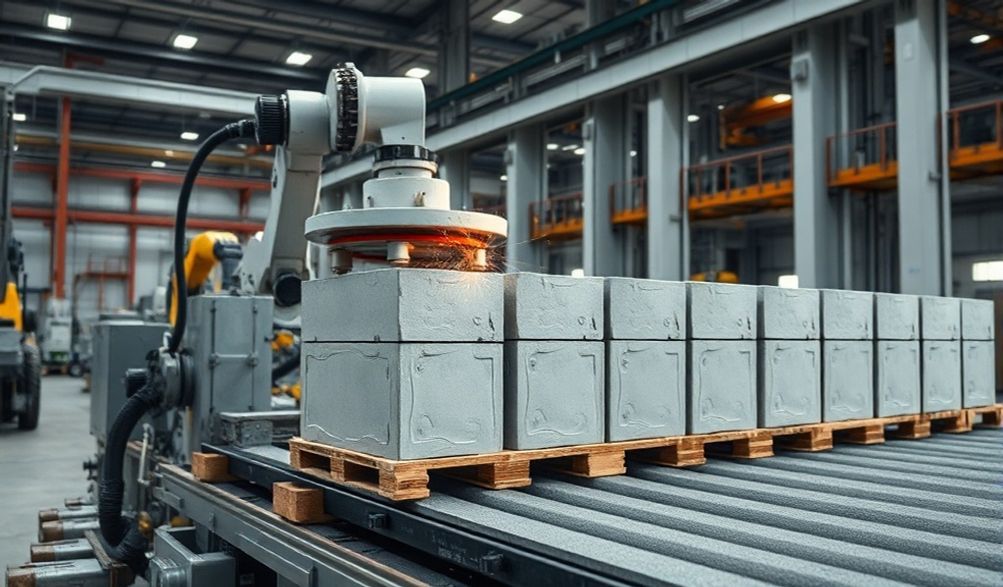
Ultima Ductor ad QT15-15 Automatam Lateris Machinam: Efficientia et Qualitas Denuo Definitae
Introductio
In mundo postulationum aedificationis, perpetua contentio inter celeritatem et qualitatem exsistit. Quomodo productionem auges ut angustis terminis satisfacias, integritatem fundamentalium structurae tuae elementorum—ad litteram—non minuens? Per decennia, fabricantes caementorum laterum, pavimentorum, aliorumque elementorum praeiectorum cum hoc provocatione luctati sunt, saepe invenientes methodos manuales vel semiautomaticas angustias, inconstantias, et imprevisas impensas creare.
Ecce solutio moderna: machina plene automataria ad lateres conficiendos. Inter quas,QT15-15 machina automatica clausuraese in officina laboris norma constituit. Ad productionem mediocrem ad magnam destinatus, saltum significantem in technologia fabricandi repraesentat, quae de output, constantia, redituque investitionis fieri possit denuo definit.
Hic liber universalis ex usu industriae et analysi technicae confectus est. Propositum nostrum est ut ultra elementaria libellos venditionis progrediamur et tibi altam peritamque cognitionem QT15-15 praebeamus. Sive dominus officinae es qui renovationem quaerit, sive societas constructionis quae ad sufficientiam sui tendit, sive negotiator qui mercatum praefabricati ingressurus est, hoc subsidium te scientia instruet ad consilium strategicum et informatum capiendum. Eius mechanismos perscrutabimur, commoda metiemur, et rationes practicas pro felici integratione in operationem tuam delineabimus.
Quid est machina automataria QT15-15 ad caudices faciendos?
In sua essentia, QT15-15 est machina stationaria et plene automataria ad creandos lateres concretos. "QT" nomenclatura seriem machinae typice significat, dum numeri "15-15" saepe mensuras praecipuae efficacitatis denotant, plerumque ad facultatem productionis per cyclum pertinentes. Excogitata est ut materies cruda mixturae concretae in lateres exacte formatos et alta densitate, cum minimo humano interventu, convertat.
Definitio Principalis et Ratio Operandi
QT15-15 ad efficaciam destinatur. Operatur in certo productionis cycli, certum numerum laterum—exempli gratia, quindecim unitates cavi lateris normati 400x200x200mm—quotiens sequentiam suam perficit. Hic cyclus plene automatizatus est, moderatore logico programmabili (PLC) regitur.
Operandi ratio est chorea subtilis virium et praecisionis.
1. Alimentatio:Praeparatum mixtum concretum semisiccum in infundibulum machinae immittitur.
2. Metiens & Formans:Miscella transportatur et in mensuram redigitur in cistam formae positam super mensam vibrationis altae firmitatis.
3. Compressio:Forma impletur, et simul pressio hydraulica desuper et vehemens vibratio deorsum concretum dense comprimit, cavitates aeris removens.
4. Eiectio:Systema hydraulicum formam elevat, relictis recenter formatis laterculis in paleta subiecta.
5. Palletarum Cyclicus Motus:Palletis onerata in vectorem expellitur, et nova munda palletis in locum subicitur, parata ad cyclum proximum.
Claviculae Praecipuae et Munera Earum
Maiora elementa cognoscendo automatismus explicatur:
* Hopper & Systema Alimentans:Reponit et moderatur fluxum mixturae concreti in aream formandam.
* Systema FormaeCor varietatis producti. Formae capsulae mutabiles figuram et magnitudinem finalis lateris (cavi, solidi, pavimenti, etc.) definiunt.
* Tabula et Systema Vibrationis:Suggestus robustus qui formam altis vibrationum frequentiae et amplitudinis subicit. Hoc ad densitatem et firmitatem lateris assequendam magni momenti est.
* Vis Hydraulica Unitatis Provides the immense, controlled pressure needed for compaction and the mechanical force for all moving parts (mold lifting, pallet pushing). Its reliability is paramount.
* Palearium Alimentator et Convector: Automates the supply of empty pallets and the removal of blocks for curing.
* Tabula Moderatoria PLC: The machine’s brain. It automates the entire cycle, allows for adjustments, and can monitor performance. Operators interact primarily through this user-friendly interface.
Technical Specifications and Features of the QT15-15
While specifications can vary slightly by manufacturer, the QT15-15 class of machine adheres to a high-performance profile.
Detailed Performance Metrics
- Productio Capacitas: Approximately 1200-1500 standard hollow blocks (400x200x200mm) per 8-hour shift, depending on cycle time and operational efficiency.
- Potestatis Postulata: Total installed power typically ranges from 30-40 kW, requiring a robust three-phase electrical connection.
- Machinae Dimensiones et Pondus: A substantial industrial machine, often measuring around 6m (L) x 2.5m (W) x 3.5m (H) and weighing several tons, requiring a solid foundation.
- Mensura Paleti & Tempus Cycli: Standard pallet size is usually 1100x550mm. Cycle time can be as fast as 15-20 seconds, demonstrating its rapid production capability.
Advanced Features That Set It Apart
What transforms these specs into a competitive advantage are the engineered features:
* Full PLC Automation: This is the defining feature. Once configured, the machine runs the entire production cycle—mixing feed, vibration, compaction, ejection, and pallet transfer—automatically. It ensures consistent timing and pressure on every single block, eliminating human error and fatigue.
* High-Pressure Vibration System: Not all vibration is equal. The QT15-15 employs a powerful, vertically-directed vibration system under high hydraulic pressure. This dual-force action is what produces blocks with exceptionally low water absorption, high compressive strength (often exceeding industry standards), and a smooth, market-ready surface finish.
* Firmum Systema Hydraulicum: Built with quality pumps, valves, and cylinders, the system ensures smooth, powerful, and repeatable movements. A well-designed hydraulic system means fewer breakdowns and more consistent product quality over years of service.
* Versatile Mold System: The machine’s value is multiplied by its flexibility. By simply changing the mold box, the same QT15-15 can produce a wide range of products:
Lateres cavi (variae crassitudinis)
* Solida latera
* Lapides stratos intertexti
* Margines
* Hortus et topiariae caementa
Primary Benefits and ROI of Investing in a QT15-15
The investment in a QT15-15 is justified by a compelling array of tangible benefits that directly impact your bottom line.
Unmatched Productivity and Consistency
Automation translates to relentless, predictable output. Unlike manual operations, the machine does not slow down, take breaks, or have an “off day.” This allows for accurate production planning, reliable fulfillment of large orders, and the ability to scale your business confidently.
Significae Laboris et Impensarum Redemptiones
While a manual setup might require 6-8 workers for similar output, a well-organized QT15-15 machina automatica clausurae line typically needs only 1-2 operators to monitor the process, feed pallets, and handle cured blocks. This drastic reduction in direct labor costs, coupled with lower long-term costs from reduced waste and rework, creates a powerful cost-per-block advantage.
Superior Product Quality and Strength
The machine’s precision engineering directly creates a superior product:
* Alta Resistensia Compressiva: Essential for structural integrity.
* Dimensio Accurata Ensures blocks fit together perfectly, speeding up masonry work and reducing mortar use.
* Optima Superficies Finis: Provides a visually appealing product that commands better prices in the market.
* Humilis Aquae Absorptio: Increases durability and frost resistance, a key selling point in many climates.
Durability and Low Maintenance Design
Constructed from heavy-duty steel and quality components, the QT15-15 is built for a long service life. Strategic design, such as centralized lubrication points and accessible service panels, makes routine maintenance straightforward, minimizing downtime.
Ideal Applications and Production Setup
Who Should Use the QT15-15?
This machine is not a starter unit. It’s designed for serious production:
* Established Block Making Factories: Looking to upgrade from semi-automatic machines to boost capacity and quality.
* Large Construction Companies: Seeking vertical integration by producing their own blocks for housing projects, commercial complexes, or infrastructure.
* Ambitious Entrepreneurs: Entering the precast concrete market with a scalable, competitive foundation aimed at supplying retailers, contractors, and developers.
Required Ancillary Equipment and Space
The QT15-15 is the centerpiece of a production line. To operate effectively, you will need:
* Materiae Rudis Tractatio: A batching system to proportion cement, aggregate, and sand.
* Miscens: A pan mixer or planetary mixer to produce a consistent, semi-dry concrete mix.
* Curing Infrastructure: Pallets, racks or stackers, and a covered curing area where blocks can gain strength in a controlled, humid environment.
* Res Tractandae: A forklift for moving raw materials and stacks of cured blocks.
* Spatium: A minimum of 500-1000 square meters of covered factory space is recommended to house the machine, raw materials, mixing area, and curing racks efficiently.
Key Considerations Before Purchase
Evaluating Your Production Needs
Conduct a realistic analysis:
* What is your current monthly demand?
* What is your projected growth for the next 3-5 years?
* Do you need the versatility to switch between product types?
Your answers will confirm if the QT15-15’s capacity aligns with your business plan.
Supplier Selection and Machine Quality
This is the most critical decision. Price should not be the sole factor.
* Reputation & Experience: Choose a manufacturer with a proven track record and verifiable customer references.
* Certificationes Qualitatis: Look for ISO or other international quality management certifications.
* Post-Venditio Servitium: This is non-negotiable. Ensure they provide:
* On-site installation and commissioning.
* Comprehensive operator training.
* A clear warranty (12 months or more on core parts).
* Readily available inventory of genuine spare parts.
* Access to technical support.
Cost Analysis and Financing
Consider the Summa Possessionis, not just the invoice price. Factor in shipping, installation, initial spare parts, and training. Compare the ROI from increased production and lower operating costs against this total. Many reputable suppliers offer financing or leasing plans to ease the capital expenditure.
Operational Best Practices and Maintenance
Daily and Weekly Maintenance Checklist
Proactive care prevents major failures:
* Daily: Lubricate all guide rails and moving points as per the manual. Clean excess concrete from the mold, table, and conveyor. Check hydraulic oil levels and for any visible leaks. Inspect electrical connections.
* Weekly: Tighten all bolts and nuts, especially on the vibration table and mold frame. Clean the hydraulic oil filter. Perform a more thorough inspection of wear parts like mold liners and pallet feeder chains.
Troubleshooting Common Issues
- Block Sticking in Mold: Likely caused by insufficient mold release agent, worn mold liners, or improper concrete mix (too wet).
- Surface Imperfections: Can result from a worn mold, incorrect vibration time, or an inconsistent mix.
- Weak Block Strength: Usually points to an issue with the concrete mix design, insufficient vibration pressure, or inadequate curing—not typically a direct machine fault.
Nota Critica: Always refer to the official operation and maintenance manual first. For any complex electrical or hydraulic issue, contact your supplier’s trained technicians. DIY repairs on critical systems can void warranties and cause costly damage.
FAQ Sectio
Q1: What is the exact production output of the QT15-15 per 8-hour shift?
A: Assuming a 20-second cycle time and accounting for minor stoppages, a well-run QT15-15 can produce approximately 1200-1500 pieces of standard 400x200x200mm hollow blocks in an 8-hour shift. Output for solid blocks or pavers will be higher due to shorter cycle times.
Q2: Can the QT15-15 produce interlocking paving blocks?
A: Absolutely. This is one of its key strengths. By installing the appropriate mold, you can seamlessly switch production to various styles and sizes of interlocking pavers, kerbstones, or garden slabs.
Q3: What is the lead time for delivery and installation?
A: Lead times vary significantly based on the manufacturer’s location, production schedule, and your destination. It can range from 30 to 90 days after order confirmation. Always get a written delivery and installation timeline from your supplier.
Q4: How many operators are needed to run this machine?
A: Typically, only 1-2 operators are required. One person can manage the control panel and monitor the machine, while another handles the feeding of empty pallets and the transfer of fresh blocks to the curing area. This highlights its labor-efficient design.
Q5: What kind of after-sales support should I expect from a reliable supplier?
A: You should expect and demand: supervised installation and commissioning, hands-on training for your operators, a comprehensive English manual, a minimum one-year warranty on major components, and a reliable channel for ordering spare parts and accessing remote or on-site technical support.
Conclusio.
TheQT15-15 machina automatica clausurae stands as a testament to how industrial automation can transform a traditional sector. It is far more than just a piece of machinery; it is a strategic asset for any business serious about competing in the modern construction materials market. By delivering an unmatched combination of high-volume output, unwavering quality consistency, and remarkable operational efficiency, it pays for itself through growth and profitability.
Our expert analysis leads to a clear recommendation: for medium and large-scale producers focused on long-term competitiveness, the investment in a high-quality QT15-15 from a reputable manufacturer is a decisive step forward. It future-proofs your production capability and redefines your standard of quality.
Final Call-to-Action: Take the next step with confidence. Use the insights from this guide to engage with certified suppliers. Request detailed quotations, ask for customer references you can contact, and, if possible, arrange to see a live demonstration. Seeing the machine in action is the best way to appreciate its potential for your business.
<