
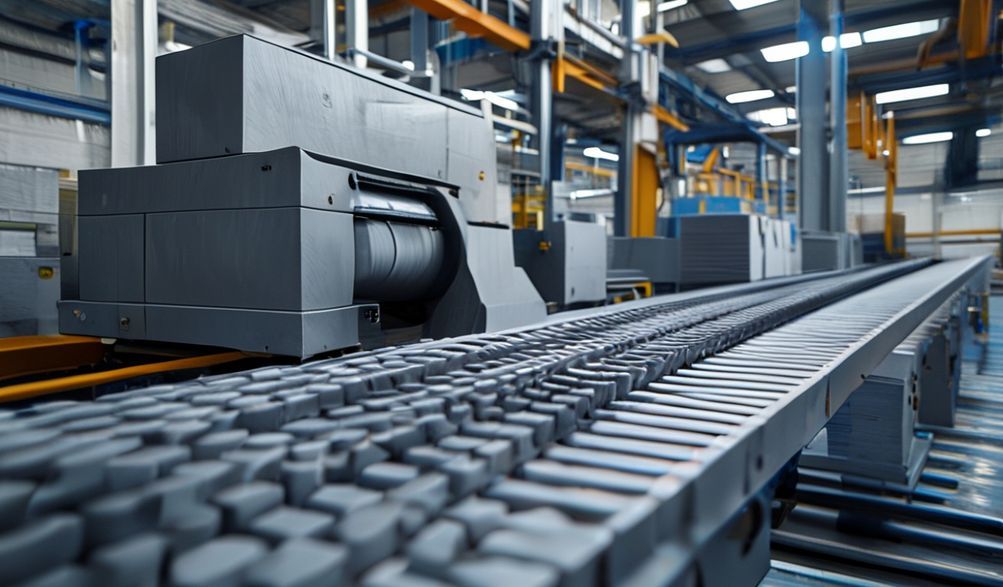
Navigans Mercatum Machinae Concreti Lateris Faciendi: Profunda Exploratio cum Perspectivis e FUDA Officina Laterum Faciendorum
Introductio
Orbis aedificat. Ab rapida urbanizatione emergentium oeconomiarum ad renovationem infrastructurae in nationibus excultis, activitas constructionis globalis in mensura sine exemplo est. In corde huius concretae revolutionis iacet elementum criticum, saepe tamen parum aestimatum: simplex later concretus. Et machinae quae hos lateres producunt sunt occultae machinae progressionis.
Autem, emptoribus, collocatoribus, et artificibus aedificiorum, pervagantibusMachina ad lateres concretos faciendos mercatusOpus formidabile esse potest. Regio variis qualitatis gradibus referta est, technicis specificationibus perplexis et suppeditatoribus quorum promissa non semper cum re congruunt. Cardo difficultatis est compensare impensam initialem cum diuturno reditu investitionis (ROI), simulque fabricatorem invenire qui non solum machinam, sed etiam fidelem societatem praebeat.
Hic peritia refert. Cum plus quam viginti annos excellentiae fabricandae,FUDA Laterariae Figlinaenon modo venditor sed etiam fundamentum peritus in technologia productionis caementorum se constituit. hic articulus experientiam FUDAe in campo et altam scientiam technicam adhibet ut strepitum mercatus transgrediatur.
Propositum nostrum est certum ac doctrinare ductorium praebere. Nos obiective rationem mercatus perspicere, factores criticos in eligendo apparatu dissecare, et futuras inclinationes explorare—omnia per perspectivam probatae industriae consuetudinis. Hoc habeas tuum consilium strategicum ad certam ac fiduciam sententiam capiendam in re implicata.Machina ad lateres concretos faciendos mercatuscum consiliis ab uno ex primoribus lusoribusFUDA lateris conficiendi officina.
Intellectus de Universali Machinae ad Lateres Concretos Faciendos Mercatus Situ
Postulatum machinarum ad lateres conficiendos cum globalibus aedificationis inclinationibus directe coniungitur. Mercatus est necessitate et innovatione impulsus, cuius dynamica intellegere primus gradus est ad emptionem prudentem.
Praesens Mercatus Magnitudo, Inclinationes, et Incrementi Impulsores
Mercatus globalis machinarum ad lateres concretos faciendos incrementum constanter patitur, pluribus validis viribus impulsus:
- Urbanizatio & Postulatum Habitationis:Ingentes incolarum motus in urbes, praesertim in regione Asiae et Pacifici et Africa, inexplebilem postulationem creant pro habitationibus parabilibus et durabilibus. Lateres concreti sunt materia aedificatoria praeoptata, quae machinarum venditiones alit.
- Opera Publica Imperii:In totum orbem terrarum, pecuniae collocatae in viis, pontibus, aedificiis publicis, systematisque aquarum exhauriendarum ingentes quantitates pavimentorum, lapidum marginalium, et laterum cavorum requirunt.
- Automationis Imperativum:Clara transitus est ab opere manuali intensivo ad machinas semiautomaticas et plene automaticas. Hic cursus impellitur necessitate maioris productus, qualitatis constantis, et sumptuum laboris longaevitate imminutorum.
- Foci Regionales:Asia-Pacifica regio est epicentrum alti incrementi, dum America Septentrionalis et Europa matura mercata repraesentant, quae in automationis renovationibus et vetustatis instrumentorum substitutione intendunt.
Praecipua Fori Segmenta et Genera Machinarum
Electio machinae aptae incipit ex intellectu generum. Mercatus late dividitur secundum operationem, genus producti, et magnitudinem.
Per Operationem:
* Machina Manualia: Low-output, labor-intensive, suitable for very small-scale or start-up projects.
* Semiautomaticae Machinae: A balanced choice for small to medium businesses. Some processes like material feeding or block ejection are automated, offering a good mix of productivity and affordability.
* Machinamenta Plena Automata: High-speed, computer-controlled production lines for large-scale plants. They offer maximum output with minimal manual intervention.
* Machinae Mobile Blocci: Self-contained units on trailers, ideal for producing blocks directly on large construction sites, eliminating transport costs.
By Product Output:
* Machinae Laterum Cavorum: The most common type, producing blocks for walls.
* Paver & Interlocking Block Machines: For landscaping, driveways, and road surfaces.
* Curbstone Machines: For manufacturing road edging.
* Machinae Formae Specialis: Capable of producing a variety of decorative or structural elements.
By Output Capacity:
* Parva. Up to 1,000 blocks per 8-hour shift.
* Mediocris: 1,000 to 5,000 blocks per shift.
* Large-scale Industrial Plants: 5,000+ blocks per shift, often fully automated lines.
Challenges Faced by Buyers in the Market
Industry experience shows that buyers commonly face several pitfalls:
* Quality Inconsistencies: Machines with inferior steel, weak vibration systems, or poor hydraulic components fail prematurely.
* After-Sales Service Gaps: A lack of responsive technical support, training, and spare parts availability can halt production for weeks.
* Absconditi Sumptus: The initial price tag is misleading without considering energy consumption, maintenance costs, and the lifespan of wear parts.
* Supplier Reliability: Navigating international trade, verifying manufacturer claims, and ensuring contractual clarity pose significant risks.
The FUDA Brick Making Factory: A Case Study in Expertise and Reliability
In a market rife with challenges, a manufacturer’s pedigree becomes paramount. FUDA Brick Making Factory exemplifies the principles of stability, innovation, and partnership that define a top-tier supplier.
Company Profile: History, Mission, and Manufacturing Philosophy
Founded on the principles of robust engineering and customer success, FUDA has evolved over 20+ years from a specialized workshop into a comprehensive manufacturer. Their mission extends beyond selling machinery; it’s about empowering clients to build sustainable businesses. The core philosophy is partnership—working closely with clients to understand their specific raw materials, production goals, and market demands to recommend the optimal solution. This long-term perspective is a direct reflection of their extensive experientia in seeing client projects through from conception to profitable operation.
Core Product Portfolio and Technological Innovation
FUDA’s product range is built around core models known for durability and adaptability. Their flagship fully automatic block making machines, for instance, often feature:
- Programmable Logic Controller (PLC) Systems: For precise, reliable, and repeatable control over every cycle.
- High-Pressure Hydraulic Systems: Ensuring strong compaction for dense, high-strength blocks.
- Multi-Directional Vibration: A key to uniform block density and smooth surface finish, achieved through carefully calibrated vibration tables and frames.
- Materiae Flexibilitas: Engineered to work efficiently with standard concrete mixes, as well as eco-friendly alternatives like fly ash or crushed recycled aggregate.
This focus on precise engineering demonstrates peritia. For example, the choice of a specific vibration frequency isn’t arbitrary; it’s calculated to achieve optimal particle settlement for the target block strength and curing time, a detail that separates professional-grade equipment from cheaper alternatives.
Quality Assurance and Manufacturing Standards
Trust is built on transparency and proven standards. FUDA’s manufacturing process is designed to ensure every machine meets rigorous criteria:
- Materiae Selectio: Use of high-grade steel plates and internationally sourced components (e.g., Schneider electrics, Siemens PLCs) for critical subsystems.
- Structured QC Process: Dimensional checks at every fabrication stage, followed by full assembly testing and a mandatory trial run under load before dispatch.
- Normae Observantia: While specific certifications like CE for Europe or local standards are applied per market requirements, the underlying manufacturing discipline focuses on safety, operational reliability, and performance consistency.
This unwavering commitment to quality control is the foundation of their fides, giving buyers confidence in the machine’s longevity and performance.
Critical Factors for Choosing a Concrete Block Machine Supplier
Armed with market knowledge and an example of a quality manufacturer, how do you evaluate suppliers? Look beyond the brochure and focus on these critical, often overlooked, factors.
Beyond Price: Evaluating Total Cost of Ownership (TCO)
The cheapest machine is often the most expensive in the long run. A savvy investment analysis considers:
- Investitio Initialis: Purchase price, shipping, and installation.
- Sumptus operandi: Daily energy (electricity) consumption, which varies greatly between efficient and inefficient hydraulic/vibration systems.
- Maintenance & Parts: The cost and availability of wear parts like mold liners, mixer blades, and hydraulic seals. A robust machine needs fewer replacements.
- Output Consistency & Downtime: A reliable machine with high uptime produces more sellable blocks, directly impacting revenue.
- Machina Vita A well-built machine from a supplier like FUDA can operate for 15-20 years with proper maintenance, while a poor-quality machine may need major overhauls in half that time.
Subsidium Technicum, Institutio, et Servitium Post Venditionem
This is where manufacturers truly differentiate themselves. Essential support includes:
- Pre-Sales Engineering Consultation: Helping you select the right model and configuration.
- Documentatio Comprehensiva: Clear, illustrated user and maintenance manuals.
- On-Site or Virtual Training: Ensuring your operators understand safe and efficient machine operation.
- Ecosystem Partium Substitutarum: A readily available inventory of critical spare parts with clear diagrams and part numbers.
- Responsiva Subsidia Technica: Access to engineers who can troubleshoot issues remotely or guide on-site technicians.
A manufacturer’s commitment here is a direct indicator of their partnership ethos.
Assessing Production Capacity and Scalability Needs
Mismatched capacity is a common error. To avoid it:
* Computa Demandum Veram. Analyze your current and projected block sales, don’t just guess.
* Understand Shift Patterns: Can the machine run 8, 16, or 24 hours? What output does it deliver per hour at a sustainable pace?
* Consilium Incrementi: Does the supplier offer a path to scale? For instance, can a semi-automatic line be upgraded later, or can you add auxiliary equipment (like automatic pallet feeders or cube stackers) to your FUDA machine to increase plant throughput?
The Future of Block Production: Sustainability and Automation
The industry is not static. Forward-thinking buyers are aligning their investments with two dominant megatrends.
Eco-Friendly Practices in Block Manufacturing
Sustainability is becoming a competitive and regulatory advantage. Modern machines and plants support this shift by:
- Utilizing Alternative Materials: Advanced block machines can effectively use industrial by-products like fly ash (from coal plants) or slag, and recycled aggregates from crushed construction waste.
- Reducing Resource Consumption: Incorporating water recycling systems in batching plants and designing machines for optimal material use with minimal waste.
- Energy-Efficient Design: Newer generation machines feature variable-speed drives and optimized hydraulic cycles that significantly reduce power consumption.
The Rise of Smart and Fully Automated Production Lines
Automation is evolving into “smart” production. The next generation involves:
- IoT-Enabled Monitoring: Sensors on machines can transmit real-time data on production counts, machine health, and maintenance alerts to a manager’s smartphone or central dashboard.
- Praedictiva Sustentatio: The system analyzes data to predict component failures before they happen, scheduling maintenance during planned downtime.
- Turnkey Plant Solutions: Fully integrated lines from raw material handling, through automatic mixing and block making, to curing and stacking, all controlled by a central system for maximum efficiency.
Interrogationes Saepius Petitae (ISP)
Q1: What is the average starting investment for a semi-automatic concrete block making machine?
A: Prices vary widely based on capacity, configuration, and level of automation. A robust semi-automatic system suitable for a small business can range from approximately $15,000 to $50,000. It’s crucial to consult directly with factories like FUDA for a precise quote based on your specific output requirements and local conditions.
Q2: How do I choose between a stationary and a mobile block making machine?
A: The choice depends entirely on your business model. Choose a mobile machine if your primary work involves large, single-site projects (e.g., building a remote housing complex) where transporting finished blocks is costly. Choose a stationary plant if you supply a local market from a fixed location, aiming for higher, more consistent volume production.
Q3: What kind of after-sales support should I expect from a reputable manufacturer like FUDA?
A: You should expect a comprehensive support package: detailed installation drawings and manuals, the option for supervised installation, thorough operator training (on-site or at the factory), a clear warranty on parts and workmanship, and most importantly, a reliable supply chain for genuine spare parts with technical guidance for their replacement.
Q4: Can your machines produce different block sizes and shapes?
A: Yes, industrial-grade block machines are designed for versatility. They use interchangeable molds. A single FUDA machine can produce hundreds of different block, paver, or curbstone designs by simply changing the mold box. Many manufacturers, including FUDA, also offer custom mold design services for unique products.
Q5: What are the key maintenance routines for ensuring machine longevity?
A: Daily and weekly routines are critical. This includes cleaning excess concrete after every shift, checking and lubricating all moving parts (bearings, guide rods), inspecting hydraulic hoses for leaks, and ensuring vibration motors are securely fastened. Following the manufacturer’s scheduled maintenance plan for greasing, oil changes, and system checks is non-negotiable for maximizing machine life.
Conclusio.
Navigating the concrete block making machine market successfully hinges on moving beyond a simple price comparison. It requires a strategic focus on Total Cost of Ownership, the quality of technical and after-sales support, and the proven expertise of your chosen partner.
Throughout this exploration, FUDA Laterariae Figlinae has been presented as an embodiment of the principles that mitigate market risks: deep experientia, technical peritia, and a transparent, fidus partnership approach. They represent the caliber of supplier that turns a capital equipment purchase into a long-term asset for your business.
The future of construction is efficient, sustainable, and smart. Your choice of block production equipment should align with that vision.
Ready to translate this knowledge into action? For a detailed consultation tailored to your specific production goals and a clear analysis of your ROI, reach out to the engineering team at FUDA Brick Making Factory. Let their expertise help you build the foundation for your success.
<