
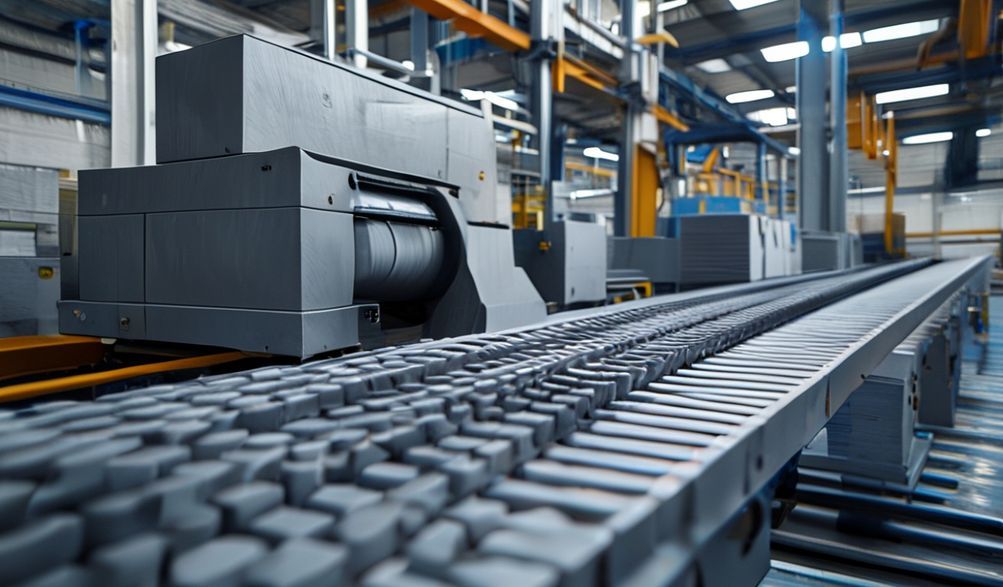
การสำรวจตลาดเครื่องผลิตคอนกรีตบล็อก: วิเคราะห์เจาะลึกพร้อมข้อมูลเชิงลึกจากโรงงานผลิตอิฐฟู่ต้า
บทนำ
โลกกำลังก่อสร้าง ตั้งแต่การขยายตัวของเมืองอย่างรวดเร็วในเศรษฐกิจเกิดใหม่ ไปจนถึงการปรับปรุงโครงสร้างพื้นฐานในประเทศพัฒนาแล้ว กิจกรรมการก่อสร้างทั่วโลกมีอยู่ในระดับที่ไม่เคยปรากฏมาก่อน หัวใจของการปฏิวัติคอนกรีตนี้คือส่วนประกอบที่สำคัญแต่มักไม่ได้รับความสนใจเพียงพอ นั่นก็คือบล็อกคอนกรีตพื้นๆ และเครื่องจักรที่ผลิตบล็อกเหล่านี้คือเครื่องยนต์ที่ขับเคลื่อนการพัฒนาอย่างเงียบๆ
อย่างไรก็ตาม สำหรับผู้ซื้อ นักลงทุน และผู้เชี่ยวชาญด้านการก่อสร้าง การดำเนินการในตลาดเครื่องทำบล็อกคอนกรีตอาจเป็นงานที่ท้าทายอย่างยิ่ง ภูมิทัศน์เต็มไปด้วยคุณภาพที่หลากหลาย ข้อมูลจำเพาะทางเทคนิคที่ซับซ้อน และซัพพลายเออร์ที่คำมั่นสัญญามักไม่สอดคล้องกับความเป็นจริง ความท้าทายหลักคือการสร้างสมดุลระหว่างต้นทุนเริ่มต้นกับผลตอบแทนจากการลงทุนในระยะยาว ขณะเดียวกันก็ต้องหาผู้ผลิตที่ไม่ได้เสนอแค่เครื่องจักร แต่เป็นหุ้นส่วนทางธุรกิจที่เชื่อถือได้
นี่คือจุดที่ความเชี่ยวชาญสำคัญ ด้วยประสบการณ์การผลิตที่ยอดเยี่ยมกว่า 2 ทศวรรษโรงงานผลิตอิฐฟูดาได้สร้างตัวเองขึ้นมาไม่เพียงเป็นผู้ขาย แต่เป็นผู้เชี่ยวชาญพื้นฐานในเทคโนโลยีการผลิตบล็อก บทความนี้ใช้ประโยชน์จากประสบการณ์จริงและความรู้ทางเทคนิคเชิงลึกของ FUDA เพื่อเจาะผ่านความสับสนวุ่นวายในตลาด
จุดประสงค์ของเราคือการนำเสนอแนวทางที่เชื่อถือได้และให้ความรู้ เราจะวิเคราะห์ภาพรวมของตลาดอย่างเป็นกลาง แยกแยะปัจจัยสำคัญในการเลือกอุปกรณ์ และสำรวจแนวโน้มในอนาคต ทั้งหมดผ่านมุมมองของแนวปฏิบัติที่ได้รับการพิสูจน์แล้วในอุตสาหกรรม นี่คือพิมพ์เขียวเชิงกลยุทธ์สำหรับการตัดสินใจอย่างรอบรู้และมั่นใจในความซับซ้อนตลาดเครื่องทำบล็อกคอนกรีตด้วยข้อมูลเชิงลึกจากผู้มีบทบาทสำคัญเช่นโรงงานผลิตอิฐฟูดา.
ทำความเข้าใจภูมิทัศน์ของตลาดเครื่องผลิตบล็อกคอนกรีตทั่วโลก
ความต้องการเครื่องจักรผลิตบล็อกผูกโยงโดยตรงกับแนวโน้มการก่อสร้างทั่วโลก นี่คือตลาดที่ขับเคลื่อนด้วยความจำเป็นและนวัตกรรม ซึ่งการทำความเข้าใจพลวัตของมันคือก้าวแรกสู่การซื้ออย่างชาญฉลาด
ขนาดตลาดปัจจุบัน แนวโน้ม และปัจจัยขับเคลื่อนการเติบโต
ตลาดเครื่องจักรผลิตบล็อกคอนกรีตทั่วโลกกำลังเติบโตอย่างมั่นคง ถูกขับเคลื่อนด้วยแรงผลักดันสำคัญหลายประการ
- การขยายตัวของเมืองและความต้องการที่อยู่อาศัยการย้ายถิ่นฐานจำนวนมหาศาลสู่เมือง โดยเฉพาะในภูมิภาคเอเชียแปซิฟิกและแอฟริกา ก่อให้เกิดความต้องการที่อยู่อาศัยราคาย่อมเยาและทนทานอย่างไม่มีที่สิ้นสุด บล็อกคอนกรีตเป็นวัสดุก่อสร้างที่ได้รับความนิยม ส่งผลให้ยอดขายเครื่องจักรเพิ่มขึ้น
- โครงการโครงสร้างพื้นฐานของรัฐบาลการลงทุนในถนน สะพาน อาคารสาธารณะ และระบบระบายน้ำทั่วโลก ต้องการแผ่นพื้นปูถนน หินขอบทาง และบล็อกคอนกรีตหล่อลอยจำนวนมหาศาล
- ความจำเป็นในการใช้ระบบอัตโนมัติ:มีการเปลี่ยนแปลงที่ชัดเจนจากการผลิตด้วยแรงงานคนที่ใช้แรงงานเข้มข้นไปสู่เครื่องจักรกึ่งอัตโนมัติและอัตโนมัติเต็มรูปแบบ แนวโน้มนี้ถูกขับเคลื่อนโดยความต้องการผลผลิตที่สูงขึ้น คุณภาพที่สม่ำเสมอ และการลดต้นทุนแรงงานในระยะยาว
- จุดร้อนในระดับภูมิภาคภูมิภาคเอเชียแปซิฟิกเป็นศูนย์กลางของการเติบโตสูง ในขณะที่อเมริกาเหนือและยุโรปเป็นตลาดที่เติบโตเต็มที่แล้ว โดยมุ่งเน้นที่การอัปเกรดระบบอัตโนมัติและการเปลี่ยนอุปกรณ์ที่ล้าสมัย
กลุ่มตลาดหลักและประเภทเครื่องจักร
การเลือกเครื่องจักรที่เหมาะสมเริ่มต้นจากการทำความเข้าใจประเภทต่างๆ ตลาดมีการแบ่งส่วนอย่างกว้างขวางตามการดำเนินงาน ประเภทผลิตภัณฑ์ และขนาด
ตามการดำเนินงาน
* เครื่องจักรที่ใช้แรงคน Low-output, labor-intensive, suitable for very small-scale or start-up projects.
* เครื่องจักรกึ่งอัตโนมัติ: A balanced choice for small to medium businesses. Some processes like material feeding or block ejection are automated, offering a good mix of productivity and affordability.
* เครื่องจักรอัตโนมัติสมบูรณ์แบบ: High-speed, computer-controlled production lines for large-scale plants. They offer maximum output with minimal manual intervention.
* เครื่องอัดบล็อกเคลื่อนที่: Self-contained units on trailers, ideal for producing blocks directly on large construction sites, eliminating transport costs.
ตามผลผลิตที่ได้
* เครื่องผลิตบล็อกคอนกรีต: The most common type, producing blocks for walls.
* เครื่องปูพื้นและเครื่องผลิตบล็อคประสาน For landscaping, driveways, and road surfaces.
* Curbstone Machines: For manufacturing road edging.
* Special Shape Machines: Capable of producing a variety of decorative or structural elements.
By Output Capacity:
* ขนาดเล็ก Up to 1,000 blocks per 8-hour shift.
* ขนาดกลาง 1,000 to 5,000 blocks per shift.
* Large-scale Industrial Plants: 5,000+ blocks per shift, often fully automated lines.
Challenges Faced by Buyers in the Market
Industry experience shows that buyers commonly face several pitfalls:
* Quality Inconsistencies: Machines with inferior steel, weak vibration systems, or poor hydraulic components fail prematurely.
* After-Sales Service Gaps: A lack of responsive technical support, training, and spare parts availability can halt production for weeks.
* ค่าใช้จ่ายแฝง: The initial price tag is misleading without considering energy consumption, maintenance costs, and the lifespan of wear parts.
* Supplier Reliability: Navigating international trade, verifying manufacturer claims, and ensuring contractual clarity pose significant risks.
The FUDA Brick Making Factory: A Case Study in Expertise and Reliability
In a market rife with challenges, a manufacturer’s pedigree becomes paramount. FUDA Brick Making Factory exemplifies the principles of stability, innovation, and partnership that define a top-tier supplier.
Company Profile: History, Mission, and Manufacturing Philosophy
Founded on the principles of robust engineering and customer success, FUDA has evolved over 20+ years from a specialized workshop into a comprehensive manufacturer. Their mission extends beyond selling machinery; it’s about empowering clients to build sustainable businesses. The core philosophy is partnership—working closely with clients to understand their specific raw materials, production goals, and market demands to recommend the optimal solution. This long-term perspective is a direct reflection of their extensive ประสบการณ์ in seeing client projects through from conception to profitable operation.
Core Product Portfolio and Technological Innovation
FUDA’s product range is built around core models known for durability and adaptability. Their flagship fully automatic block making machines, for instance, often feature:
- ระบบควบคุมลอจิกแบบโปรแกรมได้ (PLC) For precise, reliable, and repeatable control over every cycle.
- ระบบไฮดรอลิกความดันสูง: Ensuring strong compaction for dense, high-strength blocks.
- Multi-Directional Vibration: A key to uniform block density and smooth surface finish, achieved through carefully calibrated vibration tables and frames.
- ความยืดหยุ่นของวัสดุ Engineered to work efficiently with standard concrete mixes, as well as eco-friendly alternatives like fly ash or crushed recycled aggregate.
This focus on precise engineering demonstrates ความเชี่ยวชาญ. For example, the choice of a specific vibration frequency isn’t arbitrary; it’s calculated to achieve optimal particle settlement for the target block strength and curing time, a detail that separates professional-grade equipment from cheaper alternatives.
Quality Assurance and Manufacturing Standards
Trust is built on transparency and proven standards. FUDA’s manufacturing process is designed to ensure every machine meets rigorous criteria:
- การเลือกวัสดุ Use of high-grade steel plates and internationally sourced components (e.g., Schneider electrics, Siemens PLCs) for critical subsystems.
- Structured QC Process: Dimensional checks at every fabrication stage, followed by full assembly testing and a mandatory trial run under load before dispatch.
- Adherence to Standards: While specific certifications like CE for Europe or local standards are applied per market requirements, the underlying manufacturing discipline focuses on safety, operational reliability, and performance consistency.
This unwavering commitment to quality control is the foundation of their ความน่าเชื่อถือ, giving buyers confidence in the machine’s longevity and performance.
Critical Factors for Choosing a Concrete Block Machine Supplier
Armed with market knowledge and an example of a quality manufacturer, how do you evaluate suppliers? Look beyond the brochure and focus on these critical, often overlooked, factors.
Beyond Price: Evaluating Total Cost of Ownership (TCO)
The cheapest machine is often the most expensive in the long run. A savvy investment analysis considers:
- เงินลงทุนเริ่มแรก Purchase price, shipping, and installation.
- ค่าใช้จ่ายในการดำเนินงาน Daily energy (electricity) consumption, which varies greatly between efficient and inefficient hydraulic/vibration systems.
- Maintenance & Parts: The cost and availability of wear parts like mold liners, mixer blades, and hydraulic seals. A robust machine needs fewer replacements.
- Output Consistency & Downtime: A reliable machine with high uptime produces more sellable blocks, directly impacting revenue.
- อายุการใช้งานของเครื่องจักร A well-built machine from a supplier like FUDA can operate for 15-20 years with proper maintenance, while a poor-quality machine may need major overhauls in half that time.
Technical Support, Training, and After-Sales Service
This is where manufacturers truly differentiate themselves. Essential support includes:
- Pre-Sales Engineering Consultation: Helping you select the right model and configuration.
- Comprehensive Documentation: Clear, illustrated user and maintenance manuals.
- On-Site or Virtual Training: Ensuring your operators understand safe and efficient machine operation.
- ระบบนิเวศอะไหล่ A readily available inventory of critical spare parts with clear diagrams and part numbers.
- Responsive Technical Support: Access to engineers who can troubleshoot issues remotely or guide on-site technicians.
A manufacturer’s commitment here is a direct indicator of their partnership ethos.
Assessing Production Capacity and Scalability Needs
Mismatched capacity is a common error. To avoid it:
* คำนวณความต้องการจริง Analyze your current and projected block sales, don’t just guess.
* Understand Shift Patterns: Can the machine run 8, 16, or 24 hours? What output does it deliver per hour at a sustainable pace?
* แผนการเติบโต Does the supplier offer a path to scale? For instance, can a semi-automatic line be upgraded later, or can you add auxiliary equipment (like automatic pallet feeders or cube stackers) to your FUDA machine to increase plant throughput?
The Future of Block Production: Sustainability and Automation
The industry is not static. Forward-thinking buyers are aligning their investments with two dominant megatrends.
Eco-Friendly Practices in Block Manufacturing
Sustainability is becoming a competitive and regulatory advantage. Modern machines and plants support this shift by:
- Utilizing Alternative Materials: Advanced block machines can effectively use industrial by-products like fly ash (from coal plants) or slag, and recycled aggregates from crushed construction waste.
- Reducing Resource Consumption: Incorporating water recycling systems in batching plants and designing machines for optimal material use with minimal waste.
- Energy-Efficient Design: Newer generation machines feature variable-speed drives and optimized hydraulic cycles that significantly reduce power consumption.
The Rise of Smart and Fully Automated Production Lines
Automation is evolving into “smart” production. The next generation involves:
- IoT-Enabled Monitoring: Sensors on machines can transmit real-time data on production counts, machine health, and maintenance alerts to a manager’s smartphone or central dashboard.
- Predictive Maintenance: The system analyzes data to predict component failures before they happen, scheduling maintenance during planned downtime.
- Turnkey Plant Solutions: Fully integrated lines from raw material handling, through automatic mixing and block making, to curing and stacking, all controlled by a central system for maximum efficiency.
คำถามที่พบบ่อย (FAQ)
Q1: What is the average starting investment for a semi-automatic concrete block making machine?
ก Prices vary widely based on capacity, configuration, and level of automation. A robust semi-automatic system suitable for a small business can range from approximately $15,000 to $50,000. It’s crucial to consult directly with factories like FUDA for a precise quote based on your specific output requirements and local conditions.
Q2: How do I choose between a stationary and a mobile block making machine?
ก The choice depends entirely on your business model. Choose a mobile machine if your primary work involves large, single-site projects (e.g., building a remote housing complex) where transporting finished blocks is costly. Choose a stationary plant if you supply a local market from a fixed location, aiming for higher, more consistent volume production.
Q3: What kind of after-sales support should I expect from a reputable manufacturer like FUDA?
ก You should expect a comprehensive support package: detailed installation drawings and manuals, the option for supervised installation, thorough operator training (on-site or at the factory), a clear warranty on parts and workmanship, and most importantly, a reliable supply chain for genuine spare parts with technical guidance for their replacement.
Q4: Can your machines produce different block sizes and shapes?
ก Yes, industrial-grade block machines are designed for versatility. They use interchangeable molds. A single FUDA machine can produce hundreds of different block, paver, or curbstone designs by simply changing the mold box. Many manufacturers, including FUDA, also offer custom mold design services for unique products.
Q5: What are the key maintenance routines for ensuring machine longevity?
ก Daily and weekly routines are critical. This includes cleaning excess concrete after every shift, checking and lubricating all moving parts (bearings, guide rods), inspecting hydraulic hoses for leaks, and ensuring vibration motors are securely fastened. Following the manufacturer’s scheduled maintenance plan for greasing, oil changes, and system checks is non-negotiable for maximizing machine life.
สรุป
Navigating the concrete block making machine market successfully hinges on moving beyond a simple price comparison. It requires a strategic focus on Total Cost of Ownership, the quality of technical and after-sales support, and the proven expertise of your chosen partner.
Throughout this exploration, โรงงานผลิตอิฐฟูดา has been presented as an embodiment of the principles that mitigate market risks: deep ประสบการณ์, technical ความเชี่ยวชาญ, and a transparent, น่าเชื่อถือ partnership approach. They represent the caliber of supplier that turns a capital equipment purchase into a long-term asset for your business.
The future of construction is efficient, sustainable, and smart. Your choice of block production equipment should align with that vision.
Ready to translate this knowledge into action? For a detailed consultation tailored to your specific production goals and a clear analysis of your ROI, reach out to the engineering team at FUDA Brick Making Factory. Let their expertise help you build the foundation for your success.
<