
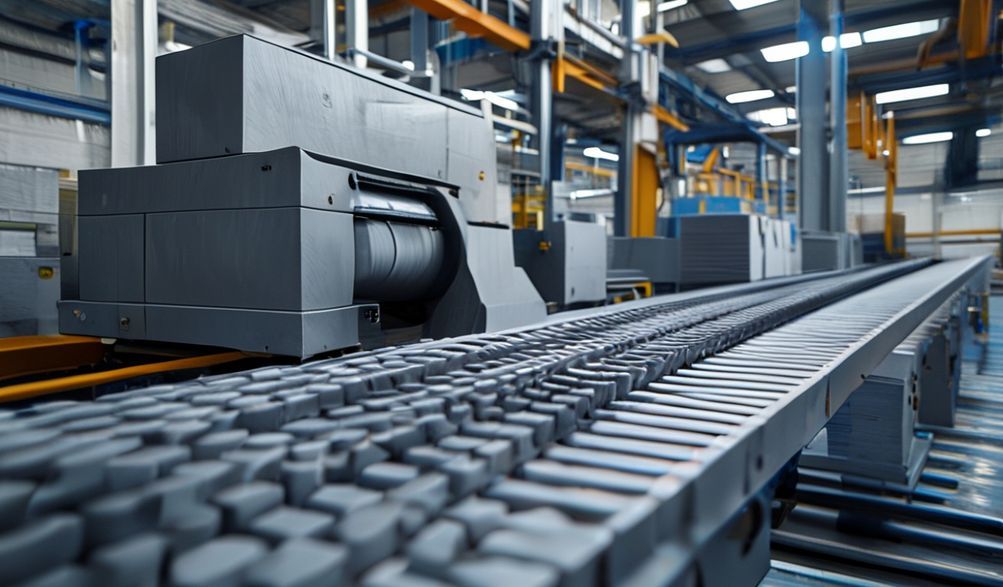
ການນຳທາງໃນຕະຫຼາດເຄື່ອງຈັກຜະລິດຄອນກຣີດ: ການຄົ້ນຫາຢ່າງເລິກເຊິ່ງພ້ອມດ້ວຍຄວາມເຂົ້າໃຈຈາກໂຮງງານຜະລິດດິນຈີ່ FUDA
ການແນະນຳ
The world is building. From the rapid urbanization of emerging economies to the infrastructure renewal in developed nations, global construction activity is at an unprecedented scale. At the heart of this concrete revolution lies a critical, yet often underappreciated, component: the humble concrete block. And the machines that produce these blocks are the unsung engines of development.
ຢ່າງໃດກໍຕາມ, ສຳລັບຜູ້ຊື້, ນັກລົງທຶນ, ແລະຜູ້ຊ່ຽວຊານດ້ານການກໍ່ສ້າງ, ການທີ່ຈະທ່ອງທ່ຽວໃນຕະຫຼາດອະສັງຫາລິມະຊັບຕະຫຼາດເຄື່ອງຈັກຜະລິດຄອນກຣີດບລັອກ can be a daunting task. The landscape is filled with varying levels of quality, confusing technical specifications, and suppliers whose promises don’t always match reality. The core challenge is balancing upfront cost with long-term return on investment (ROI) while finding a manufacturer that offers not just a machine, but a reliable partnership.
ນີ້ແມ່ນບ່ອນທີ່ຄວາມຊ່ຽວຊານມີຄວາມສຳຄັນ. ດ້ວຍປະສົບການການຜະລິດທີ່ດີເລີດເກືອບສອງທົດສະວັດ,ບໍລິສັດຜະລິດດິນຈີ່ ຟູດາໄດ້ສ້າງຕົວຕົນບໍ່ພຽງແຕ່ເປັນຜູ້ຂາຍ, ແຕ່ເປັນຜູ້ຊ່ຽວຊານພື້ນຖານໃນເຕັກໂນໂລຊີການຜະລິດບລັອກ. ບົດຄວາມນີ້ໃຊ້ປະສົບການພື້ນຖານ ແລະ ຄວາມຮູ້ດ້ານເຕັກນິກທີ່ເລິກເຊິ່ງຂອງ FUDA ເພື່ອຕັດຜ່ານສິ່ງລົບກວນໃນຕະຫຼາດ.
Our purpose is to provide a trustworthy, educational guide. We will objectively analyze the market landscape, dissect the critical factors in choosing equipment, and explore future trends—all through the lens of proven industry practice. Consider this your strategic blueprint for making an informed, confident decision in the complex ຕະຫຼາດເຄື່ອງຈັກຜະລິດຄອນກຣີດບລັອກ, with insights from a key player like ບໍລິສັດຜະລິດດິນຈີ່ຟູດາ.
Understanding the Global Concrete Block Making Machine Market Landscape
The demand for block making machinery is directly tied to global construction trends. It’s a market driven by necessity and innovation, where understanding its dynamics is the first step to a smart purchase.
Current Market Size, Trends, and Growth Drivers
The global market for concrete block making machines is experiencing steady growth, propelled by several powerful forces:
- Urbanization & Housing Demand: Massive population shifts to cities, particularly in Asia-Pacific and Africa, are creating an insatiable demand for affordable, durable housing. Concrete blocks are a preferred building material, fueling machine sales.
- ໂຄງການໂຄງລ່າງພື້ນຖານຂອງລັດຖະບານ: Investments in roads, bridges, public buildings, and drainage systems worldwide require vast quantities of pavers, curbstones, and hollow blocks.
- The Automation Imperative: There is a clear shift from labor-intensive manual production to semi and fully automatic machines. This trend is driven by the need for higher output, consistent quality, and reduced long-term labor costs.
- Regional Hotspots: The Asia-Pacific region is the high-growth epicenter, while North America and Europe represent mature markets focused on automation upgrades and replacement of aging equipment.
Key Market Segments and Machine Types
Choosing the right machine starts with understanding the categories. The market is broadly segmented by operation, product type, and scale.
By Operation:
* ຈັກກົນມື: Low-output, labor-intensive, suitable for very small-scale or start-up projects.
* ເຄື່ອງຈັກກົງເຄື່ອງກາງ: A balanced choice for small to medium businesses. Some processes like material feeding or block ejection are automated, offering a good mix of productivity and affordability.
* ເຄື່ອງຈັກອັດຕະໂນມັດເຕັມຮູບແບບ High-speed, computer-controlled production lines for large-scale plants. They offer maximum output with minimal manual intervention.
* ເຄື່ອງຈົກຕັນມືຖື Self-contained units on trailers, ideal for producing blocks directly on large construction sites, eliminating transport costs.
By Product Output:
* Hollow Block Machines: The most common type, producing blocks for walls.
* Paver & Interlocking Block Machines: For landscaping, driveways, and road surfaces.
* Curbstone Machines: For manufacturing road edging.
* Special Shape Machines: Capable of producing a variety of decorative or structural elements.
By Output Capacity:
* ຂະໜາດນ້ອຍ: Up to 1,000 blocks per 8-hour shift.
* ຂະໜາດກາງ: 1,000 to 5,000 blocks per shift.
* Large-scale Industrial Plants: 5,000+ blocks per shift, often fully automated lines.
Challenges Faced by Buyers in the Market
Industry experience shows that buyers commonly face several pitfalls:
* Quality Inconsistencies: Machines with inferior steel, weak vibration systems, or poor hydraulic components fail prematurely.
* After-Sales Service Gaps: A lack of responsive technical support, training, and spare parts availability can halt production for weeks.
* Hidden Costs: The initial price tag is misleading without considering energy consumption, maintenance costs, and the lifespan of wear parts.
* Supplier Reliability: Navigating international trade, verifying manufacturer claims, and ensuring contractual clarity pose significant risks.
The FUDA Brick Making Factory: A Case Study in Expertise and Reliability
In a market rife with challenges, a manufacturer’s pedigree becomes paramount. FUDA Brick Making Factory exemplifies the principles of stability, innovation, and partnership that define a top-tier supplier.
Company Profile: History, Mission, and Manufacturing Philosophy
Founded on the principles of robust engineering and customer success, FUDA has evolved over 20+ years from a specialized workshop into a comprehensive manufacturer. Their mission extends beyond selling machinery; it’s about empowering clients to build sustainable businesses. The core philosophy is partnership—working closely with clients to understand their specific raw materials, production goals, and market demands to recommend the optimal solution. This long-term perspective is a direct reflection of their extensive ປະສົບການ in seeing client projects through from conception to profitable operation.
Core Product Portfolio and Technological Innovation
FUDA’s product range is built around core models known for durability and adaptability. Their flagship fully automatic block making machines, for instance, often feature:
- Programmable Logic Controller (PLC) Systems: For precise, reliable, and repeatable control over every cycle.
- ລະບົບໄຮໂດຼລິກຄວາມດັນສູງ: Ensuring strong compaction for dense, high-strength blocks.
- Multi-Directional Vibration: A key to uniform block density and smooth surface finish, achieved through carefully calibrated vibration tables and frames.
- ຄວາມຍືດຫຍຸ່ນຂອງວັດສະດຸ Engineered to work efficiently with standard concrete mixes, as well as eco-friendly alternatives like fly ash or crushed recycled aggregate.
This focus on precise engineering demonstrates ຄວາມຊ່ຽວຊານ. For example, the choice of a specific vibration frequency isn’t arbitrary; it’s calculated to achieve optimal particle settlement for the target block strength and curing time, a detail that separates professional-grade equipment from cheaper alternatives.
Quality Assurance and Manufacturing Standards
Trust is built on transparency and proven standards. FUDA’s manufacturing process is designed to ensure every machine meets rigorous criteria:
- Material Selection: Use of high-grade steel plates and internationally sourced components (e.g., Schneider electrics, Siemens PLCs) for critical subsystems.
- Structured QC Process: Dimensional checks at every fabrication stage, followed by full assembly testing and a mandatory trial run under load before dispatch.
- Adherence to Standards: While specific certifications like CE for Europe or local standards are applied per market requirements, the underlying manufacturing discipline focuses on safety, operational reliability, and performance consistency.
This unwavering commitment to quality control is the foundation of their ຄວາມເຊື່ອຖືໄດ້, giving buyers confidence in the machine’s longevity and performance.
Critical Factors for Choosing a Concrete Block Machine Supplier
Armed with market knowledge and an example of a quality manufacturer, how do you evaluate suppliers? Look beyond the brochure and focus on these critical, often overlooked, factors.
Beyond Price: Evaluating Total Cost of Ownership (TCO)
The cheapest machine is often the most expensive in the long run. A savvy investment analysis considers:
- Initial Investment: Purchase price, shipping, and installation.
- ຄ່າໃຊ້ຈ່າຍດ້ານການດຳເນີນງານ: Daily energy (electricity) consumption, which varies greatly between efficient and inefficient hydraulic/vibration systems.
- Maintenance & Parts: The cost and availability of wear parts like mold liners, mixer blades, and hydraulic seals. A robust machine needs fewer replacements.
- Output Consistency & Downtime: A reliable machine with high uptime produces more sellable blocks, directly impacting revenue.
- ອາຍຸການໃຊ້ງານຂອງເຄື່ອງຈັກ A well-built machine from a supplier like FUDA can operate for 15-20 years with proper maintenance, while a poor-quality machine may need major overhauls in half that time.
Technical Support, Training, and After-Sales Service
This is where manufacturers truly differentiate themselves. Essential support includes:
- Pre-Sales Engineering Consultation: Helping you select the right model and configuration.
- Comprehensive Documentation: Clear, illustrated user and maintenance manuals.
- On-Site or Virtual Training: Ensuring your operators understand safe and efficient machine operation.
- Spare Parts Ecosystem: A readily available inventory of critical spare parts with clear diagrams and part numbers.
- Responsive Technical Support: Access to engineers who can troubleshoot issues remotely or guide on-site technicians.
A manufacturer’s commitment here is a direct indicator of their partnership ethos.
Assessing Production Capacity and Scalability Needs
Mismatched capacity is a common error. To avoid it:
* ການຄຳນວນຄວາມຕ້ອງການຕົວຈິງ Analyze your current and projected block sales, don’t just guess.
* Understand Shift Patterns: Can the machine run 8, 16, or 24 hours? What output does it deliver per hour at a sustainable pace?
* Plan for Growth: Does the supplier offer a path to scale? For instance, can a semi-automatic line be upgraded later, or can you add auxiliary equipment (like automatic pallet feeders or cube stackers) to your FUDA machine to increase plant throughput?
The Future of Block Production: Sustainability and Automation
The industry is not static. Forward-thinking buyers are aligning their investments with two dominant megatrends.
Eco-Friendly Practices in Block Manufacturing
Sustainability is becoming a competitive and regulatory advantage. Modern machines and plants support this shift by:
- Utilizing Alternative Materials: Advanced block machines can effectively use industrial by-products like fly ash (from coal plants) or slag, and recycled aggregates from crushed construction waste.
- Reducing Resource Consumption: Incorporating water recycling systems in batching plants and designing machines for optimal material use with minimal waste.
- Energy-Efficient Design: Newer generation machines feature variable-speed drives and optimized hydraulic cycles that significantly reduce power consumption.
The Rise of Smart and Fully Automated Production Lines
Automation is evolving into “smart” production. The next generation involves:
- IoT-Enabled Monitoring: Sensors on machines can transmit real-time data on production counts, machine health, and maintenance alerts to a manager’s smartphone or central dashboard.
- Predictive Maintenance: The system analyzes data to predict component failures before they happen, scheduling maintenance during planned downtime.
- Turnkey Plant Solutions: Fully integrated lines from raw material handling, through automatic mixing and block making, to curing and stacking, all controlled by a central system for maximum efficiency.
Frequently Asked Questions (FAQ)
Q1: What is the average starting investment for a semi-automatic concrete block making machine?
A: Prices vary widely based on capacity, configuration, and level of automation. A robust semi-automatic system suitable for a small business can range from approximately $15,000 to $50,000. It’s crucial to consult directly with factories like FUDA for a precise quote based on your specific output requirements and local conditions.
Q2: How do I choose between a stationary and a mobile block making machine?
A: The choice depends entirely on your business model. Choose a mobile machine if your primary work involves large, single-site projects (e.g., building a remote housing complex) where transporting finished blocks is costly. Choose a stationary plant if you supply a local market from a fixed location, aiming for higher, more consistent volume production.
Q3: What kind of after-sales support should I expect from a reputable manufacturer like FUDA?
A: You should expect a comprehensive support package: detailed installation drawings and manuals, the option for supervised installation, thorough operator training (on-site or at the factory), a clear warranty on parts and workmanship, and most importantly, a reliable supply chain for genuine spare parts with technical guidance for their replacement.
Q4: Can your machines produce different block sizes and shapes?
A: Yes, industrial-grade block machines are designed for versatility. They use interchangeable molds. A single FUDA machine can produce hundreds of different block, paver, or curbstone designs by simply changing the mold box. Many manufacturers, including FUDA, also offer custom mold design services for unique products.
Q5: What are the key maintenance routines for ensuring machine longevity?
A: Daily and weekly routines are critical. This includes cleaning excess concrete after every shift, checking and lubricating all moving parts (bearings, guide rods), inspecting hydraulic hoses for leaks, and ensuring vibration motors are securely fastened. Following the manufacturer’s scheduled maintenance plan for greasing, oil changes, and system checks is non-negotiable for maximizing machine life.
ສະຫຼຸບ
Navigating the concrete block making machine market successfully hinges on moving beyond a simple price comparison. It requires a strategic focus on Total Cost of Ownership, the quality of technical and after-sales support, and the proven expertise of your chosen partner.
Throughout this exploration, ບໍລິສັດຜະລິດດິນຈີ່ ຟູດາ has been presented as an embodiment of the principles that mitigate market risks: deep ປະສົບການ, technical ຄວາມຊ່ຽວຊານ, and a transparent, ເຊື່ອຖືໄດ້ partnership approach. They represent the caliber of supplier that turns a capital equipment purchase into a long-term asset for your business.
The future of construction is efficient, sustainable, and smart. Your choice of block production equipment should align with that vision.
Ready to translate this knowledge into action? For a detailed consultation tailored to your specific production goals and a clear analysis of your ROI, reach out to the engineering team at FUDA Brick Making Factory. Let their expertise help you build the foundation for your success.
<