
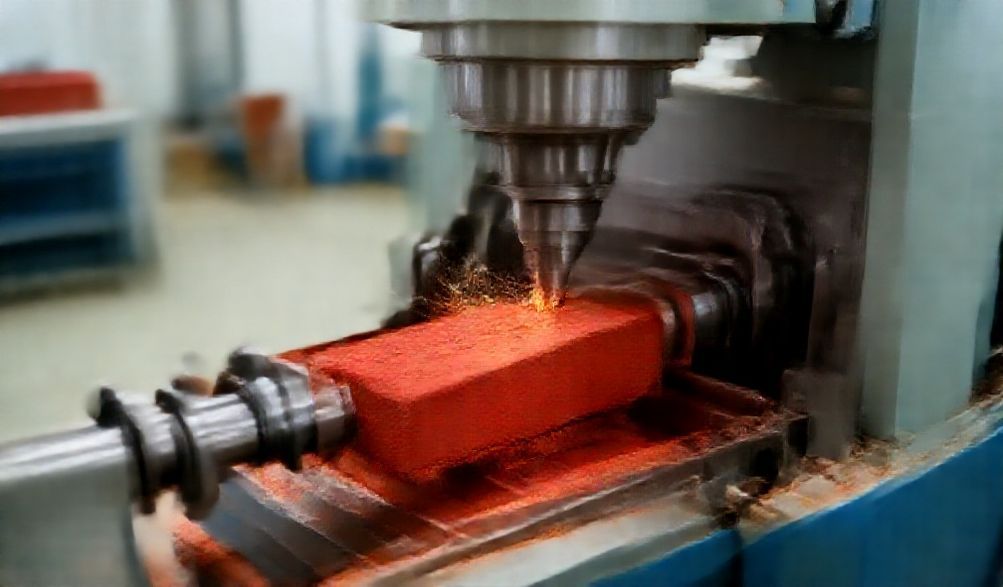
ລາຄາເຄື່ອງຈັກຜະລິດດິນຈີ່: ຄູ່ມືປີ 2026 ຈາກໂຮງງານຜະລິດດິນຈີ່ FUDA
ການແນະນຳ
ການຊອກຫາເຄື່ອງຈັກຜະລິດດິນຈີ່ທີ່ເຊື່ອຖືໄດ້ໃນລາຄາທີ່ຍຸດຕິທຳ ແລະ ຮັບປະກັນຜົນກຳໄລໃນໄລຍະຍາວສາມາດເປັນວຽກທີ່ທ້າທາຍ. ຕະຫຼາດເຕັມໄປດ້ວຍທາງເລືອກຫຼາຍຢ່າງ, ແລະ ລາຄາເບື້ອງຕົ້ນອາດຈະເຮັດໃຫ້ເຂົ້າໃຈຜິດ. ລາຄາຕໍ່າໃນຕອນຕົ້ນອາດນຳໄປສູ່ຄ່າໃຊ້ຈ່າຍໃນການດຳເນີນງານທີ່ສູງ, ໃນຂະນະທີ່ເຄື່ອງຈັກລະດັບສູງຕ້ອງການການລົງທຶນຢ່າງຫຼວງຫຼາຍ. ທ່ານຈະນຳທາງຜ່ານສິ່ງເຫຼົ່ານີ້ເພື່ອເລືອກທາງເລືອກທີ່ສ້າງທຸລະກິດຂອງທ່ານ ແທນທີ່ຈະສ້າງພາລະ ໄດ້ແນວໃດ?
ເປັນຜູ້ຜະລິດຊັ້ນນຳທີ່ມີປະສົບການກວ່າ 2 ທົດສະວັດ ໃນການອອກແບບເຄື່ອງຈັກຜະລິດລົງບລັອກ, ໂຮງງານ FUDA ມີຄູ່ມືທີ່ຊັດເຈນນີ້ໃຫ້. ເປົ້າໝາຍຂອງພວກເຮົາແມ່ນຊ່ວຍໃຫ້ທ່ານສາມາດສຳຜັດຕະຫຼາດທີ່ຊັບຊ້ອນ, ເຂົ້າໃຈປັດໄຈແທ້ຈິງທີ່ຢູ່ເບື້ອງຫຼັງລາຄາເຄື່ອງຈັກຜະລິດດິນຈີ່ແລະ ການລົງທຶນທີ່ມີຂໍ້ມູນຢ່າງຖືກຕ້ອງ ເພື່ອສ້າງຜົນຕອບແທນທີ່ເຂັ້ມແຂງ.
ບົດຄວາມນີ້ຈະເປີດເຜີຍໂຄງສ້າງລາຄາ, ອະທິບາຍປັດໄຈສຳຄັນທີ່ມີຜົນກະທົບຕໍ່ຄ່າໃຊ້ຈ່າຍ—ນັບແຕ່ລະດັບອັດຕະໂນມັດຈົນເຖິງຄຸນນະພາບການຜະລິດ—ແລະສະແດງໃຫ້ທ່ານເຫັນວິທີການປະເມີນມູນຄ່າລວມຂອງເຄື່ອງຈັກທີ່ເກີນກວ່າລາຄາເບື້ອງຕົ້ນ. ບໍ່ວ່າທ່ານຈະເປັນຜູ້ປະກອບການທີ່ຫາກຳລັງເລີ່ມຕົ້ນທຽບລາຄາ, ບໍລິສັດກໍ່ສ້າງທີ່ວາງແຜນງົບປະມານ, ຫຼືຜູ້ຈັດການໂຄງການທີ່ຊອກຫາຜູ້ສະໜອງທີ່ເຊື່ອຖືໄດ້, ຄູ່ມືນີ້ຈະໃຫ້ຄວາມເຂົ້າໃຈທີ່ສາມາດປະຕິບັດໄດ້ສຳລັບປີ 2026 ແລະ ຕໍ່ໄປ.
ທຳຄວາມເຂົ້າໃຈກ່ຽວກັບເຄື່ອງຈັກຜະລິດດິນຈີ່: ປະເພດ ແລະ ຄວາມສາມາດ
ກ່ອນທີ່ຈະວິເຄາະລາຄາ, ມັນເປັນສິ່ງສຳຄັນທີ່ຈະເຂົ້າໃຈວ່າເຈົ້າກຳລັງຊື້ຫຍັງ. ເຄື່ອງຈັກຜະລິດດິນຈີ່ດິນເຜົາບໍ່ແມ່ນພຽງແຕ່ກົງກົດ; ມັນແມ່ນລະບົບການຜະລິດທີ່ປ່ຽນແປງດິນດິບໃຫ້ກາຍເປັນກ້ອນອາຄານທີ່ໄດ້ມາດຕະຖານ ແລະ ມີຄວາມແຂງແຮງສູງ. ເຄື່ອງຈັກທີ່ເໝາະສົມຈະຊ່ວຍເພີ່ມປະສິດທິພາບ, ຮັບປະກັນຄຸນນະພາບທີ່ສອດຄ່ອງ, ແລະ ເປັນພື້ນຖານຂອງການດຳເນີນງານທີ່ມີກຳໄລ.
ແບບຈຳລອງຕົ້ນຕໍ່ແຕກຕ່າງກັນທີ່ລະດັບການອັດຕະໂນມັດ, ເຊິ່ງກຳນົດໂດຍກົງຕໍ່ຜົນຜະລິດ, ຄວາມຕ້ອງການແຮງງານ, ແລະ ໃນທີ່ສຸດ ລາຄາ.
ຈັບມືທຽບກັບເຄື່ອງຈັກກົງເຄື່ອງກາງທຽບກັບເຄື່ອງຈັກອັດຕະໂນມັດທັງໝົດ
-
ຈັກກົນມື:ນີ້ແມ່ນເຄື່ອງອັດທີ່ພື້ນຖານທີ່ສຸດ ແລະ ໃຊ້ແຮງງານຄົນ. ຜູ້ປະຕິບັດງານຈະເອົາວັດສະດຸເຂົ້າໄປດ້ວຍຕົນເອງ, ດຳເນີນການຄຸຍບັງຄັບ, ແລະ ເອົາດິນຈີ່ທີ່ສຳເລັດແລ້ວອອກມາ.
- ຜົນລັບ:ຕ່ຳ (100-500 ກະບູຕໍ່ກັບ 8 ຊົ່ວໂມງຂອງການເຮັດວຽກ).
- ការងារສູງ, ຕ້ອງໃຊ້ພະລັງງານຫຼາຍ, ແລະຂຶ້ນກັບທັກສະ.
- ເໝາະສົມສຳລັບ:ໂຄງການຂະໜາດນ້ອຍຫຼາຍ, ພື້ນທີ່ຊົນນະບົດທີ່ມີຄ່າແຮງງານຕ່ຳ, ຫຼືການຜະລິດແບບພິເສດແບບຊ່າງຝີມື.
-
ເຄື່ອງຈັກກົງເຄື່ອງກາງ:ໝວດນີ້ເປັນຈຸດທີ່ລົງຕົວພໍດີສຳລັບທຸລະກິດຂະໜາດນ້ອຍເຖິງກາງຫຼາຍແຫ່ງ. ພວກເຂົາໃຊ້ລະບົບກົນຈັກ ຫຼື ໄຮໂດຼລິກທີ່ໃຊ້ພະລັງງານໄຟຟ້າ ແຕ່ຕ້ອງການການປ້ອນວັດຖຸດິບດ້ວຍມື ຫຼື ການເອົາກ້ອນອອກ.
- ຜົນລັບ:ຂະໜາດກາງ (1,000 – 3,000 ກ້ອນຕໍ່ຊົ່ວໂມງ).
- ការងារປານກາງ, ຕ້ອງການຜູ້ປະກອບການ 2-4 ຄົນ ສຳລັບການໃຫ້ອາຫານ ແລະ ຈັດການ.
- ເໝາະສົມສຳລັບ:ການຂະຫຍາຍເດີ່ນຂາຍຫີນປູນ, ບໍລິສັດກໍ່ສ້າງສະໜອງໃຫ້ໂຄງການຂອງຕົນເອງ, ແລະ ຜູ້ປະກອບການທີ່ມີຄວາມຕ້ອງການຕະຫຼາດທີ່ໝັ້ນຄົງ.
-
ເຄື່ອງຈັກອັດຕະໂນມັດເຕັມຮູບແບບນີ້ແມ່ນສາຍການຜະລິດອຸດສາຫະກຳ. ມັນປະສົມປະສານການປ້ອນວັດສະດຸອັດຕະໂນມັດ, ການກົດ, ການປິ່ນປົວແຂງ, ແລະ ການວາງຊ້ອນກັນ, ຄວບຄຸມໂດຍປົກກະຕິດ້ວຍເຄື່ອງຄວບຄຸມລະບົບໂປແກຣມ (PLC).
- ຜົນລັບ: High (3,000 – 10,000+ bricks per hour).
- ការងារ Low, primarily for supervision and maintenance.
- ເໝາະສົມສຳລັບ: Large-scale commercial brick manufacturing plants, government infrastructure projects, and high-volume export businesses.
| Type | Output Capacity (Approx.) | Labor Needed | Ideal For |
| :— | :— | :— | :— |
| Manual | 100-500 bricks/shift | High (2-3 skilled workers) | Artisanal shops, micro-projects |
| Semi-Automatic | 1,000 – 3,000 bricks/hour | Moderate (2-4 operators) | SMEs, construction firms, block yards |
| Fully Automatic | 3,000 – 10,000+ bricks/hour | Low (1-2 supervisors) | Large plants, industrial production |
Key Machine Components That Impact Performance
The price and performance are embedded in the machine’s components. Here’s what to scrutinize:
- Mold Quality & Design: The heart of the machine. High-chrome, precision-engineered molds produce bricks with sharp edges and consistent dimensions. Cheap molds wear quickly, leading to defective products.
- ລະບົບນ້ຳມັນເຄື່ອງ: The muscle. Reliable, branded hydraulic pumps and cylinders ensure consistent pressure for uniform brick density and strength. Leaks or failures in a cheap system cause major downtime.
- Vibration Motor: Essential for compacting the clay. A powerful, balanced motor ensures the brick is dense and void-free, which is critical for compressive strength.
- ລະບົບຄວບຄຸມ: The brain. From simple relay panels to advanced touch-screen PLCs, this dictates ease of operation, precision, and diagnostic capabilities.
- ກອບ & ໂຄງສ້າງ The skeleton. A robust, welded steel frame withstands constant vibration and pressure. A flimsy frame will warp, causing misalignment and breakdowns.
What Determines the Price of a Clay Bricks Making Machine?
ພຣະອົງລາຄາເຄື່ອງຈັກຜະລິດດິນຈີ່ is not arbitrary. It’s a direct reflection of the machine’s capabilities, durability, and the support behind it. Understanding these factors allows you to compare apples to apples.
Level of Automation (The Biggest Cost Driver)
As outlined above, automation is the primary price determinant. A manual press is a simple tool. A fully automatic line is a factory in itself, with conveyors, mixers, and robotic stackers. Each step towards full automation adds complexity, more components, and sophisticated software, increasing the cost exponentially.
Production Capacity and Output Specifications
A machine rated for 2,000 bricks per hour will cost less than one rated for 5,000 bricks per hour, even within the same automation category. Furthermore, versatility commands a premium. A machine that can produce multiple brick sizes (solid, hollow, paving) by quickly changing molds is more valuable than a single-purpose model.
Build Quality and Material Durability
This is where hidden value—or cost—resides. Consider:
* ກອບ Standard steel vs. reinforced, stress-relieved steel.
* Hydraulics: Generic parts vs. reputed brands like Rexroth or Parker.
* Electricals: Off-the-shelf components vs. industrial-grade Siemens or Schneider systems.
The latter in each pair costs more upfront but drastically reduces lifetime maintenance costs and downtime.
Brand Reputation and After-Sales Service
An established brand like FUDA invests in R&D, quality control, and support infrastructure. Our pricing reflects not just the physical machine, but also the peace of mind that comes with a comprehensive warranty, readily available spare parts, and access to technical support. A cheaper, no-name machine often comes with no safety net, turning a minor fault into a catastrophic business stoppage.
Price Ranges: What to Expect in 2026
To set realistic budgeting expectations, here are general price brackets for new equipment. Critical Note: These are indicative ranges for the machine itself. Final prices vary significantly based on specific configuration, optional features, shipping, duties, and local market conditions. Always contact us for a detailed, no-obligation quote.
Entry-Level (Manual/Small Semi-Auto) Machines
- ລາຄາ: $3,000 – $20,000
- Specs & Projects: Ideal for starting a small block yard or supplying bricks for localized construction. Output is suitable for meeting the demand of a few housing projects or commercial builds annually.
Mid-Range (Semi-Automatic & Standard Automatic) Machines
- ລາຄາ: $25,000 – $80,000
- Specs & Projects: The workhorse for serious businesses. These machines offer a balance of output and investment, capable of supplying multiple projects or establishing a strong regional supply presence. Often include better vibration systems and more durable components.
High-Capacity (Fully Automatic Production Lines)
- ລາຄາ: $100,000 – $500,000+
- Specs & Projects: These are custom-engineered solutions. The price includes integrated systems: automatic clay mixers and feeders, high-pressure multi-cavity presses, conveyor systems, and automated pallet stackers. Designed for 24/7 industrial production to supply large-scale urban development or export markets.
Why Choose FUDA as Your Block Making Machine Factory?
As you evaluate ລາຄາເຄື່ອງຈັກຜະລິດດິນຈີ່, the supplier’s credibility is as important as the spec sheet. Here’s why partnering with FUDA is a strategic investment.
Our Manufacturing Expertise & Experience
With a history spanning 20+ years, FUDA has evolved from a local workshop to an international exporter, shipping to over 40 countries across Africa, Southeast Asia, and South America. Our dedicated R&D team continuously refines designs based on real-world feedback from diverse clay types and climates.
Quality Assurance and Machine Longevity
Every FUDA machine undergoes a rigorous 72-hour production test before leaving our factory. We use CNC cutting for precision parts, stress-relieved steel for frames, and source key components from certified suppliers. The result is a machine built not just to work, but to endure for a decade or more.
Comprehensive After-Sales Support
We sell partnerships, not just products. Our support package includes:
* Detailed installation manuals and video guides.
* Optional on-site installation and commissioning by our engineers.
* Comprehensive operator and maintenance training.
* A clear warranty policy and a readily available inventory of spare parts.
* Remote troubleshooting support via video call.
Customizable Solutions for Your Needs
We understand that one size does not fit all. Whether you’re working with laterite soil, shale, or mixed clay, our engineers can recommend the optimal moisture content, pressure, and vibration settings. We tailor the machine configuration to your specific raw materials, budget constraints, and production goals.
Calculating Your True Investment: Beyond the Sticker Price
A savvy investor looks at Total Cost of Ownership (TCO). The machine price is just the entry ticket.
Analyzing Return on Investment (ROI)
Use this simplified framework:
ROI = (Annual Profit from Brick Sales - Annual Operational Costs) / Total Machine Investment
A higher-priced, efficient machine with low operational costs can have a faster ROI than a cheap, problematic one.
Factoring in Operational Costs
- ການນຳໃຊ້ພະລັງງານ Fully automatic lines are more energy-efficient per brick produced than running multiple manual presses.
- Maintenance: Scheduled maintenance with quality parts prevents costly breakdowns.
- ការងារ Calculate the wage cost per thousand bricks. Automatic machines dramatically reduce this figure.
- Spare Parts: Consider the availability and cost of wear parts like molds and hydraulic seals.
The Hidden Cost of a “Cheap” Machine
The true expense of a low-quality machine reveals itself over time:
* ການຂັດຂວາງບໍລິການທີ່ບໍ່ສະດວກ Unplanned downtime means missed orders and reputational damage.
* Poor Brick Quality: Inconsistent size or low strength leads to rejected batches and lost customers.
* Support Void: No technical help means paying high fees for local mechanics to reverse-engineer fixes.
* Short Lifespan: Replacing a machine in 3-5 years doubles your effective investment.
Frequently Asked Questions About Clay Brick Machine Prices
Q1: What is the cheapest type of clay brick making machine?
A1: Manual machines have the lowest upfront cost. However, their high labor requirement and low output mean the cost per brick can be high. For most businesses, a semi-automatic machine offers a better balance of initial investment and long-term productivity.
Q2: Does the price include installation and training?
A2: At FUDA, our base machine quote includes comprehensive digital resources: detailed installation manuals, wiring diagrams, and step-by-step video guides. On-site installation, commissioning, and hands-on training are available as part of a premium service package, which we can tailor to your needs and budget.
Q3: How long does a typical machine last, and what affects its lifespan?
A3: A well-maintained FUDA machine is engineered to last 10-15 years or more. Lifespan is directly tied to build quality, adherence to the maintenance schedule, the abrasiveness of the raw materials used, and proper operator training.
Q4: Can I get a machine that uses different raw materials (like fly ash or concrete)?
A4: Absolutely. Many of our block making machines are designed for versatility. We offer machines optimized for clay, concrete, fly ash, or even interlocking compressed earth blocks. Discuss your primary raw materials with our sales engineers to configure the perfect machine for your application.
Q5: How do I get an exact price quote from FUDA?
A5: Simply contact our team via email, phone, or our website contact form. Please provide your required output capacity (bricks per hour/day), desired level of automation, and the specific type/size of bricks you wish to produce. We will then prepare a detailed, customized proposal with a transparent price breakdown.
ສະຫຼຸບ
Navigating the ລາຄາເຄື່ອງຈັກຜະລິດດິນຈີ່ landscape requires looking at the complete picture. The final number is a synthesis of automation level, production capacity, uncompromising build quality, and the invaluable support of a reputable manufacturer. It’s an investment in your business’s productive capacity for the next decade.
At FUDA Block Making Factory, we combine decades of manufacturing expertise with a client-focused approach. We believe in building lasting partnerships by providing machinery that delivers genuine value and profitability, not just a one-time transaction.
Ready to Get a Precise Quote Tailored to Your Project?
Contact the FUDA engineering team today for a free, no-obligation consultation. Let’s discuss your needs and build a detailed proposal that maps the path to your success.
Want to explore our full range first?
Download our detailed specification catalog to compare all our clay brick and block making machine models at your own pace.