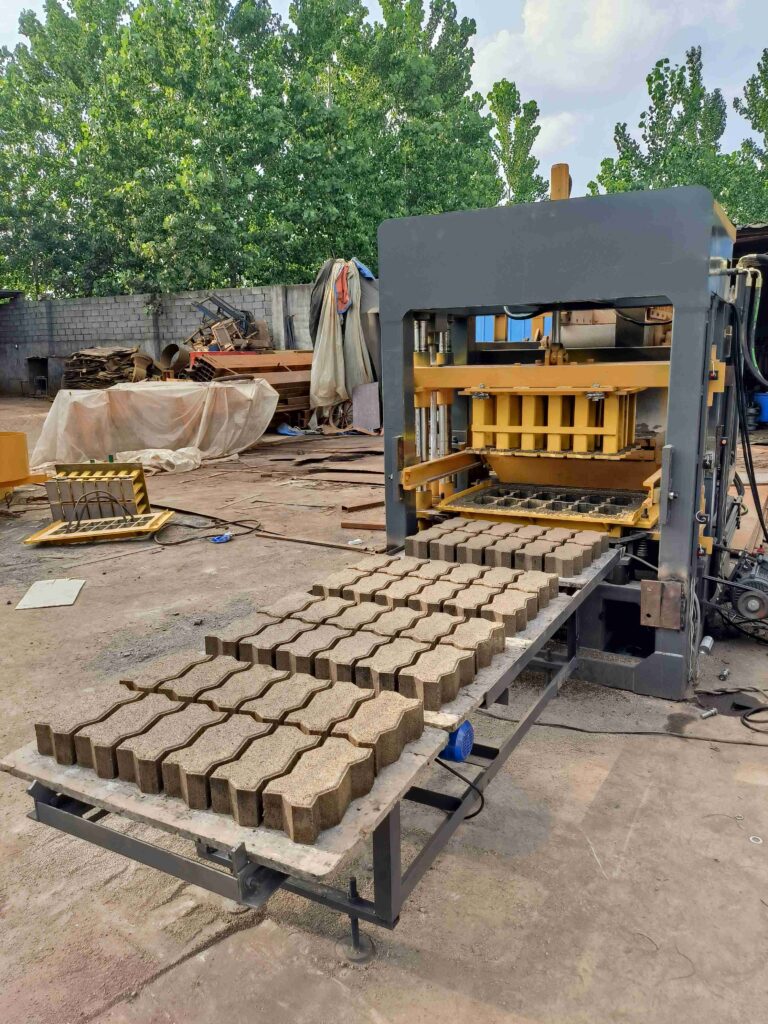
ເທກໂນໂລຍີທີ່ກ້າວໜ້າ ພວມປັບປຸງການຜະລິດດິນຈີ່ໃໝ່
1.1. ການນຳໃຊ້ລະບົບອັດຕະໂນມັດອັດສະລິຍະ ແລະ ການເຊື່ອມໂຍງກັບອຸດສາຫະກຳ 4.0
ການກ້າວກະໂດດທີ່ສຳຄັນທີ່ສຸດໃນຊຸມປີທີ່ຜ່ານມາແມ່ນການນຳໃຊ້ຫຼັກການອຸດສາຫະກຳ 4.0 ຢ່າງເຕັມຮູບແບບ. ໂຮງງານສະໄໝໃໝ່ກຳລັງພັດທະນາກາຍເປັນລະບົບນິເວດທີ່ເຊື່ອມຕໍ່ກັນ ແລະ ຂັບເຄື່ອນດ້ວຍຂໍ້ມູນ.
- ສາຍການຜະລິດແບບອັດຕະໂນມັດຢ່າງສົມບູນດ້ວຍຫຸ່ນຍົນນອກຈາກລາງລຳລຽງພື້ນຖານແລ້ວ, ລະບົບທັນສະໄໝຍັງມີແຂນຫຸ່ນຍົນສຳລັບການຈັບຖື, ການວາງຊ້ອນ, ແລະ ການຫຸ້ມຫໍ່ທີ່ແນ່ນອນ. ຫຸ່ນຍົນເຫຼົ່ານີ້, ຕິດຕັ້ງດ້ວຍລະບົບວິໄສທັດທີ່ກ້າວໜ້າ, ສາມາດຈັດລຽງກະເບື້ອງຕາມຄຸນນະພາບ, ວາງຊ້ອນໃຫ້ມີຄວາມໝັ້ນຄົງ, ແລະ ຍັງສາມາດປະກອບສິນຄ້າປະສົມໄດ້ໂດຍບໍ່ຕ້ອງມີຄົນຊ່ອຍ. ສິ່ງນີ້ຊ່ວຍຫຼຸດຜ່ອນການແຕກຫັກ, ຫຼຸດຕົ້ນທຶນແຮງງານ, ແລະ ຮັບປະກັນຜົນຜະລິດທີ່ສະໝໍ່າສະເໝີ.
- ການຕິດຕາມແລະບຳລຸງຮັກສາແບບຄາດເດົາທີ່ເປີດໃຊ້ງານດ້ວຍ IoTເຊັນເຊີທີ່ຕິດຕັ້ງໄວ້ໃນທົ່ວເຄື່ອງຈັກ—ໃນລະບົບໄຮໂດຼລິກ, ໜ່ວຍສັ່ນສະເທືອນ, ແລະ ມໍເຕີ—ອະນຸຍາດໃຫ້ມີການເກັບກຳຂໍ້ມູນຕົວກຳນົດປະສິດທິພາບຢ່າງຕໍ່ເນື່ອງ. ຂໍ້ມູນນີ້ຖືກສົ່ງຕໍ່ໄປຍັງເວທີຄລາວ ເຊິ່ງ AI algorithms ຈະວິເຄາະມັນແບບສົດໆ. ລະບົບສາມາດຄາດເດົາການເສຍຫາຍຂອງສ່ວນປະກອບກ່ອນທີ່ມັນຈະເກີດຂຶ້ນ, ກຳນົດການບຳລຸງຮັກສາໃນຊ່ວງທີ່ເຄື່ອງຈັກຢຸດເຮັດວຽກຕາມທຳມະຊາດ, ແລະ ແຈ້ງເຕືອນຜູ້ປະກອບການກ່ຽວກັບຄວາມບໍ່ມີປະສິດທິພາບ. ສຳລັບຜູ້ຈຳໜ່າຍ, ນີ້ໝາຍເຖິງການສະເໜີເຄື່ອງຈັກໃຫ້ລູກຄ້າ ທີ່ມີການຢຸດເຮັດວຽກໂດຍບໍ່ໄດ້ວາງແຜນໄວ້ຫຼຸດລົງຢ່າງຫຼວງຫຼາຍ ແລະ ມີຄ່າໃຊ້ຈ່າຍໃນການດຳເນີນງານຕະຫຼອດອາຍຸການໃຊ້ງານທີ່ຕ່ຳກວ່າເກົ່າ.
- ດີຈິຕອລ ຄູ່ແຝດ ແລະ ການປັບປຸງຂະບວນການໃຫ້ດີທີ່ສຸດ:ຜູ້ຜະລິດຂັ້ນສູງກຳລັງນຳໃຊ້ເທກໂນໂລຊີຄູ່ແຝດດິຈິຕອນ. ຕົວແບບຈຳລອງແບບເຄື່ອນໄຫວທາງເສມືອນຂອງສາຍການຜະລິດທັງໝົດທີ່ຈຳລອງການດຳເນີນງານ. ວິສະວະກອນສາມາດທົດລອງສູດວັດຖຸດິບໃໝ່, ປັບວົງຈອນເວລາ, ຫຼືອອກແບບຂະບວນການເຮັດວຽກຄືນໃໝ່ໃນຕົວແບບດິຈິຕອນເພື່ອເພີ່ມປະສິດທິພາບການໄດ້ຮັບຜົນຜະລິດແລະການໃຊ້ພະລັງງານກ່ອນການປະຕິບັດການປ່ຽນແປງໃນພື້ນຜະລິດຕົວຈິງ, ຮັບປະກັນການໄຫຼວຽນສູງສຸດ.
1.2. ຄວາມຢາດສາມາດສູງໃນການຜະລິດ ແລະ ການປັບແຕ່ງ
ຄວາມຕ້ອງການຂອງຕະຫຼາດສໍາລັບຄວາມຫຼາກຫຼາຍທາງດ້ານສະຖາປັດຕະຍະກໍາ ແລະ ຜະລິດຕະພັນກໍ່ສ້າງທີ່ເປັນເອກະລັກ ໄດ້ເຮັດໃຫ້ມີຄວາມຈໍາເປັນຕ້ອງໃຊ້ເຄື່ອງຈັກທີ່ມີຄວາມຍືດຫຍຸ່ນສູງ.
- ລະບົບການປ່ຽນແບບພິມທີ່ໄວການປ່ຽນແບບພິມເກົ່າອາດຈະເຮັດໃຫ້ການຜະລິດຢຸດຊະງັກເປັນເວລາຫຼາຍຊົ່ວໂມງ. ລະບົບໃໝ່ນຳໃຊ້ລົດບັນທຸກແບບພິມ ຫຼື ກະດອງທີ່ປ່ຽນໄດ້ໄວແບບອັດຕະໂນມັດ. ເມື່ອກົດປຸ່ມດຽວ, ຊຸດອຸປະກອນການພິມທັງໝົດສາມາດຖືກສະລັບໄດ້ພາຍໃນນາທີ, ເຮັດໃຫ້ເຄື່ອງຈັກດຽວສາມາດຜະລິດອິດ ຂະໜາດ, ໂຄງສ້າງ, ແລະ ຮູບຮ່າງທີ່ຫຼາກຫຼາຍ ຕັ້ງແຕ່ອິດດິນເຜົາຄລາສສິກ ຈົນເຖິງອົງປະກອບ façade ທີ່ສັບສົນແລະສຳລັບໂຄງການສະເພາະ—ໃນເສັ້ນການຜະລິດດຽວ.
- ການຄວບຄຸມແບບທັນສະໄໝສຳລັບເຄື່ອງຄວບຄຸມຄວາມຖີ່ປັ່ນປ່ຽນ (VFD)ຄວາມຖືກຕ້ອງໃນທຸກໆຂັ້ນຕອນແມ່ນບັນລຸໄດ້ຜ່ານ VFDs. ແຮງກົດ, ຄວາມຖີ່ ແລະ ຂະໜາດການສັ່ນສະເທືອນ, ແລະ ຄວາມໄວໃນການອັດອອກ ສາມາດປັບລະອຽດຜ່ານໜ້າຈໍສຳຜັດ. ນີ້ຊ່ວຍໃຫ້ຜູ້ປະຕິບັດງານສາມາດປັບຂະບວນການໃຫ້ເໝາະສົມກັບຄວາມສອດຄ່ອງຂອງວັດສະດຸດິບທີ່ແຕກຕ່າງກັນ, ຮັບປະກັນຄວາມໜາແໜ້ນ ແລະ ຄວາມແຂງແຮງທີ່ດີທີ່ສຸດ ບໍ່ວ່າຈະໃຊ້ດິນເຜົາ, ຊີມັງ, ຫຼື ຂີ້ເຖົ່າລວງ, ໂດຍບໍ່ສົ່ງຜົນກະທົບຕໍ່ຄວາມສົມບູນຂອງເຄື່ອງຈັກ.
1.3. Sustainable and Eco-Conscious Manufacturing Technologies
Environmental regulations and green building certifications are powerful market drivers. The latest machinery is designed to turn sustainability into a operational advantage.
- High-Pressure Compaction for Curing-Free Blocks: A groundbreaking development is the ability to produce high-strength concrete blocks without the need for energy-intensive steam curing. Utilizing ultra-high hydraulic pressure (exceeding 150 kg/cm²), these machines compress semi-dry mix so profoundly that blocks achieve structural strength immediately upon ejection. This eliminates the curing kiln, slashing energy consumption by up to 70% and reducing the factory footprint.
- Integration of Alternative and Recycled Materials: Modern machines are engineered to handle challenging feedstock. Advanced mixing and pre-processing attachments can effectively incorporate high percentages of industrial waste like fly ash, slag, foundry sand, construction and demolition waste (C&D), and even certain plastics. This not only reduces raw material costs for producers but also opens access to green tax incentives and appeals to environmentally conscious builders.
- Energy Recovery and Emission Control Systems: State-of-the-art plants feature closed-loop water systems and heat recovery units. Waste heat from compressors or other processes is captured and redirected for use in drying chambers or facility heating. Integrated dust collection and filtration systems are now standard, ensuring near-zero particulate emissions and providing a safer, cleaner working environment.
1.4. Enhanced Quality Control and Material Science Integration
Quality is now assured in-process, not just through final inspection.
- In-Line Laser Scanning and Vision Systems: As bricks exit the press or dryer, they pass under high-resolution laser scanners and cameras. These systems perform real-time dimensional checks for width, height, and length, and can detect surface flaws like cracks or chips. Sub-standard units are automatically diverted, ensuring only products meeting strict tolerances proceed to packaging.
- Adaptive Control Based on Raw Material Feedback: Some systems are beginning to incorporate feedback loops from raw material sensors. A moisture gauge in the mixer, for example, can automatically signal the central computer to adjust the water addition or compression time for the next batch, maintaining consistent product quality despite variations in incoming raw material moisture content.
ສະຫຼຸບ
The landscape of brick manufacturing technology has progressed from simple mechanization to a sophisticated, interconnected, and highly intelligent engineering domain. The key trends—intelligent automation and IoT, unparalleled production flexibility, a deep commitment to sustainable processes, and integrated real-time quality assurance—collectively represent a new paradigm. For distributors and procurement professionals, this evolution presents clear imperatives. The machinery of choice is no longer defined solely by output capacity, but by its data connectivity, its adaptability to diverse and eco-friendly materials, its contribution to a lower carbon footprint, and its ability to enable customized, value-added product lines. Investing in and supplying these advanced technologies positions B2B stakeholders as partners in progress, enabling their clients to build not just with brick and mortar, but with data, efficiency, and responsibility. The future of construction is being shaped at the production stage, and the latest brick making machines are at the forefront of this transformation.
Frequently Asked Questions (FAQ)
Q1: How does the shift to automated and IoT-equipped machinery impact the total cost of ownership (TCO) for our clients?
While the initial capital investment is typically higher, the TCO is favorably impacted through multiple channels. Predictive maintenance prevents costly catastrophic failures and unplanned downtime. Energy-efficient designs and curing-free technology drastically reduce utility bills. Reduced labor requirements and lower rejection rates due to in-line quality control further enhance operational profitability. The ROI is realized through sustained, high-yield production and significantly lower operating expenses.
Q2: Are these advanced machines compatible with existing production lines, or do they require a completely new setup?
Modularity is a key design principle in newer equipment. Many automated components, such as robotic palletizers or IoT sensor kits, can be retrofitted to upgrade existing lines. However, to fully leverage synergies like data integration from mixer to stacker, a comprehensive system designed to work in unison is recommended. Suppliers often offer phased upgrade paths to spread investment over time.
Q3: With the ability to use recycled materials, is there a compromise on the final product’s strength and durability?
Not with properly calibrated modern technology. High-pressure compaction ensures that even with a significant proportion of alternative materials like fly ash or processed C&D waste, the resulting brick or block meets or exceeds relevant international standards (e.g., ASTM, EN). In many cases, certain industrial by-products can actually enhance specific properties like long-term compressive strength or reduce efflorescence.
Q4: What kind of technical support and training is required to operate and maintain these sophisticated machines?
Reputable manufacturers now provide comprehensive digital support packages alongside traditional services. This includes extensive operator and maintenance training programs, often with virtual reality (VR) simulations. Remote diagnostics via IoT connections allow technicians to troubleshoot issues from afar, and augmented reality (AR) glasses can guide on-site staff through complex repair procedures, minimizing expertise-related downtime.
Q5: How does the flexibility for customization impact production planning and minimum order quantities for brick producers?
The hyper-flexibility diminishes the economic constraints of small batch production. With rapid mold change systems, switching product lines is quick and economical. This allows producers to accept smaller, specialized orders for custom bricks without sacrificing overall plant efficiency, enabling them to cater to niche architectural markets and high-margin projects previously deemed unviable.