
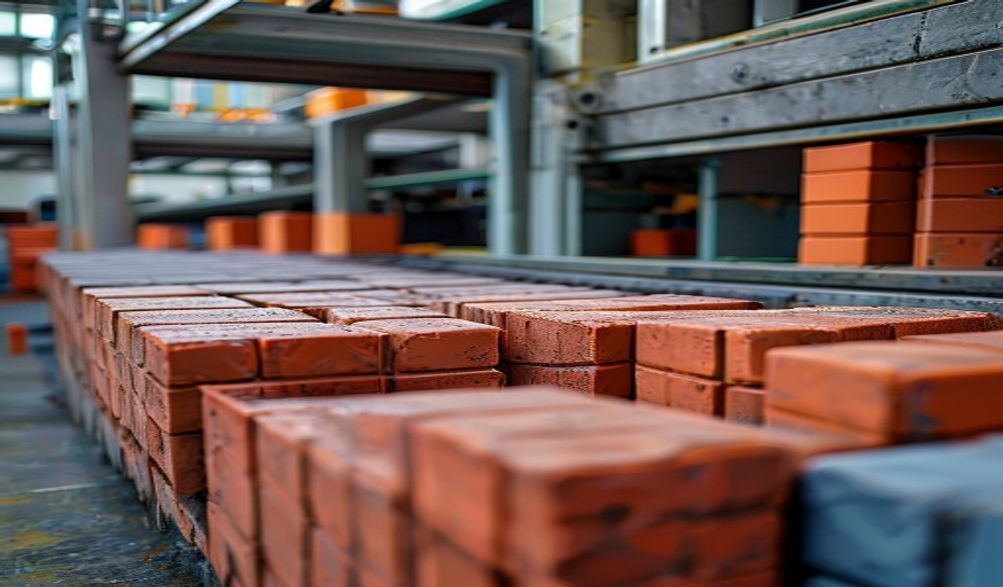
ວິທີເລືອກເຄື່ອງຈັກຜະລິດກ້ອນຫີນ: ຄູ່ມືການຊື້ທີ່ສະຫຼາດກ່ຽວກັບລາຄາ ແລະ ມູນຄ່າ
ການແນະນຳ
ການຄົ້ນຫາ "ລາຄາເຄື່ອງຜະລິດດິນຈີ່" ອາດເຮັດໃຫ້ຮູ້ສຶກອີ່ມຕົວ. ເຈົ້າຈະເຫັນຕົວເລກທີ່ຫຼາກຫຼາຍ, ຕັ້ງແຕ່ຕໍ່າທີ່ໜ້າຕົກໃຈຈົນເຖິງສູງທີ່ເກືອບເຮັດໃຫ້ຕາບອດ. ນີ້ແມ່ນການລົງທຶນໃຫຍ່, ແລະຄວາມຢ້ານທີ່ຈະຈ່າຍເກີນ—ຫຼືຮ້າຍແຮງກວ່ານັ້ນ, ຊື້ເຄື່ອງທີ່ບໍ່ເຊື່ອຖືໄດ້ເຊິ່ງເຮັດໃຫ້ໂຄງການຂອງເຈົ້າຕິດຂັດ—ກໍ່ມີຢູ່ຈິງ.
ແຕ່ນີ້ແມ່ນການປ່ຽນແປງທັດສະນະຄະຕິທີ່ສຳຄັນທີ່ເຈົ້າຕ້ອງເຮັດ: ເຈົ້າບໍ່ພຽງແຕ່ຊື້ເຄື່ອງຈັກ, ແຕ່ເຈົ້າກຳລັງລົງທຶນໃນຊັບສິນການຜະລິດ. ການເອົາໃຈໃສ່ພຽງແຕ່ລາຄາຄ່າຊື້ທີ່ຕ່ຳທີ່ສຸດແມ່ນວິທີທີ່ໄວທີ່ສຸດທີ່ຈະເກີດຄ່າໃຊ້ຈ່າຍໃນໄລຍະຍາວທີ່ສູງກວ່າຜ່ານເວລາຢຸດງານ, ຄຸນນະພາບຜົນຜະລິດທີ່ບໍ່ດີ, ແລະການສ້ອມແປງທີ່ບໍ່ມີວັນສິ້ນສຸດ.
ຄູ່ມືນີ້ຖືກອອກແບບມາເພື່ອຕັດຜ່ານຄວາມສັບສົນ. ພວກເຮົາຈະກ້າວໄປເກີນກວ່າລາຍການລາຄາງ່າຍໆ ແລະ ເຮັດໃຫ້ເຈົ້າມີໂຄງຮ່າງວິຊາການເພື່ອເຂົ້າໃຈວ່າອັນໃດແທ້ໆທີ່ກຳນົດຄ່າໃຊ້ຈ່າຍ, ວິທີການປະເມີນຄວາມຕ້ອງການສະເພາະຂອງເຈົ້າ, ແລະ ວິທີຄຳນວນມູນຄ່າແທ້ຈິງ. ເມື່ອສິ້ນສຸດ, ເຈົ້າຈະສາມາດເຂົ້າຫາຜູ້ສະເໜີສິນຄ້າຢ່າງໝັ້ນໃຈ, ຮູ້ວ່າເຈົ້າກຳລັງລົງທຶນໃນຜົນຜະລິດ ແລະ ກຳໄລ, ບໍ່ແມ່ນພຽງແຕ່ອຸປະກອນຊິ້ນໜຶ່ງເທົ່ານັ້ນ.
ການເຂົ້າໃຈປັດໄຈທີ່ກຳນົດລາຄາເຄື່ອງຜະລິດກ້ອນໄມ້ສີມັງ
ປ້າຍລາຄາຂອງເຄື່ອງຜະລິດອິດບລັອກ ສະທ້ອນເຖິງວິສະວະກຳ, ຄວາມສາມາດ, ແລະ ສ່ວນປະກອບຂອງມັນໂດຍກົງ. ມັນບໍ່ໄດ້ຖືກກຳນົດແບບສຸ່ມ. ເພື່ອກາຍເປັນຜູ້ຊື້ທີ່ສະຫຼາດ, ທ່ານຕ້ອງເຂົ້າໃຈປັດໃຈຫຼັກຂອງຄ່າໃຊ້ຈ່າຍເຫຼົ່ານີ້ກ່ອນ.
1. ປະເພດເຄື່ອງຈັກ & ລະດັບການອັດຕະໂນມັດ
ນີ້ແມ່ນປັດໃຈສໍາຄັນທີ່ສຸດທີ່ມີຜົນກະທົບຕໍ່ລາຄາ. ລະດັບການນໍາໃຊ້ອັດຕະໂນມັດກໍານົດຄວາມຕ້ອງການແຮງງານ, ຄວາມສອດຄ່ອງຂອງຜົນຜະລິດ, ແລະຄວາມສັບສົນໃນການດໍາເນີນງານ.
- ຈັກກົນມື:ນີ້ແມ່ນຈຸດເລີ່ມຕົ້ນທີ່ມີລາຄາຖືກທີ່ສຸດ. ພວກມັນຕ້ອງການແຮງງານທາງກາຍຢ່າງຫຼວງຫຼາຍໃນການຜະສົມ, ການໃຫ້ອາຫານ, ແລະການດຶງອິດອອກ. ລາຄາຕໍ່າ, ແຕ່ຕົ້ນທຶນໃນຊົ່ວໂມງແຮງງານ ແລະຜົນຜະລິດທີ່ຈຳກັດແມ່ນສູງ. ເໝາະສຳລັບໂຄງການຂະໜາດນ້ອຍຫຼືເປັນບາງໂອກາດ.
- ເຄື່ອງຈັກກົງເຄື່ອງກາງ:ນີ້ແມ່ນຈຸດທີ່ລົງຕົວສຳລັບວິສາຫະກິດຂະໜາດນ້ອຍ ແລະ ກາງ (SMEs) ຫຼາຍແຫ່ງ. ພວກເຂົາອັດຕະໂນມັດຂັ້ນຕອນການອັດ ແລະ ສັ່ນສະເທືອນທີ່ສຳຄັນ ແຕ່ອາດຈະຕ້ອງການການປີ້ນເຂົ້າດ້ວຍມື ຫຼື ການຍ້າຍພາລັດອອກ. ພວກເຂົາສະເໜີຄວາມສົມດຸນທີ່ດີເລີດຂອງລາຄາທີ່ປານກາງ, ຜົນຜະລິດທີ່ດີ (500-2,000 ກ້ອນ/ຊົ່ວໂມງ), ແລະ ຄວາມຕ້ອງການແຮງງານທີ່ຈັດການໄດ້.
- ເຄື່ອງຈັກອັດຕະໂນມັດເຕັມຮູບແບບນີ້ແມ່ນສາຍການຜະລິດທີ່ມີຄວາມສາມາດສູງ. ພວກມັນມີລະບົບການປ້ອນວັດສະດຸອັດຕະໂນມັດ, ການຈັດການແຜ່ນພາລເລັດ, ການຈັດວາງກ້ອນອິດ, ແລະມັກຈະມີການຄວບຄຸມ PLC ສູນກາງ. ລາຄາແມ່ນສູງທີ່ສຸດເນື່ອງຈາກຄວາມຊັບຊ້ອນນີ້, ແຕ່ພວກມັນຊ່ວຍຫຼຸດຕົ້ນທຶນແຮງງານ, ເພີ່ມຜົນຜະລິດສູງສຸດ (2,000-10,000+ ກ້ອນ/ຊົ່ວໂມງ), ແລະຮັບປະກັນຄວາມສະໝ່ຳສະເໝີທີ່ບໍ່ມີຕົວທຽບ. ການລົງທຶນນີ້ມີຄວາມຄຸ້ມຄ່າສຳລັບການຜະລິດແບບຕໍ່ເນື່ອງຂະໜາດໃຫຍ່.
ຂອງຄົງທີ່ ທຽບກັບ ຂອງພົກພາ:ນອກຈາກນັ້ນ, ຄວນພິຈາລະນາ ການເຄື່ອນທີ່. ເຄື່ອງແມ່ພິມທີ່ຢູ່ກັບທີ່ ເປັນອຸປະກອນທີ່ໜັກ, ມີກຳລັງຜະລິດສູງ ແລະ ຕ້ອງການພື້ນຖານທີ່ແຂງແຮງ. ເຄື່ອງແມ່ພິມແບບມືຖື "ວາງໄຂ່" ຫຼື "ຜະລິດກ້ອນຫີນແບບເຄື່ອນທີ່" ໂດຍທົ່ວໄປມີລາຄາຕໍ່າ ແລະ ຖືກອອກແບບມາເພື່ອຜະລິດອິດໄດ້ໂດຍກົງໃນໜ້າວຽກ ຊ່ວຍປະຫຍັດຄ່າຂົນສົ່ງກ່ຽວກັບຜະລິດຕະພັນສຸດທ້າຍ.
2. ກຳລັງການຜະລິດ ແລະ ຜົນຜະລິດ
ລາຄາຂອງເຄື່ອງຈັກນັ້ນ ເຊື່ອມໂຍງໂດຍກົງກັບຄວາມສາມາດໃນການຜະລິດຂອງມັນ.
- ເວລາຮອບວຽນ & BPHອັດຕາການຜະລິດ “ກະເບື້ອງຕໍ່ຊົ່ວໂມງ” (BPH) ເປັນສິ່ງສຳຄັນ. ເຄື່ອງທີ່ມີອັດຕາ 5,000 BPH ຈະມີລາຄາສູງກວ່າເຄື່ອງທີ່ມີອັດຕາ 800 BPH ຫຼາຍ. ຄວນກວດສອບອັດຕານີ້ພາຍໃຕ້ເງື່ອນໄຂມາດຕະຖານສະເໝີ.
- Block Size & Mold Versatility: A basic machine producing one standard hollow block size is less expensive. Machines capable of producing a wide range of products—solid blocks, hollow blocks in different thicknesses, paving slabs, interlocking bricks—require a more sophisticated, multi-part mold system and hydraulic controls, which increases the price.
3. Build Quality & Key Components
This is where hidden value (or future cost) is built. Two machines with the same BPH rating can have vastly different prices based on component quality.
- ກອບ & ໂຄງສ້າງ A robust, heavy-duty steel frame with vibration-dampening design costs more to manufacture but ensures machine stability and longevity, especially under constant, heavy vibration.
- ລະບົບການສັ່ນສະເທືອນ: This is the heart of a good block machine. High-frequency, dual-vibration systems (using quality electric motors) compact the concrete mix more effectively, producing stronger, denser blocks with a better finish. Superior vibration technology is a major cost driver.
- ລະບົບນ້ຳມັນເຄື່ອງ: The quality of pumps, valves, seals, and cylinders is paramount. Reputable, brand-name hydraulic components offer consistent pressure, reliability, and longer service life, reducing the risk of costly leaks and downtime.
- ລະບົບຄວບຄຸມ: A basic relay panel is functional and lower-cost. An advanced Programmable Logic Controller (PLC) with a touchscreen Human-Machine Interface (HMI) allows for precise control, recipe storage, fault diagnostics, and easier operation, adding to the machine’s price and sophistication.
4. Brand Reputation & Origin
Brand and manufacturing origin create general price tiers and set expectations for support.
- Established Brands vs. New Entrants: Manufacturers with decades of global presence invest heavily in research, development, and quality control. This legacy of reliability and performance is reflected in their pricing. Newer or lesser-known brands may offer competitive prices to enter the market.
- Country of Manufacture: While generalizations have exceptions, market trends exist:
- European/North American: Typically the premium segment, emphasizing advanced automation, top-tier components, and engineering, with correspondingly high prices.
- Turkish: Known for a strong balance of good quality, robust design, and competitive pricing, making them popular in many international markets.
- Chinese & Indian: Offer the widest price range. You can find very economical options, but due diligence is critical. Reputable factories in these regions produce high-quality, reliable machines that offer tremendous value, while others may cut corners. Supplier verification is non-negotiable here.
A Step-by-Step Framework for Your Buying Decision
Armed with knowledge of price drivers, follow this actionable framework to make a decision aligned with your business reality.
Step 1: Conduct a Thorough Needs Analysis
Answer these questions before you look at a single price quote:
- Projected Output: Calculate your average daily and monthly brick requirement based on current and projected contracts. Add a 15-20% buffer for growth. This number directly points you to the required BPH capacity.
- Labor & Skills: Honestly assess your available workforce. Do you have (or can you train) someone to operate and perform basic maintenance on a complex PLC system? Or would a simpler, more robust semi-automatic machine be a better fit?
- ວັດຖຸດິບ What aggregate are you using (local sand, crushed stone, fly ash)? The machine must be suited to your specific mix design. Some machines handle certain materials better than others.
- Site & Infrastructure: Do you have the factory space for a stationary plant, including space for curing? Do you have access to the required three-phase electrical power? Factor in potential costs for foundation work and electrical upgrades.
Step 2: Decoding Supplier Quotes & Comparing Value
A quote is more than a number. It’s a contract outline.
- Demand Detailed Specifications: A professional quote should list every component brand, motor power, hydraulic pressure, cycle time, and mold specifications. Compare these line-by-line across suppliers.
- Embrace Total Cost of Ownership (TCO): The smartest financial metric.
- TCO = Purchase Price + Shipping & Logistics + Installation & Foundation + Operator Training + Estimated Maintenance & Energy Costs (5 yrs) + Initial Spare Parts Inventory.
- A machine with a 10% higher purchase price but 30% lower maintenance costs and 20% better energy efficiency is the cheaper option over five years.
- Evaluate After-Sales Service Before Purchase: This is critical. Ask: Do they have local technicians or partners? What is the spare parts availability and delivery time? Is comprehensive on-site training included? A supplier who excels here adds immense value that justifies a reasonable price premium.
Step 3: Sourcing & Negotiation Strategies
- Where to Source: Use industry-specific B2B platforms (Alibaba, TradeIndia, Made-in-China) to discover options, but always move to direct communication. Attend major trade shows like BAUMA if possible. Research and contact manufacturers directly through their official websites.
- Check References Rigorously: Don’t just ask for a testimonial list. Request the contact information of 2-3 clients in a region with a similar climate and material profile to yours. Call them. Ask about machine performance, reliability, and most importantly, the supplier’s responsiveness when issues arose.
- Negotiate Smartly: Instead of just haggling on the base price, negotiate on value-added items:
- Request a bundled package: machine + an extra set of wear parts (mold liners, springs) + extended warranty.
- Clarify shipping terms (FOB, CIF, DDP) so there are no surprise port fees.
- Negotiate for the inclusion of on-site installation supervision or extended training.
Key Questions to Ask Before You Buy (FAQ Section)
Q1: What is the typical price range for a block brick making machine?
A: Prices span a vast spectrum. Small manual machines can start from $3,000 – $8,000. Semi-automatic machines, the workhorses for SMEs, typically range from $15,000 to $50,000+, depending on capacity and configuration. High-output, fully automatic production lines can easily range from $70,000 to over $200,000. Use these ranges as a starting filter, not a final decision point.
Q2: Is buying a cheaper, used machine a good idea?
A: It can be, but it carries risk. It is only advisable if you can personally inspect the machine in operation, review its full maintenance history, and 100% confirm that spare parts are still available from the manufacturer or supplier. For a core production asset, the warranty and reliability of a new machine often outweigh the initial savings of a used one.
Q3: How much should I budget for installation, training, and spare parts?
A: As a rule of thumb, set aside an additional 10-20% of the machine’s purchase price for these critical startup costs. This covers foundation construction, electrical hookup, the essential first set of spare parts (wear items), and comprehensive operator training. Do not skip training to save money.
Q4: What are the most common hidden costs after purchase?
A: The most frequent surprises are:
* Import duties, taxes, and customs clearance fees.
* Heavy machinery shipping to your final site (off-loading and positioning).
* Construction of a proper, level concrete foundation.
* Hiring a certified electrician for three-phase power connection.
* Costs for initial raw material testing and mix design optimization.
Q5: How long is the standard warranty, and what does it cover?
A: A standard warranty is typically 12 months for parts from the date of commissioning. Crucially, this excludes wear parts like mold liners, springs, and rubber pads, which are considered consumables. A trustworthy supplier will provide this warranty in writing, clearly stating what is covered and the claim process. An offer of an extended warranty is a positive sign.
Conclusion: Investing in Productivity, Not Just a Machine
Choosing a block brick making machine based solely on the lowest price is a short-term strategy with long-term consequences. It’s akin to buying a truck based only on its showroom price, ignoring its fuel economy, maintenance schedule, and payload capacity.
The “right” price is the one attached to a machine that is the optimal tool for your specific job. It’s the price that reflects durable construction, efficient operation, and the security of strong supplier support.
Your Final Checklist:
* ✅ I have clearly defined my output needs and analyzed my raw materials.
* ✅ I understand and have estimated the Total Cost of Ownership (TCO).
* ✅ I have obtained and compared detailed, component-level quotes from multiple suppliers.
* ✅ I have verified supplier references and their after-sales service capability in my region.
* ✅ I have budgeted adequately for installation, training, and initial spare parts.
By following this guide, you shift from being a price-sensitive shopper to a value-driven investor. You’re not just purchasing a machine; you’re securing the foundation for your business’s efficiency, reputation, and growth for years to come. Make your choice a strategic one.
This guide was compiled by our team of industrial equipment specialists with over 20 years of experience in the construction machinery sector. We are committed to providing unbiased, practical advice to help businesses make informed capital investment decisions. Our content is regularly reviewed and updated to reflect current market and technological trends. For more in-depth information or specific supplier recommendations, consult with a qualified industry professional.
<