
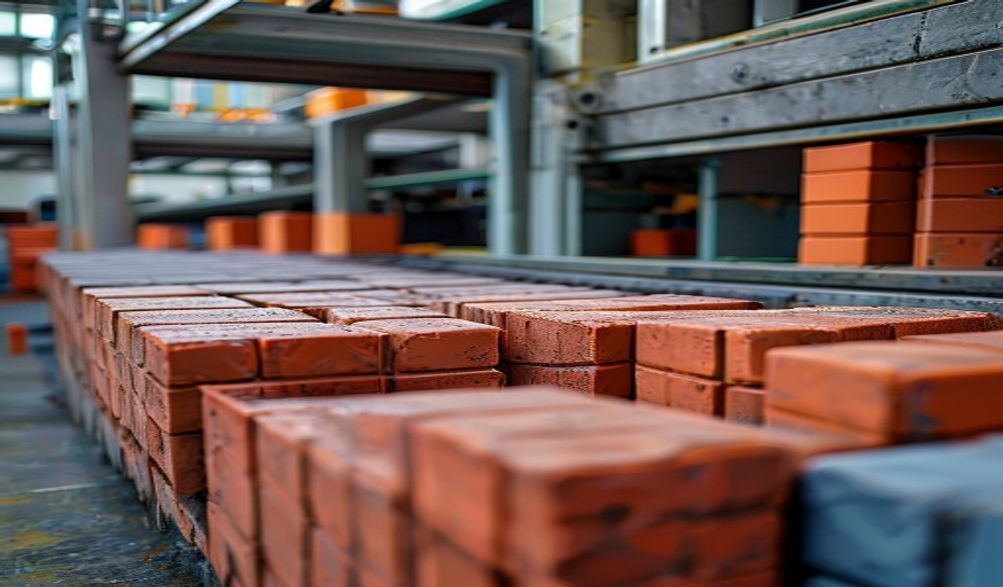
Cách Chọn Máy Làm Gạch Block: Hướng Dẫn Mua Sắm Thông Minh Về Giá Cả và Giá Trị
Giới thiệu
Tìm kiếm "giá máy làm gạch block" có thể khiến bạn choáng ngợp. Bạn sẽ đối mặt với vô vàn con số, từ cực thấp đến cao ngất ngưởng. Đây là một khoản đầu tư lớn, và nỗi lo trả giá quá cao—hoặc tệ hơn, mua phải máy kém chất lượng làm trì trệ dự án—là hoàn toàn có thật.
Nhưng đây là sự thay đổi tư duy quan trọng bạn cần thực hiện: bạn không chỉ đang mua một cỗ máy; bạn đang đầu tư vào một tài sản sản xuất. Chỉ tập trung vào chi phí ban đầu thấp nhất là cách nhanh nhất để phát sinh chi phí dài hạn cao hơn thông qua thời gian ngừng hoạt động, chất lượng đầu ra kém và việc sửa chữa không ngừng.
Hướng dẫn này được thiết kế để giúp bạn xóa bỏ sự bối rối. Chúng tôi sẽ vượt qua những bảng giá đơn giản và trang bị cho bạn một khung chuyên nghiệp để hiểu điều gì thực sự quyết định chi phí, cách đánh giá nhu cầu riêng của bạn và cách tính toán giá trị thực tế. Cuối cùng, bạn sẽ có thể tiếp cận các nhà cung cấp một cách tự tin, biết rằng mình đang đầu tư vào năng suất và lợi nhuận, chứ không chỉ đơn thuần là một thiết bị.
Hiểu rõ các yếu tố quyết định giá máy gạch không nung
Giá của một máy sản xuất gạch block phản ánh trực tiếp kỹ thuật, năng lực và linh kiện của nó. Điều này không phải ngẫu nhiên. Để trở thành người mua thông thái, trước tiên bạn phải hiểu những yếu tố chi phí cốt lõi này.
1. Loại Máy & Mức Độ Tự Động Hóa
Đây là yếu tố duy nhất lớn nhất ảnh hưởng đến giá cả. Mức độ tự động hóa quyết định yêu cầu lao động, tính nhất quán của đầu ra và độ phức tạp vận hành.
- Máy Móc Thủ Công:Đây là những điểm khởi đầu phải chăng nhất. Chúng đòi hỏi nhiều lao động chân tay cho việc trộn, cho ăn và loại bỏ gạch. Giá thấp, nhưng chi phí về giờ lao động và sản lượng hạn chế lại cao. Phù hợp cho các dự án quy mô rất nhỏ hoặc thỉnh thoảng.
- Máy Bán Tự Động:Đây là điểm ngọt ngào đối với nhiều doanh nghiệp vừa và nhỏ. Chúng tự động hóa các giai đoạn nén và rung quan trọng nhưng có thể yêu cầu nạp liệu thủ công hoặc tháo pallet. Chúng mang lại sự cân bằng tuyệt vời giữa giá cả vừa phải, năng suất cao (500-2.000 viên gạch/giờ) và nhu cầu lao động dễ quản lý.
- Máy Móc Tự Động Hoàn Toàn:Đây là những dây chuyền sản xuất công suất lớn. Chúng có tính năng cấp liệu tự động, xử lý pallet, xếp gạch và thường có hệ thống điều khiển PLC trung tâm. Giá thành cao nhất do tính phức tạp này, nhưng chúng giảm thiểu nhân công, tối đa hóa sản lượng (2.000-10.000+ viên gạch/giờ) và đảm bảo tính đồng nhất vượt trội. Khoản đầu tư được biện minh bởi sản xuất liên tục quy mô lớn.
Đứng yên so với Di động:Đồng thời, hãy cân nhắc đến tính di động. Máy cố định là loại thiết bị nặng, công suất lớn, yêu cầu nền móng vững chắc. Máy di động hay máy đẻ trứng hoặc máy ép gạch di động thường có giá thấp hơn và được thiết kế để sản xuất gạch ngay tại công trường, tiết kiệm chi phí vận chuyển cho sản phẩm cuối cùng.
2. Năng lực sản xuất & Sản lượng
Giá của một cỗ máy gắn liền với năng suất sản xuất của nó.
- Thời Gian Chu Kỳ & Số Chai Mỗi GiờChỉ số "viên gạch mỗi giờ" (BPH) là yếu tố quyết định. Một máy được đánh giá 5.000 BPH sẽ có giá cao hơn nhiều so với máy chỉ đạt 800 BPH. Luôn kiểm tra chỉ số này trong điều kiện tiêu chuẩn.
- Kích thước khối & Tính linh hoạt của khuôn A basic machine producing one standard hollow block size is less expensive. Machines capable of producing a wide range of products—solid blocks, hollow blocks in different thicknesses, paving slabs, interlocking bricks—require a more sophisticated, multi-part mold system and hydraulic controls, which increases the price.
3. Build Quality & Key Components
This is where hidden value (or future cost) is built. Two machines with the same BPH rating can have vastly different prices based on component quality.
- Khung & Cấu trúc A robust, heavy-duty steel frame with vibration-dampening design costs more to manufacture but ensures machine stability and longevity, especially under constant, heavy vibration.
- Hệ thống Rung This is the heart of a good block machine. High-frequency, dual-vibration systems (using quality electric motors) compact the concrete mix more effectively, producing stronger, denser blocks with a better finish. Superior vibration technology is a major cost driver.
- Hệ thống thủy lực: The quality of pumps, valves, seals, and cylinders is paramount. Reputable, brand-name hydraulic components offer consistent pressure, reliability, and longer service life, reducing the risk of costly leaks and downtime.
- Hệ Thống Điều Khiển: A basic relay panel is functional and lower-cost. An advanced Programmable Logic Controller (PLC) with a touchscreen Human-Machine Interface (HMI) allows for precise control, recipe storage, fault diagnostics, and easier operation, adding to the machine’s price and sophistication.
4. Brand Reputation & Origin
Brand and manufacturing origin create general price tiers and set expectations for support.
- Established Brands vs. New Entrants: Manufacturers with decades of global presence invest heavily in research, development, and quality control. This legacy of reliability and performance is reflected in their pricing. Newer or lesser-known brands may offer competitive prices to enter the market.
- Country of Manufacture: While generalizations have exceptions, market trends exist:
- European/North American: Typically the premium segment, emphasizing advanced automation, top-tier components, and engineering, with correspondingly high prices.
- Turkish: Known for a strong balance of good quality, robust design, and competitive pricing, making them popular in many international markets.
- Chinese & Indian: Offer the widest price range. You can find very economical options, but due diligence is critical. Reputable factories in these regions produce high-quality, reliable machines that offer tremendous value, while others may cut corners. Supplier verification is non-negotiable here.
A Step-by-Step Framework for Your Buying Decision
Armed with knowledge of price drivers, follow this actionable framework to make a decision aligned with your business reality.
Step 1: Conduct a Thorough Needs Analysis
Answer these questions trước you look at a single price quote:
- Đầu ra Dự kiến: Calculate your average daily and monthly brick requirement based on current and projected contracts. Add a 15-20% buffer for growth. This number directly points you to the required BPH capacity.
- Labor & Skills: Honestly assess your available workforce. Do you have (or can you train) someone to operate and perform basic maintenance on a complex PLC system? Or would a simpler, more robust semi-automatic machine be a better fit?
- Nguyên liệu thô: What aggregate are you using (local sand, crushed stone, fly ash)? The machine must be suited to your specific mix design. Some machines handle certain materials better than others.
- Site & Infrastructure: Do you have the factory space for a stationary plant, including space for curing? Do you have access to the required three-phase electrical power? Factor in potential costs for foundation work and electrical upgrades.
Step 2: Decoding Supplier Quotes & Comparing Value
A quote is more than a number. It’s a contract outline.
- Demand Detailed Specifications: A professional quote should list every component brand, motor power, hydraulic pressure, cycle time, and mold specifications. Compare these line-by-line across suppliers.
- Embrace Total Cost of Ownership (TCO): The smartest financial metric.
- TCO = Purchase Price + Shipping & Logistics + Installation & Foundation + Operator Training + Estimated Maintenance & Energy Costs (5 yrs) + Initial Spare Parts Inventory.
- A machine with a 10% higher purchase price but 30% lower maintenance costs and 20% better energy efficiency is the cheaper option over five years.
- Evaluate After-Sales Service Before Purchase: This is critical. Ask: Do they have local technicians or partners? What is the spare parts availability and delivery time? Is comprehensive on-site training included? A supplier who excels here adds immense value that justifies a reasonable price premium.
Step 3: Sourcing & Negotiation Strategies
- Where to Source: Use industry-specific B2B platforms (Alibaba, TradeIndia, Made-in-China) to discover options, but always move to direct communication. Attend major trade shows like BAUMA if possible. Research and contact manufacturers directly through their official websites.
- Check References Rigorously: Don’t just ask for a testimonial list. Request the contact information of 2-3 clients in a region with a similar climate and material profile to yours. Call them. Ask about machine performance, reliability, and most importantly, the supplier’s responsiveness when issues arose.
- Negotiate Smartly: Instead of just haggling on the base price, negotiate on value-added items:
- Request a bundled package: machine + an extra set of wear parts (mold liners, springs) + extended warranty.
- Clarify shipping terms (FOB, CIF, DDP) so there are no surprise port fees.
- Negotiate for the inclusion of on-site installation supervision or extended training.
Key Questions to Ask Before You Buy (FAQ Section)
Q1: What is the typical price range for a block brick making machine?
A: Prices span a vast spectrum. Small manual machines can start from 3.000 – 8.000 đô la. Semi-automatic machines, the workhorses for SMEs, typically range from $15,000 to $50,000+, depending on capacity and configuration. High-output, fully automatic production lines can easily range from $70,000 to over $200,000. Use these ranges as a starting filter, not a final decision point.
Q2: Is buying a cheaper, used machine a good idea?
A: It can be, but it carries risk. It is only advisable if you can personally inspect the machine in operation, review its full maintenance history, and 100% confirm that spare parts are still available from the manufacturer or supplier. For a core production asset, the warranty and reliability of a new machine often outweigh the initial savings of a used one.
Q3: How much should I budget for installation, training, and spare parts?
A: As a rule of thumb, set aside an additional 10-20% of the machine’s purchase price for these critical startup costs. This covers foundation construction, electrical hookup, the essential first set of spare parts (wear items), and comprehensive operator training. Do not skip training to save money.
Q4: What are the most common hidden costs after purchase?
A: The most frequent surprises are:
* Import duties, taxes, and customs clearance fees.
* Heavy machinery shipping to your final site (off-loading and positioning).
* Construction of a proper, level concrete foundation.
* Hiring a certified electrician for three-phase power connection.
* Costs for initial raw material testing and mix design optimization.
Q5: How long is the standard warranty, and what does it cover?
A: A standard warranty is typically 12 months for parts from the date of commissioning. Crucially, this excludes wear parts like mold liners, springs, and rubber pads, which are considered consumables. A trustworthy supplier will provide this warranty in writing, clearly stating what is covered and the claim process. An offer of an extended warranty is a positive sign.
Conclusion: Investing in Productivity, Not Just a Machine
Choosing a block brick making machine based solely on the lowest price is a short-term strategy with long-term consequences. It’s akin to buying a truck based only on its showroom price, ignoring its fuel economy, maintenance schedule, and payload capacity.
The “right” price is the one attached to a machine that is the optimal tool for your specific job. It’s the price that reflects durable construction, efficient operation, and the security of strong supplier support.
Your Final Checklist:
* ✅ I have clearly defined my output needs and analyzed my raw materials.
* ✅ I understand and have estimated the Total Cost of Ownership (TCO).
* ✅ I have obtained and compared detailed, component-level quotes from multiple suppliers.
* ✅ I have verified supplier references and their after-sales service capability in my region.
* ✅ I have budgeted adequately for installation, training, and initial spare parts.
By following this guide, you shift from being a price-sensitive shopper to a value-driven investor. You’re not just purchasing a machine; you’re securing the foundation for your business’s efficiency, reputation, and growth for years to come. Make your choice a strategic one.
This guide was compiled by our team of industrial equipment specialists with over 20 years of experience in the construction machinery sector. We are committed to providing unbiased, practical advice to help businesses make informed capital investment decisions. Our content is regularly reviewed and updated to reflect current market and technological trends. For more in-depth information or specific supplier recommendations, consult with a qualified industry professional.
<