Pengenalan kepada Pasaran Mesin Bata Simen AS
Industri pembinaan Amerika Syarikat, yang dicirikan oleh rangka kerja peraturan yang kukuh, permintaan serantau yang pelbagai, dan penekanan terhadap inovasi teknologi, mempersembahkan pasaran yang tersendiri untuk jentera pembuatan batu bata simen. Bagi pengedar, pakar perolehan, dan pelabur industri, menavigasi landskap harga bagi peralatan ini memerlukan pemahaman yang mendalam tentang trend pembuatan domestik, pertimbangan logistik, dan keperluan pematuhan. Perolehan mesin pembuatan batu bata simen bukan sekadar pembelian tetapi merupakan pelaburan modal strategik yang mesti selaras dengan ekonomi pengeluaran tempatan, kos buruh, dan ketersediaan bahan.
Analisis Pasaran dan Pelaburan yang Komprehensif
1.1 Seni Bina Harga dan Tahap Peralatan Khusus untuk AS
Kos jentera pembuatan bata simen di pasaran Amerika Syarikat dipengaruhi oleh gabungan kos pembuatan domestik, tarif import, dan pematuhan terhadap piawaian keselamatan dan pelepasan AS yang ketat.
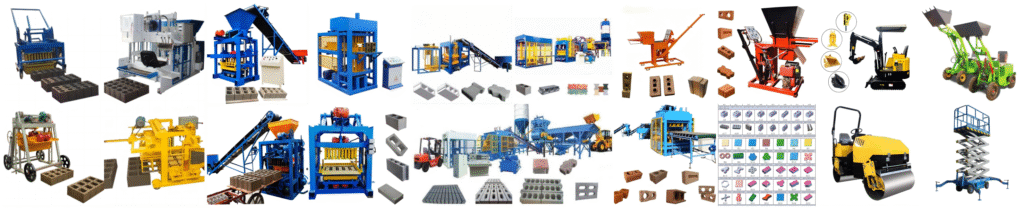
- Sistem Manual dan Semi-Automatik Tahap Permulaan:Di pasaran AS, mesin manual asas berharga antara$3,500 hingga $12,000Sementara itu, model separa automatik biasanya berada di antara$18,000 dan $55,000Sistem-sistem ini sering digemari oleh perniagaan landskap kecil, pengeluar khusus, dan syarikat permulaan yang menumpu pada binaan bata tersuai atau seni bina. Premium harga berbanding purata global adalah untuk mematuhi piawaian elektrik UL/ETL, ciri keselamatan selaras OSHA, dan kos buruh serta keluli domestik yang lebih tinggi bagi unit yang dipasang di AS.
- Sistem Pengeluaran Sepenuhnya Automatik Julat Pertengahan:Kategori ini, berharga dari$65,000 hingga $220,000, mewakili segmen paling aktif dalam pasaran AS. Peralatan dalam julat ini direka untuk perusahaan kecil dan sederhana (PKS) yang membekalkan kedai-kedai bahan binaan serantau dan kontraktor. Sistem-sistem ini dilengkapi kawalan PLC, pengendalian palet automatik, dan output antara 5,000 hingga 15,000 bata setiap syif 8 jam. Struktur harga selalunya merangkumi pemasangan dan pelancaran asas, yang merupakan perkhidmatan kritikal memandangkan sifat teknikal peralatan tersebut.
- Talian Pengeluaran Turnkey Berskala Perindustrian:Bagi pengeluar berskala besar dan pelabur strategik, penyelesaian lengkap turnkey merangkumi daripada$250,000 hingga lebih $1.2 jutaSistem-sistem ini merangkumi loji pembancuhan bersepadu, pemaletan robotik, dan sistem pematangan canggih. Bahagian paling maju dalam spektrum ini termasuk penyelesaian tersuai kejuruteraan yang mampu menghasilkan lebih 30,000 bata setiap syif. Tahap ini biasanya melibatkan perundingan kejuruteraan yang signifikan dan tertakluk kepada logistik kompleks, termasuk pengangkutan khas dan perkhidmatan kren untuk pemasangan.
1.2 Penentu Utama Kos Jentera dalam Pasaran AS
Pelbagai faktor unik dalam persekitaran komersial Amerika Syarikat mempengaruhi harga peralatan akhir dengan ketara.
- Kos Pematuhan dan PensijilanJentera yang dijual di AS mesti mematuhi peraturan ketat, termasuk piawaian keselamatan tempat kerja OSHA, pensijilan elektrik UL/ETL, dan di sesetengah wilayah, keperluan pelepasan Lembaga Sumber Udara California (CARB) untuk komponen berkuasa enjin. Proses kejuruteraan, pengujian, dan pensijilan menambah 8-15% kepada kos pembuatan asas berbanding peralatan yang ditujukan untuk pasaran yang kurang dikawal selia.
- Ekonomi Pengeluaran Domestik vs. Import:Peralatan yang dikilang atau dipasang di dalam AS biasanya membawa premium harga 10-25% berbanding setara yang diimport terus. Walau bagaimanapun, ini sering diimbangi oleh masa tunggu yang lebih singkat (4-8 minggu berbanding 12-20 minggu), kos penghantaran yang lebih rendah, akses lebih mudah ke alat ganti, dan sokongan teknikal yang lebih responsif. Kluster pembuatan utama terletak di Texas, Midwest, dan Tenggara, memanfaatkan pengeluaran keluli serantau dan kepakaran perindustrian.
- Struktur Tarif dan Pertimbangan Import:Jentera yang diimport ke AS tertakluk kepada kod Jadual Tarif Harmonis (HTS), dengan kebanyakan mesin pembuatan bata jatuh di bawah tajuk 8474. Kadar duti biasanya antara 0% hingga 3.7%, tetapi tarif tambahan di bawah Seksyen 301 boleh dikenakan ke atas negara asal tertentu, berpotensi menambah 25% kepada nilai kastam. Analisis kejuruteraan duti yang menyeluruh adalah penting untuk ramalan kos yang tepat bagi peralatan import.
- Perbelanjaan Logistik dan Pemasangan:Geografi AS yang luas menciptakan variasi signifikan dalam biaya logistik. Mengirim mesin dalam kontainer dari pelabuhan Pantai Barat ke fasilitas di Midwest dapat menelan biaya $4.000-$7.000, sementara tujuan di Pantai Timur mungkin berkisar antara $2.500-$5.000. Layanan instalasi dan komisioning biasanya menambah 5-12% dari total biaya peralatan, mencakup verifikasi fondasi, penyambungan listrik, dan pelatihan operasional.
1.3 Jumlah Kos Pemilikan dan Ekonomi Operasi
Analisis kewangan yang komprehensif mesti melangkaui harga pembelian awal untuk merangkumi kos kitaran hayat penuh peralatan.
- Analisis Perbelanjaan Operasi:
- Kos Buruh: US wage rates significantly impact operational economics. A single automated system may require 2-3 operators per shift at wages ranging from $18-$32 per hour, plus benefits. This labor structure favors higher levels of automation to maximize output per labor dollar.
- Penggunaan Tenaga: With US industrial electricity rates averaging $0.07-$0.12 per kWh, the annual energy cost for a mid-range automated system typically ranges from $8,000 to $20,000, depending on regional rates and production volume.
- Maintenance and Parts: Annual maintenance costs average 3-5% of the initial equipment investment. The availability and cost of replacement parts, especially for imported machines, can significantly impact long-term operational continuity and cost.
- Return on Investment Projections: Well-utilized automatic systems in the US market typically achieve ROI within 2-4 years. This timeline is highly sensitive to local brick pricing (which ranges from $0.50 to $1.20 per standard brick), capacity utilization rates, and efficiency of raw material sourcing. The robust US construction market generally supports favorable economics for efficient producers.
1.4 Strategic Procurement and Financing Pathways
Navigating the acquisition process requires careful consideration of financing options and supplier selection criteria.
- Supplier Qualification and Due Diligence: The US market contains a mix of domestic manufacturers, international companies with US-based operations, and import distributors. Critical evaluation factors should include: years of US market presence, installation portfolio, spare parts inventory location, and responsiveness of technical support. Verifying supplier stability through financial records and customer references is essential.
- Financing Structures and Tax Considerations: Several financing options are available, including equipment loans, leasing arrangements, and Small Business Administration (SBA) loans. Leasing can preserve capital and may offer tax advantages, as payments are often fully deductible as operating expenses. Section 179 of the IRS tax code allows for immediate deduction of up to $1,080,000 of qualified business equipment purchased and placed in service during the tax year, providing significant potential tax benefits.
- Warranty and Service Agreement Evaluation: US market expectations typically include comprehensive warranties ranging from 1-3 years on major components. Service-level agreements should clearly define response times, spare parts availability guarantees, and remote support capabilities. The geographic coverage of service technicians is particularly important given the size of the US market.
Kesimpulan
The US market for cement brick making machinery presents a dynamic landscape of investment opportunities characterized by stringent compliance requirements, sophisticated customer demands, and robust competition. Success in this market requires moving beyond simple price comparisons to a holistic understanding of total cost of ownership, regulatory compliance, and long-term operational support. For distributors and investors, the strategic selection of appropriately scaled technology from a reputable supplier with proven US operational capabilities represents the most reliable path to achieving sustainable competitive advantage and strong returns on investment. In a market where efficiency, quality, and reliability are paramount, the right equipment decision serves as the foundation for long-term business success and growth.
Soalan Lazim (FAQ)
Q1: What are the typical payment terms for machinery purchases in the US market?
A: Standard payment terms for domestic US transactions typically involve a 30-50% deposit upon order confirmation, with the balance due prior to shipment or upon completion of installation. For transactions exceeding $150,000, milestone-based payment schedules are common, often linked to engineering completion, manufacturing completion, and final commissioning. International suppliers may require irrevocable letters of credit for security.
Q2: How do US building codes and material standards affect machine selection?
A: ASTM International standards govern brick and block production in the US. Machines must be capable of producing units that comply with relevant standards such as ASTM C90 for load-bearing concrete masonry units. This requires precision in dimensional control and the ability to achieve consistent compressive strength, typically necessitating equipment with precise vibration and pressure control systems.
Q3: What is the availability of technical support and spare parts for imported machines in the US?
A: This varies significantly by supplier. Reputable international companies maintain US-based spare parts inventories and technical teams, while others operate through distributors. Critical considerations include: parts inventory location within the US, average parts delivery time, and the availability of comprehensive maintenance documentation in English. For mission-critical operations, a domestic parts inventory is highly recommended.
Q4: Are there grants or incentives available for purchasing brick making equipment in the US?
A: While direct federal grants for equipment purchase are rare, several incentive programs may apply. These include SBA loan guarantees, state-level industrial development bonds, and in certain cases, opportunity zone benefits. Additionally, energy-efficient equipment may qualify for local utility rebate programs. The Investment Tax Credit (ITC) does not typically apply to brick making machinery unless it incorporates significant solar or renewable energy components.
Q5: How does the US regulatory environment impact equipment operation?
A: Beyond initial certification, ongoing operation must comply with OSHA regulations for machine guarding, lockout/tagout procedures, and noise exposure limits. The National Fire Protection Association (NFPA) standards may apply to electrical systems, and environmental regulations may govern water runoff and dust control. Reputable suppliers design their US-market equipment with these regulations in mind.
Q6: What are the lead times for equipment delivery in the US market?
A: Lead times vary substantially based on equipment source and complexity. Domestically manufactured standard models typically ship within 4-8 weeks. Customized or imported equipment generally requires 12-20 weeks from order to delivery. Current global supply chain conditions can significantly impact these timelines, making project planning with buffer time essential.