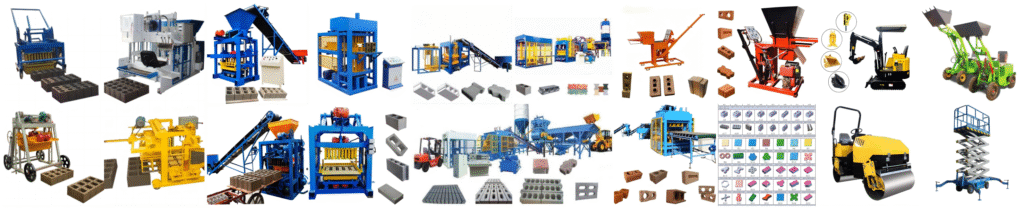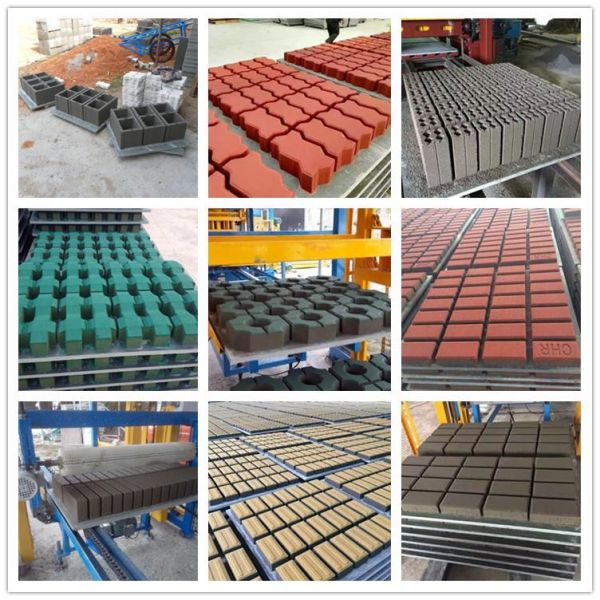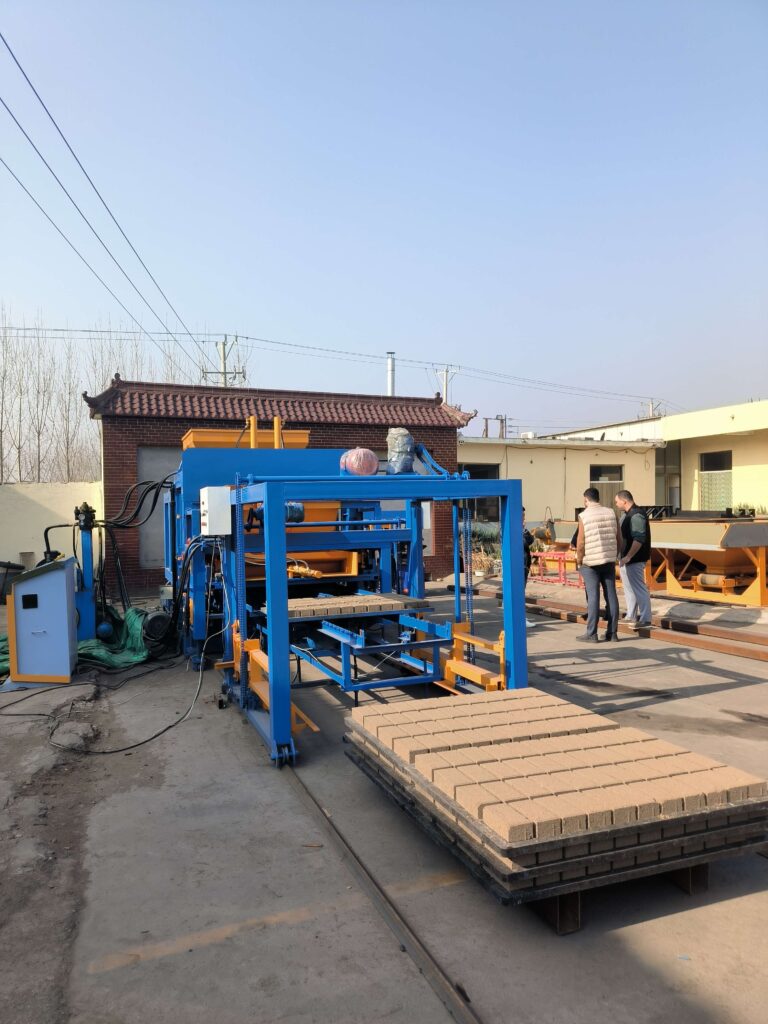
Panimula sa Pamilihan ng Makinarya para sa Semento Brick sa Estados Unidos
Ang industriya ng konstruksyon sa Estados Unidos, na kilala sa matatag nitong balangkas ng regulasyon, iba't ibang pangangailangan sa mga rehiyon, at pagbibigay-diin sa teknolohikal na inobasyon, ay nagpapakita ng isang natatanging pamilihan para sa makinarya ng paggawa ng semento ladrilyo. Para sa mga distributor, espesyalista sa pagbili, at mamumuhunan sa industriya, ang paglalakbay sa larangan ng pagpepresyo para sa kagamitang ito ay nangangailangan ng masusing pag-unawa sa mga uso sa pagmamanupaktura sa loob ng bansa, mga pagsasaalang-alang sa lohistika, at mga kinakailangan sa pagsunod. Ang pagkuha ng isang makina ng paggawa ng semento ladrilyo ay hindi lamang isang pagbili kundi isang estratehikong pamumuhunan ng kapital na dapat na umaayon sa lokal na ekonomiya ng produksyon, mga gastos sa paggawa, at pagkakaroon ng materyales.
Komprehensibong Pagsusuri sa Pamilihan at Pamumuhunan
1.1 Arkitektura ng Presyo at Mga Antas ng Kagamitan na Tiyak sa Estados Unidos
Ang halaga ng makinarya sa paggawa ng semento at ladrilyo sa merkado ng Estados Unidos ay naaapektuhan ng pinagsamang gastos sa pagmamanupaktura sa loob ng bansa, mga taripa sa pag-angkat, at pagsunod sa mahigpit na pamantayan ng kaligtasan at paglabas ng usok sa US.
- Mga Pangunahing Sistemang Manual at Semi-Awomatiko:Sa merkado ng Estados Unidos, ang mga pangunahing manu-manong makina ay nagmumula sa halagang$3,500 hanggang $12,000, samantalang ang mga semi-awtomatikong modelo ay karaniwang nasa pagitan ngLabing-walong libong dolyar at limampu't limang libong dolyarAng mga sistemang ito ay kadalasang pinipili ng maliliit na negosyo sa landscaping, mga espesyalista sa pagmamanupaktura, at mga startup na nakatuon sa pasadyang o arkitektural na mga brick. Ang mas mataas na presyo kumpara sa pandaigdigang average ay sumasaklaw sa pagsunod sa mga pamantayang elektrikal ng UL/ETL, mga tampok na kaligtasan na naaayon sa OSHA, at mas mataas na gastos sa lokal na paggawa at bakal para sa mga yunit na inaasemble sa US.
- Mid-Range na Ganap na Awtomatikong Sistema ng Produksyon:Ang kategoryang ito, na may presyo mula sa$65,000 hanggang $220,000Ang mid-range ang kumakatawan sa pinaka-aktibong segment ng merkado ng Estados Unidos. Ang mga kagamitan sa kategoryang ito ay idinisenyo para sa maliliit hanggang katamtamang negosyo (SMEs) na nagbibigay-suplay sa mga rehiyonal na tindahan ng materyales sa konstruksiyon at mga kontratista. Nagtatampok ang mga sistemang ito ng mga kontrol na PLC, awtomatikong paghawak ng pallet, at output mula 5,000 hanggang 15,000 bricks bawat 8-oras na shift. Kadalasang kasama sa istruktura ng pagpepresyo ang pangunahing pag-install at pagkomisyon, na isang mahalagang serbisyo dahil sa teknikal na katangian ng mga kagamitan.
- Mga Linya ng Produksiyong Turnkey sa Antas-Industriyal:Para sa mga malalaking manupaktura at estratehikong mamumuhunan, ang kumpletong turnkey na solusyon ay sumasaklaw mula sa$250,000 hanggang mahigit $1.2 milyonKabilang sa mga sistemang ito ang mga integradong halaman ng pagbabate, mga robotikong paletayzer, at sopistikadong sistema ng pagpapahinog. Ang pinakamataas na antas nito ay kinabibilangan ng mga pasadyang ininhinyerong solusyon na kayang gumawa ng mahigit 30,000 brick bawat turno. Kadalasang nangangailangan ang antas na ito ng malawakang konsultasyon sa engineering at sumasailalim sa masalimuot na mga logistika, kabilang ang mga espesyalisadong serbisyo sa kargamento at kreyn para sa pag-instala.
1.2 Pangunahing Mga Salik na Nakaaapekto sa Gastos ng Makinarya sa Pamilihan ng Estados Unidos
Maraming salik na natatangi sa komersyal na kapaligiran ng Amerika ang malaking nakakaapekto sa huling presyo ng kagamitan.
- Mga Gastos sa Pagsunod at PagpapatunayAng mga makinaryang ipinagbibili sa US ay dapat sumunod sa mahigpit na mga regulasyon, kabilang ang mga pamantayang pangkaligtasan sa lugar-paggawa ng OSHA, sertipikasyong elektrikal ng UL/ETL, at sa ilang rehiyon, mga kinakailangan sa emisyon ng California Air Resources Board (CARB) para sa mga komponenteng pinapatakbo ng makina. Ang mga proseso ng inhenyeriya, pagsubok, at sertipikasyon ay nagdaragdag ng 8-15% sa batayang gastos sa pagmamanupaktura kumpara sa mga kagamitang nilaan para sa mga merkadong may mas mababang regulasyon.
- Domestic Production vs. Import Economics: Equipment manufactured or assembled within the US typically carries a 10-25% price premium over directly imported equivalents. However, this is often offset by reduced lead times (4-8 weeks versus 12-20 weeks), lower shipping costs, easier access to spare parts, and more responsive technical support. Major manufacturing clusters are located in Texas, the Midwest, and the Southeast, leveraging regional steel production and industrial expertise.
- Tariff Structures and Import Considerations: Machinery imported into the US is subject to Harmonized Tariff Schedule (HTS) codes, with most brick making machines falling under heading 8474. Duty rates typically range from 0% to 3.7%, but additional tariffs under Section 301 can apply to certain countries of origin, potentially adding 25% to the customs value. A thorough duty engineering analysis is essential for accurate cost forecasting on imported equipment.
- Logistics and Installation Expenses: The vast geography of the US creates significant variance in logistics costs. Shipping a containerized machine from a West Coast port to a Midwest facility can cost $4,000-$7,000, while East Coast destinations may range from $2,500-$5,000. Installation and commissioning services typically add 5-12% to the total equipment cost, covering foundation verification, electrical hookup, and operational training.
1.3 Total Cost of Ownership and Operational Economics
A comprehensive financial analysis must extend beyond the initial purchase price to encompass the full lifecycle cost of the equipment.
- Operational Expenditure Analysis:
- Gastos sa Paggawa: US wage rates significantly impact operational economics. A single automated system may require 2-3 operators per shift at wages ranging from $18-$32 per hour, plus benefits. This labor structure favors higher levels of automation to maximize output per labor dollar.
- Pagkonsumo ng Enerhiya: With US industrial electricity rates averaging $0.07-$0.12 per kWh, the annual energy cost for a mid-range automated system typically ranges from $8,000 to $20,000, depending on regional rates and production volume.
- Maintenance and Parts: Annual maintenance costs average 3-5% of the initial equipment investment. The availability and cost of replacement parts, especially for imported machines, can significantly impact long-term operational continuity and cost.
- Return on Investment Projections: Well-utilized automatic systems in the US market typically achieve ROI within 2-4 years. This timeline is highly sensitive to local brick pricing (which ranges from $0.50 to $1.20 per standard brick), capacity utilization rates, and efficiency of raw material sourcing. The robust US construction market generally supports favorable economics for efficient producers.
1.4 Strategic Procurement and Financing Pathways
Navigating the acquisition process requires careful consideration of financing options and supplier selection criteria.
- Supplier Qualification and Due Diligence: The US market contains a mix of domestic manufacturers, international companies with US-based operations, and import distributors. Critical evaluation factors should include: years of US market presence, installation portfolio, spare parts inventory location, and responsiveness of technical support. Verifying supplier stability through financial records and customer references is essential.
- Financing Structures and Tax Considerations: Several financing options are available, including equipment loans, leasing arrangements, and Small Business Administration (SBA) loans. Leasing can preserve capital and may offer tax advantages, as payments are often fully deductible as operating expenses. Section 179 of the IRS tax code allows for immediate deduction of up to $1,080,000 of qualified business equipment purchased and placed in service during the tax year, providing significant potential tax benefits.
- Warranty and Service Agreement Evaluation: US market expectations typically include comprehensive warranties ranging from 1-3 years on major components. Service-level agreements should clearly define response times, spare parts availability guarantees, and remote support capabilities. The geographic coverage of service technicians is particularly important given the size of the US market.
Conclusion
The US market for cement brick making machinery presents a dynamic landscape of investment opportunities characterized by stringent compliance requirements, sophisticated customer demands, and robust competition. Success in this market requires moving beyond simple price comparisons to a holistic understanding of total cost of ownership, regulatory compliance, and long-term operational support. For distributors and investors, the strategic selection of appropriately scaled technology from a reputable supplier with proven US operational capabilities represents the most reliable path to achieving sustainable competitive advantage and strong returns on investment. In a market where efficiency, quality, and reliability are paramount, the right equipment decision serves as the foundation for long-term business success and growth.
Frequently Asked Questions (FAQ)
Q1: What are the typical payment terms for machinery purchases in the US market?
A: Standard payment terms for domestic US transactions typically involve a 30-50% deposit upon order confirmation, with the balance due prior to shipment or upon completion of installation. For transactions exceeding $150,000, milestone-based payment schedules are common, often linked to engineering completion, manufacturing completion, and final commissioning. International suppliers may require irrevocable letters of credit for security.
Q2: How do US building codes and material standards affect machine selection?
A: ASTM International standards govern brick and block production in the US. Machines must be capable of producing units that comply with relevant standards such as ASTM C90 for load-bearing concrete masonry units. This requires precision in dimensional control and the ability to achieve consistent compressive strength, typically necessitating equipment with precise vibration and pressure control systems.
Q3: What is the availability of technical support and spare parts for imported machines in the US?
A: This varies significantly by supplier. Reputable international companies maintain US-based spare parts inventories and technical teams, while others operate through distributors. Critical considerations include: parts inventory location within the US, average parts delivery time, and the availability of comprehensive maintenance documentation in English. For mission-critical operations, a domestic parts inventory is highly recommended.
Q4: Are there grants or incentives available for purchasing brick making equipment in the US?
A: While direct federal grants for equipment purchase are rare, several incentive programs may apply. These include SBA loan guarantees, state-level industrial development bonds, and in certain cases, opportunity zone benefits. Additionally, energy-efficient equipment may qualify for local utility rebate programs. The Investment Tax Credit (ITC) does not typically apply to brick making machinery unless it incorporates significant solar or renewable energy components.
Q5: How does the US regulatory environment impact equipment operation?
A: Beyond initial certification, ongoing operation must comply with OSHA regulations for machine guarding, lockout/tagout procedures, and noise exposure limits. The National Fire Protection Association (NFPA) standards may apply to electrical systems, and environmental regulations may govern water runoff and dust control. Reputable suppliers design their US-market equipment with these regulations in mind.
Q6: What are the lead times for equipment delivery in the US market?
A: Lead times vary substantially based on equipment source and complexity. Domestically manufactured standard models typically ship within 4-8 weeks. Customized or imported equipment generally requires 12-20 weeks from order to delivery. Current global supply chain conditions can significantly impact these timelines, making project planning with buffer time essential.