
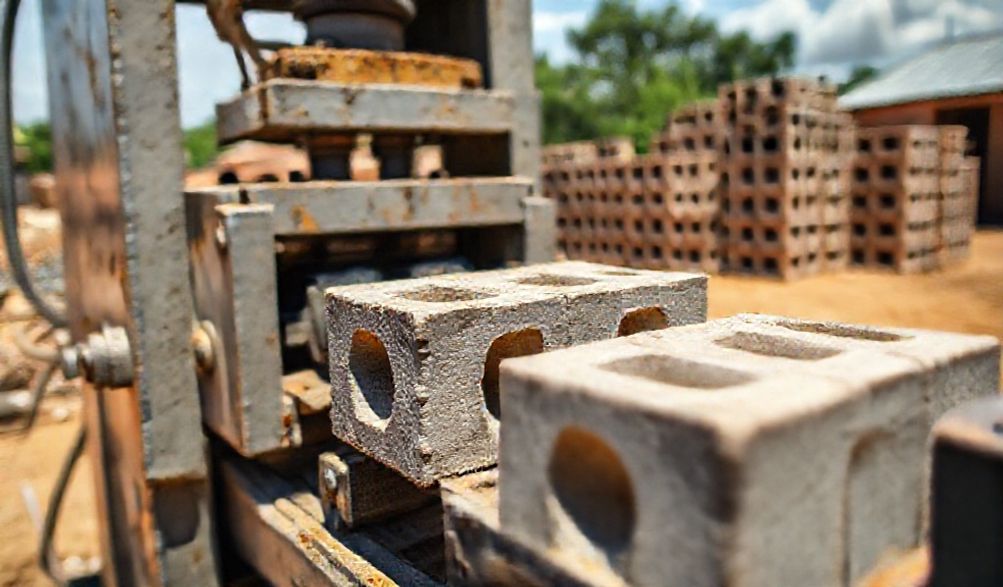
Harga Mesin Pembuat Blok Konkrit di Uganda: Panduan Pembeli & Analisis Pasaran 2026
Pengenalan
Garis langit Uganda sedang berubah. Dengan kadar pertumbuhan pembinaan tahunan yang secara konsisten melebihi 6% dan defisit perumahan nasional yang dianggarkan berjuta-juta, permintaan untuk bahan binaan yang mampu milik dan boleh dipercayai tidak pernah lebih tinggi. Di teras revolusi pembinaan ini terletak blok konkrit yang sederhana—komponen asas untuk segala-galanya dari rumah kediaman hingga kompleks komersial. Bagi usahawan yang bijak dan firma pembinaan yang mantap, ini membentangkan peluang yang besar: melabur dalam mesin pembuat blok konkrit. Tetapi dengan harga yang berjulat dari beberapa juta hingga ratusan juta Shilling Uganda, bagaimana anda mengemudi pelaburan kritikal ini?
Berdasarkan tinjauan pasaran yang mendalam dan perundingan dengan pengeluar tempatan serta perniagaan pembinaan di seluruh Kampala, Jinja, dan Mbarara, panduan ini direka untuk menjadi sumber muktamad anda. Kami bukan sekadar menyenaraikan harga. Anda akan memperoleh pemahaman menyeluruh tentang faktor-faktor yang menentukan kos, belajar cara mengira pelaburan sebenar dan potensi pulangan, serta menerima nasihat praktikal untuk memilih pembekal yang boleh dipercayai dalam pasaran dinamik Uganda. Anggap ini sebagai peta jalan anda untuk membuat pembelian yang berinformasi dan yakin yang menggerakkan pertumbuhan perniagaan anda.
Memahami Pasaran Blok Konkrit Uganda
Sebelum menyelami spesifikasi mesin dan label harga, adalah penting untuk memahami daya pasaran yang beroperasi. Peluang dalam pengeluaran blok berkait secara langsung dengan trajektori pembangunan Uganda yang lebih luas.
Permintaan untuk Perumahan Mampu Milik dan Infrastruktur
Wawasan 2040 Uganda dan Pelan Pembangunan Negara Ketiga (NDPIII) secara eksplisit mengutamakan pembangunan infrastruktur dan perbandaran. Fokus kerajaan terhadap jalan raya, sekolah, hospital, dan taman perindustrian, ditambah dengan migrasi pantas ke bandar, mewujudkan permintaan berterusan dan berjumlah besar bagi bahan binaan. Blok konkrit lebih digemari kerana ketahanan, sifat terma, dan keberkesanan kosnya berbanding batu bata tradisional yang dibakar. Permintaan berasaskan dasar dan demografi ini menyediakan pasaran yang stabil bagi pengeluar blok.
Kelebihan Memulakan Perniagaan Blok Konkrit di Uganda
Memulakan usaha pengeluaran blok di Uganda mempunyai kelebihan unik:
* Ketersediaan Bahan Tempatan:Bahan-bahan teras—agregat (batu), pasir, dan simen—sebahagian besarnya diperoleh dari sumber tempatan. Ini mengurangkan risiko dan kos rantaian bekalan bahan mentah.
* Potensi Keuntungan Tinggi:Dengan operasi yang cekap, margin antara kos pengeluaran dan harga jualan blok boleh menjadi besar, terutamanya apabila membekalkan projek pembinaan yang berterusan.
* Sumbangan Ekonomi:Anda menyumbang secara langsung kepada penciptaan pekerjaan tempatan dan inisiatif "Dibuat di Uganda", membekalkan produk kritikal untuk pertumbuhan negara.
* Pemiawaian:Blok buatan mesin menawarkan saiz, bentuk, dan kekuatan yang konsisten, yang semakin dituntut oleh jurutera dan kontraktor untuk jaminan kualiti.
Faktor Utama yang Menentukan Harga Mesin Blok Konkrit di Uganda
Harga mesin blok bukanlah sewenang-wenangnya. Ia adalah cerminan langsung keupayaan, kerumitan, dan asal usulnya. Memahami faktor-faktor ini akan membantu anda menyelaraskan bajet dengan keperluan perniagaan anda.
Jenis Mesin dan Tahap Automasi
Ini adalah penentu harga yang paling penting.
* Mesin Manual:Dikendalikan sepenuhnya oleh tuil tangan. Kos permulaan terendah tetapi intensiti buruh tertinggi dan output terendah.
* Mesin Semi-Automatik:Mempamerkan sistem getaran berkuasa elektrik atau diesel untuk memadatkan konkrit. Operator memasukkan bahan dan mengeluarkan blok. Menawarkan keseimbangan terbaik dari segi harga, keluaran, dan automasi untuk banyak perniagaan di Uganda.
* Mesin Sepenuhnya Automatik:Sistem terkawal komputer yang mengendalikan pencampuran, pemakanan, pemadatan, pengawetan, dan penyusunan dengan campur tangan manusia yang minimum. Dijual pada harga premium tetapi menawarkan keluaran dan konsistensi yang tiada tandingan.
* Mesin Blok Mudah Alih:Dipasang pada treler untuk memudahkan pengangkutan ke tapak pembinaan besar. Menghapuskan kos pengangkutan untuk bongkah siap. Dihargakan lebih tinggi daripada model separa automatik pegun kerana mobiliti tambahan.
Kapasiti Pengeluaran (Blok Per Jam/Hari)
Kapasiti merupakan pemacu utama kos. Mesin yang dinilai untuk 1,000 blok setiap syif 8 jam akan jauh lebih murah berbanding yang dinilai untuk 5,000 blok. Bersikap realistik tentang permintaan pasaran dan unjuran pertumbuhan anda. Pelaburan berlebihan dalam kapasiti yang tidak digunakan akan mengikat modal, manakala pelaburan yang tidak mencukupi akan menyebabkan kerugian pendapatan.
Jenama dan Negara Asal
Sumber mesin sangat mempengaruhi harga, kualiti, dan kos pemilikan jangka panjangnya.
* Mesin CinaMenguasai pasaran Uganda kerana harga yang kompetitif. Kualiti boleh berbeza secara dramatik antara pengeluar. Penilaian pembekal yang berwaspada adalah penting.
* Mesin IndiaSelalunya dilihat sebagai alternatif yang seimbang, menawarkan kualiti binaan yang kukuh pada harga yang sedikit lebih tinggi berbanding setara China, dengan ketersediaan alat ganti yang secara amnya baik.
* Mesin Eropah Represent the premium tier with superior engineering, durability, and automation. Prices are significantly higher, and parts/service networks in East Africa may be limited.
* Locally Assembled/Manufactured: A growing segment. These machines may use imported components but are assembled in Uganda, potentially offering better after-sales support and understanding of local conditions.
Block Type and Mold Configuration
The type of block you plan to produce affects the machine’s complexity and price.
* Standard Hollow/Solid Blocks: The most common and typically the least expensive mold option.
* Blok Saling Kunci: Require more precise molds and often stronger vibration, increasing cost.
* Paving Slabs, Kerbstones, and Designer Blocks: Specialized molds and sometimes different machine configurations are needed, raising the investment.
Sumber Kuasa
Your site’s infrastructure will guide this choice.
* Elektrik: Most common for semi and fully automatic stationary plants. Requires reliable grid or generator power.
* Diesel: Crucial for mobile machines or areas with unstable electricity. Higher operational fuel cost but ensures independence.
* Manual: No power cost, but severely limits production scale.
Concrete Block Making Machine Price Ranges in Uganda (2026)
Penafian Penting: The following price ranges are indicative estimates for 2026 based on current market trends, inflation projections, and supplier data. Final prices are subject to change based on specific supplier negotiations, exact specifications, shipping costs, customs duties at the time of import, and currency exchange rate fluctuations. Always request a detailed, itemized quotation from your shortlisted suppliers.
Mesin Membuat Blok Manual
- Julat Harga: UGX 1,500,000 – UGX 6,000,000
- Terbaik Untuk: Individuals, very small-scale startups, community-based organizations, or for producing blocks for a single personal construction project. Output is low and physically demanding.
Mesin Membuat Blok Semi-Automatik
- Julat Harga: UGX 10,000,000 – UGX 45,000,000
- Terbaik Untuk: The sweet spot for most growing small and medium enterprises (SMEs) in Uganda. Ideal for a dedicated block yard supplying local builders. Offers a strong balance between automation, output (500 – 3,000 blocks per day), and upfront cost.
Mesin Pembuat Blok Sepenuhnya Automatik
- Julat Harga: UGX 50,000,000 – UGX 250,000,000+
- Terbaik Untuk: Large-scale commercial production plants aiming to supply major contractors, government projects, or distributors across regions. Requires significant space, stable three-phase power, and higher technical expertise to operate and maintain.
Mesin Pembuat Blok Mudah Alih
- Julat Harga: UGX 25,000,000 – UGX 80,000,000
- Terbaik Untuk: Construction companies undertaking large, long-duration projects (e.g., housing estates, factory complexes). Producing blocks directly on-site eliminates transport costs and block damage.
Beyond the Machine: Total Investment & Operational Costs
A seasoned operator in Namanve will tell you: the machine’s sticker price is just the beginning. Failing to budget for the total cost of ownership is a common pitfall for new entrants.
Hidden and Ancillary Costs
- Shipping, Customs Duty, and Taxes: If importing directly, factor in CIF (Cost, Insurance, Freight) charges, port clearing fees, and Uganda Revenue Authority (URA) import duties, which can add 25-35%+ to the ex-factory price.
- Foundation & Installation: A semi-automatic machine needs a solid, level concrete foundation. Installation may require a technician, sometimes at an extra cost.
- Peralatan Bantu: You will likely need a pan or drum concrete mixer, a wheelbarrow or conveyor system, curing racks or pallets, and a reliable water source. These are separate costs.
Raw Material & Labor Costs
- Bahan Mentah: As of 2026 trends, calculate the cost per block based on cement, sand, and aggregate prices in your region. Building relationships with local quarry and sand suppliers is key to managing this variable cost.
- Buruh: A semi-automatic operation may require 3-5 workers for material handling, mixing, operation, and curing. Factor in competitive wages for your area.
Calculating Your Return on Investment (ROI)
Here’s a simplified framework:
1. Calculate Cost Per Block: (Cost of Cement + Sand + Aggregate + Labor + Power + Machine Depreciation) per block.
2. Determine Selling Price: Research the current market price for blocks in your target area (e.g., 6-inch hollow blocks).
3. Estimate Gross Profit Per Block: Selling Price – Cost Per Block.
4. Project Daily/Monthly Output: Based on your machine’s capacity and operational hours.
5. Calculate Payback Period: (Total Machine Investment + Ancillary Costs) / (Gross Profit Per Block x Monthly Block Output).
Example Snapshot for a UGX 30M Semi-Auto Setup:
* Estimated Production Cost per Block: UGX 1,200
* Average Selling Price: UGX 1,800
* Gross Profit per Block: UGX 600
* Daily Output (Target): 1,000 blocks
* Monthly Gross Profit (25 days): UGX 15,000,000
* This is a simplified illustration. Your detailed business plan must account for all overheads, market fluctuations, and downtime.
How to Choose the Right Supplier in Uganda
Your supplier relationship is critical for long-term success. A common challenge reported in Kampala is the difficulty of getting timely spare parts or technical support after the sale.
Local Dealers vs. Direct Import: Pros and Cons
- Local Dealer: Higher machine price, but includes warranty, potential installation help, and (crucially) local after-sales support. They handle import complexities.
- Direct Import from Abroad: Lower ex-factory price, but you bear all shipping, customs, and logistics risks. After-sales support is often slow or non-existent. Recommended only for experienced importers.
Vetting a Supplier: Essential Checklist
- Physical Visit: Do they have a showroom or workshop you can visit?
- After-Sales Promise: Get warranty terms (typically 1 year on major parts) in writing. Ask about the availability of common spare parts (vibration motors, hydraulic seals, molds) in their local stock.
- Client References: Insist on contacting 2-3 previous customers in Uganda. Ask about machine performance and the supplier’s responsiveness to issues.
- Demonstration: Can they show you a machine in operation, either at their yard or a client’s site?
Red Flags to Avoid
- Prices drastically lower than the market average.
- Suppliers who only communicate via WhatsApp with no verifiable physical address.
- Pressure to pay a large deposit before providing a detailed contract.
- Vague or unwilling answers about warranty and service.
Top Recommendations for Different Business Scales
Best Machine for a Small Startup/Individual
A manual or small semi-automatic machine (at the lower end of the UGX 10-20M range) is advisable. Focus on mastering the production process, building a local customer base, and generating cash flow before scaling up. A common recommendation from experienced owners is to start with a robust single-mold semi-automatic machine.
Best Machine for a Growing Construction Company
A medium-capacity semi-automatic machine (UGX 25-45M range) with options for multiple block molds (hollow, solid, interlocking) offers the flexibility to meet diverse project needs. Ensure it has a reliable diesel option if your site power is unstable.
Best Machine for a Large-Scale Block Production Plant
Investment in a talian pengeluaran automatik sepenuhnya is justified. Partner with a reputable international brand that can provide commissioning support and training. Your focus should be on consistent high-volume output, supply contracts, and efficient logistics for distribution.
FAQ Section
Q1: What is the cheapest concrete block making machine available in Uganda?
The cheapest options are single-mold manual presses, which can be found from UGX 1.5 million upwards. However, consider your labor costs and output needs carefully.
Q2: Can I get a loan or financing for a block machine in Uganda?
Yes. Several financial institutions and SACCOs offer asset financing or business loans for equipment purchase. A solid business plan is essential for approval.
Q3: How much profit can I make per block?
Profit varies widely based on your location, material costs, and efficiency. Using the earlier framework, gross profits can range from UGX 300 to UGX 800 per standard block. Net profit is after deducting all overheads.
Q4: Are Chinese block machines in Uganda reliable?
They can be, but quality is not uniform. The key is the pembekal, not just the country of origin. Choose a supplier with a long-term presence in Uganda and a proven track record of support.
Q5: What is the typical warranty period for these machines?
Typically 12 months on major components like the vibration motor, hydraulic system, and frame. Wear items like molds are often covered for a shorter period (e.g., 3-6 months).
Q6: How do I maintain my block making machine to avoid breakdowns?
Daily cleaning of concrete residue, regular checking and tightening of bolts, timely greasing of bearings, and ensuring the hydraulic oil is clean and at the correct level are the most critical routines.
Q7: Where are the main suppliers located in Uganda?
Most established suppliers and dealers are clustered in the industrial areas of Kampala (Namanve, Kisenyi, Bweyogerere)danJinja. Some also operate in larger regional towns like Mbarara and Gulu.
Kesimpulan
Investing in a concrete block making machine in Uganda is a strategic move into the backbone of the nation’s construction sector. As we’ve explored, the price is a function of automation, capacity, and brand, with total costs extending far beyond the initial purchase. The most critical step is partnering with a reputable supplier who will support your business long after the sale.
Use this guide as your foundation. Visit multiple suppliers, inspect their machines, talk to their past clients, and run your numbers meticulously. The potential for success is significant for those who combine a quality machine with sound business acumen and a commitment to serving Uganda’s growing built environment. Take the next step in your entrepreneurial journey with confidence.
<