Analisis Komprehensif Teknologi Mesin Tekan Bata Manual dan Tingkatan Harga
1. Mendekonstruksi Persamaan Harga: Lebih Dari Sekadar Kos Mesin
Harga pelekat bagi mesin tekan bata manual adalah titik permulaan kepada pengiraan ekonomi yang lebih luas. Bagi penjual semula, memahami dan menyampaikan proposisi nilai keseluruhan adalah penting.
- Perbelanjaan Modal (CAPEX) berbanding Perbelanjaan Operasi (OPEX):Titik jualan utamanya ialah pengurangan drastik dalam kedua-duanya. Harga pembelian mesin (CAPEX) adalah rendah, dan kos operasinya (OPEX) hampir sifar—tidak memerlukan kuasa elektrik, hanya penyelenggaraan minima, dan tenaga kerja tidak mahir. Ini mewujudkan naratif pulangan pelaburan (ROI) yang sukar ditolak bagi pembeli.
- Komponen Kos Pembuatan:Harga satu unit ditentukan oleh beberapa faktor: kualiti bahan (gred keluli), kerumitan kejuruteraan (mekanik tuas berbanding sistem hidraulik bersepadu), ketepatan acuan, dan skala pengeluaran pengilang. Komponen dengan spesifikasi lebih tinggi memerlukan harga yang lebih tinggi tetapi membuktikan nilainya melalui ketahanan dan kualiti keluaran.
- Imperatif "Kos per Blok":Metrik yang paling menarik bagi pengguna akhir ialah kos susut nilai setiap blok yang dihasilkan. Mesin yang sedikit lebih mahal tetapi lebih kukuh yang menghasilkan bata selama bertahun-tahun akan mempunyai kos jangka panjang setiap blok yang lebih rendah berbanding model yang lebih murah tetapi kurang tahan lama. Strategi jualan mesti beralih daripada harga awal kepada analisis kos sepanjang hayat ini.
2. Segmentasi Pasaran Berdasarkan Harga dan Keupayaan
Mesin bata manual bukanlah satu entiti tunggal. Ia terbahagi kepada beberapa peringkat berbeza, masing-masing memenuhi profil pelanggan tertentu.
- Tekanan Tuas Tahap Permulaan / Asas:
- Julat Harga:Tingkat ini menduduki julat harga terendah.
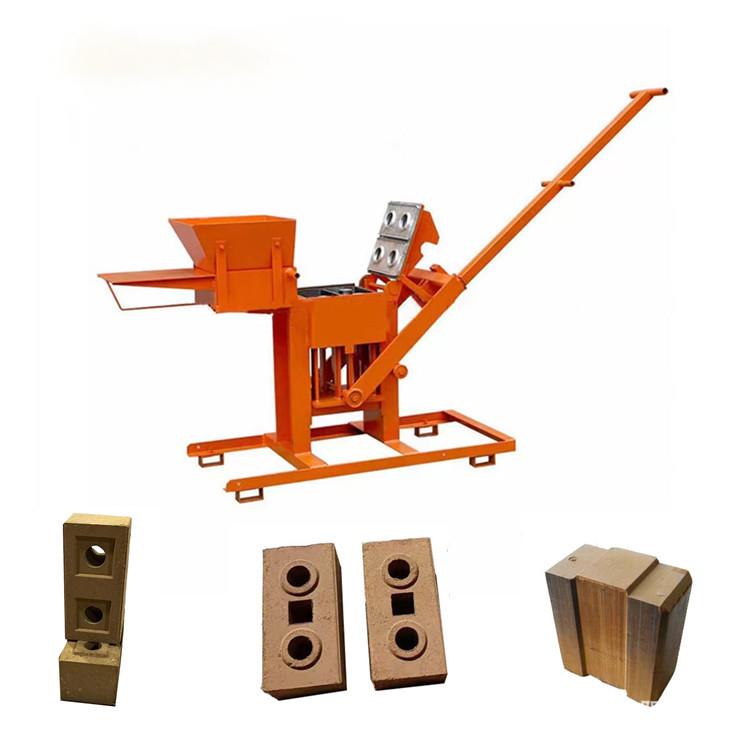
- Spesifikasi & Output:Menggunakan sistem tuas mekanikal tulen. Menawarkan daya mampatan yang lebih rendah (contohnya, 2-4 tan). Kapasiti pengeluaran adalah sederhana, sesuai untuk projek berskala sangat kecil atau penggunaan berselang-seli.
- Pelanggan Sasaran:Pemilik rumah individu, kumpulan bantu diri komuniti, tukang-tukang kecil yang menghasilkan produk untuk kerja-kerja pembaikan tempatan. Bagi penjual semula, segmen ini adalah volum tinggi, margin rendah yang sesuai untuk menarik pembeli kali pertama.
- Tawaran Nilai:Kemampuan beli mutlak dan kesederhanaan.
- Mesin Tekan Julat Sederhana / Bersepadu Hidraulik:
- Julat Harga:Mewakili teras pasaran dengan titik harga yang sederhana.
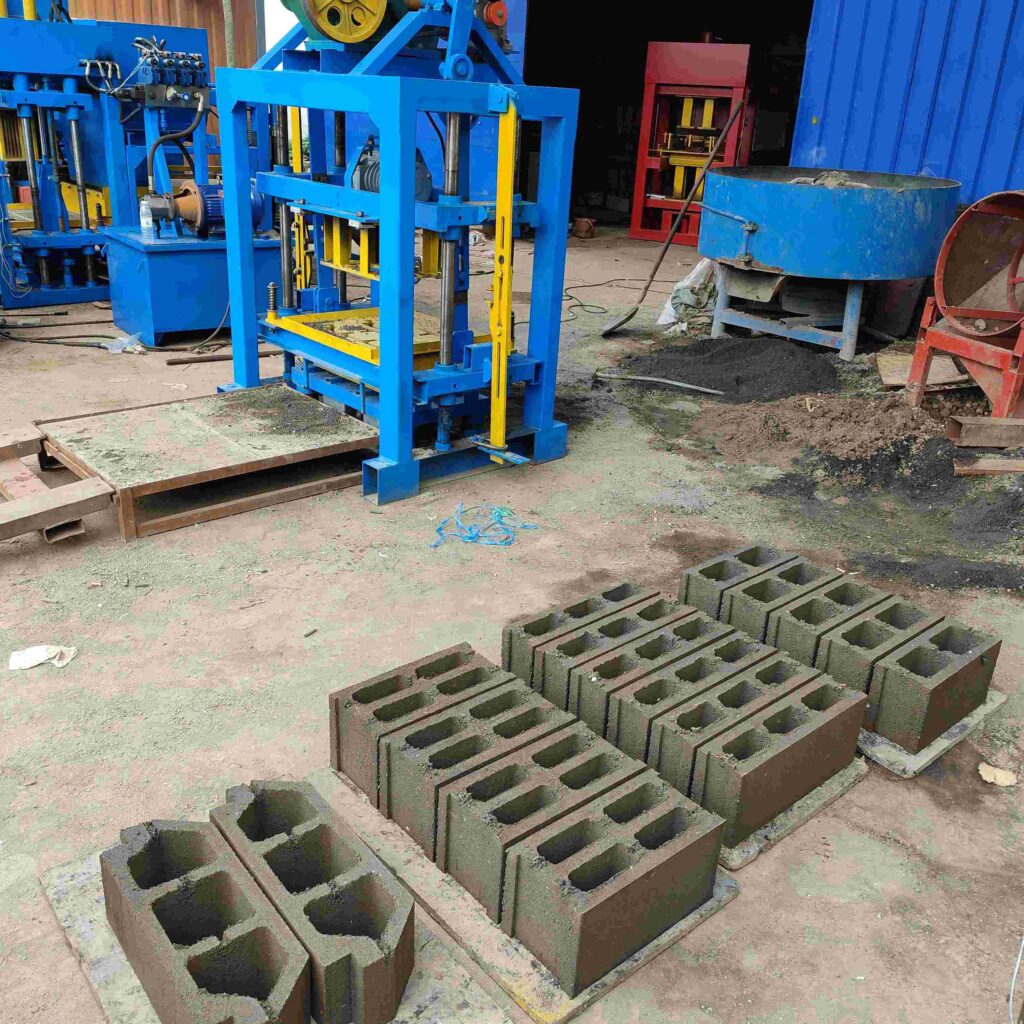
- Spesifikasi & Output:Mempamerkan jack hidraulik berbantu tuas (julat 5-15 tan). Reka bentuk ini memberikan tekanan yang jauh lebih tinggi dan konsisten, menghasilkan bata yang lebih padat dan kuat pada kadar yang lebih pantas. Selalunya dilengkapi ciri seperti sistem pengusiran yang dipertingkatkan dan reka bentuk acuan yang lebih tahan lama.
- Pelanggan Sasaran:Perusahaan kecil dan sederhana (PKS) yang fokus pada pengeluaran bata komersial, koperasi perumahan, NGO yang melaksanakan projek pembinaan. Ini adalah segmen permintaan tinggi dan margin tinggi untuk pengedar.
- Tawaran Nilai: The optimal balance of price, performance, and durability. Offers the best return on investment for serious micro-enterprises.
- High-Capacity / Professional Manual Presses:
- Julat Harga: Sits at the premium end of the manual spectrum.
- Spesifikasi & Output: Engineered for high-volume output. May feature multi-block mold designs (producing 2-3 bricks per cycle), reinforced frames, and industrial-grade hydraulic components. Compression can exceed 20 tons.
- Pelanggan Sasaran: Established block yards supplying local contractors, specialized producers of high-strength paving or interlocking bricks.
- Tawaran Nilai: Maximum productivity within a manual, off-grid framework. For the reseller, this tier builds relationships with professional businesses and demonstrates product range expertise.
3. Strategic Pricing and Margin Management for Resellers
A successful distribution strategy requires more than just applying a markup.
- Bundling for Value Addition: Increase average transaction value and customer stickiness by creating bundles. Example: A Mid-Range Press Bundle could include the machine, two popular mold types, a simple mix guide manual, and a maintenance toolkit. This solves more customer problems and improves margins.
- The Role of Spare Parts Inventory: A significant portion of long-term profitability comes from the sale of wear parts. Pricing strategy should account for the future sale of mold liners, hydraulic seals, and replacement handles. Offering parts packages upfront can be an attractive option.
- Portfolio Pricing Strategy: Price your tiers to clearly differentiate value. The jump from Entry-Level to Mid-Range should be justified by a clear, communicable leap in productivity and business potential. Avoid price clustering that causes customer confusion.
4. Navigating Key Purchase Factors Beyond Sticker Price
Educated buyers will evaluate these factors; prepared resellers will proactively address them.
- Durability and Lifespan: The thickness of steel, quality of welds, and hardening of mold surfaces directly impact longevity. A machine that lasts 5 years versus 2 years has a dramatically different effective annual cost, even if its purchase price is 50% higher.
- Versatility Through Interchangeable Molds: The ability to upsell additional mold sets (for different block shapes, sizes, or textures) transforms a single machine into a multi-product factory. This flexibility protects the end-user’s business from market shifts and creates recurring revenue for the reseller.
- Technical Support and Warranty: The quoted price must be understood in the context of after-sales support. Offering a clear, robust warranty on the frame and molds, and having accessible technical guidance, allows you to command a premium over bare-bones suppliers. This builds brand loyalty in a fragmented market.
Conclusion: Building a Profitable Business on a Solid Foundation
The market for hand-operated brick presses is a testament to the power of appropriate technology driving economic empowerment. For the strategic reseller or distributor, success lies not in competing on the lowest possible price, but in mastering the narrative of value, productivity, and lifetime cost. By clearly segmenting products, educating the market on the true economics of brick production, and building a reputation for quality and support, businesses can cultivate a dominant position. This machinery is more than a product; it is an enabler of local industry, and supplying it effectively bridges the gap between raw material and constructed community. A nuanced understanding of the intricate relationship between the hand press brick making machine and its price is the cornerstone of capturing this resilient and essential market segment.
Frequently Asked Questions (FAQ) for Business Clients
Q1: We see a wide range of prices for what seem like similar machines. What are the red flags in a price that seems “too good to be true”?
A: Extremely low prices often correlate with inferior materials: thin-gauge steel prone to bending, low-quality hydraulic jacks that leak or fail, poorly machined molds that stick and wear quickly, and substandard welding. These machines have high failure rates, leading to costly downtime, damaged reputation, and no parts availability. Always prioritize specifications and verified build quality over the lowest initial cost.
Q2: How should we advise our customers on calculating their true Return on Investment (ROI)?
A: Guide them to consider: 1) Machine Cost, 2) Anggaran Output Harian (in blocks), 3) Local Market Price per Block, 4) Cost of Raw Materials per block, and 5) Labor Costs. The formula is straightforward: (Daily Revenue from Blocks) – (Daily Material + Labor Cost) = Daily Gross Profit. The number of days to recoup the machine cost is its simple payback period. For a mid-range press in an active market, this can be as little as 3-6 months.
Q3: What is the most important factor in ensuring consistent brick quality with a manual press?
A: While the machine provides pressure, raw material mix consistency is paramount. The moisture content and ratio of soil/sand to stabilizer (e.g., cement) must be kept uniform. A well-designed machine ensures consistent pressure, but a variable mix will produce variable bricks. Recommending simple mix protocols or even low-cost manual mixers can greatly enhance client outcomes.
Q4: Can these machines be used with materials other than soil-cement?
A: Yes, this is a key advantage. They are effective with fly ash, quarry dust, crushed aggregate fines, and certain industrial by-products, provided they are properly stabilized. This allows entrepreneurs to source low-cost or waste materials, further improving their profit margins and offering an eco-friendly product. Specific mold and pressure requirements may apply.
Q5: As a distributor, what level of technical knowledge do we need to support these products?
A: A practical, mechanical understanding is essential. Your team should be fully trained on: assembly procedures, routine maintenance (cleaning, lubrication), basic troubleshooting (e.g., block sticking, hydraulic jack issues), and mold changing/alignment. You do not need advanced engineering knowledge, but robust hands-on product training from your supplier is non-negotiable for effective customer support.