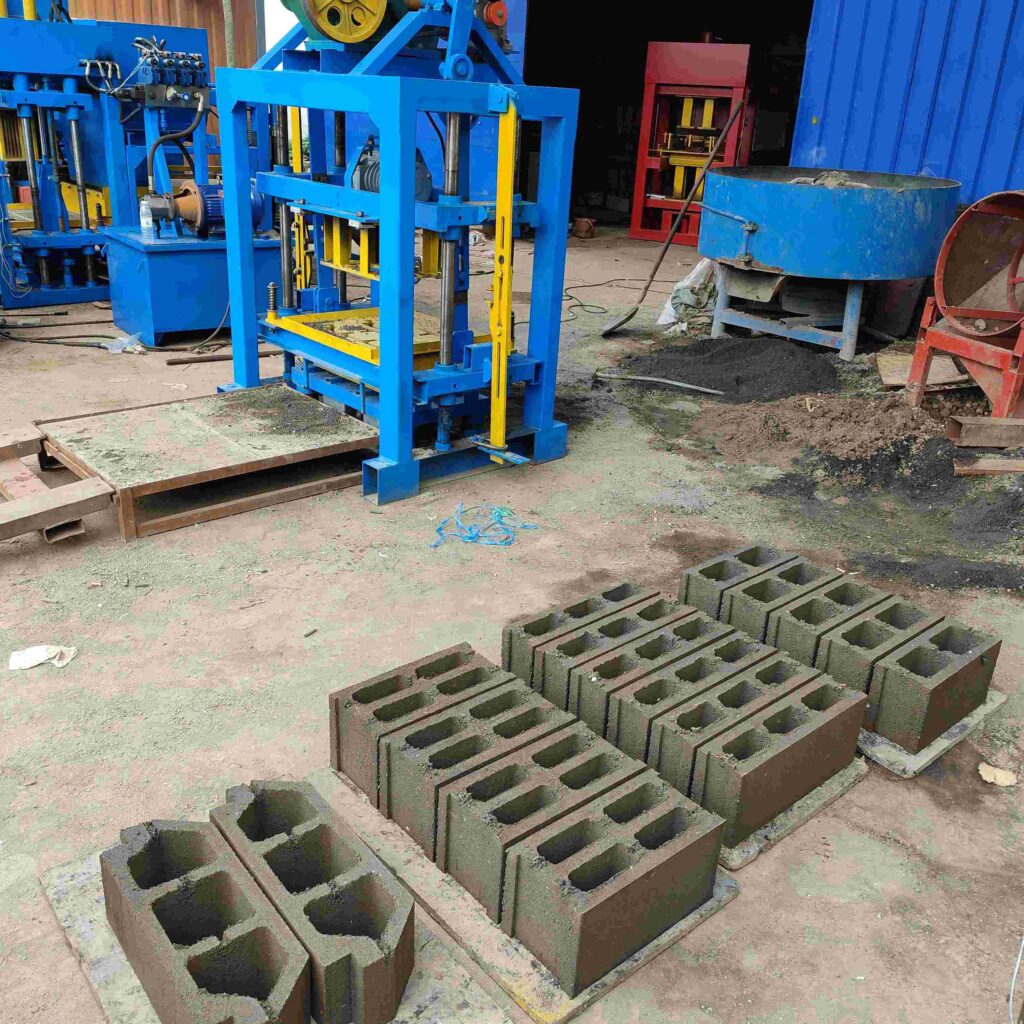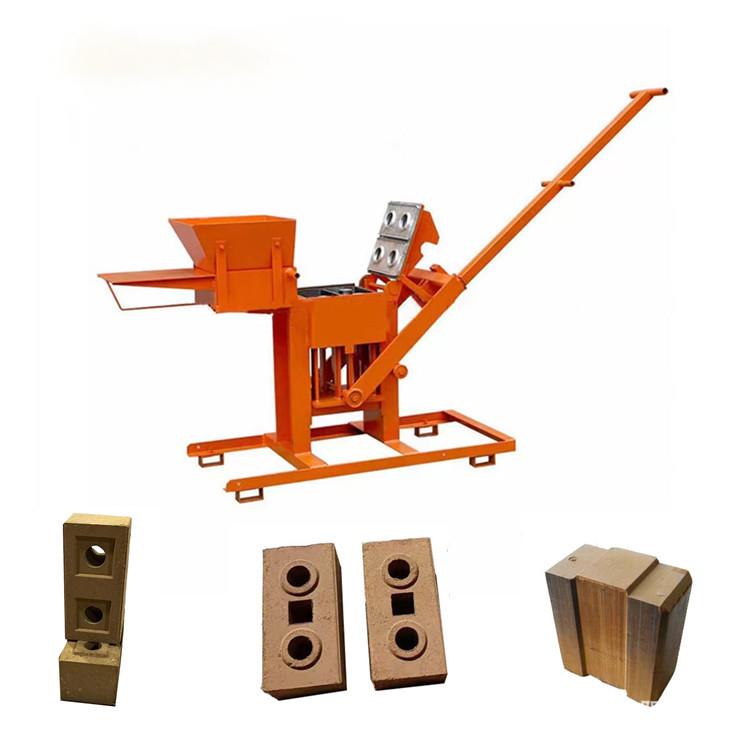
Phân Tích Toàn Diện Công Nghệ Máy Ép Gạch Thủ Công và Các Phân Khúc Giá
1. Phân Tích Phương Trình Giá: Không Chỉ Là Chi Phí Máy Móc
Giá niêm yết của một máy ép gạch thủ công là điểm khởi đầu cho một phép tính kinh tế rộng hơn. Đối với nhà bán lại, việc hiểu và truyền đạt tổng thể đề xuất giá trị là điều tối quan trọng.
- Chi phí Vốn (CAPEX) so với Chi phí Hoạt động (OPEX):Điểm bán hàng chính là sự cắt giảm mạnh mẽ cả hai. Giá mua máy (CAPEX) thấp, và chi phí vận hành (OPEX) gần như bằng không—không cần nguồn điện, chỉ bảo trì tối thiểu và lao động không cần kỹ năng. Điều này tạo nên một câu chuyện về lợi tức đầu tư (ROI) không thể cưỡng lại đối với người mua.
- Các thành phần chi phí sản xuất:Giá của một đơn vị được xác định bởi nhiều yếu tố: chất lượng vật liệu (loại thép), độ phức tạp về kỹ thuật (cơ chế đòn bẩy so với hệ thống thủy lực tích hợp), độ chính xác của khuôn mẫu, và quy mô sản xuất của nhà sản xuất. Các thành phần có thông số kỹ thuật cao hơn thường có giá cao hơn nhưng tự biện minh thông qua độ bền và chất lượng đầu ra.
- Mệnh lệnh "Chi phí trên mỗi Khối":Chỉ số thuyết phục nhất đối với người dùng cuối là chi phí khấu hao trên mỗi khối sản phẩm sản xuất ra. Một máy móc có giá thành cao hơn một chút nhưng bền bỉ hơn, có thể sản xuất gạch trong nhiều năm, sẽ có chi phí lâu dài trên mỗi khối thấp hơn so với một mẫu máy rẻ hơn nhưng kém bền. Chiến lược bán hàng cần chuyển trọng tâm từ giá ban đầu sang phân tích chi phí vòng đời sản phẩm này.
2. Phân khúc thị trường dựa trên giá cả và năng lực
Máy ép gạch thủ công không phải là một khối duy nhất. Chúng được phân thành các cấp độ khác biệt, mỗi loại phục vụ một nhóm khách hàng cụ thể.
- Nhấn Cần Gạt Cấp Độ Cơ Bản / Nhập Môn
- Khoảng giá:Tầng này chiếm mức giá thấp nhất.
- Thông số kỹ thuật & Đầu raSử dụng hệ thống đòn bẩy cơ học thuần túy. Cung cấp lực ép thấp (ví dụ: 2-4 tấn). Năng lực sản xuất khiêm tốn, phù hợp cho các dự án quy mô rất nhỏ hoặc sử dụng không thường xuyên.
- Target Customer: Individual homeowners, community self-help groups, small-scale artisans producing for local repair work. For resellers, this is a high-volume, low-margin segment ideal for attracting first-time buyers.
- Đề Xuất Giá Trị: Absolute affordability and simplicity.
- Mid-Range / Hydraulic-Integrated Presses:
- Khoảng giá: Represents the core of the market with a moderate price point.
- Thông số kỹ thuật & Đầu ra Features a lever-assisted hydraulic jack (5-15 ton range). This design provides significantly higher and more consistent pressure, resulting in denser, stronger bricks at a faster rate. Often includes features like improved ejection systems and more durable mold designs.
- Target Customer: Small to medium enterprises (SMEs) focused on commercial brick production, housing cooperatives, NGOs implementing construction projects. This is the high-demand, high-margin segment for distributors.
- Đề Xuất Giá Trị: The optimal balance of price, performance, and durability. Offers the best return on investment for serious micro-enterprises.
- High-Capacity / Professional Manual Presses:
- Khoảng giá: Sits at the premium end of the manual spectrum.
- Thông số kỹ thuật & Đầu ra Engineered for high-volume output. May feature multi-block mold designs (producing 2-3 bricks per cycle), reinforced frames, and industrial-grade hydraulic components. Compression can exceed 20 tons.
- Target Customer: Established block yards supplying local contractors, specialized producers of high-strength paving or interlocking bricks.
- Đề Xuất Giá Trị: Maximum productivity within a manual, off-grid framework. For the reseller, this tier builds relationships with professional businesses and demonstrates product range expertise.
3. Strategic Pricing and Margin Management for Resellers
A successful distribution strategy requires more than just applying a markup.
- Bundling for Value Addition: Increase average transaction value and customer stickiness by creating bundles. Example: A Mid-Range Press Bundle could include the machine, two popular mold types, a simple mix guide manual, and a maintenance toolkit. This solves more customer problems and improves margins.
- The Role of Spare Parts Inventory: A significant portion of long-term profitability comes from the sale of wear parts. Pricing strategy should account for the future sale of mold liners, hydraulic seals, and replacement handles. Offering parts packages upfront can be an attractive option.
- Portfolio Pricing Strategy: Price your tiers to clearly differentiate value. The jump from Entry-Level to Mid-Range should be justified by a clear, communicable leap in productivity and business potential. Avoid price clustering that causes customer confusion.
4. Navigating Key Purchase Factors Beyond Sticker Price
Educated buyers will evaluate these factors; prepared resellers will proactively address them.
- Durability and Lifespan: The thickness of steel, quality of welds, and hardening of mold surfaces directly impact longevity. A machine that lasts 5 years versus 2 years has a dramatically different effective annual cost, even if its purchase price is 50% higher.
- Versatility Through Interchangeable Molds: The ability to upsell additional mold sets (for different block shapes, sizes, or textures) transforms a single machine into a multi-product factory. This flexibility protects the end-user’s business from market shifts and creates recurring revenue for the reseller.
- Technical Support and Warranty: The quoted price must be understood in the context of after-sales support. Offering a clear, robust warranty on the frame and molds, and having accessible technical guidance, allows you to command a premium over bare-bones suppliers. This builds brand loyalty in a fragmented market.
Conclusion: Building a Profitable Business on a Solid Foundation
The market for hand-operated brick presses is a testament to the power of appropriate technology driving economic empowerment. For the strategic reseller or distributor, success lies not in competing on the lowest possible price, but in mastering the narrative of value, productivity, and lifetime cost. By clearly segmenting products, educating the market on the true economics of brick production, and building a reputation for quality and support, businesses can cultivate a dominant position. This machinery is more than a product; it is an enabler of local industry, and supplying it effectively bridges the gap between raw material and constructed community. A nuanced understanding of the intricate relationship between the hand press brick making machine and its price is the cornerstone of capturing this resilient and essential market segment.
Frequently Asked Questions (FAQ) for Business Clients
Q1: We see a wide range of prices for what seem like similar machines. What are the red flags in a price that seems “too good to be true”?
A: Extremely low prices often correlate with inferior materials: thin-gauge steel prone to bending, low-quality hydraulic jacks that leak or fail, poorly machined molds that stick and wear quickly, and substandard welding. These machines have high failure rates, leading to costly downtime, damaged reputation, and no parts availability. Always prioritize specifications and verified build quality over the lowest initial cost.
Q2: How should we advise our customers on calculating their true Return on Investment (ROI)?
A: Guide them to consider: 1) Machine Cost, 2) Estimated Daily Output (in blocks), 3) Local Market Price per Block, 4) Cost of Raw Materials per block, and 5) Labor Costs. The formula is straightforward: (Daily Revenue from Blocks) – (Daily Material + Labor Cost) = Daily Gross Profit. The number of days to recoup the machine cost is its simple payback period. For a mid-range press in an active market, this can be as little as 3-6 months.
Q3: What is the most important factor in ensuring consistent brick quality with a manual press?
A: While the machine provides pressure, raw material mix consistency is paramount. The moisture content and ratio of soil/sand to stabilizer (e.g., cement) must be kept uniform. A well-designed machine ensures consistent pressure, but a variable mix will produce variable bricks. Recommending simple mix protocols or even low-cost manual mixers can greatly enhance client outcomes.
Q4: Can these machines be used with materials other than soil-cement?
A: Yes, this is a key advantage. They are effective with fly ash, quarry dust, crushed aggregate fines, and certain industrial by-products, provided they are properly stabilized. This allows entrepreneurs to source low-cost or waste materials, further improving their profit margins and offering an eco-friendly product. Specific mold and pressure requirements may apply.
Q5: As a distributor, what level of technical knowledge do we need to support these products?
A: A practical, mechanical understanding is essential. Your team should be fully trained on: assembly procedures, routine maintenance (cleaning, lubrication), basic troubleshooting (e.g., block sticking, hydraulic jack issues), and mold changing/alignment. You do not need advanced engineering knowledge, but robust hands-on product training from your supplier is non-negotiable for effective customer support.