
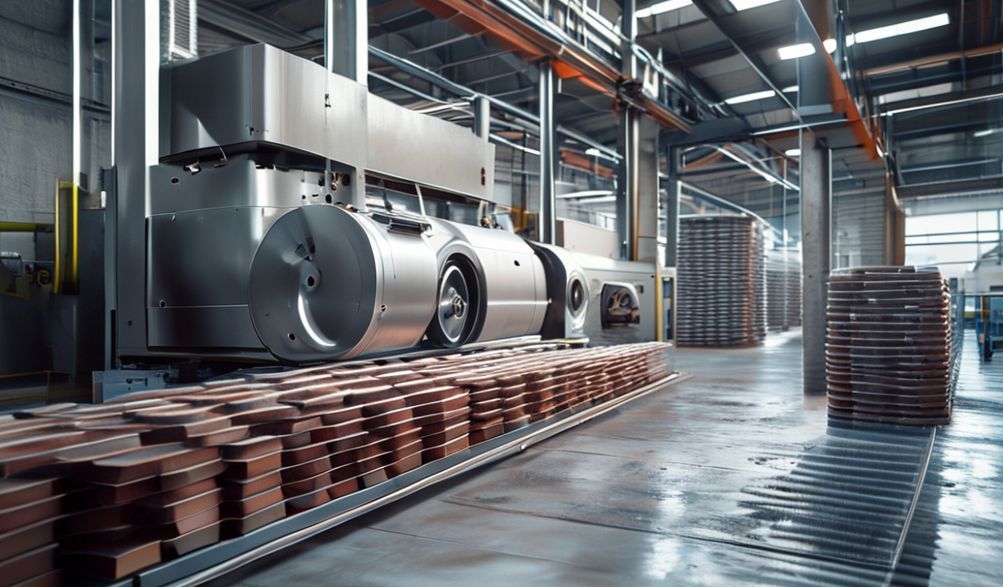
Encontrando as Melhores Fábricas de Máquinas de Tijolos Permeáveis: Um Foco na Fábrica de Blocos FUDA
Introdução
Nossas cidades estão chegando a um ponto de inflexão. À medida que as paisagens urbanas se expandem e os padrões climáticos se intensificam, o gerenciamento de águas pluviais evoluiu de uma preocupação municipal para um imperativo global de infraestrutura. Superfícies tradicionais e impermeáveis, como concreto e asfalto, agravam as inundações, sobrecarregam os sistemas de drenagem e poluem os cursos d'água. A solução está crescendo sob nossos pés: sistemas urbanos de drenagem sustentável (SuDS) construídos com pavimentação permeável.
No centro desta revolução verde está um equipamento único e crucial: a máquina de tijolos permeáveis. Para construtoras, fabricantes de blocos e gestores de compras municipais, selecionar a máquina certa não é apenas uma compra; é um investimento de longo prazo no sucesso do projeto, na rentabilidade e na conformidade ambiental.
O desafio central é severo. O mercado está inundado de fornecedores fazendo alegações ousadas. Escolher uma máquina de uma fábrica inferior carrega um risco imenso:
* Baixa Produção de Rendimento:Saídas inconsistentes prejudicam os cronogramas do projeto.
* Qualidade de Bloco Pobre:Tijolos que falham nos testes de permeabilidade ou resistência resultam em rejeições dispendiosas e inspeções reprovadas.
* Custos Elevados de Manutenção:Quebras frequentes e peças de reposição caras e difíceis de encontrar corroem as margens.
* Atrasos no Projeto:Tudo isso culmina em prazos perdidos e penalidades contratuais.
A solução está em uma busca meticulosa e orientada por critérios por fábricas verdadeiramente de primeira linha. Este artigo aproveita a experiência do setor para fornecer a você essa estrutura. Vamos dissecar os indicadores exatos de uma fábrica de "melhor qualidade". Como um nome de destaque no setor, a Fábrica de Blocos FUDA servirá como nosso estudo de caso contínuo, permitindo-nos aplicar esses parâmetros objetivos em um contexto do mundo real.
Nosso objetivo é munir você, o tomador de decisão, com o conhecimento para conduzir sua própria avaliação confiável, levando a um investimento informado e seguro. Vamos começar.
O que Define uma Fábrica de Máquinas para Tijolos Permeáveis de "Melhor Qualidade"?
Ir além dos slogans de marketing exige um exame minucioso de fatores operacionais tangíveis. Uma fábrica de primeira linha é definida pela sinergia entre excelência mecânica, produção inteligente e resultados comprovados.
Excelência em Engenharia e Durabilidade da Máquina
O núcleo da máquina é sua fundação — literal e figurativamente. É aqui que o corte de custos é mais desastroso.
- Construção Robusta:Procure uma estrutura de aço soldada e robusta que resista às tremendas forças de compactação. Chapas de aço de alta qualidade e componentes estruturais reforçados são inegociáveis para longevidade.
- Hidráulica Premium:O coração da máquina. Sistemas de marcas globais renomadas (como Bosch Rexroth ou Kawasaki) sinalizam confiabilidade. Válvulas e cilindros de precisão garantem a aplicação consistente de pressão, o que é crítico para a densidade uniforme dos tijolos.
- Vibração e Compactação Avançadas:Este é o segredo para um tijolo forte, porém poroso. As melhores fábricas empregam sistemas de vibração de alta frequência e multidirecional combinados com pressão hidráulica controlada. Isso força o agregado a formar uma matriz compacta, mantendo os vazios interconectados necessários para a permeabilidade.
Eficiência de Produção e Nível de Automação
Capacidade de produção é insignificante sem consistência e controle de custos. A automação é o diferencial chave.
- Tempos de Ciclo Otimizados:Uma máquina de qualidade equilibra velocidade com compactação completa. O foco deve estar em um ciclo estável e repetível que maximizequalidadetijolos por hora, não apenas velocidade bruta.
- Sistemas de Controle Inteligentes:Um Controlador Lógico Programável (PLC) com uma tela sensível ao toque amigável é padrão para os modelos topo de linha. Ele permite o ajuste preciso de parâmetros (tempo de vibração, pressão) e armazena receitas para diferentes tipos de tijolos.
- Redução da Dependência de Mão de ObraRecursos como alimentadores automáticos de paletes, empilhadores de tijolos e transportadores de produtos criam uma linha de produção contínua. Isso minimiza o manuseio manual, reduz os custos de mão de obra e melhora drasticamente a segurança e a consistência no local de trabalho.
Qualidade e Versatilidade do Produto Final
A máquina é tão boa quanto o tijolo que ela produz. Uma fábrica de ponta garante que suas máquinas ofereçam desempenho certificado.
- Atendendo aos Padrões Internacionais:A máquina deve produzir tijolos de forma confiável que estejam em conformidade com as normas relevantes, como por exemploASTM C936(Especificação Padrão para Unidades de Pavimentação Intertravada de Concreto Sólido)EN 1338(Padrão europeu para blocos de concreto para pavimentação). As métricas principais são resistência à compressão (geralmente >50 MPa para áreas de veículos), taxa de permeabilidade (frequentemente medida em cm/s) e tolerância dimensional precisa.
- Flexibilidade do Molde:A capacidade de trocar rapidamente moldes para diferentes formatos de tijolos (encaixe, hexagonal, paralelepípedo) e acabamentos de superfície (agregado exposto, liso, texturizado) é uma grande vantagem. Isso permite que uma única linha de produção atenda a vários segmentos de mercado.
Factory Credentials: Beyond the Machine
The machine doesn’t exist in a vacuum. The factory behind it tells the real story.
- ISO Certifications: ISO 9001 for quality management systems and ISO 14001 for environmental management are strong indicators of a professional, process-oriented operation.
- Investimento em P&D: A dedicated R&D department focused on material science and machine innovation shows a commitment to future-proofing and continuous improvement.
- Scale and Supply Chain Control: Large, modern manufacturing facilities with in-house machining, welding, and assembly indicate capacity and quality control. Control over their supply chain for core components ensures consistency.
An In-Depth Look at FUDA Block Making Factory
Applying our criteria, let’s examine FUDA, a well-known Chinese manufacturer often encountered in global searches for block machinery.
Company Overview and Market Position
FUDA is a block making machine manufacturer based in China. The company has established a presence in the international market, exporting to regions including Africa, Southeast Asia, and the Middle East. They present themselves as a full-line supplier, offering a range of machines from manual to fully automatic models. Their scale of operations is significant, positioning them as a volume supplier in the industry.
Analyzing FUDA’s Permeable Brick Machine Portfolio
FUDA typically offers permeable brick production within their standard concrete block machine lines, such as their QTY series (like the QTY10-15). Key aspects to analyze from their specifications include:
- Technical Specifications: Models often feature hydraulic pressure in the range of 21-31 MPa, with multiple vibration motors. They promote fully automatic operation with PLC control.
- Claimed Output: Their automatic models can claim theoretical outputs of several thousand bricks per 8-hour shift, depending on the brick size.
- Automation Features: Their higher-end models list automatic pallet feeders, stackers, and cement batchers, which align with the efficiency criteria we’ve outlined.
Evaluating FUDA’s Expertise and Authoritativeness
This is where due diligence becomes critical for a buyer:
- Evidence of Experience: FUDA cites multiple years of operation and a large number of machines sold globally. Prospective buyers should request specific case studies or contactable references for projects involving permeable bricks.
- Evidence of Expertise: Inquire about technical patents related to vibration systems or mold design for permeable products. The presence of a sizable in-house engineering team is a positive sign.
- Evidence of Authoritativeness: Participation in major international trade shows (e.g., bauma China) is a common practice for factories like FUDA. While this shows market activity, authoritativeness is best verified through independent client testimonials and long-term machine performance reports.
How to Vet Any Permeable Brick Machine Factory (A Practical Guide)
Use this actionable guide, inspired by our framework, to evaluate FUDA or any other supplier.
The Due Diligence Checklist
Before any visit, gather this documentation:
* Detailed Spec Sheets: Not just marketing brochures, but technical drawings and component lists. Which brand of hydraulic pump? Which model of PLC?
* Compliance Certificates: Copies of ISO certifications and, importantly, third-party test reports for bricks produced by the exact machine model you’re considering.
* Supplier List: Request a list of their key component suppliers (hydraulics, electrical, steel). Reliance on reputable brands is reassuring.
The Critical Importance of Factory Visits and Testing
A virtual tour is no substitute for being there.
* Assess the Factory Floor: Look for organization, welding quality on machine frames, and housekeeping. It speaks volumes about overall quality culture.
* Insist on a Live Test: This is non-negotiable. Provide your own local raw material samples (aggregates, fly ash) and witness a production run. Measure the resulting bricks for dimensions, weight, and if possible, perform a simple water permeability test on-site.
Assessing After-Sales Support and Trustworthiness
The relationship begins after the sale.
* Warranty & Parts: Scrutinize the warranty terms. Is it 1 year or 2? What is covered? How quickly can wear parts (mold liners, seal kits) be shipped to your location?
* Training & Documentation: Is comprehensive training (installation, operation, maintenance) included? Are machine manuals clear and available in your language?
* Reputation Research: Search the company name alongside keywords like “review,” “service,” or “spare parts” on industry forums and business directories like Made-in-China.com alerts. Look for patterns in feedback.
Key Considerations Before Your Purchase
Custo Total de Propriedade (TCO) vs. Preço Inicial
The cheapest machine is often the most expensive. Calculate:
TCO = Purchase Price + (Annual Maintenance & Energy Cost x Years) + Cost of Potential Downtime
A robust, efficient machine from a quality factory may have a higher upfront cost but a far lower TCO over 5-10 years.
Adaptando a Máquina às Necessidades do Seu Projeto
Avoid over- or under-buying. Clearly define:
* Required Daily/Annual Output: Be realistic about your market.
* Especificações do Tijolo: Know your required strength class, permeability rate, and primary shapes.
* Factory Constraints: Do you have the floor space, electrical power (3-phase?), and raw material storage for the machine line?
Sustainability and Environmental Compliance
The right machine enhances your green credentials.
* The permeable bricks you produce directly contribute to LEED (Liderança em Energia e Design Ambiental)ouBREEAM (Método de Avaliação Ambiental do Building Research Establishment) certification for projects, earning credits in Sustainable Sites and Stormwater Management categories.
* An energy-efficient machine further reduces the carbon footprint of your manufacturing process.
Perguntas Frequentes (FAQ)
Q1: What is the typical price range for a high-quality permeable brick machine from a factory like FUDA?
A: Prices vary dramatically from approximately $50,000 for a semi-automatic model to over $250,000 for a high-output, fully automatic production line. We strongly advise against seeking “typical” prices. Instead, prepare your detailed specifications and get formal quotes from multiple factories for a true comparison. Always analyze the Total Cost of Ownership, not just the invoice.
Q2: How do I verify the quality claims made by a factory’s sales team?
A: Trust, but verify with evidence. Ask for: 1) Third-party lab test reports for bricks, 2) A list of recent clients you can contact directly, and 3) A live machine test with your materials. A reputable factory will welcome this scrutiny.
Q3: Can FUDA, or similar factories, provide custom mold designs for unique brick shapes?
A: Yes, most reputable factories have in-house mold design and CNC machining workshops. They can produce custom molds, but this will incur additional cost (for the mold itself) and require a lead time of several weeks. Provide clear drawings or samples for the best result.
Q4: What is the most common maintenance requirement for these machines?
A: The hydraulic system is paramount. Regular oil and filter changes as per the manual are essential. Daily cleaning of the mold box to prevent concrete buildup and weekly inspection of wear parts like vibration motor mounts, liner plates, and seal rings will prevent major failures.
Q5: Are there key red flags to watch out for when dealing with machine factories?
A: Absolutely. Major red flags include: reluctance to allow a factory visit or live test, vague or constantly changing specifications, pressure to make a large upfront payment before contract signing, lack of clear communication in your language, and an inability to provide verifiable client references.
Conclusão
Identifying the best quality permeable brick machine factory is a deliberate process of replacing sales pitches with verifiable evidence. It requires looking past the brochure to evaluate engineering principles, production line discipline, and the long-term partnership of after-sales support.
In our examination, FUDA Block Making Factory presents as an established, volume-oriented player with a broad machine portfolio that includes options capable of producing permeable bricks. Their potential strengths lie in their scale and experience in exporting globally. However, as with any major capital expenditure, their suitability for your specific project must be confirmed through your own rigorous due diligence.
Use the criteria and guide outlined here as your framework. Your next steps should be to:
1. Finalize your detailed project requirements.
2. Shortlist 3-5 factories, including FUDA if it aligns with your needs.
3. Request documentation, schedule visits, and insist on live production tests.
By grounding your decision in expertise, evidence, and a thorough process, you build the trust necessary to invest not just in a machine, but in the foundation of your sustainable paving business for years to come.
<