
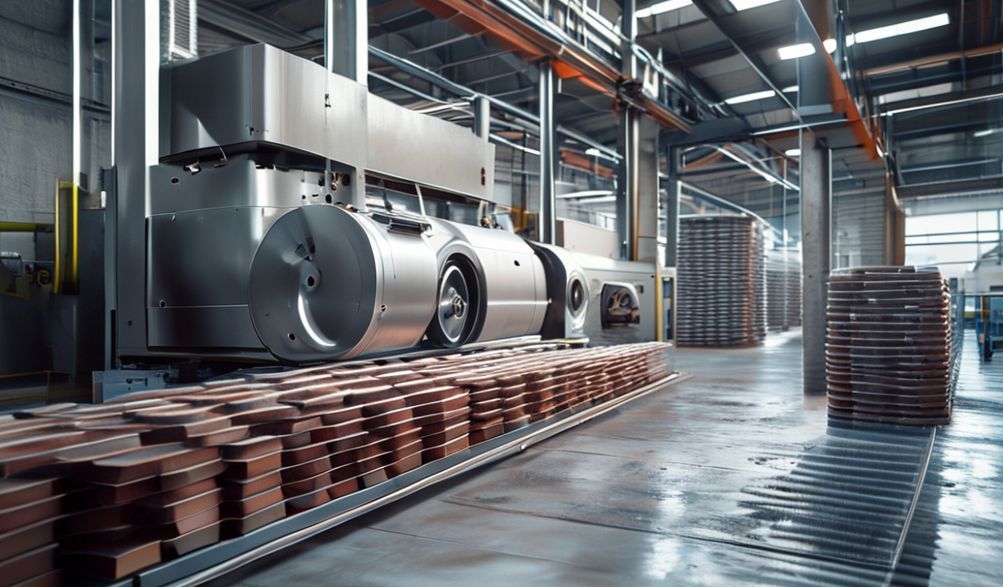
การค้นหาโรงงานผลิตเครื่องอัดอิฐซึมน้ำคุณภาพสูง: มุ่งเน้นที่โรงงานผลิตบล็อก FUDA
บทนำ
เมืองของเรากำลังถึงจุดวิกฤต เมื่อภูมิทัศน์เมืองขยายตัวและรูปแบบสภาพอากาศทวีความรุนแรง การจัดการน้ำฝนได้พัฒนาจากความกังวลระดับเทศบาลไปสู่ความจำเป็นพื้นฐานด้านโครงสร้างพื้นฐานระดับโลก พื้นผิวที่กันน้ำได้แบบดั้งเดิมอย่างคอนกรีตและยางมะตอยทำให้ปัญหาน้ำท่วมรุนแรงขึ้น ระบบระบายน้ำทำงานเกินกำลัง และก่อมลพิษทางน้ำ ทางออกกำลังเติบโตอยู่ใต้ฝ่าเท้าของเรา: ระบบระบายน้ำเมืองอย่างยั่งยืนที่สร้างขึ้นด้วยพื้นผิวที่ซึมน้ำได้
หัวใจของการปฏิวัติสีเขียวนี้คืออุปกรณ์ชิ้นเดียวที่สำคัญ นั่นคือเครื่องผลิตอิฐซึมน้ำได้ สำหรับบริษัทก่อสร้าง ผู้ผลิตบล็อก และเจ้าหน้าที่จัดซื้อของเทศบาล การเลือกเครื่องจักรที่เหมาะสมไม่ใช่แค่การซื้อ แต่เป็นการลงทุนระยะยาวเพื่อความสำเร็จของโครงการ ความสามารถในการทำกำไร และการปฏิบัติตามข้อกำหนดด้านสิ่งแวดล้อม
ความท้าทายหลักนั้นชัดเจน ตลาดเต็มไปด้วยผู้ผลิตที่อ้างสรรพคุณเกินจริง การเลือกเครื่องจักรจากโรงงานที่ไม่มีคุณภาพนั้นมีความเสี่ยงสูง
* ผลผลิตต่ำผลลัพธ์ที่ไม่สม่ำเสมอทำลายกำหนดเวลาโครงการ
* คุณภาพบล็อกไม่ดีอิฐที่ไม่ผ่านการทดสอบการซึมผ่านหรือความแข็งแรงนำไปสู่การปฏิเสธที่มีค่าใช้จ่ายสูงและการตรวจสอบที่ล้มเหลว
* ค่าใช้จ่ายในการบำรุงรักษาสูงการชำรุดบ่อยครั้งและอะไหล่ราคาแพงซึ่งหายากทำให้กำไรลดลง
* ความล่าช้าในโครงการทั้งหมดที่กล่าวมาส่งผลให้เกิดการพลาดกำหนดเวลาและค่าปรับตามสัญญา
ทางออกอยู่ที่การค้นหาอย่างละเอียดรอบคอบ โดยใช้เกณฑ์ที่ชัดเจนในการเลือกโรงงานที่ได้มาตรฐานสูงสุด บทความนี้ได้นำความเชี่ยวชาญในอุตสาหกรรมมาใช้ เพื่อมอบกรอบการประเมินให้กับคุณ เราจะวิเคราะห์ตัวชี้วัดที่แท้จริงของโรงงานที่มี "คุณภาพดีเยี่ยม" โดยใช้ FUDA Block Making Factory ซึ่งเป็นชื่อที่โดดเด่นในวงการ เป็นกรณีศึกษาในการประยุกต์เกณฑ์การประเมินที่เป็นกลางกับสถานการณ์จริง
เป้าหมายของเราคือการมอบความรู้ให้กับคุณ ผู้มีอำนาจตัดสินใจ เพื่อให้คุณสามารถประเมินด้วยตนเองได้อย่างน่าเชื่อถือ นำไปสู่การลงทุนที่รอบรู้และมั่นใจ มาเริ่มต้นกันเถอะ
อะไรที่กำหนดให้โรงงานผลิตเครื่องอัดอิฐซึมน้ำเป็น "คุณภาพดีที่สุด"
การก้าวข้ามคำขวัญทางการตลาดต้องอาศัยการพิจารณาอย่างละเอียดถี่ถ้วนถึงปัจจัยที่จับต้องได้ในการดำเนินงาน โรงงานชั้นนำถูกกำหนดด้วยความสมดุลระหว่างความเป็นเลิศทางกลไก การผลิตอัจฉริยะ และผลลัพธ์ที่พิสูจน์แล้ว
ความเป็นเลิศด้านวิศวกรรมและความทนทานของเครื่องจักร
หัวใจของเครื่องจักรคือรากฐานของมัน—ทั้งในเชิงรูปธรรมและเชิงเปรียบเทียบ นี่คือจุดที่การลดต้นทุนก่อให้เกิดหายนะมากที่สุด
- การก่อสร้างที่แข็งแรงทนทานมองหาโครงเหล็กเชื่อมที่แข็งแรงทนทานซึ่งต้านทานแรงอัดมหาศาลได้ แผ่นเหล็กเกรดสูงและชิ้นส่วนโครงสร้างเสริมแรงเป็นสิ่งที่ขาดไม่ได้เพื่อความทนทานยาวนาน
- พรีเมี่ยมไฮดรอลิกส์:หัวใจของเครื่องจักร ระบบจากแบรนด์ระดับโลกที่น่าเชื่อถือ (เช่น Bosch Rexroth หรือ Kawasaki) บ่งบอกถึงความน่าเชื่อถือ วาล์วและกระบอกสูบที่มีความแม่นยำช่วยให้การออกแรงดันเป็นไปอย่างสม่ำเสมอ ซึ่งมีความสำคัญต่อความหนาแน่นของอิฐที่สม่ำเสมอ
- การสั่นสะเทือนและการอัดแน่นขั้นสูงนี่คือความลับของการผลิตอิฐที่แข็งแรงแต่ยังคงพรุน โรงงานที่ดีที่สุดใช้ระบบสั่นสะเทือนความถี่สูงหลายทิศทางร่วมกับแรงดันไฮดรอลิกที่ควบคุมได้ ซึ่งจะบังคับให้วัสดุรวมตัวกันอย่างหนาแน่น ในขณะที่ยังคงรักษาช่องว่างที่เชื่อมต่อกันซึ่งจำเป็นสำหรับการซึมผ่านได้
ประสิทธิภาพการผลิตและระดับการอัตโนมัติ
Output capacity is meaningless without consistency and cost control. Automation is the key differentiator.
- เวลาวงจรที่ได้รับการปรับให้เหมาะสม A quality machine balances speed with thorough compaction. The focus should be on a stable, repeatable cycle that maximizes quality bricks per hour, not just raw speed.
- Intelligent Control Systems: A Programmable Logic Controller (PLC) with a user-friendly touchscreen is standard for top models. It allows for precise parameter setting (vibration time, pressure) and stores recipes for different brick types.
- ลดการพึ่งพาแรงงาน Features like automatic pallet feeders, brick stackers, and product conveyors create a continuous production line. This minimizes manual handling, reduces labor costs, and drastically improves workplace safety and consistency.
End-Product Quality and Versatility
The machine is only as good as the brick it produces. A top factory ensures its machines deliver certified performance.
- Meeting International Standards: The machine must reliably produce bricks that comply with relevant standards such as ASTM C936 (Standard Specification for Solid Concrete Interlocking Paving Units) or EN 1338 (European standard for concrete paving blocks). Key metrics are compressive strength (often >50 MPa for vehicular areas), permeability rate (often measured in cm/sec), and precise dimensional tolerance.
- Mold Flexibility: The ability to quickly change molds for different brick shapes (interlocking, hexagonal, cobblestone) and surface finishes (exposed aggregate, smooth, textured) is a major advantage. It allows a single production line to serve multiple market segments.
Factory Credentials: Beyond the Machine
The machine doesn’t exist in a vacuum. The factory behind it tells the real story.
- ISO Certifications: ISO 9001 for quality management systems and ISO 14001 for environmental management are strong indicators of a professional, process-oriented operation.
- การลงทุนในงานวิจัยและพัฒนา A dedicated R&D department focused on material science and machine innovation shows a commitment to future-proofing and continuous improvement.
- Scale and Supply Chain Control: Large, modern manufacturing facilities with in-house machining, welding, and assembly indicate capacity and quality control. Control over their supply chain for core components ensures consistency.
An In-Depth Look at FUDA Block Making Factory
Applying our criteria, let’s examine FUDA, a well-known Chinese manufacturer often encountered in global searches for block machinery.
Company Overview and Market Position
FUDA is a block making machine manufacturer based in China. The company has established a presence in the international market, exporting to regions including Africa, Southeast Asia, and the Middle East. They present themselves as a full-line supplier, offering a range of machines from manual to fully automatic models. Their scale of operations is significant, positioning them as a volume supplier in the industry.
Analyzing FUDA’s Permeable Brick Machine Portfolio
FUDA typically offers permeable brick production within their standard concrete block machine lines, such as their QTY series (like the QTY10-15). Key aspects to analyze from their specifications include:
- Technical Specifications: Models often feature hydraulic pressure in the range of 21-31 MPa, with multiple vibration motors. They promote fully automatic operation with PLC control.
- Claimed Output: Their automatic models can claim theoretical outputs of several thousand bricks per 8-hour shift, depending on the brick size.
- Automation Features: Their higher-end models list automatic pallet feeders, stackers, and cement batchers, which align with the efficiency criteria we’ve outlined.
Evaluating FUDA’s Expertise and Authoritativeness
This is where due diligence becomes critical for a buyer:
- Evidence of Experience: FUDA cites multiple years of operation and a large number of machines sold globally. Prospective buyers should request specific case studies or contactable references for projects involving permeable bricks.
- Evidence of Expertise: Inquire about technical patents related to vibration systems or mold design for permeable products. The presence of a sizable in-house engineering team is a positive sign.
- Evidence of Authoritativeness: Participation in major international trade shows (e.g., bauma China) is a common practice for factories like FUDA. While this shows market activity, authoritativeness is best verified through independent client testimonials and long-term machine performance reports.
How to Vet Any Permeable Brick Machine Factory (A Practical Guide)
Use this actionable guide, inspired by our framework, to evaluate FUDA or any other supplier.
The Due Diligence Checklist
Before any visit, gather this documentation:
* Detailed Spec Sheets: Not just marketing brochures, but technical drawings and component lists. Which brand of hydraulic pump? Which model of PLC?
* Compliance Certificates: Copies of ISO certifications and, importantly, third-party test reports for bricks produced by the exact machine model you’re considering.
* Supplier List: Request a list of their key component suppliers (hydraulics, electrical, steel). Reliance on reputable brands is reassuring.
The Critical Importance of Factory Visits and Testing
A virtual tour is no substitute for being there.
* Assess the Factory Floor: Look for organization, welding quality on machine frames, and housekeeping. It speaks volumes about overall quality culture.
* Insist on a Live Test: This is non-negotiable. Provide your own local raw material samples (aggregates, fly ash) and witness a production run. Measure the resulting bricks for dimensions, weight, and if possible, perform a simple water permeability test on-site.
Assessing After-Sales Support and Trustworthiness
The relationship begins after the sale.
* Warranty & Parts: Scrutinize the warranty terms. Is it 1 year or 2? What is covered? How quickly can wear parts (mold liners, seal kits) be shipped to your location?
* Training & Documentation: Is comprehensive training (installation, operation, maintenance) included? Are machine manuals clear and available in your language?
* Reputation Research: Search the company name alongside keywords like “review,” “service,” or “spare parts” on industry forums and business directories like Made-in-China.com alerts. Look for patterns in feedback.
Key Considerations Before Your Purchase
ต้นทุนรวมในการเป็นเจ้าของ (TCO) เทียบกับราคาเริ่มต้น
The cheapest machine is often the most expensive. Calculate:
TCO = Purchase Price + (Annual Maintenance & Energy Cost x Years) + Cost of Potential Downtime
A robust, efficient machine from a quality factory may have a higher upfront cost but a far lower TCO over 5-10 years.
การเลือกเครื่องจักรให้ตรงกับความต้องการของโครงการของคุณ
Avoid over- or under-buying. Clearly define:
* Required Daily/Annual Output: Be realistic about your market.
* ข้อกำหนดของอิฐ Know your required strength class, permeability rate, and primary shapes.
* Factory Constraints: Do you have the floor space, electrical power (3-phase?), and raw material storage for the machine line?
Sustainability and Environmental Compliance
The right machine enhances your green credentials.
* The permeable bricks you produce directly contribute to LEED (ความเป็นผู้นำด้านการออกแบบพลังงานและสิ่งแวดล้อม)หรือบรีม certification for projects, earning credits in Sustainable Sites and Stormwater Management categories.
* An energy-efficient machine further reduces the carbon footprint of your manufacturing process.
คำถามที่พบบ่อย (FAQ)
Q1: What is the typical price range for a high-quality permeable brick machine from a factory like FUDA?
ก Prices vary dramatically from approximately $50,000 for a semi-automatic model to over $250,000 for a high-output, fully automatic production line. We strongly advise against seeking “typical” prices. Instead, prepare your detailed specifications and get formal quotes from multiple factories for a true comparison. Always analyze the Total Cost of Ownership, not just the invoice.
Q2: How do I verify the quality claims made by a factory’s sales team?
ก Trust, but verify with evidence. Ask for: 1) Third-party lab test reports for bricks, 2) A list of recent clients you can contact directly, and 3) A live machine test with your materials. A reputable factory will welcome this scrutiny.
Q3: Can FUDA, or similar factories, provide custom mold designs for unique brick shapes?
ก Yes, most reputable factories have in-house mold design and CNC machining workshops. They can produce custom molds, but this will incur additional cost (for the mold itself) and require a lead time of several weeks. Provide clear drawings or samples for the best result.
Q4: What is the most common maintenance requirement for these machines?
ก The hydraulic system is paramount. Regular oil and filter changes as per the manual are essential. Daily cleaning of the mold box to prevent concrete buildup and weekly inspection of wear parts like vibration motor mounts, liner plates, and seal rings will prevent major failures.
Q5: Are there key red flags to watch out for when dealing with machine factories?
ก Absolutely. Major red flags include: reluctance to allow a factory visit or live test, vague or constantly changing specifications, pressure to make a large upfront payment before contract signing, lack of clear communication in your language, and an inability to provide verifiable client references.
สรุป
Identifying the best quality permeable brick machine factory is a deliberate process of replacing sales pitches with verifiable evidence. It requires looking past the brochure to evaluate engineering principles, production line discipline, and the long-term partnership of after-sales support.
In our examination, FUDA Block Making Factory presents as an established, volume-oriented player with a broad machine portfolio that includes options capable of producing permeable bricks. Their potential strengths lie in their scale and experience in exporting globally. However, as with any major capital expenditure, their suitability for your specific project must be confirmed through your own rigorous due diligence.
Use the criteria and guide outlined here as your framework. Your next steps should be to:
1. Finalize your detailed project requirements.
2. Shortlist 3-5 factories, including FUDA if it aligns with your needs.
3. Request documentation, schedule visits, and insist on live production tests.
By grounding your decision in expertise, evidence, and a thorough process, you build the trust necessary to invest not just in a machine, but in the foundation of your sustainable paving business for years to come.
<