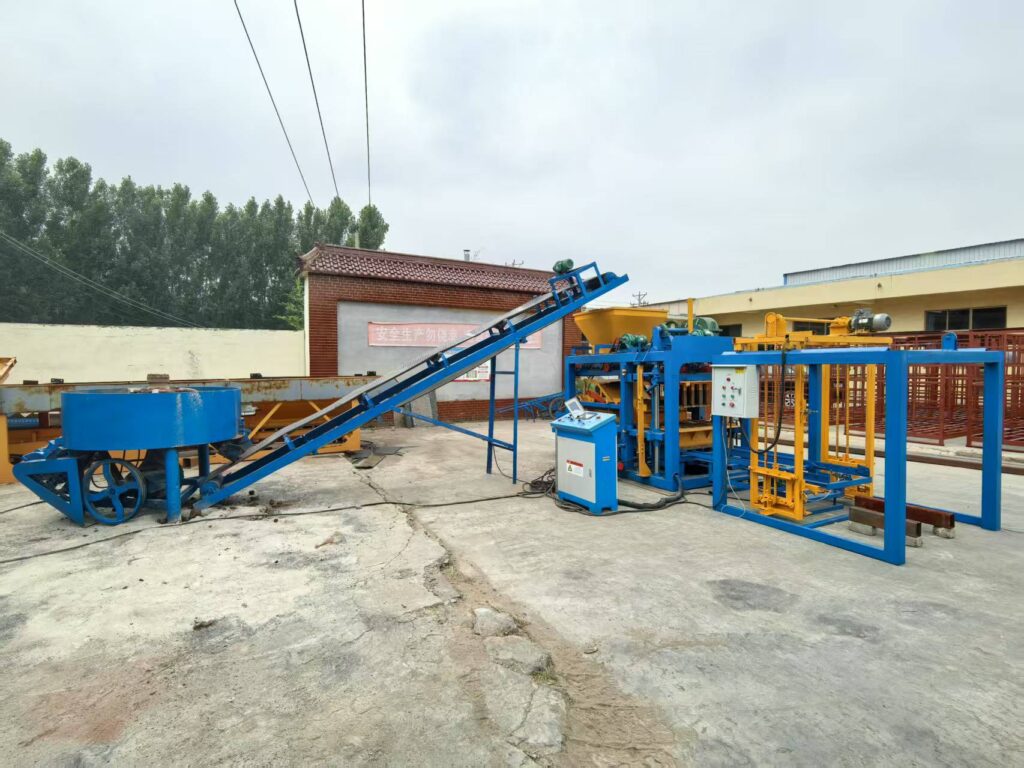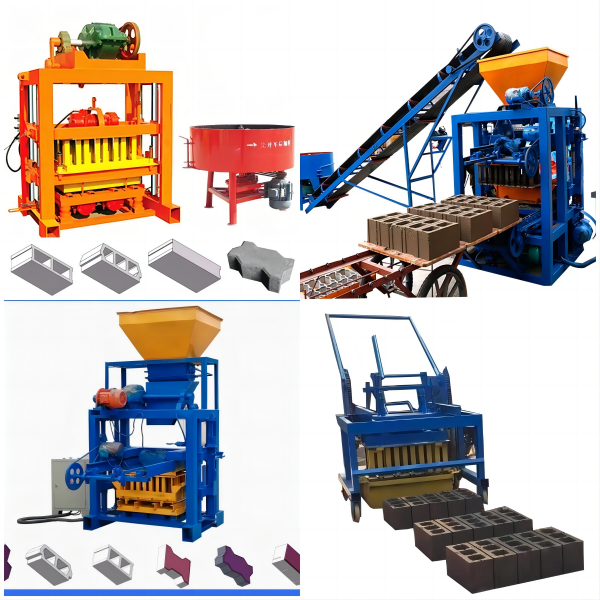
Economia da Manufatura e Análise da Estrutura de Custos
Estratégias de Seleção de Matérias-Primas e Aquisição de Componentes
A base da precificação de equipamentos começa com as decisões de seleção de materiais e fornecimento de componentes que criam diferenciais substanciais de custo entre os fabricantes. Chapas de aço de grau industrial que atendem aos padrões internacionais para aplicações estruturais normalmente exigem um prêmio de 25-40% sobre as alternativas de grau comercial, mas oferecem durabilidade e estabilidade operacional significativamente aprimoradas. A estratégia de fornecimento para componentes críticos, incluindo sistemas hidráulicos, painéis de controle e mecanismos de vibração, cria uma estratificação de preços ainda maior. Fabricantes que utilizam componentes de fornecedores industriais estabelecidos mantêm preços 15-30% mais altos em comparação com aqueles que usam alternativas genéricas, ao mesmo tempo que oferecem confiabilidade e vida útil superiores. A integração de tecnologias energeticamente eficientes, incluindo acionamentos de frequência variável e motores de eficiência premium, adiciona 8-12% aos custos de fabricação, mas reduz as despesas operacionais em 18-25% ao longo da vida útil do equipamento. Compreender essas hierarquias de materiais e componentes permite que os profissionais de compras avaliem com precisão a justificativa de preço e tomem decisões de fornecimento informadas, alinhadas com os requisitos do seu mercado-alvo.
Metodologia de Produção e Implementação de Garantia de Qualidade
Processos de fabricação e sistemas de controle de qualidade representam centros de custo significativos que influenciam diretamente os preços e as características de desempenho dos equipamentos. Instalações que implementam sistemas de soldagem robótica e centros de usinagem CNC normalmente precificam seus equipamentos 20-35% mais alto do que aquelas que dependem de métodos de fabricação manual, ao mesmo tempo que alcançam precisão dimensional e integridade estrutural superiores. A implementação de sistemas abrangentes de gestão da qualidade, incluindo protocolos de certificação de materiais, estações de inspeção durante o processo e procedimentos de teste final, adiciona 7-15% aos custos de produção, mas reduz substancialmente as taxas de falha e as reclamações de garantia. Fabricantes que investem em pesquisa e desenvolvimento para sistemas de vibração proprietários, soluções automatizadas de manuseio de materiais e sistemas de controle avançados normalmente obtêm sobretaxas de preço de 25-50% em relação àqueles que produzem designs padronizados. Esses investimentos tecnológicos se traduzem em benefícios operacionais tangíveis, incluindo maior produção, redução de desperdício de materiais e menores requisitos de manutenção, criando uma justificativa econômica convincente para seus incrementos de custo associados.
Segmentação de Mercado e Posicionamento do Fabricante
Estratificação de Níveis de Produto e Diferenciação de Recursos
The masonry equipment market demonstrates clear stratification across multiple price segments, each serving distinct customer needs and business models. Entry-level equipment priced between $8,000 and $25,000 typically serves emerging markets and small-scale entrepreneurs, focusing on basic functionality with limited automation and standard component configurations. Mid-range systems ranging from $25,000 to $75,000 target established block yards and construction firms, incorporating partial automation, enhanced durability features, and moderate production capacities. Premium equipment exceeding $75,000 addresses industrial-scale production requirements with full automation, advanced control systems, and sophisticated material handling capabilities. Within each tier, manufacturers implement strategic feature differentiation including production capacity variations (1,000-15,000 blocks daily), energy consumption profiles (15-85 kWh), and automation levels (manual operation to fully autonomous systems). Understanding this segmentation enables distributors to align their product offerings with specific market opportunities and customer capability levels.
Manufacturer Specialization and Value Proposition Development
Equipment manufacturers increasingly pursue specialization strategies to differentiate their offerings and justify premium pricing positions. Technical specialization focuses on specific material applications including lightweight aggregate processing, high-volume clay production, or specialized architectural component manufacturing. Application specialization targets particular market segments such as affordable housing projects, infrastructure development, or premium architectural applications. Geographic specialization addresses regional material characteristics, climate conditions, and regulatory requirements. These specialization strategies enable manufacturers to command 15-40% price premiums over generalist competitors while delivering superior performance within their focused domains. The most successful manufacturers combine technical specialization with comprehensive service offerings including installation supervision, operator training, and maintenance support programs, further enhancing their value proposition and justifying their pricing structures.
Strategic Procurement Framework and Negotiation Dynamics
Total Cost of Ownership Analysis and Value Assessment
Sophisticated procurement decisions extend beyond initial equipment price to encompass comprehensive total cost of ownership calculations. These analyses incorporate multiple cost components including energy consumption (typically $3,500-12,000 annually), maintenance expenses (averaging 4-8% of equipment value yearly), labor requirements (1-4 operators depending on automation level), and consumable costs (molds, pallets, mixing blades). Equipment with 15-25% higher initial investment frequently demonstrates 30-50% lower operating costs over a five-year horizon, creating compelling economic justification for premium purchases. Additional value considerations include production consistency (reject rates varying from 2-15%), operational flexibility (changeover times ranging from 15 minutes to 4 hours), and residual value preservation (40-70% after three years of operation). By quantifying these factors, procurement professionals can make economically rational decisions that maximize long-term profitability rather than minimizing initial expenditure.
Supplier Qualification and Partnership Development
Effective procurement strategies incorporate systematic supplier evaluation processes that assess multiple dimensions beyond price competitiveness. Manufacturing capability assessment should verify production capacity, technological infrastructure, and quality management systems through facility audits and technical reviews. Financial stability analysis must confirm sustainable operations, adequate capitalization, and creditworthiness through financial statement examination and trade reference verification. Technical support evaluation should investigate service network coverage, spare parts availability, and technical documentation quality. Successful procurement organizations typically qualify 3-5 manufacturers for each equipment category, maintaining competitive tension while ensuring supply chain resilience. The development of strategic partnerships with qualified manufacturers enables access to preferential pricing (typically 8-15% discounts), priority production scheduling, and collaborative product development opportunities, creating sustainable competitive advantages in increasingly challenging market conditions.
Market Trends and Future Price Trajectory
Technology Integration and Cost Implications
The ongoing integration of digital technologies and automation systems continues to reshape equipment pricing structures and value propositions. The incorporation of industrial Internet of Things (IoT) platforms for remote monitoring and predictive maintenance typically adds 8-12% to equipment costs while reducing downtime by 25-40% and extending component life by 15-30%. Advanced control systems with recipe management, production analytics, and automated adjustment capabilities contribute 6-10% to manufacturing costs while improving production efficiency by 20-35% and reducing operator skill requirements. Energy recovery systems and sustainable design features, while increasing initial investment by 5-8%, demonstrate rapid return on investment through reduced operational costs and enhanced regulatory compliance. These technological advancements create new pricing tiers within traditional equipment categories, enabling manufacturers to justify premium positions through demonstrable operational economics and performance enhancements.
Global Supply Chain Dynamics and Cost Pressures
The masonry equipment manufacturing sector faces significant cost pressures from global supply chain transformations and material price volatility. Steel price fluctuations typically impact equipment costs by 12-20%, with specialized alloys and treated steels experiencing even greater volatility. Electronic component availability and pricing, particularly for control systems and sensors, create additional cost uncertainty and potential delivery challenges. Logistics costs have increased 25-40% compared to pre-pandemic levels, significantly impacting landed costs for internationally sourced equipment. Labor cost inflation in manufacturing centers, particularly for skilled technical positions, adds 4-7% annually to production expenses. These factors collectively contribute to annual price increases of 5-9% across most equipment categories, emphasizing the importance of strategic procurement timing and long-term supply agreements for cost management.
Conclusão
The procurement of brick making machinery represents a strategic business decision where price evaluation must encompass comprehensive understanding of manufacturing economics, operational requirements, and long-term value creation. The significant price dispersion within the market reflects genuine differences in quality, capability, and durability rather than arbitrary pricing strategies. Successful procurement professionals navigate this complexity by focusing on total cost of ownership, supplier capabilities, and alignment with specific business objectives rather than simplistic price comparisons. The ongoing technological transformation within the equipment manufacturing sector creates both challenges and opportunities, with digital integration and automation capabilities justifying premium pricing through enhanced operational efficiency and reduced lifetime costs. By adopting structured procurement frameworks, developing strategic manufacturer partnerships, and maintaining focus on lifecycle economics, distributors and procurement specialists can optimize their equipment investments and build sustainable competitive advantages in the dynamic global masonry materials market.
Perguntas Frequentes (FAQ)
Q1: What are the primary factors that explain price variations of 300-400% for equipment with similar production capacities?
A: Significant price differentials stem from multiple factors: component quality variations (premium vs. standard hydraulic and control systems) account for 25-35% differences; automation levels (manual operation to fully automated systems) create 40-60% cost increments; construction quality (steel grade, welding standards, structural design) contributes 20-30% variations; and feature sets (energy efficiency, digital integration, specialized capabilities) add 15-25% to manufacturing costs. Additionally, brand reputation, warranty terms, and service support quality justify further price premiums of 10-20% for established manufacturers.
Q2: How do payment terms and financing options typically affect negotiated equipment pricing?
A: Payment structures significantly influence final pricing, with full advance payments typically securing 8-12% discounts compared to standard terms (30% advance, 70% before shipment). Letters of credit generally maintain standard pricing, while extended payment plans (installments over 6-24 months) typically add 5-15% to total equipment cost. Manufacturer-sponsored financing programs often include hidden costs equivalent to 8-20% annual interest rates, making third-party financing frequently more economical. Bulk purchases (3+ units) typically secure 12-18% quantity discounts, while seasonal timing (ordering during manufacturing low seasons) can provide additional 5-8% savings.
Q3: What are the industry-standard warranty provisions and how do they correlate with equipment pricing?
A: Standard warranties range from 12 months for entry-level equipment to 36 months for premium systems, with specific coverage variations significantly impacting pricing. Comprehensive warranties covering both parts and labor typically add 4-8% to equipment costs compared to parts-only coverage. Extended warranty programs (up to 60 months) generally cost 6-12% of equipment value annually. Manufacturers offering on-site warranty service typically price their equipment 8-15% higher than those requiring return-to-factory service. Warranty response time guarantees (24-72 hours) generally contribute 3-5% to equipment pricing while substantially reducing potential downtime costs.
Q4: How significant are operational cost differences between equipment price categories?
A: Operational cost analysis reveals substantial differences: energy consumption varies 30-50% between basic and premium models due to efficiency technologies; maintenance costs typically range from 4% of equipment value annually for premium systems to 12% for entry-level equipment; labor requirements differ by 50-80% based on automation levels; and material waste rates range from 2% for advanced systems to 15% for basic models. These operational differentials typically result in 3-year total cost of ownership variations of 40-70% between equipment tiers, frequently justifying higher initial investments through operational savings.
Q5: What pricing strategies are most effective for different market segments and customer types?
A: Successful pricing strategies align with segment characteristics: emerging markets respond best to entry-level pricing with financing support; growth markets justify mid-range pricing with feature emphasis; mature markets support premium pricing through lifecycle cost demonstrations. Government and institutional buyers