Phân Tích Kinh Tế Sản Xuất và Cấu Trúc Chi Phí
Chiến lược Lựa chọn Nguyên liệu Thô và Tìm nguồn cung ứng Linh kiện
设备定价的基础始于材料选择与零部件采购决策,这些因素在不同制造商之间形成了显著的成本差异。符合国际结构应用标准的工业级钢板,其价格通常比商业级替代品高出25%至40%,但能显著提升设备的耐久性与运行稳定性。关键零部件(包括液压系统、控制面板及振动机构)的采购策略进一步拉大了价格分层。采用成熟工业供应商零部件的制造商,其价格水平比使用通用替代品的同行高出15%至30%,同时提供了更优越的可靠性和使用寿命。集成变频驱动装置、高效电机等节能技术会使制造成本增加8%至12%,但能在设备全生命周期内将运营成本降低18%至25%。理解这些材料与零部件的层级结构,有助于采购专业人员准确评估定价合理性,并基于目标市场需求制定明智的采购决策。
Phương Pháp Sản Xuất và Triển Khai Đảm Bảo Chất Lượng
Quy trình sản xuất và hệ thống kiểm soát chất lượng là những trung tâm chi phí quan trọng, ảnh hưởng trực tiếp đến giá thiết bị và đặc tính hiệu suất. Các cơ sở áp dụng hệ thống hàn robot và trung tâm gia công CNC thường định giá thiết bị cao hơn 20-35% so với những nơi dựa vào phương pháp chế tạo thủ công, đồng thời đạt được độ chính xác về kích thước và tính toàn vẹn cấu trúc vượt trội. Việc triển khai các hệ thống quản lý chất lượng toàn diện, bao gồm quy trình chứng nhận vật liệu, trạm kiểm tra trong quá trình sản xuất và quy trình thử nghiệm cuối cùng, làm tăng 7-15% chi phí sản xuất nhưng giảm đáng kể tỷ lệ hỏng hóc và khiếu nại bảo hành. Các nhà sản xuất đầu tư vào nghiên cứu và phát triển cho hệ thống rung độc quyền, giải pháp xử lý vật liệu tự động và hệ thống điều khiển tiên tiến thường có phí bảo hiểm giá 25-50% so với những nhà sản xuất thiết kế tiêu chuẩn. Những khoản đầu tư công nghệ này mang lại lợi ích vận hành hữu hình, bao gồm sản lượng sản xuất cao hơn, giảm lãng phí vật liệu và yêu cầu bảo trì thấp hơn, tạo ra cơ sở kinh tế thuyết phục cho việc tăng chi phí liên quan.
Phân khúc thị trường và Định vị nhà sản xuất
Phân Tầng Sản Phẩm và Phân Biệt Tính Năng
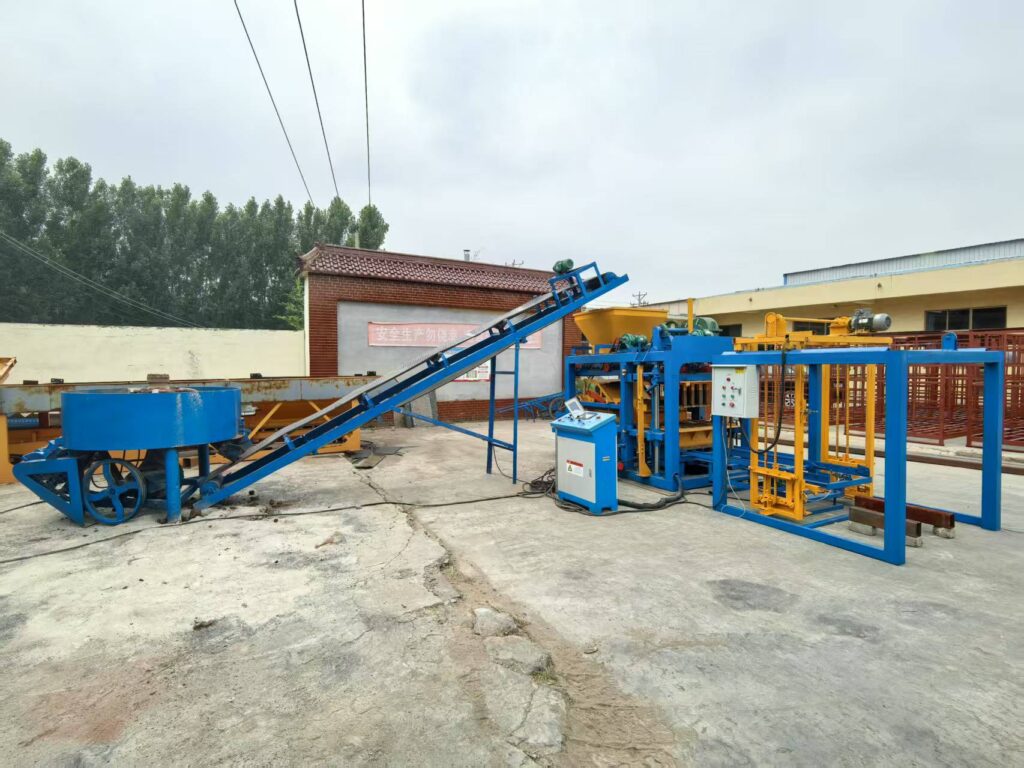
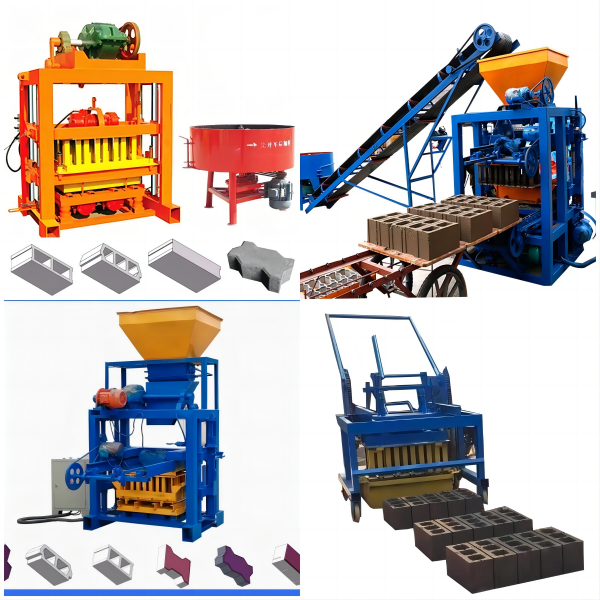
Thị trường thiết bị xây gạch thể hiện sự phân tầng rõ rệt qua nhiều phân khúc giá, mỗi phân khúc đáp ứng nhu cầu khách hàng và mô hình kinh doanh riêng biệt. Thiết bị cấp thấp có giá từ 8.000 đến 25.000 USD thường phục vụ các thị trường mới nổi và doanh nhân quy mô nhỏ, tập trung vào chức năng cơ bản với tự động hóa hạn chế và cấu hình linh kiện tiêu chuẩn. Hệ thống tầm trung từ 25.000 đến 75.000 USD nhắm đến các cơ sở sản xuất gạch đã thành lập và công ty xây dựng, tích hợp tự động hóa một phần, tính năng độ bền cao và công suất sản xuất trung bình. Thiết bị cao cấp vượt quá 75.000 USD đáp ứng yêu cầu sản xuất quy mô công nghiệp với tự động hóa hoàn toàn, hệ thống điều khiển tiên tiến và khả năng xử lý vật liệu tinh vi. Trong mỗi cấp độ, nhà sản xuất thực hiện chiến lược khác biệt hóa tính năng bao gồm biến thể công suất sản xuất (1.000-15.000 viên gạch mỗi ngày), hồ sơ tiêu thụ năng lượng (15-85 kWh) và mức độ tự động hóa (từ vận hành thủ công đến hệ thống hoàn toàn tự động). Hiểu được sự phân khúc này giúp các nhà phân phối điều chỉnh danh mục sản phẩm của họ phù hợp với cơ hội thị trường cụ thể và trình độ năng lực của khách hàng.
Chuyên môn hóa của Nhà Sản xuất và Phát triển Đề xuất Giá trị
Thiết bị sản xuất ngày càng theo đuổi các chiến lược chuyên môn hóa để khác biệt hóa sản phẩm và biện minh cho mức giá cao cấp. Chuyên môn hóa kỹ thuật tập trung vào các ứng dụng vật liệu cụ thể như xử lý cốt liệu nhẹ, sản xuất đất sét khối lượng lớn, hoặc chế tạo linh kiện kiến trúc chuyên dụng. Chuyên môn hóa ứng dụng nhắm đến các phân khúc thị trường cụ thể như dự án nhà ở giá rẻ, phát triển cơ sở hạ tầng, hoặc ứng dụng kiến trúc cao cấp. Chuyên môn hóa địa lý giải quyết các đặc điểm vật liệu khu vực, điều kiện khí hậu và yêu cầu pháp lý. Các chiến lược chuyên môn hóa này cho phép nhà sản xuất áp dụng mức giá cao hơn 15-40% so với các đối thủ đa năng, trong khi vẫn mang lại hiệu suất vượt trội trong lĩnh vực tập trung của họ. Những nhà sản xuất thành công nhất kết hợp chuyên môn hóa kỹ thuật với các dịch vụ toàn diện bao gồm giám sát lắp đặt, đào tạo vận hành và chương trình hỗ trợ bảo trì, từ đó nâng cao hơn nữa giá trị cung cấp và biện minh cho cấu trúc giá của họ.
Khung mua sắm chiến lược và động lực đàm phán
Tổng chi phí sở hữu và đánh giá giá trị
Các quyết định mua sắm tinh vi vượt xa giá thiết bị ban đầu, bao gồm các tính toán chi phí sở hữu toàn bộ. Những phân tích này kết hợp nhiều thành phần chi phí, bao gồm tiêu thụ năng lượng (thường từ 3.500-12.000 USD mỗi năm), chi phí bảo trì (trung bình 4-8% giá trị thiết bị hàng năm), yêu cầu lao động (1-4 người vận hành tùy theo mức độ tự động hóa), và chi phí vật tư tiêu hao (khuôn, pallet, lưỡi trộn). Thiết bị có vốn đầu tư ban đầu cao hơn 15-25% thường cho thấy chi phí vận hành thấp hơn 30-50% trong vòng 5 năm, tạo ra lý do kinh tế thuyết phục cho các lựa chọn mua sắm cao cấp. Các yếu tố giá trị bổ sung bao gồm tính nhất quán của sản xuất (tỷ lệ lỗi từ 2-15%), tính linh hoạt trong vận hành (thời gian chuyển đổi từ 15 phút đến 4 giờ), và khả năng giữ giá trị còn lại (40-70% sau ba năm hoạt động). Bằng cách định lượng các yếu tố này, các chuyên gia mua sắm có thể đưa ra quyết định kinh tế hợp lý, tối đa hóa lợi nhuận dài hạn thay vì giảm thiểu chi phí ban đầu.
Supplier Qualification and Partnership Development
Effective procurement strategies incorporate systematic supplier evaluation processes that assess multiple dimensions beyond price competitiveness. Manufacturing capability assessment should verify production capacity, technological infrastructure, and quality management systems through facility audits and technical reviews. Financial stability analysis must confirm sustainable operations, adequate capitalization, and creditworthiness through financial statement examination and trade reference verification. Technical support evaluation should investigate service network coverage, spare parts availability, and technical documentation quality. Successful procurement organizations typically qualify 3-5 manufacturers for each equipment category, maintaining competitive tension while ensuring supply chain resilience. The development of strategic partnerships with qualified manufacturers enables access to preferential pricing (typically 8-15% discounts), priority production scheduling, and collaborative product development opportunities, creating sustainable competitive advantages in increasingly challenging market conditions.
Market Trends and Future Price Trajectory
Technology Integration and Cost Implications
The ongoing integration of digital technologies and automation systems continues to reshape equipment pricing structures and value propositions. The incorporation of industrial Internet of Things (IoT) platforms for remote monitoring and predictive maintenance typically adds 8-12% to equipment costs while reducing downtime by 25-40% and extending component life by 15-30%. Advanced control systems with recipe management, production analytics, and automated adjustment capabilities contribute 6-10% to manufacturing costs while improving production efficiency by 20-35% and reducing operator skill requirements. Energy recovery systems and sustainable design features, while increasing initial investment by 5-8%, demonstrate rapid return on investment through reduced operational costs and enhanced regulatory compliance. These technological advancements create new pricing tiers within traditional equipment categories, enabling manufacturers to justify premium positions through demonstrable operational economics and performance enhancements.
Global Supply Chain Dynamics and Cost Pressures
The masonry equipment manufacturing sector faces significant cost pressures from global supply chain transformations and material price volatility. Steel price fluctuations typically impact equipment costs by 12-20%, with specialized alloys and treated steels experiencing even greater volatility. Electronic component availability and pricing, particularly for control systems and sensors, create additional cost uncertainty and potential delivery challenges. Logistics costs have increased 25-40% compared to pre-pandemic levels, significantly impacting landed costs for internationally sourced equipment. Labor cost inflation in manufacturing centers, particularly for skilled technical positions, adds 4-7% annually to production expenses. These factors collectively contribute to annual price increases of 5-9% across most equipment categories, emphasizing the importance of strategic procurement timing and long-term supply agreements for cost management.
Conclusion
The procurement of brick making machinery represents a strategic business decision where price evaluation must encompass comprehensive understanding of manufacturing economics, operational requirements, and long-term value creation. The significant price dispersion within the market reflects genuine differences in quality, capability, and durability rather than arbitrary pricing strategies. Successful procurement professionals navigate this complexity by focusing on total cost of ownership, supplier capabilities, and alignment with specific business objectives rather than simplistic price comparisons. The ongoing technological transformation within the equipment manufacturing sector creates both challenges and opportunities, with digital integration and automation capabilities justifying premium pricing through enhanced operational efficiency and reduced lifetime costs. By adopting structured procurement frameworks, developing strategic manufacturer partnerships, and maintaining focus on lifecycle economics, distributors and procurement specialists can optimize their equipment investments and build sustainable competitive advantages in the dynamic global masonry materials market.
Các Câu Hỏi Thường Gặp (FAQ)
Q1: What are the primary factors that explain price variations of 300-400% for equipment with similar production capacities?
A: Significant price differentials stem from multiple factors: component quality variations (premium vs. standard hydraulic and control systems) account for 25-35% differences; automation levels (manual operation to fully automated systems) create 40-60% cost increments; construction quality (steel grade, welding standards, structural design) contributes 20-30% variations; and feature sets (energy efficiency, digital integration, specialized capabilities) add 15-25% to manufacturing costs. Additionally, brand reputation, warranty terms, and service support quality justify further price premiums of 10-20% for established manufacturers.
Q2: How do payment terms and financing options typically affect negotiated equipment pricing?
A: Payment structures significantly influence final pricing, with full advance payments typically securing 8-12% discounts compared to standard terms (30% advance, 70% before shipment). Letters of credit generally maintain standard pricing, while extended payment plans (installments over 6-24 months) typically add 5-15% to total equipment cost. Manufacturer-sponsored financing programs often include hidden costs equivalent to 8-20% annual interest rates, making third-party financing frequently more economical. Bulk purchases (3+ units) typically secure 12-18% quantity discounts, while seasonal timing (ordering during manufacturing low seasons) can provide additional 5-8% savings.
Q3: What are the industry-standard warranty provisions and how do they correlate with equipment pricing?
A: Standard warranties range from 12 months for entry-level equipment to 36 months for premium systems, with specific coverage variations significantly impacting pricing. Comprehensive warranties covering both parts and labor typically add 4-8% to equipment costs compared to parts-only coverage. Extended warranty programs (up to 60 months) generally cost 6-12% of equipment value annually. Manufacturers offering on-site warranty service typically price their equipment 8-15% higher than those requiring return-to-factory service. Warranty response time guarantees (24-72 hours) generally contribute 3-5% to equipment pricing while substantially reducing potential downtime costs.
Q4: How significant are operational cost differences between equipment price categories?
A: Operational cost analysis reveals substantial differences: energy consumption varies 30-50% between basic and premium models due to efficiency technologies; maintenance costs typically range from 4% of equipment value annually for premium systems to 12% for entry-level equipment; labor requirements differ by 50-80% based on automation levels; and material waste rates range from 2% for advanced systems to 15% for basic models. These operational differentials typically result in 3-year total cost of ownership variations of 40-70% between equipment tiers, frequently justifying higher initial investments through operational savings.
Q5: What pricing strategies are most effective for different market segments and customer types?
A: Successful pricing strategies align with segment characteristics: emerging markets respond best to entry-level pricing with financing support; growth markets justify mid-range pricing with feature emphasis; mature markets support premium pricing through lifecycle cost demonstrations. Government and institutional buyers