
Seu Guia Definitivo para Encontrar uma Máquina de Fabricar Tijolos em Guangzhou, China
Introdução
Navegar pelo mercado global de maquinário industrial pode ser uma tarefa intimidadora. Se você é um empresário, gerente de projeto ou empreendedor em busca de uma máquina de fabricar tijolos confiável e econômica, sua pesquisa provavelmente o levou a um destino proeminente: Guangzhou, na China.
Como um centro sênior no motor de manufatura do mundo, Guangzhou oferece uma variedade impressionante de opções. Mas com grande escolha vem a necessidade crítica de navegação especializada. Este guia foi projetado para cortar o ruído. Vamos aproveitar um profundo conhecimento do setor para fornecer a você um roteiro abrangente e confiável—desde entender por que Guangzhou domina este setor até avaliar fabricantes e gerenciar logística. Nosso objetivo é capacitá-lo a tomar uma decisão de compra informada e confiante que maximize seu retorno sobre o investimento.
Por que Guangzhou é o Epicentro Global de Máquinas para Fabricação de Tijolos
Antes de mergulhar nas especificações da máquina, é essencial entenderpor que广州已成为这一领域无可争议的领导者。它的主导地位并非偶然,而是数十年战略产业发展的结果。
Um Legado de Excelência em Manufatura
A proeza de Guangzhou está enraizada na história mais ampla do Delta do Rio das Pérolas como a "Fábrica do Mundo". Por mais de 40 anos, esta região aprimorou suas habilidades em indústria pesada, fabricação de metais e produção de maquinário. Esse foco de longo prazo cultivou uma expertise profunda e geracional em processos de engenharia e manufatura. Quando você adquire produtos de Guangzhou, está acessando um conjunto de engenheiros, técnicos e fabricantes experientes que compreendem as complexidades da construção de máquinas duráveis e de alto desempenho.
Cadeias de Suprimentos Industriais Concentradas
Uma das vantagens mais significativas de Guangzhou é o "efeito de aglomeração". A região abriga uma densa rede de fornecedores especializados para cada componente necessário em uma máquina de fabricação de tijolos.
* Aço de alta qualidade e ligas para quadros e moldes
* Sistemas e bombas hidráulicas de precisão
* Motores elétricos e unidades de CLP (Controlador Lógico Programável)
* Fabricantes especializados em moldes
Essa proximidade reduz drasticamente o tempo e os custos de aquisição para os fabricantes, economias que frequentemente são repassadas a você. Também simplifica o controle de qualidade e acelera os ciclos de produção, tornando Guangzhou excepcionalmente eficiente.
Inovação e Adoção de Tecnologia
Os dias em que a manufatura chinesa era sinônimo de cópias baratas e de baixa tecnologia ficaram para trás. Os fabricantes de Guangzhou adotaram agressivamente a inovação. Hoje, você encontra fábricas integrando:
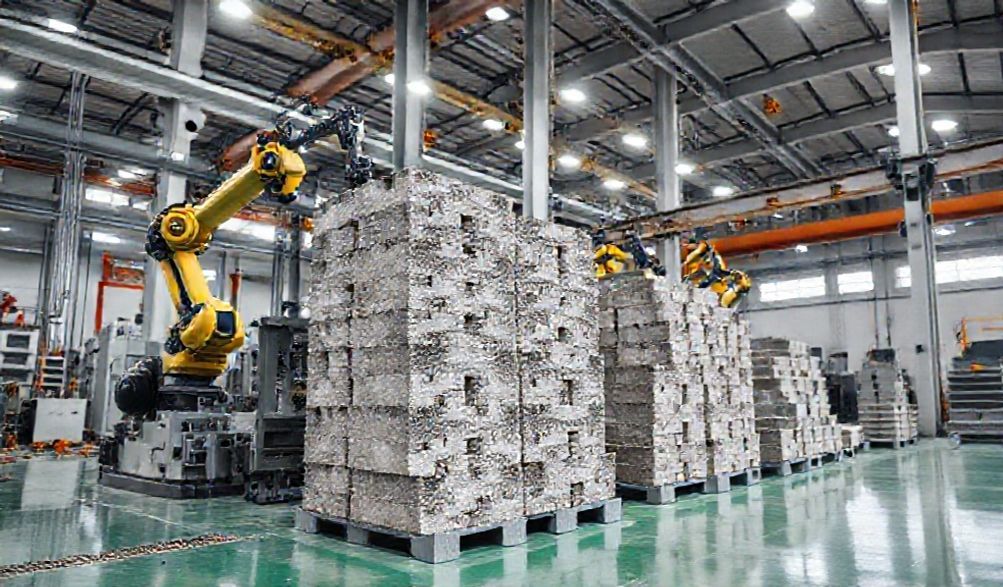
* Linhas de produção totalmente automatizadas com manuseio robótico.
* Controles de CLP com tela sensível ao toque e interfaces multilíngue.
* Capacidades de IoT (Internet das Coisas) para monitoramento e diagnóstico remotos.
* Centros de P&D dedicados focados em eficiência energética e no uso de novos materiais (como cinzas volantes ou CLC).
Esta combinação de força tradicional de manufatura e adoção de tecnologia moderna cria uma proposta de valor única.
Tipos de Máquinas para Fabricação de Tijolos Disponíveis em Guangzhou
O mercado em Guangzhou atende a todas as necessidades imagináveis, desde projetos rurais de pequena escala até grandes desenvolvimentos urbanos. Compreender as categorias é o seu primeiro passo.
Por Operação: Máquinas Manuais, Semiautomáticas e Totalmente Automáticas
- Máquinas Manuais:Baixo custo de capital, totalmente movido por força humana. Ideal para projetos de pequena escala, baseados na comunidade, com baixos requisitos de produção. Alta intensidade de mão de obra.
- Máquinas Semiautomáticas:Uma escolha equilibrada para pequenas e médias empresas. Eles mecanizam o processo de prensagem e moldagem, mas podem exigir alimentação manual da matéria-prima ou remoção dos tijolos acabados. Oferece uma boa combinação de produção e acessibilidade.
- Máquinas Totalmente Automáticas:O ápice da eficiência. Essas linhas controladas por computador lidam com alimentação de material, mistura, prensagem, cura e empilhamento com intervenção humana mínima. Elas comandam um preço mais alto, mas oferecem produção máxima, consistência e menores custos de mão de obra a longo prazo.
Por Produto de Saída: Máquinas de Bloco, Máquinas de Pavimentadora, Máquinas de Tijolos de Entrelaçamento
- Máquinas de Bloco:Os cavalos de batalha da construção, produzindo blocos de concreto vazados ou maciços padrão para paredes e estruturas.
- Paver Machines: Specialize in producing thinner, denser bricks for landscaping, driveways, walkways, and patios. They often feature vibratory presses for a smooth, finished surface.
- Máquinas de Tijolos Intertravados: Produce bricks with designed ridges and grooves that lock together without mortar. Gaining popularity for eco-friendly construction, retaining walls, and paving due to their speed of installation and permeability.
By Raw Material: Concrete, Clay, Fly Ash, and CLC Brick Machines
- Máquinas de Tijolos de Concreto: The most common type, using a mixture of cement, sand, and aggregate.
- Máquinas para Tijolos de Barro: Utilize traditional clay or shale, often involving extrusion and high-temperature kilns.
- Máquinas para Fabricação de Tijolos de Cinzas Volantes: An eco-friendly option that uses fly ash (a coal combustion byproduct) as a primary material, reducing cement use and utilizing industrial waste.
- CLC (Cellular Lightweight Concrete) Block Machines: Produce ultra-lightweight blocks by introducing a foaming agent into the concrete mix. Ideal for insulation and reducing structural load.
Key Factors to Consider Before Purchasing
Jumping straight to price comparisons is a common mistake. First, you must define your own requirements.
Assessing Your Production Needs (Capacity, Brick Type, Automation Level)
Ask yourself this checklist of questions:
* What is my target daily or monthly output (in bricks or cubic meters)?
* What specific brick type(s) do I need to produce (size, shape, material)?
* What is my available labor force, and what skill level do they have?
* What is my available factory space and power supply (voltage, phase)?
* What is my budget, considering both initial investment and operating costs?
Your answers will naturally narrow down the field of suitable machines.
Critical Machine Specifications to Scrutinize
When reviewing offers, go beyond the brochure. Demand details on:
* Força de Pressão (Tonelagem): Higher tonnage generally produces denser, stronger bricks.
* Tempo de Ciclo: How many seconds per brick or per mold? This directly dictates your maximum output.
* Mold Quality & Hardening: Molds should be made from high-chromium alloy steel and heat-treated for longevity.
* Requisitos de Energia: Ensure your facility can meet the voltage (e.g., 380V/50Hz/3Phase is standard) and amperage demands.
* Marcas de Componentes Principais: Reputable manufacturers use known brands for hydraulics (like Rexroth, Yuken) and PLCs (like Siemens, Mitsubishi).
Understanding Total Cost of Ownership
The invoice price is just the beginning. A savvy buyer calculates the Total Cost of Ownership (TCO):
* Initial: Machine cost, shipping, insurance, customs duties, installation.
* Operational: Energy consumption, routine maintenance costs, labor, raw materials.
* Long-term: Spare parts (wear items like seals, mold liners), potential major overhauls, costs of downtime.
A slightly more expensive machine from a reputable supplier with lower energy use and guaranteed spare parts availability often has a lower TCO than a cheap, unsupported alternative.
How to Vet and Select a Reliable Manufacturer in Guangzhou
This is the most critical phase of your journey. Diligence here prevents immense future headaches.
Verifying Company Credentials and Experience
Start with basic but essential verification:
* Business License: Request a copy and cross-check it on Chinese official platforms or via Alibaba’s Gold Supplier verification (though this is a starting point, not a guarantee).
* Anos em Operação: Prefer companies with a track record of 8-10+ years. It indicates stability and accumulated experience.
* Client Portfolio & References: Ask for case studies or contact information for past international clients in a region similar to yours. A genuine manufacturer will have them.
The Non-Negotiable Importance of Factory Audits (Virtual or In-Person)
Never skip this step. If an in-person visit isn’t feasible, insist on a live video tour.
What to look for during an audit:
* Production Floor: Is it organized, clean, and safe? Are workers using proper procedures?
* Controle de Qualidade: Are there dedicated QC stations? Are components being measured and tested?
* Raw Material Storage: Is steel and other material stored properly, indicating care for input quality?
* Finished Goods Yard: Can you see machines ready for shipment? It’s a sign of real production activity.
Evaluating Technical Support and After-Sales Service
The quality of after-sales service separates the best from the rest. Your supplier should offer:
* Documentação Detalhada: Comprehensive manuals in your language (English/Spanish/Arabic etc.).
* Installation Support: Detailed foundation drawings, and preferably, an engineer available for on-site or video-guided installation.
* Garantia: A clear warranty policy (typically 12 months for core parts).
* Peças de Reposição: A readily available catalog with part numbers and a promise of long-term supply (10+ years).
* Troubleshooting: Access to technical support via WhatsApp, email, or video call with reasonable response times.
The Procurement and Logistics Process: A Step-by-Step Walkthrough
Understanding the process reduces anxiety and ensures smooth progress.
From Inquiry to Pro Forma Invoice (PI)
- Initial Contact: Send a detailed inquiry specifying your needs (machine type, automation, capacity).
- Technical Communication: Engage with their engineers to finalize specifications. Be precise.
- Pro Forma Invoice (PI): The supplier will issue a PI detailing price, specifications, payment terms, and Incoterms (e.g., FOB Guangzhou, CIF your port). Understand what the Incoterm covers—FOB means you own the goods and are responsible for costs once they’re loaded on the ship in Guangzhou.
Navigating Payment Terms Securely
Standard and secure payment terms are:
* T/T (Telegraphic Transfer): Often 30% deposit, 70% against copy of shipping documents. Common but requires trust.
* Letter of Credit (L/C): A bank-guaranteed payment method. More secure for both parties but involves bank fees. Highly recommended for large orders.
* Escrow Services (e.g., through Alibaba): Provides a layer of protection by holding payment until you confirm receipt and satisfaction.
Shipping, Customs, and Delivery
- Freight Forwarder: Hire your own or use the supplier’s recommended one. Get quotes for sea freight (LCL or FCL).
- Embalagem: Ensure machines are properly crated in a steel-frame wooden box for ocean transport.
- Documentação: The supplier must provide a clean set of shipping documents: Commercial Invoice, Packing List, Bill of Lading, and Certificate of Origin.
- Despacho Aduaneiro: Work with a customs broker in your country to handle duties, taxes, and clearance based on the provided documents.
Maximizing Your Investment: Installation, Operation, and Maintenance
Your responsibility begins once the machine arrives.
Foundation Preparation and Machine Installation
- Follow the Manual: The manufacturer’s foundation drawing is law. It will specify dimensions, depth, and bolt placements. Use the recommended concrete grade.
- Professional Installation: If not doing it yourself, use experienced local technicians. Supervise the uncrating to check for any shipping damage immediately.
Operator Training and Safety Protocols
- Mandatory Training: Ensure all operators are thoroughly trained on startup, operation, shutdown, and basic troubleshooting.
- Safety First: Enforce strict safety protocols: lock-out/tag-out procedures, wearing safety gear, and never performing maintenance while the machine is powered.
Routine Maintenance Schedule for Longevity
A simple, consistent maintenance routine is the key to years of service.
* Diário: Lubricate all moving parts as per the chart, check hydraulic oil levels, clean the machine.
* Semanal: Check for loose bolts and nuts, inspect hydraulic hoses for wear, clean the filter.
* Mensalmente: Conduct a more thorough inspection of the electrical system, mold condition, and pressure settings.
FAQ Section
Q1: What is the average price range for a brick making machine from Guangzhou?
A: Prices vary immensely. A small manual or semi-automatic machine can start from $5,000 – $15,000. A standard medium-capacity fully automatic block machine typically ranges from $45,000 – $80,000. Large, high-output, fully automated production lines can cost $150,000 to $300,000+. The final price depends on automation, capacity, brand of components, and customization.
Q2: Can I get a customized machine for a specific brick design?
A: Absolutely. Most reputable manufacturers offer custom mold design and fabrication as a core service. You provide the brick design drawings, and their engineering team will create the mold. This will add to the cost and extend the lead time, typically by 2-4 weeks.
Q3: How do I handle machine breakdowns or spare parts needs?
A: This underscores the importance of choosing a supplier with strong after-sales support. They should provide you with a detailed spare parts catalog. For breakdowns, you should have direct access to technical support for remote troubleshooting. For critical spare parts, they should be able to ship them via air freight within days. Always inquire about their standard response time and parts warranty.
Q4: Are the machines compliant with international safety and quality standards (CE, ISO, etc.)?
A: Many are, but you must explicitly ask for and verify the certificates. A serious manufacturer will have CE certification for their standard models (ensuring compliance with EU health, safety, and environmental standards) and likely hold an ISO 9001 quality management system certification. Do not assume; request the certificate for the specific machine model you are buying.
Q5: What is the typical lead time from order to delivery?
A: For a standard model from an established factory, expect 30 to 45 days for production and pre-shipment preparation. For large, customized production lines, 60 to 90 days is more common. This timeline is after receiving your deposit and finalized specifications. Sea freight transit then adds another 20-45 days depending on your destination port.
Conclusão
Sourcing a brick making machine from Guangzhou, China, presents a tremendous opportunity: unparalleled selection, competitive pricing, and deep supply chain efficiency. However, capitalizing on this opportunity requires a strategic and diligent approach. Success hinges on thorough supplier vetting, a clear understanding of your own needs, and careful management of the procurement and logistics process.
Use this guide as your foundational roadmap. Apply the principles of verification, audit, and total cost analysis. By doing so, you move from being a hopeful buyer to an informed partner, poised to build a profitable and long-term relationship with a quality manufacturer. Your journey to securing the right machinery for your project starts with expert knowledge—now you’re equipped to proceed with confidence.
<