
Guanchjou, Xitoyda G'isht Tayyorlash Mashinasini Sotib Olish Bo'yicha Yakuniy Qo'llanma
Kirish
Sanoat uskunalari uchun global bozorni o'rganish qiyin vazifa bo'lishi mumkin. Agar siz ishonchli va arzon narxda g'isht ishlab chiqarish mashinasini topishni istayotgan tadbirkor, loyiha menejeri yoki biznes egasi bo'lsangiz, sizning qidiruvingiz sizni Guanchjou, Xitoy kabi taniqli manzilga olib kelgan bo'lishi mumkin.
Dunyo ishlab chiqarish dvigatelidagi yetakchi markaz sifatida, Guangzhou aqlni hayratga soladigan imkoniyatlar taklif etadi. Biroq, katta tanlov bilan birga mutaxassis yordamiga bo'lgan ehtiyoj ham ortadi. Ushbu qo'llanma shov-shuvlardan xoli bo'lib, sizga aniq yo'l ko'rsatishga mo'ljallangan. Biz chuqur soha bilimlarimizdan foydalanib, Guangzhouning bu sohada hukmronlik qilish sabablarini tushunishdan tortib, ishlab chiqaruvchilarni tekshirish va logistikani boshqarishgacha bo'lgan ishonchli yo'lni taqdim etamiz. Maqsadimiz - sizga investitsiyangizdan maksimal daromad olish uchun asosli va ishonchli xaridor qarorini qabul qilishda yordam berish.
Guangzhou nima uchun g'isht yasash mashinalari uchun global markaz hisoblanadi?
Mashina spetsifikatsiyalarini o'rganishdan oldin, tushunish muhimdirNima uchunGuangzhou bu sohada shubhasiz yetakchiga aylangan. Uning hukmronligi tasodifiy emas, balki o'nlab yillar davomida amalga oshirilgan strategik sanoat rivojlanishining natijasidir.
Ishlab Chiqarishda Ustunlikning Merosi
Guanchjouning kuchi, kengroq Marvarid daryosi deltasi "Dunyoning zavodi" sifatidagi tarixiga asoslanadi. 40 yildan ortiq vaqt davomida bu mintaqa og'ir sanoat, metallga ishlov berish va mashinasozlik ishlab chiqarishda o'z mahoratini oshirdi. Uzoq muddatli e'tibor muhandislik va ishlab chiqarish jarayonlarida chuqur, avloddan-avlodga o'tadigan mutaxassislikni rivojlantirdi. Guanchjoudan mahsulot taminlaganingizda, siz bardoshli va yuqori samarali mashinalar qurishning nozik jihatlarini tushunadigan tajribali muhandislar, texniklar va mutaxassislar bazasidan foydalanasiz.
Markazlashtirilgan Sanoat Ta'minot Zanjirlari
Guanchjouning eng muhim afzalliklaridan biri "klaster effekti"dir. Bu hudud g'isht ishlab chiqarish mashinalari uchun zarur bo'lgan har bir qismning ixtisoslashtirilgan etkazib beruvchilari zich tarmog'iga ega.
* Ramka va qoliplar uchun yuqori sifatli po'lat va qotishmalar
* Aniq gidravlik tizimlar va nasoslar
* Elektr motorlari va PLC (Dasturlash mumkin bo'lgan mantiqiy boshqaruvchi) qurilmalari
* Maxsus qoliplar ishlab chiqaruvchilari
Bu yaqinlik ishlab chiqaruvchilar uchun xarid qilish vaqtini va xarajatlarini sezilarli darajada kamaytiradi, bu esa ko'pincha sizga tejash imkoniyatini beradi. Bundan tashqari, bu sifat nazoratini soddalashtiradi va ishlab chiqarish tsikllarini tezlashtiradi, bu esa Guanchjouni juda samarali qiladi.
Innovatsiya va texnologiyalarni qabul qilish
Xitoy ishlab chiqarishining arzon va past texnologiyali nusxalash bilan sinonim bo'lgan davrlari endi o'tdi. Guanchjou ishlab chiqaruvchilari faol ravishda innovatsiyalarga o'tmoqda. Bugungi kunda siz zavodlarni quyidagilarni birlashtirgan holda topasiz:
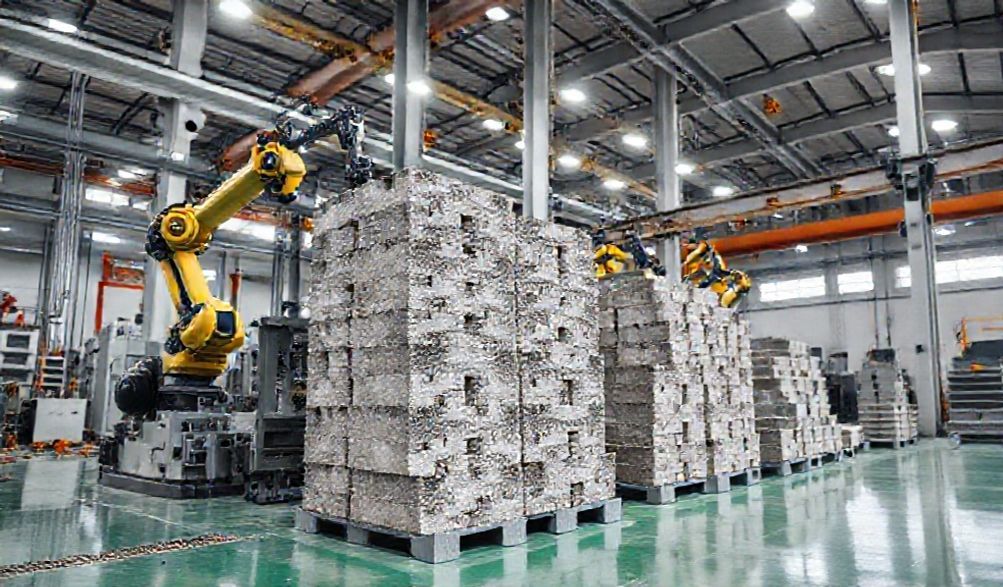
* Robotlar bilan boshqariladigan to'liq avtomatlashtirilgan ishlab chiqarish liniyalari.
* Ko'p tilli interfeyslarga ega sensorli ekranli PLC boshqaruv tizimlari.
* IoT (Internet of Things) imkoniyatlari masofaviy monitoring va diagnostika uchun.
* Energiya samaradorligi va yangi materiallardan (masalan, uchqun kul yoki CLC) foydalanishga qaratilgan maxsus ilmiy-tadqiqot markazlari.
An'anaviy ishlab chiqarish kuchi va zamonaviy texnologiyalarni qabul qilishning bu uyg'unligi noyob qimmat taklifini yaratadi.
Guangzhouda mavjud g'isht ishlab chiqarish mashinalari turlari
The market in Guangzhou caters to every conceivable need, from small-scale rural projects to massive urban developments. Understanding the categories is your first step.
Operatsiya bo'yicha: Qo'lda, Yarim Avtomatik va To'liq Avtomatik Mashinalar
- Qo'lda Boshqariladigan Mashinalar: Low capital cost, entirely human-powered. Ideal for very small-scale, community-based projects with low output requirements. High labor intensity.
- Yarim avtomat mashinalar: A balanced choice for small to medium businesses. They mechanize the pressing and molding process but may require manual feeding of raw material or removal of finished bricks. Offers a good mix of output and affordability.
- To'liq avtomatik mashinalar: The pinnacle of efficiency. These computer-controlled lines handle material feeding, mixing, pressing, curing, and stacking with minimal human intervention. They command a higher price but offer maximum output, consistency, and lower long-term labor costs.
By Product Output: Block Machines, Paver Machines, Interlocking Brick Machines
- Blok mashinalari: The workhorses of construction, producing standard hollow or solid concrete blocks for walls and structures.
- Plyonka Mashinalari: Specialize in producing thinner, denser bricks for landscaping, driveways, walkways, and patios. They often feature vibratory presses for a smooth, finished surface.
- Interlok G'isht Mashinalari: Produce bricks with designed ridges and grooves that lock together without mortar. Gaining popularity for eco-friendly construction, retaining walls, and paving due to their speed of installation and permeability.
By Raw Material: Concrete, Clay, Fly Ash, and CLC Brick Machines
- Beton G'isht Mashinalari: The most common type, using a mixture of cement, sand, and aggregate.
- Loydan g'isht mashinalari: Utilize traditional clay or shale, often involving extrusion and high-temperature kilns.
- Fly Ash G'isht Mashinalari: An eco-friendly option that uses fly ash (a coal combustion byproduct) as a primary material, reducing cement use and utilizing industrial waste.
- CLC (Cellular Lightweight Concrete) Block Machines: Produce ultra-lightweight blocks by introducing a foaming agent into the concrete mix. Ideal for insulation and reducing structural load.
Key Factors to Consider Before Purchasing
Jumping straight to price comparisons is a common mistake. First, you must define your own requirements.
Assessing Your Production Needs (Capacity, Brick Type, Automation Level)
Ask yourself this checklist of questions:
* What is my target daily or monthly output (in bricks or cubic meters)?
* What specific brick type(s) do I need to produce (size, shape, material)?
* What is my available labor force, and what skill level do they have?
* What is my available factory space and power supply (voltage, phase)?
* What is my budget, considering both initial investment and operating costs?
Your answers will naturally narrow down the field of suitable machines.
Critical Machine Specifications to Scrutinize
When reviewing offers, go beyond the brochure. Demand details on:
* Pressure Force (Tonnage): Higher tonnage generally produces denser, stronger bricks.
* Sikl vaqti: How many seconds per brick or per mold? This directly dictates your maximum output.
* Mold Quality & Hardening: Molds should be made from high-chromium alloy steel and heat-treated for longevity.
* Quvvat talablari: Ensure your facility can meet the voltage (e.g., 380V/50Hz/3Phase is standard) and amperage demands.
* Asosiy Komponent Brendlari: Reputable manufacturers use known brands for hydraulics (like Rexroth, Yuken) and PLCs (like Siemens, Mitsubishi).
Understanding Total Cost of Ownership
The invoice price is just the beginning. A savvy buyer calculates the Total Cost of Ownership (TCO):
* Initial: Machine cost, shipping, insurance, customs duties, installation.
* Operational: Energy consumption, routine maintenance costs, labor, raw materials.
* Long-term: Spare parts (wear items like seals, mold liners), potential major overhauls, costs of downtime.
A slightly more expensive machine from a reputable supplier with lower energy use and guaranteed spare parts availability often has a lower TCO than a cheap, unsupported alternative.
How to Vet and Select a Reliable Manufacturer in Guangzhou
This is the most critical phase of your journey. Diligence here prevents immense future headaches.
Verifying Company Credentials and Experience
Start with basic but essential verification:
* Business License: Request a copy and cross-check it on Chinese official platforms or via Alibaba’s Gold Supplier verification (though this is a starting point, not a guarantee).
* Faoliyat yillari: Prefer companies with a track record of 8-10+ years. It indicates stability and accumulated experience.
* Client Portfolio & References: Ask for case studies or contact information for past international clients in a region similar to yours. A genuine manufacturer will have them.
The Non-Negotiable Importance of Factory Audits (Virtual or In-Person)
Never skip this step. If an in-person visit isn’t feasible, insist on a live video tour.
What to look for during an audit:
* Production Floor: Is it organized, clean, and safe? Are workers using proper procedures?
* Sifat nazorati: Are there dedicated QC stations? Are components being measured and tested?
* Raw Material Storage: Is steel and other material stored properly, indicating care for input quality?
* Finished Goods Yard: Can you see machines ready for shipment? It’s a sign of real production activity.
Evaluating Technical Support and After-Sales Service
The quality of after-sales service separates the best from the rest. Your supplier should offer:
* Detailed Documentation: Comprehensive manuals in your language (English/Spanish/Arabic etc.).
* Installation Support: Detailed foundation drawings, and preferably, an engineer available for on-site or video-guided installation.
* Kafolat: A clear warranty policy (typically 12 months for core parts).
* Ehtiyot qismlar: A readily available catalog with part numbers and a promise of long-term supply (10+ years).
* Troubleshooting: Access to technical support via WhatsApp, email, or video call with reasonable response times.
The Procurement and Logistics Process: A Step-by-Step Walkthrough
Understanding the process reduces anxiety and ensures smooth progress.
From Inquiry to Pro Forma Invoice (PI)
- Initial Contact: Send a detailed inquiry specifying your needs (machine type, automation, capacity).
- Technical Communication: Engage with their engineers to finalize specifications. Be precise.
- Pro Forma Invoice (PI): The supplier will issue a PI detailing price, specifications, payment terms, and Incoterms (e.g., FOB Guangzhou, CIF your port). Understand what the Incoterm covers—FOB means you own the goods and are responsible for costs once they’re loaded on the ship in Guangzhou.
Navigating Payment Terms Securely
Standard and secure payment terms are:
* T/T (Telegraphic Transfer): Often 30% deposit, 70% against copy of shipping documents. Common but requires trust.
* Letter of Credit (L/C): A bank-guaranteed payment method. More secure for both parties but involves bank fees. Highly recommended for large orders.
* Escrow Services (e.g., through Alibaba): Provides a layer of protection by holding payment until you confirm receipt and satisfaction.
Shipping, Customs, and Delivery
- Freight Forwarder: Hire your own or use the supplier’s recommended one. Get quotes for sea freight (LCL or FCL).
- Qadoqlash: Ensure machines are properly crated in a steel-frame wooden box for ocean transport.
- Documentation: The supplier must provide a clean set of shipping documents: Commercial Invoice, Packing List, Bill of Lading, and Certificate of Origin.
- Customs Clearance: Work with a customs broker in your country to handle duties, taxes, and clearance based on the provided documents.
Maximizing Your Investment: Installation, Operation, and Maintenance
Your responsibility begins once the machine arrives.
Foundation Preparation and Machine Installation
- Follow the Manual: The manufacturer’s foundation drawing is law. It will specify dimensions, depth, and bolt placements. Use the recommended concrete grade.
- Professional Installation: If not doing it yourself, use experienced local technicians. Supervise the uncrating to check for any shipping damage immediately.
Operator Training and Safety Protocols
- Mandatory Training: Ensure all operators are thoroughly trained on startup, operation, shutdown, and basic troubleshooting.
- Safety First: Enforce strict safety protocols: lock-out/tag-out procedures, wearing safety gear, and never performing maintenance while the machine is powered.
Routine Maintenance Schedule for Longevity
A simple, consistent maintenance routine is the key to years of service.
* Daily: Lubricate all moving parts as per the chart, check hydraulic oil levels, clean the machine.
* Weekly: Check for loose bolts and nuts, inspect hydraulic hoses for wear, clean the filter.
* Monthly: Conduct a more thorough inspection of the electrical system, mold condition, and pressure settings.
Ko'p so'raladigan savollar bo'limi
Q1: What is the average price range for a brick making machine from Guangzhou?
A: Prices vary immensely. A small manual or semi-automatic machine can start from $5,000 – $15,000. A standard medium-capacity fully automatic block machine typically ranges from $45,000 – $80,000. Large, high-output, fully automated production lines can cost $150,000 to $300,000+. The final price depends on automation, capacity, brand of components, and customization.
Q2: Can I get a customized machine for a specific brick design?
A: Absolutely. Most reputable manufacturers offer custom mold design and fabrication as a core service. You provide the brick design drawings, and their engineering team will create the mold. This will add to the cost and extend the lead time, typically by 2-4 weeks.
Q3: How do I handle machine breakdowns or spare parts needs?
A: This underscores the importance of choosing a supplier with strong after-sales support. They should provide you with a detailed spare parts catalog. For breakdowns, you should have direct access to technical support for remote troubleshooting. For critical spare parts, they should be able to ship them via air freight within days. Always inquire about their standard response time and parts warranty.
Q4: Are the machines compliant with international safety and quality standards (CE, ISO, etc.)?
A: Many are, but you must explicitly ask for and verify the certificates. A serious manufacturer will have CE certification for their standard models (ensuring compliance with EU health, safety, and environmental standards) and likely hold an ISO 9001 quality management system certification. Do not assume; request the certificate for the specific machine model you are buying.
Q5: What is the typical lead time from order to delivery?
A: For a standard model from an established factory, expect 30 to 45 days for production and pre-shipment preparation. For large, customized production lines, 60 to 90 days is more common. This timeline is after receiving your deposit and finalized specifications. Sea freight transit then adds another 20-45 days depending on your destination port.
Xulosa
Sourcing a brick making machine from Guangzhou, China, presents a tremendous opportunity: unparalleled selection, competitive pricing, and deep supply chain efficiency. However, capitalizing on this opportunity requires a strategic and diligent approach. Success hinges on thorough supplier vetting, a clear understanding of your own needs, and careful management of the procurement and logistics process.
Use this guide as your foundational roadmap. Apply the principles of verification, audit, and total cost analysis. By doing so, you move from being a hopeful buyer to an informed partner, poised to build a profitable and long-term relationship with a quality manufacturer. Your journey to securing the right machinery for your project starts with expert knowledge—now you’re equipped to proceed with confidence.
<