
The Complete Guide to Small Capacity Brick Machines: Choosing the Right One for Your Project
Introdução
Picture this: You’re a homeowner ready to finally build that garden patio you’ve sketched out for years. Or perhaps you’re a contractor on a tight-budget rural build, where every dollar saved on materials means a bigger profit margin. Maybe you’re an entrepreneur seeing a gap in the local market for affordable building blocks. In each scenario, you hit the same wall: sourcing bricks is expensive, logistically frustrating, and often limits your creative or economic vision.
The high cost of ready-made bricks, coupled with unreliable supply chains and hefty transport fees, can derail small projects and squeeze small businesses. What if you could bypass these hurdles entirely? What if you could produce durable, custom bricks right where you need them, turning a cost center into a point of control and even profit?
Entre osmall capacity brick machine—a powerful yet manageable piece of equipment designed for empowerment. This isn’t the multi-story machinery of an industrial plant. It’s a practical, accessible tool that brings the means of production directly to the DIY enthusiast, the small contractor, the farmer, and the aspiring business owner. It’s the key to self-sufficiency, lean manufacturing, and unlocking creative potential in construction.
This guide is built on a foundation of industry knowledge, technical analysis, and real-world application. Our goal is to move beyond sales pitches and provide you with an authoritative, trustworthy resource. We’ll dissect the how, the why, and the what-to-consider, equipping you with everything you need to make a confident, informed decision about investing in your own brick-making capability.
What is a Small Capacity Brick Machine? Defining Your Tool
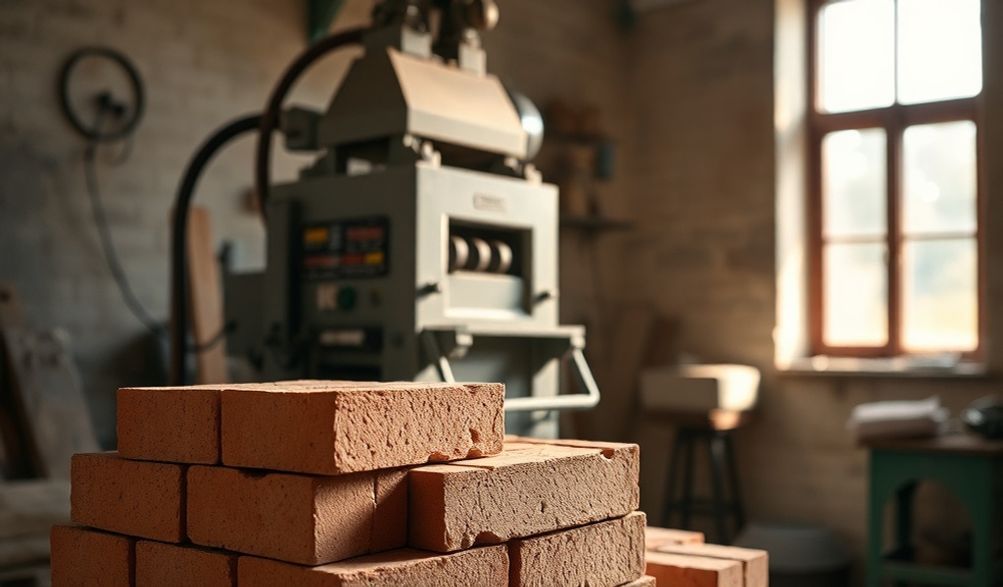
At its core, a small capacity brick machine is a compact device that compresses raw material—like soil, clay, or concrete—into a solid, shaped brick. It’s designed for operations where scale, portability, and initial investment are primary concerns.
Core Function and Output Range
The term “small capacity” is key. In practical terms, it typically refers to machines that can produce between 500 to 5,000 bricks in a standard 8-hour shift. This range perfectly serves projects that don’t require the output of a city-block factory but need more than hand-molding can viably provide.
- Contrast with Large Industry: Large, fully automated plants can produce tens of thousands of bricks daily, requiring massive capital, permanent facilities, and large teams. The small capacity machine is the antithesis: affordable, movable, and operable by a small crew or even an individual.
Componentes Principais e Como Funciona (Explicação Simples)
While designs vary, the fundamental process is elegantly simple:
- Hopper: This is where you feed your pre-mixed raw material (e.g., soil with a bit of cement).
- Mold Cavity (Die): The heart of the machine. This steel mold defines the shape of your brick (solid, hollow, interlocking).
- Sistema de Compactação: This is the force. A manual lever, an electric motor, or a diesel engine drives a ram that applies immense pressure into the mold.
- Mecanismo de Ejeção: Once compacted, the freshly formed brick is pushed out of the mold, ready for curing.
The magic is in the compactação de alta pressão, which binds the particles together to create a dense, strong block without the need for firing in many cases.
Tipos Comuns de Tijolos Produzidos
The versatility lies in interchangeable molds. With one machine, you can typically produce:
- Tijolos Maciços: The standard, rectangular building block for general construction.
- Tijolos Vazados: Lighter bricks with cavities, excellent for improved insulation and reducing structural load.
- Tijolos de Encravamento: Designed with grooves and tongues that lock together, often eliminating the need for mortar in walls and paving.
- Paving Blocks (Flags): Thicker, denser blocks designed for driveways, walkways, and patios.
Who Needs a Small Capacity Brick Machine? (Target Audience & Applications)
Understanding who benefits most from this tool clarifies its immense practical value across diverse fields.
Small Construction Businesses & Startups
For emerging contractors, controlling material costs is survival. A small brick machine allows for on-demand production at the project site, slashing expenses related to purchasing, transportation, and storage from third-party suppliers. It turns a variable cost into a fixed, manageable one.
DIY Homeowners & Landscapers
Imagine crafting a unique garden path, a brick barbecue pit, or a patio that perfectly fits your space. For the hands-on homeowner, a brick machine is a tool for creativity and self-reliance. It transforms landscaping and home improvement projects into deeply personalized endeavors.
Agricultural & Rural Development Projects
On farms and in remote communities, building materials can be scarce and costly to transport. These machines are ideal for constructing sheds, boundary walls, silo bases, and small community buildings using locally available soil. It’s a cornerstone of sustainable, low-cost rural development.
Entrepreneurs in Building Materials
This is a classic small-business starter kit. With a modest investment in a machine and raw materials, an entrepreneur can begin producing and selling bricks locally. It addresses a fundamental need in developing areas and can be scaled up as demand grows.
Educational & Vocational Training Institutes
Colleges and trade schools use these machines to provide hands-on, practical training in masonry, civil engineering fundamentals, and small-scale manufacturing. They offer students tangible experience in material science and production processes.
Fatores Críticos a Considerar Antes de Comprar
Making the right choice requires careful self-assessment. Here are the critical factors to weigh.
Production Capacity & Your Project Scale
Don’t overbuy. Calculate your average daily brick requirement for your projects. A machine producing 1,000 bricks/day is perfect for a steady small business but overkill for a homeowner building a single patio. Match the machine’s output to your genuine needs to optimize your investment.
Type of Raw Materials: Soil, Clay, Fly Ash, Concrete
Not all machines work with all materials. This is crucial.
* Soil/Clay-Based Machines: Often use high stabilization pressure and may require a binder (5-10% cement) for strength.
* Concrete/Fly Ash Machines: Designed for mixers with aggregate (sand, stone dust) and cement.
Conselho Chave: Choose a machine compatible with the most readily available and affordable material in your area. This is your biggest lever for cost reduction and sustainability.
Power Source: Manual, Electric, or Diesel?
This choice defines your operational flexibility and running costs.
Pros and Cons of Manual Machines
- Prós: Lowest cost, zero fuel/electricity needs, ultra-portable, simple maintenance.
- Contras: Labor-intensive, lower output, physical strain on the operator, slower production.
Pros and Cons of Electric/Diesel Machines
- Prós: Higher, consistent output, less physical labor, easier to operate for long periods.
- Contras: Higher upfront cost, requires power source/fuel, more complex maintenance, diesel models have emissions and noise.
Guidance: Choose manual for very low-volume, off-grid, or ultra-tight budget projects. Choose electric for workshops or sites with reliable power. Choose diesel for remote sites with no grid access.
Mobility and Space Requirements
Most small machines are designed with portabilidade in mind—many have wheels or are light enough to be moved by a few people. Assess your workspace: you’ll need a flat, solid area for the machine, space for material storage and mixing, and a dedicated area for curing bricks. A small shed or covered outdoor space is often sufficient.
Facilidade de Operação e Manutenção
Procure poruser-friendly designs with clear instructions. Ask the supplier: How easy is it to change molds? How available and affordable are spare parts (like the crucial mold and ram)? A reliable after-sales service network is worth its weight in gold for a first-time buyer.
Budget: Initial Investment vs. Long-Term ROI
Costs vary widely:
* Máquinas Manuais:$1.000 – $4.000
* Electric/Diesel Machines: $3,000 – $15,000+
Think in terms of Retorno sobre o Investimento (ROI). Calculate how much you currently spend on bricks per project. Your machine’s payback period could be just a few small jobs. For entrepreneurs, model your production costs versus local selling prices to project your business viability.
Top Benefits of Investing in a Small Brick Machine
The advantages extend far beyond simple brick-making.
Significant Cost Reduction on Projects
By sourcing local raw materials (often just soil) and producing on-site, you eliminate middleman markups and transport costs, which can constitute up to 50% of the price of delivered bricks. The savings on a single project can often cover a significant portion of the machine’s cost.
Unmatched Flexibility and Customization
Need a specific size for a renovation? A unique color for a landscape feature? With your own machine, you are in control. Swap the mold, adjust your mix—you can produce bricks tailored to exact architectural or aesthetic requirements that are unavailable or prohibitively expensive on the open market.
On-Demand Production & Project Control
No more project delays waiting for the next brick delivery. You produce what you need, when you need it. This de-risks your timeline and provides immense peace of mind, especially in areas with unreliable supply chains.
Eco-Friendly Potential
Small brick machines excel at using local, natural, or recycled materials. You can utilize excavated site soil, incorporate industrial by-products like fly ash, and drastically cut the carbon emissions associated with long-distance transport and industrial kiln firing.
Source of Additional Income
Once your immediate project needs are met, the machine doesn’t sit idle. You can produce bricks for sale to neighbors, local builders, or community projects, turning a capital purchase into a revenue-generating asset.
Potential Challenges and How to Overcome Them
A realistic view ensures success. Here are common hurdles and their solutions.
Learning Curve and Skill Requirement
Making strong, consistent bricks is a skill. A poor mix or incorrect curing will result in weak, crumbling blocks.
* Solution: Start simple. Use proven mix ratios (e.g., 90% soil, 10% cement). Seek out online tutorials, manufacturer training, or connect with experienced users. Consider a simpler manual machine to learn the basics before scaling up.
Quality Control Consistency
Strength can vary between batches if the process isn’t controlled.
* Solution: Standardize your process. Use consistent, sieved raw materials. Measure water content precisely. Implement simple field tests, like the drop test (a cured brick shouldn’t break when dropped from waist height) or checking for uniform color and edges.
Weather Dependence for Curing
Sun-cured bricks need dry, warm weather. Rain can ruin a freshly made batch.
* Solution: Plan production around weather forecasts. Create simple, low-cost curing shelters using plastic sheeting and a frame to protect bricks from rain and direct, drying sun in the first critical days.
Finding a Reliable Supplier
The market has both excellent manufacturers and dubious sellers.
* Solution: Vet suppliers rigorously. Use this checklist:
* Does they offer a clear warranty (at least 1 year)?
* Is after-sales service and technical support promised?
* Can they provide customer references or videos of their machines in operation?
* Are spare parts, especially molds, readily available for purchase?
Step-by-Step: Getting Started with Your First Brick Production
Ready to begin? Follow this actionable guide.
Step 1: Site Preparation and Machine Setup
Choose a level, firm surface—a concrete slab is ideal. Ensure you have adequate space for material storage and a curing area. Assemble the machine according to the manual, ensuring all bolts are tight. If electric, connect to a proper power source; if diesel, ensure proper ventilation.
Step 2: Sourcing and Preparing Your Raw Material
Gather your primary material (e.g., sandy loam soil). Remove all organic matter (roots, leaves) and large stones. Sieve the material for consistency. Prepare your binder (usually Portland cement) and have clean water ready.
Step 3: The Mixing and Molding Process
Thoroughly mix your dry materials (e.g., 7 parts soil to 1 part cement) until uniform. Gradually add water while mixing. The ideal mix is moist but not wet—it should hold its shape when squeezed without dripping water. Feed the mix into the machine’s hopper and operate the compaction cycle to produce your first brick.
Step 4: Proper Curing and Drying Techniques
Gently transfer the fresh, “green” bricks to a shaded, covered curing area. Keep them moist by lightly spraying with water 2-3 times a day for 7-14 days. This allows the cement to hydrate fully and gain strength. After curing, allow them to dry completely in the shade before use.
Step 5: Quality Checks and Storage
Once fully dried, test a sample brick. It should have a clear, sharp shape, a consistent color, and a hard surface that doesn’t scratch easily. Store your finished bricks off the ground on pallets and under cover until they are needed for construction.
FAQ Section
Q1: How many bricks can a small capacity machine make per day?
This is the defining “capacity” range. A typical small machine can produce between 500 to 5,000 bricks in an 8-hour shift, depending on whether it’s manual or motorized and the skill of the operator.
Q2: What is the difference between a manual and an electric brick machine?
The core difference is the compaction force. A manual machine uses a lever operated by human strength, resulting in lower output and more physical effort. An electric (or diesel) machine uses a motor to apply consistent, high pressure, allowing for faster, less labor-intensive production.
Q3: Can I use ordinary soil from my yard to make bricks?
Often, yes—but not all soil is ideal. The best soil is a sandy loam or clayey sand. Pure clay shrinks and cracks; pure sand lacks cohesion. A simple test is to try compacting a handful of moist soil. If it holds a firm shape, it’s likely suitable, usually stabilized with 5-10% cement.
Q4: Do the bricks need to be fired in a kiln?
Generally, no. Small capacity machines typically produce compressed stabilized earth blocks (CSEBs) or concrete blocks. Their strength comes from high-pressure compaction and chemical stabilization (with cement or lime), not from heat. They are air-cured.
Q5: How much space do I need to operate one of these machines?
A compact footprint. You need space for the machine itself (about 4’x4′), plus areas for material storage, mixing (another 10’x10′), and brick curing (the largest area, potentially several hundred square feet for a full day’s production). A small workshop or covered yard is sufficient.
Q6: What is the average lifespan of a small brick machine?
With proper maintenance and care, a quality machine can last 10 to 20 years. The most wear-prone parts are the mold and ram, which are replaceable. The longevity depends heavily on build quality, frequency of use, and maintenance.
Q7: Are there any safety precautions I should take?
Absolutely. Always wear sturdy gloves, safety glasses, and closed-toe shoes. Keep hands clear of moving parts during operation. When using electric machines, ensure all connections are dry and proper. For diesel models, operate in well-ventilated areas. Always follow the manufacturer’s safety guidelines.
Conclusão
A small capacity brick machine is far more than a piece of equipment; it’s a tool of empowerment. It represents a shift from dependency on external suppliers to self-reliance, from fixed costs to controlled investment, and from standard solutions to customized creativity. Whether you’re building a backyard oasis, launching a contracting business, or starting a local material supply venture, this technology places capability directly in your hands.
Your path forward is clear. Thoroughly assess your needs against the factors we’ve outlined: your required scale, available materials, power access, and budget. Research suppliers diligently, prioritizing those with proven track records in service and support. If you’re new to brick-making, consider starting with a basic, manual model to master the process without a large upfront investment.
We encourage you to take the next step with confidence. Contact reputable manufacturers with your specific project details. Request videos, speak to past customers, and if possible, seek a live demonstration. Connect with online forums and communities of small-scale brick makers—their peer advice is invaluable.
Armed with the right knowledge and a clear plan, investing in a small capacity brick machine can be one of the most practical and rewarding decisions for your project or business. It’s an investment not just in a machine, but in your own autonomy and potential.
<