
Inzira Yuzuye yo Gukoresha Imashini z’Amatafari z’Ubushobozi Buto: Guhitamo iyo Ikwiye kuri Porojeki Yawe
Intangamarara
Tekereza ibi: Uri umunyamuryango w’urugo wariteguye gushaka kubaka uwo mwanya w’ubusitani wari wahanuye imyaka. Cyangwa waba umukontaraka uri mu gushushanya kugirango ubake mu cyaro aho amafaranga yose akoreshwa mu bikoresho bigomba kugabanywa kugirango wongere inyungu. Wenda waba umubyeyi w’ubucuruzi ubona uburyo bwo gutangiza amabuye y’ubatswe mu isoko ry’igihugu ku giciro gito. Muri buri mwimerere, ubona ikibazo kimwe: gushakisha amatafari bihenze, bikagora kubona, kandi bikenshi bikagabanya ibyo wifuza mu bucuruzi.
Igiciro cy’ibyumba byakozwe mbere cyane, hamwe n’ubushobozi bwo kubitura ibikoresho n’amafarisha menshi yo gutwara, bishobora guhagarika ibikorwa bito no gukandamiza ibikorwa by’ubucuruzi buto. None se iyo waba warashoboye gukuraho izi ngombwa zose? None se iyo waba warashoboye gukora ibyumba by’umwimerere, byakozwe uko ubikeneye aho ubikeneye, bigatuma aho wakoreshaga amafarisha menshi akaba aho wifashisha mu gukora ibintu no kugira inyungu?
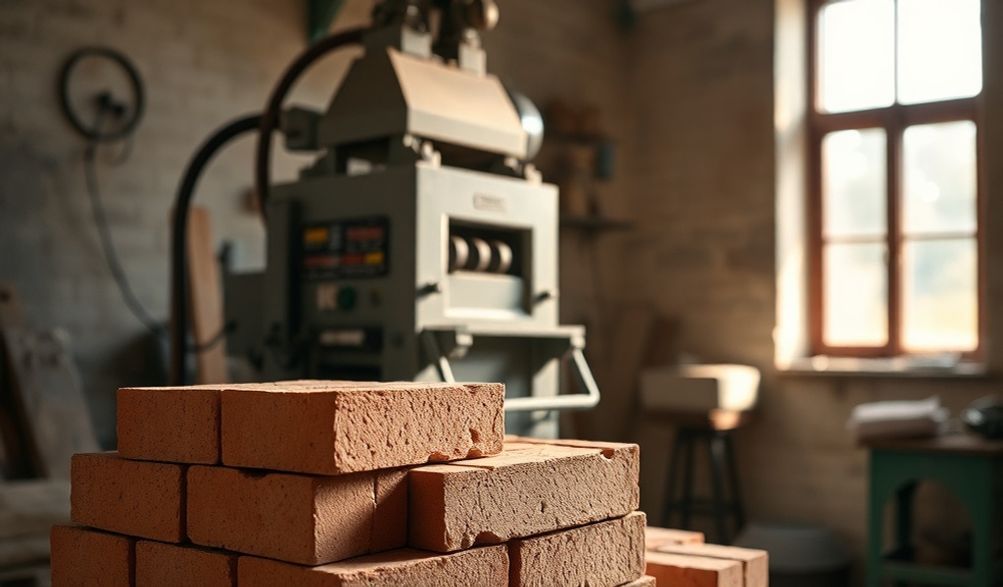
Injiramashini nto yo gutunganya amatafri—ikintu gikomeye ariko gishoboka gukoreshwa neza, gihariye guha abantu ubushobozi. Ntabwo ari imashini nini nk’izo mu bigo by’ubukorikori. Ni igikoresho gikora kandi gishoboka kugerwaho, kizana uburyo bwo gukora ibintu by’ibanze mu maboko y’umunyabwenge, umukontarakida muto, umuhinzi, n’ushatse gutangira ubucuruzi. Ni kintu cy’ingenyo mu kugira ubushobozi bwo kwitegura, gukora ibintu mu buryo buhendutse, no kuzamura ubushobozi bwo gukora ibintu by’ubwubatsi mu buryo buhanga.
Uyu mwongozo wubatswe ku mizinga y’ubumenyi bw’inganda, igenamigambi ry’ikoranabuhanga, n’uko bikoreshwa mu buzima bwa buri munsi. Intego yacu ni ugusohoka inyuma y’ibyo abagurisha bavuga kugira ngo tubahe inkomoko y’amakuru yizewe kandi yiringiye. Tuzasobanura uburyo, impamvu, n’ibyo ugomba gutekereza, tukugenera ibyo byose ushobora gukenera kugira ngo utore icyemezo cyizewe cyo gushora imari mu bubasha bwawe bwo gukora amatafari.
Ni iki cyitwa Mudasobwa gato yo kubaka amatafari? Gusobanura Ibikoresho Byawe
Mu ngingo yacyo y'ibanze, mashini nto yo kubumba amatafari ni igikoresho gito gikompreseje iby'ingenzi—nk'ubutaka, ibumba, cyangwa sima—kugira ngo ibe amatafari y'imikorere ituje, ifite imiterere. Yashyizweho kugirango ikore mu bikorwa aho ubunini, kuyikwirakwiza, no gutangira gushora imari byibanze.
Umubare W'ibikorwa N'urwego Rw'ibisohoka
Iyo mvugo "ubushobozi buke" ni ingenzi. Mu bikorwa bya buri munsi, isanzwe isobanurwa nk’imashini zishobora gukora hagati ya500 kugeza kuri 5.000 amatafari mu gikorwa cya buri munsi cy’amasaha 8Iyi mfuruka ikora neza mu mirimo itakeneye ibikorwa by’uruganda rufite ubushobozi bwo gukora ibyatsi by’umujyi, ariko ikeneye ibirenze ibishoboka n’ubukorikori bw’intoki.
- Bihuje n’Inganda Nini:Amashini makuru, yimikorere yuzuye, ashobora gukora ibihumbi by'ibikoresho byinshi buri munsi, bigenwa amafaranga menshi, amashini akomeye, n'ibyiciro by'abakozi benshi. Mu gihe icyuma gito cyo gukora ibikoresho gishobora guhindurwa aho gikorerwamo, gikoreshwa n'itsinda ritoya cyangwa n'umuntu umwe, kandi gifite igiciro gito.
Ibice By’ingenzi n’Uko Bikora (Ibisobanuro Byoroheje)
Nubwo imiterere itandukanye, uburyo bushingiye ni ugufata umurongo wo kugenda:
- Hopper: This is where you feed your pre-mixed raw material (e.g., soil with a bit of cement).
- Mold Cavity (Die): The heart of the machine. This steel mold defines the shape of your brick (solid, hollow, interlocking).
- Sisitemu yo Gukanya: This is the force. A manual lever, an electric motor, or a diesel engine drives a ram that applies immense pressure into the mold.
- Uburyo bwo Gusohora: Once compacted, the freshly formed brick is pushed out of the mold, ready for curing.
The magic is in the Gukanisha imbaraga nyinshi, which binds the particles together to create a dense, strong block without the need for firing in many cases.
Ubwoko bw'ibyumba byakozwe mu rugero
The versatility lies in interchangeable molds. With one machine, you can typically produce:
- Amatafari Y'imigano: The standard, rectangular building block for general construction.
- Amatafari Y'umwobo: Lighter bricks with cavities, excellent for improved insulation and reducing structural load.
- Amatafari Yumubumbe: Designed with grooves and tongues that lock together, often eliminating the need for mortar in walls and paving.
- Paving Blocks (Flags): Thicker, denser blocks designed for driveways, walkways, and patios.
Who Needs a Small Capacity Brick Machine? (Target Audience & Applications)
Understanding who benefits most from this tool clarifies its immense practical value across diverse fields.
Small Construction Businesses & Startups
For emerging contractors, controlling material costs is survival. A small brick machine allows for on-demand production at the project site, slashing expenses related to purchasing, transportation, and storage from third-party suppliers. It turns a variable cost into a fixed, manageable one.
DIY Homeowners & Landscapers
Imagine crafting a unique garden path, a brick barbecue pit, or a patio that perfectly fits your space. For the hands-on homeowner, a brick machine is a tool for creativity and self-reliance. It transforms landscaping and home improvement projects into deeply personalized endeavors.
Agricultural & Rural Development Projects
On farms and in remote communities, building materials can be scarce and costly to transport. These machines are ideal for constructing sheds, boundary walls, silo bases, and small community buildings using locally available soil. It’s a cornerstone of sustainable, low-cost rural development.
Entrepreneurs in Building Materials
This is a classic small-business starter kit. With a modest investment in a machine and raw materials, an entrepreneur can begin producing and selling bricks locally. It addresses a fundamental need in developing areas and can be scaled up as demand grows.
Educational & Vocational Training Institutes
Colleges and trade schools use these machines to provide hands-on, practical training in masonry, civil engineering fundamentals, and small-scale manufacturing. They offer students tangible experience in material science and production processes.
Ibyo Ukwiriye Gukora Mbere yo Kugura
Making the right choice requires careful self-assessment. Here are the critical factors to weigh.
Production Capacity & Your Project Scale
Don’t overbuy. Calculate your average daily brick requirement for your projects. A machine producing 1,000 bricks/day is perfect for a steady small business but overkill for a homeowner building a single patio. Match the machine’s output to your genuine needs to optimize your investment.
Type of Raw Materials: Soil, Clay, Fly Ash, Concrete
Not all machines work with all materials. This is crucial.
* Soil/Clay-Based Machines: Often use high stabilization pressure and may require a binder (5-10% cement) for strength.
* Concrete/Fly Ash Machines: Designed for mixers with aggregate (sand, stone dust) and cement.
Inama Nshingirwaho: Choose a machine compatible with the most readily available and affordable material in your area. This is your biggest lever for cost reduction and sustainability.
Power Source: Manual, Electric, or Diesel?
This choice defines your operational flexibility and running costs.
Pros and Cons of Manual Machines
- Inziza: Lowest cost, zero fuel/electricity needs, ultra-portable, simple maintenance.
- Ibibi: Labor-intensive, lower output, physical strain on the operator, slower production.
Pros and Cons of Electric/Diesel Machines
- Inziza: Higher, consistent output, less physical labor, easier to operate for long periods.
- Ibibi: Higher upfront cost, requires power source/fuel, more complex maintenance, diesel models have emissions and noise.
Guidance: Choose manual for very low-volume, off-grid, or ultra-tight budget projects. Choose electric for workshops or sites with reliable power. Choose diesel for remote sites with no grid access.
Mobility and Space Requirements
Most small machines are designed with ubushobozi bwo guhinduragahunda in mind—many have wheels or are light enough to be moved by a few people. Assess your workspace: you’ll need a flat, solid area for the machine, space for material storage and mixing, and a dedicated area for curing bricks. A small shed or covered outdoor space is often sufficient.
Ease of Operation and Maintenance
Look for user-friendly designs with clear instructions. Ask the supplier: How easy is it to change molds? How available and affordable are spare parts (like the crucial mold and ram)? A reliable after-sales service network is worth its weight in gold for a first-time buyer.
Budget: Initial Investment vs. Long-Term ROI
Costs vary widely:
* Imashini z'ibikorwa by'amaboko: $1,000 – $4,000
* Electric/Diesel Machines: $3,000 – $15,000+
Think in terms of Inyungu y’amafaranga yinjizwa (ROI). Calculate how much you currently spend on bricks per project. Your machine’s payback period could be just a few small jobs. For entrepreneurs, model your production costs versus local selling prices to project your business viability.
Top Benefits of Investing in a Small Brick Machine
The advantages extend far beyond simple brick-making.
Significant Cost Reduction on Projects
By sourcing local raw materials (often just soil) and producing on-site, you eliminate middleman markups and transport costs, which can constitute up to 50% of the price of delivered bricks. The savings on a single project can often cover a significant portion of the machine’s cost.
Unmatched Flexibility and Customization
Need a specific size for a renovation? A unique color for a landscape feature? With your own machine, you are in control. Swap the mold, adjust your mix—you can produce bricks tailored to exact architectural or aesthetic requirements that are unavailable or prohibitively expensive on the open market.
On-Demand Production & Project Control
No more project delays waiting for the next brick delivery. You produce what you need, when you need it. This de-risks your timeline and provides immense peace of mind, especially in areas with unreliable supply chains.
Eco-Friendly Potential
Small brick machines excel at using local, natural, or recycled materials. You can utilize excavated site soil, incorporate industrial by-products like fly ash, and drastically cut the carbon emissions associated with long-distance transport and industrial kiln firing.
Source of Additional Income
Once your immediate project needs are met, the machine doesn’t sit idle. You can produce bricks for sale to neighbors, local builders, or community projects, turning a capital purchase into a revenue-generating asset.
Potential Challenges and How to Overcome Them
A realistic view ensures success. Here are common hurdles and their solutions.
Learning Curve and Skill Requirement
Making strong, consistent bricks is a skill. A poor mix or incorrect curing will result in weak, crumbling blocks.
* Igisubizo: Start simple. Use proven mix ratios (e.g., 90% soil, 10% cement). Seek out online tutorials, manufacturer training, or connect with experienced users. Consider a simpler manual machine to learn the basics before scaling up.
Quality Control Consistency
Strength can vary between batches if the process isn’t controlled.
* Igisubizo: Standardize your process. Use consistent, sieved raw materials. Measure water content precisely. Implement simple field tests, like the drop test (a cured brick shouldn’t break when dropped from waist height) or checking for uniform color and edges.
Weather Dependence for Curing
Sun-cured bricks need dry, warm weather. Rain can ruin a freshly made batch.
* Igisubizo: Plan production around weather forecasts. Create simple, low-cost curing shelters using plastic sheeting and a frame to protect bricks from rain and direct, drying sun in the first critical days.
Finding a Reliable Supplier
The market has both excellent manufacturers and dubious sellers.
* Igisubizo: Vet suppliers rigorously. Use this checklist:
* Does they offer a clear warranty (at least 1 year)?
* Is after-sales service and technical support promised?
* Can they provide customer references or videos of their machines in operation?
* Are spare parts, especially molds, readily available for purchase?
Step-by-Step: Getting Started with Your First Brick Production
Ready to begin? Follow this actionable guide.
Step 1: Site Preparation and Machine Setup
Choose a level, firm surface—a concrete slab is ideal. Ensure you have adequate space for material storage and a curing area. Assemble the machine according to the manual, ensuring all bolts are tight. If electric, connect to a proper power source; if diesel, ensure proper ventilation.
Step 2: Sourcing and Preparing Your Raw Material
Gather your primary material (e.g., sandy loam soil). Remove all organic matter (roots, leaves) and large stones. Sieve the material for consistency. Prepare your binder (usually Portland cement) and have clean water ready.
Step 3: The Mixing and Molding Process
Thoroughly mix your dry materials (e.g., 7 parts soil to 1 part cement) until uniform. Gradually add water while mixing. The ideal mix is moist but not wet—it should hold its shape when squeezed without dripping water. Feed the mix into the machine’s hopper and operate the compaction cycle to produce your first brick.
Step 4: Proper Curing and Drying Techniques
Gently transfer the fresh, “green” bricks to a shaded, covered curing area. Keep them moist by lightly spraying with water 2-3 times a day for 7-14 days. This allows the cement to hydrate fully and gain strength. After curing, allow them to dry completely in the shade before use.
Step 5: Quality Checks and Storage
Once fully dried, test a sample brick. It should have a clear, sharp shape, a consistent color, and a hard surface that doesn’t scratch easily. Store your finished bricks off the ground on pallets and under cover until they are needed for construction.
FAQ Section
Q1: How many bricks can a small capacity machine make per day?
This is the defining “capacity” range. A typical small machine can produce between 500 to 5,000 bricks in an 8-hour shift, depending on whether it’s manual or motorized and the skill of the operator.
Q2: What is the difference between a manual and an electric brick machine?
The core difference is the compaction force. A manual machine uses a lever operated by human strength, resulting in lower output and more physical effort. An electric (or diesel) machine uses a motor to apply consistent, high pressure, allowing for faster, less labor-intensive production.
Q3: Can I use ordinary soil from my yard to make bricks?
Often, yes—but not all soil is ideal. The best soil is a sandy loam or clayey sand. Pure clay shrinks and cracks; pure sand lacks cohesion. A simple test is to try compacting a handful of moist soil. If it holds a firm shape, it’s likely suitable, usually stabilized with 5-10% cement.
Q4: Do the bricks need to be fired in a kiln?
Generally, no. Small capacity machines typically produce compressed stabilized earth blocks (CSEBs) or concrete blocks. Their strength comes from high-pressure compaction and chemical stabilization (with cement or lime), not from heat. They are air-cured.
Q5: How much space do I need to operate one of these machines?
A compact footprint. You need space for the machine itself (about 4’x4′), plus areas for material storage, mixing (another 10’x10′), and brick curing (the largest area, potentially several hundred square feet for a full day’s production). A small workshop or covered yard is sufficient.
Q6: What is the average lifespan of a small brick machine?
With proper maintenance and care, a quality machine can last 10 to 20 years. The most wear-prone parts are the mold and ram, which are replaceable. The longevity depends heavily on build quality, frequency of use, and maintenance.
Q7: Are there any safety precautions I should take?
Absolutely. Always wear sturdy gloves, safety glasses, and closed-toe shoes. Keep hands clear of moving parts during operation. When using electric machines, ensure all connections are dry and proper. For diesel models, operate in well-ventilated areas. Always follow the manufacturer’s safety guidelines.
Ibyo byose
A small capacity brick machine is far more than a piece of equipment; it’s a tool of empowerment. It represents a shift from dependency on external suppliers to self-reliance, from fixed costs to controlled investment, and from standard solutions to customized creativity. Whether you’re building a backyard oasis, launching a contracting business, or starting a local material supply venture, this technology places capability directly in your hands.
Your path forward is clear. Thoroughly assess your needs against the factors we’ve outlined: your required scale, available materials, power access, and budget. Research suppliers diligently, prioritizing those with proven track records in service and support. If you’re new to brick-making, consider starting with a basic, manual model to master the process without a large upfront investment.
We encourage you to take the next step with confidence. Contact reputable manufacturers with your specific project details. Request videos, speak to past customers, and if possible, seek a live demonstration. Connect with online forums and communities of small-scale brick makers—their peer advice is invaluable.
Armed with the right knowledge and a clear plan, investing in a small capacity brick machine can be one of the most practical and rewarding decisions for your project or business. It’s an investment not just in a machine, but in your own autonomy and potential.
<