
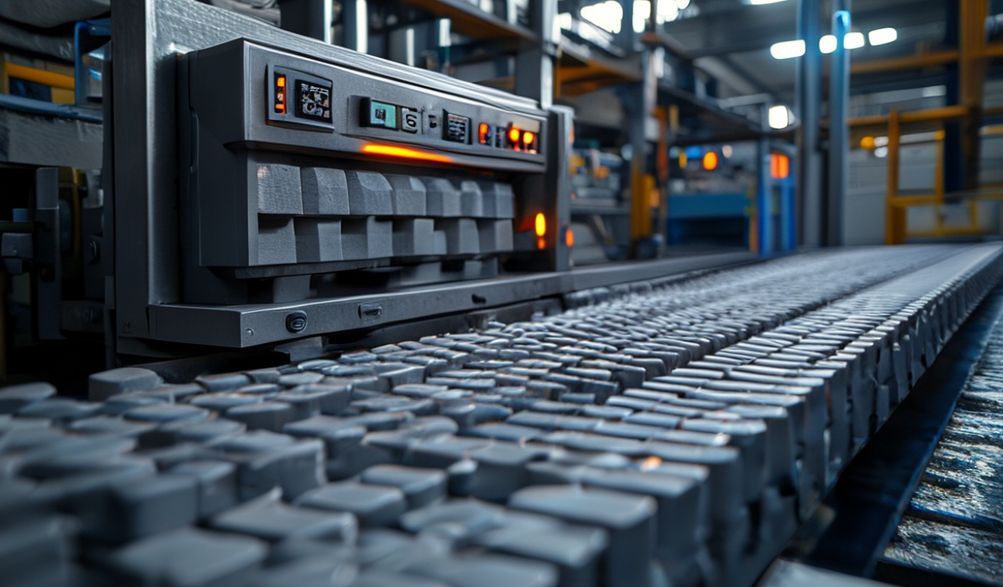
O Guia Definitivo para Máquinas de Fabricar Tijolos de Cimento: Inovação da Fábrica de Blocos FUDA
Introdução
Navegar pelo mundo da maquinaria de construção pode ser uma tarefa complexa, repleta de jargões técnicos e decisões de investimento significativas. Este guia abrangente foi elaborado pelos especialistas em engenharia e indústria da FUDA Block Making Factory. Com mais de duas décadas de experiência prática no projeto, fabricação e implantação de máquinas de fabricação de blocos em seis continentes, recorremos a estudos de caso do mundo real e profunda expertise técnica para fornecer insights autorizados nos quais você pode confiar.
Seja você um empreendedor da construção civil expandindo seus negócios, um engenheiro civil especificando materiais para um projeto ou um órgão governamental planejando infraestrutura em larga escala, este guia será seu recurso definitivo. Vamos desmistificar as máquinas para fabricar tijolos de cimento, explicando seu funcionamento, benefícios tangíveis e os fatores críticos para selecionar o parceiro certo para seu investimento. Nossa prioridade é fornecer informações claras, factuais e confiáveis para capacitar seu processo de tomada de decisão.
Compreendendo as Máquinas para Fabricar Tijolos de Cimento: Princípios Fundamentais e Tipos
Em sua essência, uma máquina de fazer blocos trata-se de precisão, eficiência e transformação. Compreender os princípios fundamentais é o primeiro passo para realizar uma compra bem informada.
O que é uma Máquina de Fabricar Tijolos de Cimento?
Uma máquina para fazer tijolos de cimento é um dispositivo industrial projetado para automatizar e otimizar a produção de blocos de construção. Ela transforma matérias-primas—principalmente uma mistura de cimento, areia, agregado (como pedra britada) e água—em tijolos ou blocos densos, uniformes e duráveis. Isso é alcançado por meio de uma combinação sofisticada decompactação de alta pressãoevibraçãoO processo garante que as bolhas de ar sejam removidas e que a mistura seja consolidada em um molde, resultando em um produto com alta integridade estrutural e dimensões consistentes, pronto para a cura e uso.
Tipos Principais de Máquinas de Fabricação de Blocos
O mercado oferece um espectro de máquinas, categorizadas principalmente pelo seu nível de automação e mobilidade. Escolher o tipo certo é crucial para alinhar com seus objetivos de produção e orçamento.
-
Máquinas Manuais vs. Semi-Automáticas vs. Totalmente Automáticas:
- Máquinas Manuais:Operados principalmente manualmente, incluindo alimentação de material e ejeção de blocos. São de baixo custo e adequados para projetos de pequena escala ou iniciantes com requisitos mínimos de produção diária.
- Máquinas Semiautomáticas:Estes representam um salto significativo de produtividade. Processos-chave como mistura e compactação são mecanizados, mas o preenchimento do molde ou a remoção dos blocos podem exigir intervenção do operador. Eles oferecem um excelente equilíbrio entre custo, produção e flexibilidade, ideal para pequenas e médias empresas.
- Máquinas Totalmente Automáticas:O ápice da eficiência produtiva. Esses sistemas controlados por computador gerenciam todo o processo — desde a dosagem e mistura de matérias-primas até a moldagem, compactação, cura e empilhamento — com supervisão humana mínima. Eles são projetados para produção contínua em alto volume, com consistência inigualável e menores custos trabalhistas a longo prazo.
-
Máquinas Estacionárias para Fabricação de Blocos:Estas são máquinas robustas de alta produção, instaladas em local fixo, tipicamente dentro de uma fábrica dedicada. Elas constituem a espinha dorsal de negócios de fornecimento de blocos em grande escala e de grandes projetos de construção que exigem um suprimento constante e massivo de blocos.
-
Máquinas de Blocos Móveis:Também conhecidas como "fazedoras de ovos" ou fabricantes de blocos móveis, essas unidades podem ser rebocadas diretamente para o canteiro de obras. Isso elimina o custo logístico e os possíveis danos associados ao transporte de blocos prontos por longas distâncias, tornando-as perfeitas para projetos remotos ou grandes empreendimentos habitacionais, onde a produção pode se deslocar junto com a frente de trabalho.
A Abordagem FUDA para Projeto de Máquinas
At FUDA, our engineering philosophy is built on three non-negotiable pillars, honed through thousands of installations:
1. Durabilidade: We use high-grade steel, premium hydraulic components, and reinforced structures to ensure our machines withstand 24/7 operation in harsh environments.
2. Eficiência Energética: Our designs incorporate optimized hydraulic systems and intelligent controls to reduce power consumption, directly lowering your operational costs.
3. Operação Amigável ao Usuário: We believe powerful machinery should not be complicated. From intuitive control panels to easy-access maintenance points, every FUDA machine is designed for smooth operation and minimal downtime.
Key Advantages of Using a Modern Cement Brick Machine
Transitioning from manual labor or outdated equipment to a modern block maker isn’t just an upgrade—it’s a strategic business transformation with measurable benefits.
Unmatched Productivity and Cost Efficiency
The numbers speak for themselves. A single semi-automatic machine can typically produce 1,500 to 4,000 blocks in an 8-hour shift, while a fully automatic line can exceed 20,000. This massive output drastically reduces dependency on large labor crews, converting a variable cost into a fixed, manageable one. The long-term Return on Investment (ROI) is compelling, often paying for the machine itself within 12-24 months through saved labor costs and increased sales capacity.
Qualidade Superior e Consistente do Produto
Hand-molded or poorly machine-made blocks suffer from dimensional inconsistency and variable strength. A modern machine applies precise, repeatable pressure (measured in tons), ensuring every single block has:
* Identical dimensions for faster, easier bricklaying.
* High and uniform compressive strength (often exceeding 4-5 MPa for hollow blocks, well above standard building code requirements like ASTM C90 or IS 2185).
* Excellent surface finish, reducing plastering costs and material use.
This consistency is critical for structural integrity, compliance with engineering specifications, and professional project outcomes.
Versatilidade na Gama de Produtos
Market demands change. A quality machine is a versatile asset. By simply changing the mold, a single FUDA machine can produce a diverse product catalog to capture different market segments:
* Hollow Blocks (for load-bearing and partition walls)
* Solid Bricks
* Paving Stones and Kerbstones
* Interlocking Bricks (for dry-stack construction)
* Decorative and Landscape Blocks
Sustainability and Eco-Friendly Production
Modern block production can be a green endeavor. Machines enable the precise use of raw materials, minimizing waste. Furthermore, they can efficiently utilize industrial by-products like cinzas volantes or slag in the mix, diverting waste from landfills and creating “green” blocks. Producing blocks on-site with a mobile machine also slashes the carbon emissions associated with long-distance transportation of heavy materials.
How to Choose the Right Cement Brick Maker Machine for Your Project
Selecting a machine is a significant capital decision. This framework, based on our experience with countless client projects, will guide your evaluation.
Avaliando Seus Requisitos de Produção
Comece fazendo estas perguntas-chave:
* What is my current and projected daily block demand? (Be realistic about growth).
* What types of blocks are most in demand in my local market?
* What is my available budget, not just for purchase but for installation, power, and labor?
* Do I have a fixed factory location, or do I need the flexibility of on-site production?
Your answers will naturally point you toward the appropriate level of automation and machine type.
Critical Technical Specifications to Evaluate
Look beyond the brochure. Scrutinize these core specs:
* Força de Pressão (Tonelagem): Higher tonnage (e.g., 150 tons vs. 80 tons) generally means denser, stronger blocks and faster cycle times.
* Tempo de Ciclo: How many seconds does it take to produce one cycle of blocks? Lower cycle time = higher hourly output.
* Mold Customization Options: Can the supplier provide custom molds for unique block designs you may want to offer?
* Requisitos de Energia: Ensure your facility or site can supply the necessary electrical power (e.g., 3-phase) for the machine.
* After-Sales Service and Parts Availability: This is perhaps the most critical long-term consideration. A machine is a long-term investment.
The Importance of Supplier Credentials: Why Choose FUDA?
The machine is only as good as the company behind it. Your supplier should be a partner.
* Expertise em Manufatura: FUDA operates state-of-the-art manufacturing facilities with rigorous quality control at every stage, from CNC cutting to final assembly and testing. Our in-house R&D team continuously innovates for better performance and reliability.
* Global Installation & Support Network: Our authoritative presence is proven by successful installations from Southeast Asia to Africa, the Middle East to South America. This global experience means we understand diverse local conditions and challenges.
* Pacote de Serviços Abrangente: Trust is built on support. FUDA provides detailed installation blueprints, comprehensive operator training (on-site or at our factory), a clear warranty, and maintains a large inventory of wear parts for prompt dispatch, minimizing your downtime.
Operational Insights and Best Practices from FUDA Experts
Here, we share first-hand knowledge from our technical service teams—the kind of practical advice that comes from being on the ground in hundreds of block yards.
Raw Material Preparation: The Foundation of Quality Bricks
A perfect machine cannot compensate for poor materials. Consistency starts here:
* Mix Ratio: A common, high-strength starting mix is 1 part cement : 6 parts aggregate (sand/stone). This must be adjusted based on your local material quality and desired block strength.
* Material Grading: Use well-graded, clean sand and aggregate. Fines content should be controlled.
* Teor de Umidade: This is critical. The mix should be damp, not wet or dry. A simple “hand-squeeze test” should result in a ball that holds its shape without dripping water. Incorrect moisture is the leading cause of block sticking and poor surface finish.
Routine Maintenance Checklist for Longevity
Treat your machine like the valuable asset it is. A simple daily and weekly routine prevents major breakdowns.
* Daily: Clean the machine thoroughly, especially the mold area and feed hopper. Check hydraulic oil levels and look for any leaks. Lubricate all moving points as per the manual.
* Weekly: Inspect mold liners, wear plates, and vibration motors for tightness and wear. Check hydraulic hoses for abrasions.
* Monthly: Perform a more detailed inspection of the hydraulic system, electrical connections, and tighten all structural bolts that may have vibrated loose.
Troubleshooting Common Operational Issues
- Problem: Blocks sticking in the mold.
- Solution: This is almost always due to excessive moisture in the mix or insufficient mold release agent. Adjust your water content and ensure the mold is properly cleaned and sprayed.
- Problem: Poor compaction or weak blocks.
- Solution: Check the vibration motor function and pressure settings. Ensure your raw material mix has the correct ratio and that the aggregate isn’t too large.
- Problem: Blocks breaking during ejection or handling.
- Solution: Likely caused by insufficient curing time. Freshly produced blocks need adequate time (often 24-48 hours) to gain “green strength” before being moved or stacked. Ensure your curing area is protected from sun and wind.
Frequently Asked Questions (FAQ) About Cement Brick Maker Machines
Q1: What is the average production capacity of a standard automatic block making machine?
A: Capacities vary widely based on model and block type. A standard fully automatic machine from a reputable manufacturer like FUDA can produce from 5,000 to over 25,000 standard hollow blocks in an 8-hour shift. Specific output for paving stones or solid bricks will differ.
Q2: Can the machine produce different sizes and shapes of blocks?
A: Yes, versatility is a key advantage. By changing the mold, a single machine can produce various sizes of hollow blocks, solid bricks, paving stones, and specialty shapes like interlocking or grass blocks. FUDA offers extensive standard and custom mold design services.
Q3: What kind of after-sales support should I expect?
A: A trustworthy supplier provides a full support package. This includes detailed installation manuals and drawings, comprehensive operator training (often on-site), a clear warranty period covering parts and workmanship, and most importantly, readily available spare parts through a dedicated service network. FUDA provides all of this, backed by direct access to our engineering team.
Q4: How do I calculate the return on investment (ROI) for this machine?
A: ROI is calculated by comparing your total investment (machine, installation, power, raw materials) against your revenue from block sales, factoring in saved labor costs. Key variables are local block selling price and your production volume. Our FUDA sales consultants can help you create a detailed financial projection based on your specific location and market data.
Q5: Are the bricks produced strong enough for load-bearing walls?
A: Absolutely. Machines from professional factories like FUDA are engineered to apply high, controlled compaction pressure. This produces bricks with compressive strength that far exceeds the requirements for load-bearing structures in international building codes (e.g., ASTM, IS, EN). Proper mix design and curing are also essential to achieving rated strength.
Conclusão
Investing in a cement brick maker machine is more than a machinery purchase; it’s a decisive step toward modernizing your construction practice, securing long-term profitability, and guaranteeing unmatched product quality. The journey to this success hinges on one critical factor: your choice of partner. You need a manufacturer that brings proven experiência, deep technical especialização, a strong market reputation for autoridade, and an unwavering commitment to confiável, long-term customer relationships.
As a leading block making factory with a demonstrable track record of successful installations worldwide, FUDA is engineered to be that partner. We don’t just sell machines; we deliver production solutions and peace of mind.
We invite you to contact our engineering team for a personalized consultation. Share your project vision, capacity needs, and challenges. Let us provide you with a detailed machine recommendation and a transparent, tailored project proposal designed to meet your specific business goals.
Ready to transform your block production and build your future on a solid foundation? Get in touch with FUDA Block Making Factory today.
<