
Como Escolher uma Máquina Manual de Fabricação de Tijolos de Encaixe: Um Guia Prático para o Comprador
Introdução
Imagine transformar a terra sob seus pés em blocos de construção duráveis e acessíveis para sua casa, negócio ou projeto comunitário. Máquinas manuais de fabricação de tijolos intertravados tornam isso possível, capacitando empreendedores, construtores autônomos e desenvolvedores de pequena escala a produzir materiais de construção ecológicos com um investimento inicial notavelmente baixo. No entanto, com vários modelos e alegações ousadas no mercado, escolher a máquina certa pode ser uma tarefa esmagadora.
Este guia abrangente foi construído com base em especificações técnicas, práticas recomendadas do setor e conhecimento operacional do mundo real. Vamos além dos discursos de vendas para oferecer a você uma estrutura clara e prática para avaliação. Seja seu objetivo iniciar uma pequena empresa de fabricação de tijolos ou fornecer materiais para uma construção pessoal, este artigo irá guiá-lo por cada fator crítico — desde a compreensão dos tipos de máquinas e capacidade de produção até a análise da adequação do solo e custo total — para que você possa tomar uma decisão de compra confiante e informada.
Entendendo Máquinas de Tijolos Intertravados Manuais
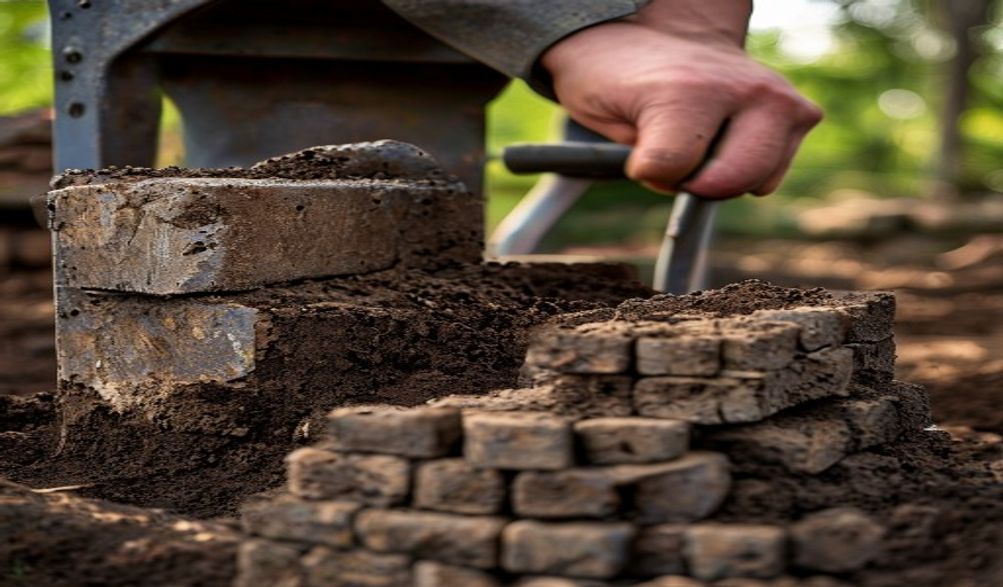
Uma máquina manual de tijolos de encaixe, frequentemente chamada de prensa manual de blocos de solo ou máquina de blocos de terra compactada (BTC), é um dispositivo mecânico que comprime uma mistura preparada de solo (muitas vezes com uma pequena quantidade de estabilizante, como cimento) em blocos de alta densidade. Diferentemente dos tijolos queimados tradicionais, esses blocos ganham resistência por meio da compressão e cura, não pela queima em forno. O operador utiliza um sistema de alavancas para gerar força mecânica significativa, compactando a mistura de solo em um molde que forma um bloco com ranhuras e saliências de encaixe no topo e nas laterais.
Benefícios Principais e Aplicações
- Baixo Investimento e Custo Operacional:A principal vantagem. Essas máquinas têm custos iniciais mínimos em comparação com sistemas automatizados e não exigem eletricidade ou combustível para operar, mantendo as despesas operacionais insignificantes.
- Ecológico e SustentávelEles utilizam o subsolo disponível localmente, reduzindo a necessidade de materiais transportados e a alta pegada de carbono associada à produção de tijolos de argila cozida ou cimento. Isso apoia práticas de construção sustentáveis e vernaculares.
- Ideal para Projetos Diversos:Perfeito para aplicações de pequena a média escala, como:
- Empreendimentos que produzem tijolos para venda.
- Construção de habitação própria e extensões residenciais.
- Community-led housing projects.
- Building garden walls, sheds, and landscape features.
- Constructing cost-effective school rooms, clinics, or agricultural buildings.
Limitations to Consider
- Lower Production Output: Output is limited by human effort. A single operator might produce 300-800 bricks in a full day, far less than motorized machines.
- Physical Labor Required: Operation is labor-intensive. Consistency and output depend directly on the operator’s strength and endurance.
- Dependence on Soil Composition: The machine is only part of the equation. Success hinges on having suitable soil and preparing the correct mix. Not all local soils will work without adjustment.
Core Selection Criteria: 7 Factors to Evaluate
Choosing the right machine isn’t about finding the “best” one overall, but the best one for your specific situation. Evaluate every option against these seven core factors.
1. Capacidade de Produção e Produção
Don’t be swayed by theoretical maximums. The brick production rate is a practical metric of bricks per productive hour, considering time for mixing, loading, pressing, and block removal.
- Ask:O que é orealista output for a trained operator (e.g., 40-100 bricks per hour)?
- Relate to Scale: Match this to your project’s total brick count and timeline. Needing 10,000 bricks? A machine producing 500/day means 20 full working days of pressing, excluding mixing and curing time.
2. Brick Size, Shape, and Interlocking Design
The mold defines your final product. Standard interlocking brick sizes are often around 225mm x 110mm x 75mm (length x width x height), but variations exist.
- Mold Availability: Can the supplier offer different molds for different interlocking brick design patterns (e.g., straight interlock, offset interlock)?
- Design Importance: A good interlock provides vertical and horizontal mechanical keying, enabling stable, mortar-less (or minimal mortar) construction. Inspect the precision of the mold’s interlocking features.
3. Machine Build Quality and Durability
This is where cost-cutting hurts the most. A sturdy machine is a long-term asset; a flimsy one is a immediate liability.
- Materiais: Look for frames and critical components made from high-grade, reinforced steel.
- Construção: Check for clean, robust welding at all stress points. Moving parts should pivot smoothly on solid bushings or bearings, not just metal-on-metal.
- Finish: A coat of anti-corrosion paint is a good sign of care in manufacturing.
4. Pressure and Compression Force
The machine’s leverage system determines the compression force applied to the soil. Higher, more consistent pressure creates denser, stronger bricks with lower water absorption.
- Mecanismo: Most use a long lever and a fulcrum to multiply the operator’s force. A longer lever typically provides better mechanical advantage.
- Pergunta-Chave: “What is the calculated compression force (often measured in PSI or MPa) this machine can apply?” A reputable supplier should know this.
5. Ease of Operation and Maintenance
A machine that is difficult to use or maintain will slow production and frustrate operators.
- Operação: Consider its weight and portability. Is it easy to set up on a level site? Is the lever action smooth, and is the block ejection mechanism simple and reliable?
- Manutenção: It should require only basic, infrequent lubrication. Ask about the availability and process for replacing wear items like the compression plate or mold liners.
6. Soil Suitability and Mix Preparation
This is the most overlooked yet critical factor. The machine compresses what you feed it. Soil stabilization for bricks is often necessary.
- Soil Testing is Essential: Ideal soil has a mix of clay (15-30% as a binder), sand (for bulk), and silt. Pure sand or heavy clay will fail.
- Preparação da Mistura: You will likely need to add a stabilizer (commonly 5-10% cement or lime) and water to achieve the correct earth block mix ratio. The machine must be designed to work effectively with this stabilized mix.
7. Cost Analysis: Machine Price vs. Long-Term Value
The cheapest machine is often the most expensive in the long run.
- Custo Inicial: Manual machines can range from a few hundred to over a thousand dollars, depending on quality and features.
- Value Calculation: Factor in durability (will it last for 50,000 bricks or 5,000?), maintenance costs, and the supplier’s support. A slightly more expensive, robust machine from a reputable source offers a far better return on investment.
Step-by-Step Buying Guide
Step 1: Assess Your Project Needs
Be specific. Write down:
* Total number of bricks required.
* Desired timeline for brick production.
* Number of available operators.
* Your local soil type (get a preliminary test done).
Step 2: Research and Shortlist Reputable Suppliers
This is crucial for establishing trust (E-E-A-T). Prioritize suppliers who:
* Have a verifiable physical address and contact details.
* Provide detailed technical information and clear photos/videos.
* Showcase genuine customer testimonials or case studies.
* Avoid anonymous online storefronts with no company history or support information.
Step 3: Request Specifications and Demos
Contact your shortlisted suppliers. Ask for:
* A detailed technical specification sheet.
* A video demonstration of the machine in operation, showing the full cycle from filling to ejection.
* Contact details of previous buyers in a similar region (if possible).
Step 4: Compare Warranty, Support, and Spare Parts Availability
A supplier’s after-sales policy is a direct reflection of their confidence in the product.
* Garantia: What is covered and for how long?
* Support: Do they offer technical assistance via phone or email?
* Peças de Reposição: Can you easily purchase replacement molds, wear plates, or levers? This ensures your machine’s lifespan isn’t cut short by a single broken part.
Common Mistakes to Avoid When Choosing
- Chasing the Lowest Price: Sacrificing build quality leads to breakdowns, low output, and poor brick quality, nullifying any initial savings.
- Ignoring Soil Compatibility: Buying a machine before confirming your soil is suitable is a recipe for failure. Test first.
- Overestimating Production Capacity: Be realistic about daily manual labor output. Planning a large project? Factor in multiple machines or operators.
- Overlooking Technical Support: Choosing a supplier who disappears after the sale leaves you stranded with operational issues.
- Forgetting Auxiliary Tools & Space: Remember you’ll need a area for soil screening, mixing, brick pressing, and covered space for proper curing.
Perguntas Frequentes (FAQ)
Q: What is the average daily output of a manual machine?
A: A realistic range for a skilled, consistent operator is 300 to 800 bricks in an 8-hour day. This depends heavily on the machine’s design, the preparation workflow, and operator stamina.
Q: Can I use any type of soil?
A: No. Soil needs adequate clay content (typically 15-30%) to act as a natural binder. Pure sandy soil will crumble, while soil with too much clay can shrink and crack. A simple jar test or professional soil analysis is highly recommended.
Q: Do the bricks require curing?
A: Yes, absolutely. Proper curing is vital for strength development, especially for cement-stabilized blocks. Freshly pressed bricks should be kept moist and covered with plastic sheeting for 7 to 14 days to allow for gradual hydration and hardening.
Q: Is a manual machine profitable for a small business?
A: It can be, given the right conditions. The business case rests on low startup costs and consistent local demand for affordable building materials. Profitability depends on your material costs (soil, stabilizer), labor efficiency, local brick prices, and your marketing reach.
Q: Where can I get training on using the machine?
A: Reputable suppliers should provide a clear operation manual. Some may offer basic on-site or video training. For in-depth knowledge, seek out workshops run by sustainable building organizations, watch tutorials from established practitioners, or connect with existing users in your region.
Conclusão
Choosing the right manual interlocking brick making machine is a strategic decision that balances your project’s scale, your local soil conditions, the machine’s inherent quality, and the reliability of the supplier. It’s an investment in a tool that can build not just structures, but also opportunity and sustainability.
Take the time to research thoroughly. Use the criteria in this guide as a checklist. Where possible, seek out and speak with experienced users—their practical insights are invaluable. Ultimately, prioritize partnering with a supplier who demonstrates genuine expertise, stands behind their product with clear warranties, and offers the support you’ll need to succeed.
Ready to take the next step? Consider your project’s specific needs against the factors we’ve discussed. If you have questions about your soil or a particular machine model, share them in the comments below. For a handy reference, download our printable selection checklist to guide your purchasing journey.
<