
수동 인터로킹 벽돌 제조 기계 선택 방법: 실용적인 구매자 가이드
소개
당신의 발 아래 있는 흙을 내구성 있고 저렴한 건축 블록으로 바꾸어 집, 사업 또는 지역사회 프로젝트에 사용할 수 있다고 상상해보세요. 수동 인터로킹 벽돌 제조 기계가 이를 가능하게 하며, 기업가, DIY 건축가, 소규모 개발자가 놀라울 정도로 낮은 초기 투자로 친환경 건축 자재를 생산할 수 있도록 돕습니다. 하지만 시장에 다양한 모델과 과장된 주장이 존재하기 때문에, 적합한 기계를 선택하는 것이 부담스러울 수 있습니다.
이 종합 가이드는 기술 사양, 업계 모범 사례, 현장 운영 지식을 바탕으로 구성되었습니다. 판매 홍보를 넘어 명확하고 실용적인 평가 프레임워크를 제공합니다. 소규모 벽돌 제조 사업을 시작하거나 개인 건축용 자재를 조달하는 것이 목표라도, 이 글은 기계 유형과 생산 능력 이해부터 토양 적합성과 총비용 분석까지 모든 핵심 요소를 안내하여 확신 있는 현명한 구매 결정을 내릴 수 있도록 도와드립니다.
수동 인터로킹 벽돌 기계 이해하기
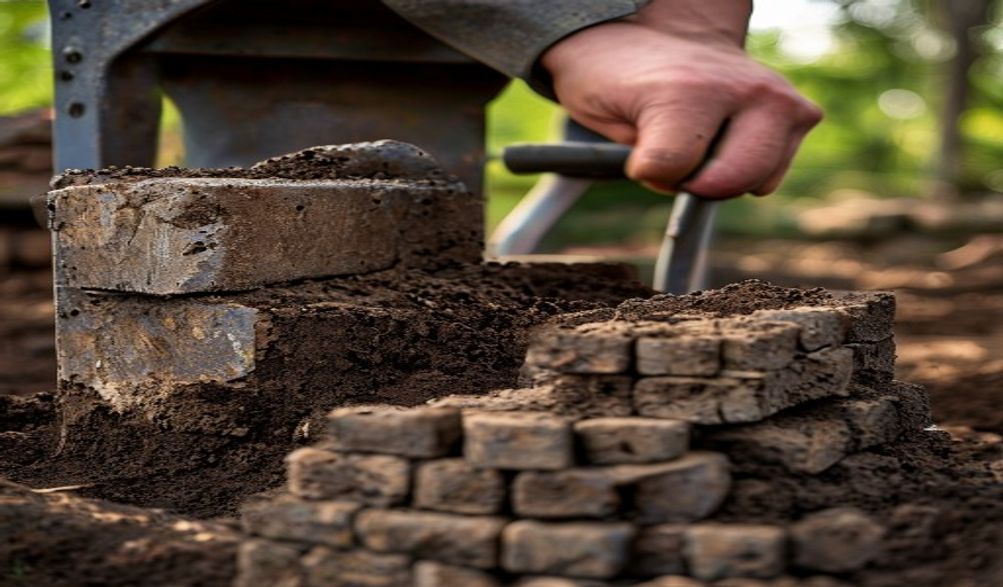
수동 인터로킹 브릭 머신, 흔히 수동 토양 블록 프레스나 압축 토양 블록(CEB) 기계라고 불리는 이 장치는 준비된 토양(종종 시멘트 같은 소량의 안정제 포함) 혼합물을 고밀도 블록으로 압축하는 기계 장치입니다. 전통적인 구운 벽돌과 달리, 이 블록들은 가마에서 굽는 것이 아니라 압축과 양생을 통해 강도를 얻습니다. 작업자는 레버 시스템을 사용하여 상당한 기계적 힘을 발생시키고, 토양 혼합물을 금형에 압축하여 윗면과 측면에 인터로킹 홈과 혀(tongue)가 형성된 블록을 만듭니다.
주요 이점 및 응용 분야
- 낮은 투자 및 운영 비용:주요 장점. 이 기계들은 자동화 시스템에 비해 초기 비용이 최소화되어 있으며, 작동에 전기나 연료가 필요하지 않아 운영 비용이 거의 들지 않는다.
- Eco-Friendly & Sustainable: They utilize locally available subsoil, reducing the need for transported materials and the high carbon footprint associated with fired clay bricks or cement production. This supports sustainable, vernacular building practices.
- Ideal for Diverse Projects: Perfect for small-to-medium scale applications such as:
- Entrepreneurial ventures producing bricks for sale.
- Self-build housing and home extensions.
- Community-led housing projects.
- Building garden walls, sheds, and landscape features.
- Constructing cost-effective school rooms, clinics, or agricultural buildings.
고려해야 할 한계
- Lower Production Output: Output is limited by human effort. A single operator might produce 300-800 bricks in a full day, far less than motorized machines.
- Physical Labor Required: Operation is labor-intensive. Consistency and output depend directly on the operator’s strength and endurance.
- Dependence on Soil Composition: The machine is only part of the equation. Success hinges on having suitable soil and preparing the correct mix. Not all local soils will work without adjustment.
Core Selection Criteria: 7 Factors to Evaluate
Choosing the right machine isn’t about finding the “best” one overall, but the best one for your specific situation. Evaluate every option against these seven core factors.
1. Production Capacity & Output
Don’t be swayed by theoretical maximums. The brick production rate is a practical metric of bricks per productive hour, considering time for mixing, loading, pressing, and block removal.
- Ask:뭐야?현실적인 output for a trained operator (e.g., 40-100 bricks per hour)?
- Relate to Scale: Match this to your project’s total brick count and timeline. Needing 10,000 bricks? A machine producing 500/day means 20 full working days of pressing, excluding mixing and curing time.
2. Brick Size, Shape, and Interlocking Design
The mold defines your final product. Standard interlocking brick sizes are often around 225mm x 110mm x 75mm (length x width x height), but variations exist.
- Mold Availability: Can the supplier offer different molds for different interlocking brick design patterns (e.g., straight interlock, offset interlock)?
- Design Importance: A good interlock provides vertical and horizontal mechanical keying, enabling stable, mortar-less (or minimal mortar) construction. Inspect the precision of the mold’s interlocking features.
3. Machine Build Quality and Durability
This is where cost-cutting hurts the most. A sturdy machine is a long-term asset; a flimsy one is a immediate liability.
- 재료: Look for frames and critical components made from high-grade, reinforced steel.
- 건설: Check for clean, robust welding at all stress points. Moving parts should pivot smoothly on solid bushings or bearings, not just metal-on-metal.
- Finish: A coat of anti-corrosion paint is a good sign of care in manufacturing.
4. Pressure and Compression Force
The machine’s leverage system determines the compression force applied to the soil. Higher, more consistent pressure creates denser, stronger bricks with lower water absorption.
- 메커니즘: Most use a long lever and a fulcrum to multiply the operator’s force. A longer lever typically provides better mechanical advantage.
- 핵심 질문: “What is the calculated compression force (often measured in PSI or MPa) this machine can apply?” A reputable supplier should know this.
5. Ease of Operation and Maintenance
A machine that is difficult to use or maintain will slow production and frustrate operators.
- 작전: Consider its weight and portability. Is it easy to set up on a level site? Is the lever action smooth, and is the block ejection mechanism simple and reliable?
- Maintenance: It should require only basic, infrequent lubrication. Ask about the availability and process for replacing wear items like the compression plate or mold liners.
6. Soil Suitability and Mix Preparation
This is the most overlooked yet critical factor. The machine compresses what you feed it. Soil stabilization for bricks is often necessary.
- Soil Testing is Essential: Ideal soil has a mix of clay (15-30% as a binder), sand (for bulk), and silt. Pure sand or heavy clay will fail.
- 믹스 준비: You will likely need to add a stabilizer (commonly 5-10% cement or lime) and water to achieve the correct earth block mix ratio. The machine must be designed to work effectively with this stabilized mix.
7. Cost Analysis: Machine Price vs. Long-Term Value
The cheapest machine is often the most expensive in the long run.
- 선결 비용: Manual machines can range from a few hundred to over a thousand dollars, depending on quality and features.
- Value Calculation: Factor in durability (will it last for 50,000 bricks or 5,000?), maintenance costs, and the supplier’s support. A slightly more expensive, robust machine from a reputable source offers a far better return on investment.
Step-by-Step Buying Guide
Step 1: Assess Your Project Needs
Be specific. Write down:
* Total number of bricks required.
* Desired timeline for brick production.
* Number of available operators.
* Your local soil type (get a preliminary test done).
Step 2: Research and Shortlist Reputable Suppliers
This is crucial for establishing trust (E-E-A-T). Prioritize suppliers who:
* Have a verifiable physical address and contact details.
* Provide detailed technical information and clear photos/videos.
* Showcase genuine customer testimonials or case studies.
* Avoid anonymous online storefronts with no company history or support information.
Step 3: Request Specifications and Demos
Contact your shortlisted suppliers. Ask for:
* A detailed technical specification sheet.
* A video demonstration of the machine in operation, showing the full cycle from filling to ejection.
* Contact details of previous buyers in a similar region (if possible).
Step 4: Compare Warranty, Support, and Spare Parts Availability
A supplier’s after-sales policy is a direct reflection of their confidence in the product.
* 보증:어떤 내용이 포함되며, 얼마나 오래 적용되나요?
* Support: Do they offer technical assistance via phone or email?
* 예비 부품: Can you easily purchase replacement molds, wear plates, or levers? This ensures your machine’s lifespan isn’t cut short by a single broken part.
Common Mistakes to Avoid When Choosing
- Chasing the Lowest Price: Sacrificing build quality leads to breakdowns, low output, and poor brick quality, nullifying any initial savings.
- Ignoring Soil Compatibility: Buying a machine before confirming your soil is suitable is a recipe for failure. Test first.
- Overestimating Production Capacity: Be realistic about daily manual labor output. Planning a large project? Factor in multiple machines or operators.
- Overlooking Technical Support: Choosing a supplier who disappears after the sale leaves you stranded with operational issues.
- Forgetting Auxiliary Tools & Space: Remember you’ll need a area for soil screening, mixing, brick pressing, and covered space for proper curing.
자주 묻는 질문 (FAQ)
Q: What is the average daily output of a manual machine?
A: A realistic range for a skilled, consistent operator is 300 to 800 bricks in an 8-hour day. This depends heavily on the machine’s design, the preparation workflow, and operator stamina.
Q: Can I use any type of soil?
A: No. Soil needs adequate clay content (typically 15-30%) to act as a natural binder. Pure sandy soil will crumble, while soil with too much clay can shrink and crack. A simple jar test or professional soil analysis is highly recommended.
Q: Do the bricks require curing?
A: Yes, absolutely. Proper curing is vital for strength development, especially for cement-stabilized blocks. Freshly pressed bricks should be kept moist and covered with plastic sheeting for 7 to 14 days to allow for gradual hydration and hardening.
Q: Is a manual machine profitable for a small business?
A: It can be, given the right conditions. The business case rests on low startup costs and consistent local demand for affordable building materials. Profitability depends on your material costs (soil, stabilizer), labor efficiency, local brick prices, and your marketing reach.
Q: Where can I get training on using the machine?
A: Reputable suppliers should provide a clear operation manual. Some may offer basic on-site or video training. For in-depth knowledge, seek out workshops run by sustainable building organizations, watch tutorials from established practitioners, or connect with existing users in your region.
결론
Choosing the right manual interlocking brick making machine is a strategic decision that balances your project’s scale, your local soil conditions, the machine’s inherent quality, and the reliability of the supplier. It’s an investment in a tool that can build not just structures, but also opportunity and sustainability.
Take the time to research thoroughly. Use the criteria in this guide as a checklist. Where possible, seek out and speak with experienced users—their practical insights are invaluable. Ultimately, prioritize partnering with a supplier who demonstrates genuine expertise, stands behind their product with clear warranties, and offers the support you’ll need to succeed.
Ready to take the next step? Consider your project’s specific needs against the factors we’ve discussed. If you have questions about your soil or a particular machine model, share them in the comments below. For a handy reference, download our printable selection checklist to guide your purchasing journey.
<