
O Guia Definitivo para Máquinas de Fabricação de Tijolos: Tipos, Custos e Como Escolher
Introdução
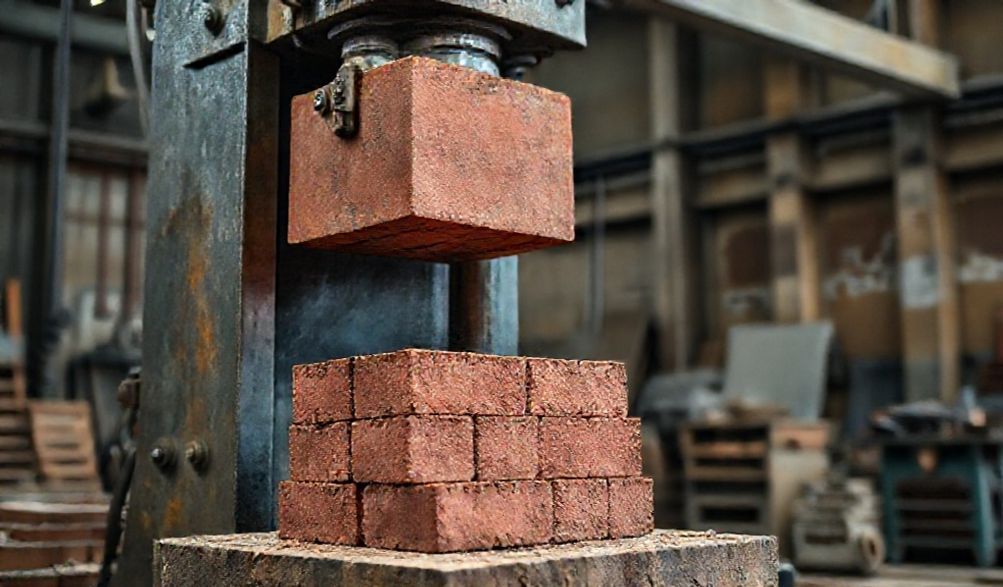
Durante séculos, a fabricação de tijolos foi sinônimo de trabalho árduo, argila cozida ao sol e resultados inconsistentes. Hoje, o cenário da construção e da manufatura foi fundamentalmente transformado. A pedra angular da construção moderna, eficiente e lucrativa não repousa mais apenas na habilidade manual, mas na precisão e potência damáquina de fabricação de tijolos.
Esta transição da produção artesanal para a produção industrializada é mais do que uma simples conveniência — é uma revolução na forma como criamos os próprios blocos de construção do nosso mundo. No entanto, navegar pelo mercado dessas máquinas pode ser assustador. Com opções que vão desde prensas manuais simples até linhas automatizadas de grande escala, como fazer a escolha certa?
Este guia abrangente foi projetado para cortar o ruído. Utilizaremos décadas de experiência no setor para desmistificar essas ferramentas poderosas, fornecendo a você insights acionáveis e especializados sobre seu funcionamento, benefícios e critérios de seleção essenciais. Seja você um empreiteiro que busca reduzir drasticamente os custos de materiais por meio da produção no local, um empreendedor lançando um negócio de fabricação de tijolos ou um desenvolvedor em busca de materiais mais sustentáveis e consistentes, este recurso autorizado irá equipá-lo com o conhecimento necessário para tomar uma decisão confiante e bem informada.
Vamos construir uma base sólida de compreensão.
O que é uma Máquina de Fabricação de Tijolos? Função Principal e Evolução
Em sua essência, uma máquina de fabricação de tijolos automatiza e aprimora o antigo processo de transformar terra crua ou agregado em blocos padronizados e duráveis. É o motor de uma olaria moderna, transformando material solto em um produto acabado e comercializável de alta qualidade.
Da Moldagem Manual à Produção Automatizada
A jornada da fabricação de tijolos é uma história de progresso tecnológico.
* Era Antiga:Dependia inteiramente da moldagem manual de molduras de madeira, com produção limitada a algumas centenas de tijolos por dia por trabalhador.
* Revolução Industrial:Introduziram prensas a vapor, aumentando significativamente a produção e a uniformidade.
* Século XX:Viram o advento de prensas vibratórias hidráulicas e mecânicas, permitindo maior compactação e novos materiais como o concreto.
* Século 21:Hoje, temos máquinas de fabricação de tijolos totalmente automáticas e controladas por computador que integram mistura, moldagem, cura e paletização com intervenção humana mínima, produzindo dezenas de milhares de tijolos diariamente.
Esta evolução reflete uma busca constante: maior eficiência, qualidade superior e redução do esforço físico.
O Princípio Central
Embora os tipos de máquinas variem, o princípio mecânico central é consistente. É um processo de quatro estágios:
1. Mistura:Matérias-primas (por exemplo, solo, cimento, cinzas volantes, areia, água) são misturadas em uma mistura homogênea e maleável.
2. Moldagem e Compactação:Esta mistura é alimentada em uma cavidade de molde. Uma combinação de altapressão(e em prensas hidráulicas) e/ouvibraçãocompacta o material, expulsando bolsas de ar e criando um bloco "verde" (não curado) denso e resistente.
3. Ejeção:O tijolo recém-formado é ejetado mecanicamente do molde para uma palete ou esteira transportadora.
4. Cura/Secagem:Os tijolos verdes são empilhados e curados, frequentemente através da cura a vapor para endurecimento químico (tijolos de cinzas volantes/cimento) ou secagem ao ar/sol para tijolos de argila.
Principais Resultados
Estas máquinas são versáteis, produzindo vários tipos de tijolos para aplicações específicas:
* Tijolos Sólidos:O bloco clássico e denso para construção geral de paredes.
* Blocos Vazios:Cavidades características, tornando-os mais leves, melhorando o isolamento térmico e reduzindo o uso de material.
* Tijolos de Pavimentação (Pavimentadoras):Extremamente denso e durável para calçadas, caminhos e pátios.
* Tijolos de Encravamento:Projetado com ranhuras e linguetas que se encaixam, permitindo a montagem a seco (argamassa mínima) para muros de contenção e estruturas.
Tipos de Máquinas para Fabricação de Tijolos: Uma Descrição Detalhada
Escolher a máquina certa começa com o entendimento das categorias. Aqui está uma divisão por operação, processo e potência.
Por Método de Operação
Esta classificação é crucial para determinar sua entrada de trabalho necessária e escala de produção.
-
Máquinas Manuais de Fabricação de Tijolos:
- Descrição:Sistemas de alavanca ou parafuso movidos a força humana que comprimem material em um único molde. O operador realiza todo o carregamento do material, compactação e remoção dos tijolos.
- Ideal Para:Projetos de pequeníssima escala, entusiastas do "faça você mesmo", ONGs em áreas com infraestrutura precária, ou como unidade inicial para testes de mercado.
- Limitações:Produção muito baixa (100-500 tijolos/dia), intensiva em mão de obra, a consistência do produto depende muito da habilidade do operador.
-
Máquinas Semi-Automáticas para Fabricação de Tijolos:
- Descrição: The “sweet spot” for most small-to-medium businesses. The machine (often hydraulic) handles the high-pressure compaction and ejection automatically. Operators manually feed the raw mix and remove finished bricks.
- Ideal Para: Growing businesses, on-site construction projects, and entrepreneurs with moderate capital. They offer an excellent balance between cost, output (1,000-5,000 bricks/day), and control.
- Workflow: Load mix > Machine auto-compacts and ejects > Operator removes brick and resets cycle.
-
Máquinas de Fabricação de Tijolos Totalmente Automáticas:
- Descrição: Industrial-grade production lines. These systems feature automated material feeding, mixing, molding, compaction, brick transfer, stacking, and sometimes palletizing. They often include integrated curing systems.
- Ideal Para: Large-scale commercial brick plants, industrial construction projects, and manufacturers supplying regional markets.
- Saída: Can produce 10,000 to 50,000+ bricks per day with a crew of just 2-4 people.
By Production Process
The core technology defines the brick type and quality.
-
Static Brick Press Machines (Hydraulic/Fly Ash):
- Como funcionam: A hydraulic ram applies immense, controlled pressure (often 1500+ PSI) to the material in a stationary mold. This creates extremely dense, high-strength bricks, ideal for fly ash, concrete, and soil-cement blocks.
- Ponto Principal: The sustained hydraulic pressure is superior for achieving high compressive strength, a critical metric for load-bearing structures.
-
Máquinas Móveis de Fabricação de Tijolos:
- Vantagens: Mounted on a trailer or wheels, these machines can be towed directly to a construction site. They eliminate the massive cost and logistics of transporting thousands of bricks, instead transporting raw materials and making bricks no local.
- Perfeito Para: Large remote projects, housing developments, and infrastructure projects where transport costs exceed machine rental or purchase costs.
-
Extrusion-Based Machines:
- Processo: Primarily for clay bricks. A continuous column (or “slug”) of wet clay is forced through a die to form a long, shaped column, which is then cut into individual bricks by wires.
- Saída: Excellent for producing perforated or specially shaped clay bricks. The bricks then require drying and firing in a kiln.
By Power Source
Your site conditions dictate the best choice here.
- Máquinas de Tijolos Elétricas: Offer the most consistent operation, are quieter, produce no exhaust, and have lower per-hour running costs. Require a stable, high-capacity grid connection.
- Diesel/Petrol Engine Machines: Provide complete independence from the electrical grid. Essential for remote sites or areas with unreliable power. Higher fuel costs and maintenance are trade-offs.
- Modelos Híbridos: Offer the flexibility to run on either electric power or a diesel engine, providing a valuable backup and site versatility.
Critical Factors to Consider Before Buying
This is where due diligence separates a wise investment from an expensive mistake. Look beyond the sales brochure.
Avaliando Suas Necessidades de Produção
Ask yourself these questions first:
* Produção Diária/Anual: How many bricks do I need to produce to meet demand? Be realistic about growth.
* Tipo de Tijolo: Will I produce solid, hollow, or paving bricks? Your product line dictates the required mold and pressure.
* Matéria-Prima: What is locally and affordably available? (e.g., Clay, Fly Ash, Quarry Dust, Cement). The machine must be suited to your material.
Especificações da Máquina - Análise Detalhada
- Cycle Time & Bricks Per Hour: A “2,000 brick per hour” rating is often a theoretical maximum under perfect conditions. Ask about the realistic, sustained output with material loading and handling factored in.
- Capacidade de Pressão: For hydraulic presses, this is measured in tons or PSI. Higher pressure generally yields denser, stronger bricks (higher compressive strength). For structural bricks, 1500+ PSI is often a minimum.
- Personalização de Moldes: Can the supplier provide different mold sizes and designs? Your ability to offer various brick types (solid, hollow, different thicknesses) depends on this.
The Total Cost of Ownership (Beyond the Sticker Price)
The purchase price is just the entry ticket.
* Initial Investment vs. Long-Term Value: A cheaper, lightly built machine may cost more in repairs and downtime than a robust, slightly more expensive model.
* Custos Operacionais: Calculate estimated costs for electricity/fuel, labor (semi-auto vs. fully auto), routine maintenance parts (filters, hydraulic oil), and wear items (mold liners, ram seals).
* Espaço e Infraestrutura: Do you have a leveled, reinforced concrete foundation? Is your workshop tall enough? Does your electrical supply match the machine’s requirements (voltage, phase, amperage)? These setup costs can be significant.
The Tangible Benefits: Why Invest in a Modern Brick Machine?
The advantages extend far beyond simply making bricks faster.
Unmatched Efficiency & Profitability
- A single semi-automatic machine can replace 15-20 skilled manual laborers.
- Dramatic reduction in production time per brick, allowing you to fulfill large orders and scale your business.
- On-site production for construction projects can cut material costs by 30-50% by eliminating middlemen and transport.
Qualidade Superior e Consistente dos Tijolos
- Machines eliminate human variance. Every brick has identical dimensions, ensuring straight walls and reducing mortar use.
- Controlled, high compaction guarantees uniform high compressive strength, allowing you to confidently meet ASTM, IS, or BS construction standards.
- Consistent quality builds your brand reputation and allows you to command premium prices.
Sustainability & Eco-Friendly Advantages
- Machines that use cinzas volantes (a thermal power plant by-product) or recycled construction waste help solve an industrial waste problem.
- The production of fly ash or cement-stabilized bricks typically requires no fossil-fuel firing, resulting in a significantly lower carbon footprint than traditional fired clay bricks.
- Efficient material use minimizes waste on-site.
Business Scalability and Flexibility
- Start with a semi-automatic model and add automation (auto-feeder, stacker) later.
- The ability to quickly change molds lets you pivot production based on market demand—switching from hollow blocks to pavers, for example.
Operational Best Practices & Maintenance
A machine is only as good as its operation. Protect your investment with disciplined care.
Daily Operation Checklist
- Inspect the machine for loose bolts, hydraulic leaks, or damage before start-up.
- Check and maintain proper oil levels in the hydraulic tank.
- Ensure the raw material mix is consistent in moisture content and proportion.
- Clean the mold faces and pallets regularly to prevent material buildup.
Routine Maintenance Schedule
- Daily: General cleaning, visual inspection.
- Weekly: Lubrication of all moving parts (pivots, guide rods), check and tighten all bolts and nuts.
- Monthly: Change hydraulic oil filters (as per manual), inspect hydraulic hoses for wear, check electrical connections.
- Annually: A comprehensive service by a qualified technician, including system pressure checks and component overhaul.
Troubleshooting Common Issues
| Problem | Likely Cause | Solution |
| :— | :— | :— |
| Poor Compaction/Weak Bricks | Incorrect moisture content, insufficient pressure, worn mold. | Adjust water ratio, check hydraulic pressure/valves, inspect mold liners. |
| Bricks Sticking in Mold | Mold faces dirty/dry, mix too wet, insufficient release agent. | Clean mold thoroughly, adjust mix consistency, apply recommended release agent. |
| Hydraulic Oil Leak | Damaged seal, loose fitting, cracked hose. | Identify source, tighten fittings, replace seals or hoses immediately. |
| Machine Vibrates Excessively | Loose foundation bolts, unbalanced load, worn shock mounts. | Tighten all anchor bolts, ensure machine is level, check mounting hardware. |
Sourcing Raw Materials & Mix Ratios
- Quality is Key: Use clean, well-graded sand and fly ash with consistent properties. Impurities affect brick strength and machine wear.
- Mix Ratios are Critical: A standard fly ash brick mix might be Fly Ash (60%), Sand/Stone Dust (30%), Cement (10%) with water. However, optimal ratios depend on your specific materials and desired strength. Always conduct lab tests with your local materials to finalize the design mix.
Perguntas Frequentes (FAQ)
Q: What is the average price range for a bricks manufacturing machine?
A: Prices vary dramatically based on type and capacity. A small manual press can start around $2,000 – $5,000. A quality semi-automatic hydraulic machine typically ranges from US$15.000 – US$50.000. Fully automatic production lines begin around $70,000e pode exceder$250,000. Always get detailed quotes based on your specific production requirements.
Q: Can I start a brick-making business with a small machine?
A: Absolutely. Many successful businesses begin with a single semi-automatic machine. The key is to start with a solid business plan: validate local demand, secure a reliable raw material source, and understand your costs. Starting small allows you to perfect your process and build a customer base before investing in larger, automated equipment.
Q: What is the difference between clay bricks and fly ash bricks made by these machines?
A: The core difference is material and curing.
* Tijolos de Barro: Use natural soil, are often extruded, and require high-temperature kiln firing (high energy use).
* Tijolos de Cinzas Volantes: Use industrial by-product fly ash, cement, and sand. They are compacted under high pressure and gain strength through steam curing (24-48 hours) or water curing. Fly ash bricks are generally stronger, lighter, more uniform, and have a lower environmental impact.
Q: How do I ensure the bricks meet local construction standards?
A: Follow this three-step process:
1. Choose a Reputable Manufacturer: Select a machine builder whose equipment is engineered to produce bricks meeting standard dimensions and pressure requirements.
2. Perfect Your Mix: Use quality materials in the correct, tested proportions.
3. Get Lab Certified: Before selling, have samples of your bricks tested at a certified civil engineering laboratory for compressive strength, water absorption, and dimensional tolerance. This report is your quality certificate.
Q: What is the typical payback period on the investment?
A: The payback period can range from 1 to 3 years for a well-run operation. It depends on:
* Machine cost and financing.
* Local selling price of bricks.
* Your operational efficiency and daily output.
* Overhead and labor costs.
* Exemplo: A $25,000 machine producing 2,000 profit-generating bricks per day will pay back much faster than one operating at half capacity.
Conclusão
Escolhendo o certomáquina de fabricação de tijolos is a foundational decision that impacts your productivity, product quality, and long-term profitability. It’s not merely a purchase of equipment; it’s a strategic investment in the future of your construction capabilities or manufacturing business.
By thoroughly understanding the different machine types, honestly assessing your needs against the critical factors we’ve outlined, and committing to proper operation and maintenance, you position yourself not just to make bricks, but to build a resilient and successful enterprise.
Your Next Step: Use this guide as your benchmark. Begin by clearly defining your production goals, brick type, and budget. Then, seek out and consult with established, reputable manufacturers or suppliers. Request detailed specifications, ask for client references, and, if possible, visit a working installation to see the machine in action. With due diligence and the knowledge you now possess, you’re ready to select a machine that will reliably build your vision, brick by precise brick.
<