
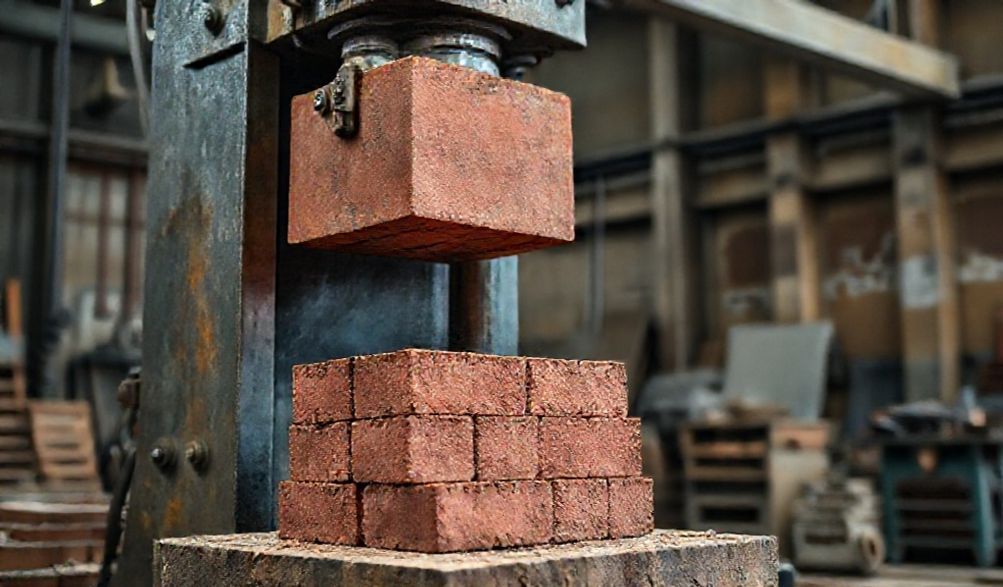
Hagaha Ugu Wanaagsan ee Makiinada Wax-soo-saarista Lebiska: Noocyada, Qiimaha & Sida Loo Xulo
Hordhac
Qarniyo badan, sameynta libaaxaha waxay la mid ahaan jirtay shaqo adag, dhoobo qorrax ku bislaaday, iyo natiijooyin aan joogto ahayn. Maanta, dhulka dhismaha iyo warshadeynta ayaa si aasaasi ah loo dib u qurxiyay. Xarigga dhismaha casriga ah, kuwa wax ku oolka ah, iyo kuwa faa'iido leh ma sal ugu taaganeyn xirfad gacanta oo keliya, balse si toos ah iyo awooddamakiinada sameynta lebi.
Halkan ka beddelka farsamada la isku dhiso ilaa soosaarida injineernimo waa ka badan raaxada kaliya—waa kacdoon ku saabsan sida aan u abuurno walxaha aasaasiga ah ee dunidanada. Si kastaba ha ahaatee, dhaqdhaqaaqa suuqa makiinadahan waxay noqon kartaa mid cabsi gelinaya. Iyadoo ikhtiyaaradu ka kala duwan yihiin daabacadaha gacanta ee fudud ilaa khatarrada otomaatiga ah ee ballaaran, sidee baad ugu dooran kartaa doorashada saxda ah?
Hageegan dhamaystiran wuxuu loo qorsheeyay inuu ka saaro isku dheg-dhegga. Waxaan ku adeegsan doonnaa khibradaha sanooyin badan ee warshadaha si aan u caddayno qalabkan awood badan, waxaana siin doonnaa fahamka khabiir ee la dhaqaaqi karo ee ku saabsan hawlgalkooda, faa'iidooyinka, iyo meelaha muhiimka ah ee la doortayo. Haddii aad tahay qandaraas doonaya inuu dhimiyo kharashyada alaabada iyadoo la sameeyo goobta, ganacsade bilaabaya ganacsi sameynta libaax, ama horumariye doonaya alaabo u dhoweysi badan oo joogto ah, macluumaadkan awoodda leh wuxuu kuu siin doonaa aqoonta lagu qaado go'aansad kalsooni leh oo la xaqiijiyay.
Aan dhisno aasaas adag oo faham ah.
Waa Maxay Makiinada Samaynta Lebiska? Shaqada Ugu Muhiimsan iyo Horumarinta
Qalbigeed, makiinada samaynta libaaxa waxay u hagaajisaa oo si fiican u wada shaqaysaa habka qadiimiga ah ee dhulka ama walxaha la isku daro loo sameeyo buloogado caadi ah oo adag. Waa makiinada gudaha ee beerta libaaxa casriga ah, ka beddesha walxaha lafagare ah alaab tayadi sare leh oo iib geysan karto.
Laga soo bilaabo Qalabka Gacanta ilaa Soo-saarka Otoomaatiga ah
Safarka samaynta lebbiska waa sheeko horumar farsamo ah.
* Qarniga Hore:Waxaa la tixraacay si buuxda gacanta lagu sameeyo qaababka alwaaxa ah, iyadoo soo saarka uu ku xaddidan yahay bir labo boqol oo maalin kasta qof kasta.
* Kacaanka Warshadeed:Waxaa la soo bandhigay makiinado buug-qorista oo ku shaqeeya uumiga, taasoo si weyn u kordhisay soo saarista iyo isku midka.
* Qarnigii 20aad:Waxaa la arkay soo bixista makiinado gariir ah oo biyood iyo makaanik ah, taasoo suurtogelisay cufka sare iyo qalabka cusub sibiirto.
* Qarnigii 21aad:Maanta, waxaan haysannaa makiinado isku-dhafan oo ka samaysan qalab kombiyuutar ah, oo si buuxda u otomaatig ah oo isku darsada kala duwanaanta, qaabeynta, daaweynta, iyo baaldhigyada iyadoo la isticmaalayo awood yar oo insaani ah, oo soo saara kunno badan oo lahami ah maalin kasta.
Tani horumarinta waxay ka dhaxaysaa raadraac joogto ah: waxqabad sare, tayo fiican, iyo laabista jirka oo yar.
Mabda'a Aasaasiga ah
Iyadoo noocyada makiinadaha ay kala duwan yihiin, mabda'iga farsamada aasaasiga ah waa isku mid. Waa hab afar heer ah:
1. Isku-dhafka:Qalabka asalka ah (tusaale, carada, simenti, dhoobada duufaanta, ciidda, biyaha) ayaa lagu isku darsadaa isku dhigma, wadajir ah.
2. Qalabka iyo Isku-dhafka: This mix is fed into a mold cavity. A combination of high cadaadis (in hydraulic presses) and/or gariir compacts the material, forcing out air pockets and creating a dense, strong brick “green” (uncured) block.
3. Ku bixid: The freshly formed brick is mechanically ejected from the mold onto a pallet or conveyor.
4. Qalajinta/Qooyinta: The green bricks are stacked and cured, often through steam curing for chemical hardening (fly ash/cement bricks) or air/sun drying for clay bricks.
Key Outputs
These machines are versatile, producing various brick types for specific applications:
* Brikisyo Culus: The classic, dense block for general wall construction.
* Brikiyo Dhuuban: Feature cavities, making them lighter, improving thermal insulation, and reducing material use.
* Paving Bricks (Pavers): Extremely dense and durable for driveways, walkways, and patios.
* Brikiyo Isku-xidhan: Designed with grooves and tongues that lock together, enabling dry-stacking (minimal mortar) for retaining walls and structures.
Types of Bricks Manufacturing Machines: A Detailed Breakdown
Choosing the right machine starts with understanding the categories. Here’s a breakdown by operation, process, and power.
By Operation Method
This classification is crucial for determining your required labor input and output scale.
-
Makiinadooyinka Warshadeynta Lebi:
- Sharaxaad: Human-powered lever or screw systems that compress material in a single mold. The operator handles all material loading, compaction, and brick removal.
- Wanaagsan: Very small-scale projects, DIY enthusiasts, NGOs in low-infrastructure areas, or as a starter unit for market testing.
- Xaddidada: Very low output (100-500 bricks/day), labor-intensive, product consistency relies heavily on operator skill.
-
Makiinadooyinka Dhismooyinka Lebi ee Nus-awtomaatig ah:
- Sharaxaad: The “sweet spot” for most small-to-medium businesses. The machine (often hydraulic) handles the high-pressure compaction and ejection automatically. Operators manually feed the raw mix and remove finished bricks.
- Wanaagsan: Growing businesses, on-site construction projects, and entrepreneurs with moderate capital. They offer an excellent balance between cost, output (1,000-5,000 bricks/day), and control.
- Workflow: Load mix > Machine auto-compacts and ejects > Operator removes brick and resets cycle.
-
Makiinada Qalabka Dhismaha Birta ee Si Toos ah u Shaqeysa:
- Sharaxaad: Industrial-grade production lines. These systems feature automated material feeding, mixing, molding, compaction, brick transfer, stacking, and sometimes palletizing. They often include integrated curing systems.
- Wanaagsan: Large-scale commercial brick plants, industrial construction projects, and manufacturers supplying regional markets.
- Soo saar Can produce 10,000 to 50,000+ bricks per day with a crew of just 2-4 people.
By Production Process
The core technology defines the brick type and quality.
-
Static Brick Press Machines (Hydraulic/Fly Ash):
- Sida ay u shaqeeyaan: A hydraulic ram applies immense, controlled pressure (often 1500+ PSI) to the material in a stationary mold. This creates extremely dense, high-strength bricks, ideal for fly ash, concrete, and soil-cement blocks.
- Dhibic Muhiim ah: The sustained hydraulic pressure is superior for achieving high compressive strength, a critical metric for load-bearing structures.
-
Mashiinada Lebiska Brikoodhka Mobilka:
- Faa'iidooyinka: Mounted on a trailer or wheels, these machines can be towed directly to a construction site. They eliminate the massive cost and logistics of transporting thousands of bricks, instead transporting raw materials and making bricks meel ku yaal.
- Wanaagsan: Large remote projects, housing developments, and infrastructure projects where transport costs exceed machine rental or purchase costs.
-
Extrusion-Based Machines:
- Habka Primarily for clay bricks. A continuous column (or “slug”) of wet clay is forced through a die to form a long, shaped column, which is then cut into individual bricks by wires.
- Soo saar Excellent for producing perforated or specially shaped clay bricks. The bricks then require drying and firing in a kiln.
By Power Source
Your site conditions dictate the best choice here.
- Mashiinada Buraanjiga Korontada Offer the most consistent operation, are quieter, produce no exhaust, and have lower per-hour running costs. Require a stable, high-capacity grid connection.
- Diesel/Petrol Engine Machines: Provide complete independence from the electrical grid. Essential for remote sites or areas with unreliable power. Higher fuel costs and maintenance are trade-offs.
- Qaababka Isku-dhafan: Offer the flexibility to run on either electric power or a diesel engine, providing a valuable backup and site versatility.
Critical Factors to Consider Before Buying
This is where due diligence separates a wise investment from an expensive mistake. Look beyond the sales brochure.
Qiimaynta Baahiyada Wax-soo-saarkaaga
Ask yourself these questions first:
* Wax soo saarka Maalinle/Sanadeed: How many bricks do I need to produce to meet demand? Be realistic about growth.
* Nooca Lebiska Will I produce solid, hollow, or paving bricks? Your product line dictates the required mold and pressure.
* Qalabka Asalka What is locally and affordably available? (e.g., Clay, Fly Ash, Quarry Dust, Cement). The machine must be suited to your material.
Machine Specifications Deep Dive
- Cycle Time & Bricks Per Hour: A “2,000 brick per hour” rating is often a theoretical maximum under perfect conditions. Ask about the realistic, sustained output with material loading and handling factored in.
- Xoogga Cadaadiska: For hydraulic presses, this is measured in tons or PSI. Higher pressure generally yields denser, stronger bricks (higher compressive strength). For structural bricks, 1500+ PSI is often a minimum.
- Mold Customization: Can the supplier provide different mold sizes and designs? Your ability to offer various brick types (solid, hollow, different thicknesses) depends on this.
The Total Cost of Ownership (Beyond the Sticker Price)
The purchase price is just the entry ticket.
* Maalgashiga Koowaad vs. Qiimaha Mudda-dheer A cheaper, lightly built machine may cost more in repairs and downtime than a robust, slightly more expensive model.
* Kharashyada Hawl-galka: Calculate estimated costs for electricity/fuel, labor (semi-auto vs. fully auto), routine maintenance parts (filters, hydraulic oil), and wear items (mold liners, ram seals).
* Boos & Dhismaha: Do you have a leveled, reinforced concrete foundation? Is your workshop tall enough? Does your electrical supply match the machine’s requirements (voltage, phase, amperage)? These setup costs can be significant.
The Tangible Benefits: Why Invest in a Modern Brick Machine?
The advantages extend far beyond simply making bricks faster.
Unmatched Efficiency & Profitability
- A single semi-automatic machine can replace 15-20 skilled manual laborers.
- Dramatic reduction in production time per brick, allowing you to fulfill large orders and scale your business.
- On-site production for construction projects can cut material costs by 30-50% by eliminating middlemen and transport.
Tayada Tayo sare & Joogto ah ee Lebiska
- Machines eliminate human variance. Every brick has identical dimensions, ensuring straight walls and reducing mortar use.
- Controlled, high compaction guarantees uniform high compressive strength, allowing you to confidently meet ASTM, IS, or BS construction standards.
- Consistent quality builds your brand reputation and allows you to command premium prices.
Sustainability & Eco-Friendly Advantages
- Machines that use fly ash (a thermal power plant by-product) or recycled construction waste help solve an industrial waste problem.
- The production of fly ash or cement-stabilized bricks typically requires no fossil-fuel firing, resulting in a significantly lower carbon footprint than traditional fired clay bricks.
- Efficient material use minimizes waste on-site.
Business Scalability and Flexibility
- Start with a semi-automatic model and add automation (auto-feeder, stacker) later.
- The ability to quickly change molds lets you pivot production based on market demand—switching from hollow blocks to pavers, for example.
Operational Best Practices & Maintenance
A machine is only as good as its operation. Protect your investment with disciplined care.
Daily Operation Checklist
- Inspect the machine for loose bolts, hydraulic leaks, or damage before start-up.
- Check and maintain proper oil levels in the hydraulic tank.
- Ensure the raw material mix is consistent in moisture content and proportion.
- Clean the mold faces and pallets regularly to prevent material buildup.
Routine Maintenance Schedule
- Daily: General cleaning, visual inspection.
- Weekly: Lubrication of all moving parts (pivots, guide rods), check and tighten all bolts and nuts.
- Monthly: Change hydraulic oil filters (as per manual), inspect hydraulic hoses for wear, check electrical connections.
- Annually: A comprehensive service by a qualified technician, including system pressure checks and component overhaul.
Troubleshooting Common Issues
| Problem | Likely Cause | Solution |
| :— | :— | :— |
| Poor Compaction/Weak Bricks | Incorrect moisture content, insufficient pressure, worn mold. | Adjust water ratio, check hydraulic pressure/valves, inspect mold liners. |
| Bricks Sticking in Mold | Mold faces dirty/dry, mix too wet, insufficient release agent. | Clean mold thoroughly, adjust mix consistency, apply recommended release agent. |
| Hydraulic Oil Leak | Damaged seal, loose fitting, cracked hose. | Identify source, tighten fittings, replace seals or hoses immediately. |
| Machine Vibrates Excessively | Loose foundation bolts, unbalanced load, worn shock mounts. | Tighten all anchor bolts, ensure machine is level, check mounting hardware. |
Sourcing Raw Materials & Mix Ratios
- Quality is Key: Use clean, well-graded sand and fly ash with consistent properties. Impurities affect brick strength and machine wear.
- Mix Ratios are Critical: A standard fly ash brick mix might be Fly Ash (60%), Sand/Stone Dust (30%), Cement (10%) with water. However, optimal ratios depend on your specific materials and desired strength. Always conduct lab tests with your local materials to finalize the design mix.
Su'aalaha Inta Badan La Is Weydiiyo (FAQ)
Q: What is the average price range for a bricks manufacturing machine?
A: Prices vary dramatically based on type and capacity. A small manual press can start around $2,000 – $5,000. A quality semi-automatic hydraulic machine typically ranges from $15,000 - $50,000. Fully automatic production lines begin around $70,000 and can exceed $250,000. Always get detailed quotes based on your specific production requirements.
Q: Can I start a brick-making business with a small machine?
A: Absolutely. Many successful businesses begin with a single semi-automatic machine. The key is to start with a solid business plan: validate local demand, secure a reliable raw material source, and understand your costs. Starting small allows you to perfect your process and build a customer base before investing in larger, automated equipment.
Q: What is the difference between clay bricks and fly ash bricks made by these machines?
A: The core difference is material and curing.
* Lebooy Dhagax. Use natural soil, are often extruded, and require high-temperature kiln firing (high energy use).
* Briksha Dhuxusha Duushaanka: Use industrial by-product fly ash, cement, and sand. They are compacted under high pressure and gain strength through steam curing (24-48 hours) or water curing. Fly ash bricks are generally stronger, lighter, more uniform, and have a lower environmental impact.
Q: How do I ensure the bricks meet local construction standards?
A: Follow this three-step process:
1. Choose a Reputable Manufacturer: Select a machine builder whose equipment is engineered to produce bricks meeting standard dimensions and pressure requirements.
2. Perfect Your Mix: Use quality materials in the correct, tested proportions.
3. Get Lab Certified: Before selling, have samples of your bricks tested at a certified civil engineering laboratory for compressive strength, water absorption, and dimensional tolerance. This report is your quality certificate.
Q: What is the typical payback period on the investment?
A: The payback period can range from 1 to 3 years for a well-run operation. It depends on:
* Machine cost and financing.
* Local selling price of bricks.
* Your operational efficiency and daily output.
* Overhead and labor costs.
* Tusaale: A $25,000 machine producing 2,000 profit-generating bricks per day will pay back much faster than one operating at half capacity.
Gabagabo
Doorashada midka saxda ahmakiinada sameynta lebi is a foundational decision that impacts your productivity, product quality, and long-term profitability. It’s not merely a purchase of equipment; it’s a strategic investment in the future of your construction capabilities or manufacturing business.
By thoroughly understanding the different machine types, honestly assessing your needs against the critical factors we’ve outlined, and committing to proper operation and maintenance, you position yourself not just to make bricks, but to build a resilient and successful enterprise.
Your Next Step: Use this guide as your benchmark. Begin by clearly defining your production goals, brick type, and budget. Then, seek out and consult with established, reputable manufacturers or suppliers. Request detailed specifications, ask for client references, and, if possible, visit a working installation to see the machine in action. With due diligence and the knowledge you now possess, you’re ready to select a machine that will reliably build your vision, brick by precise brick.
<