
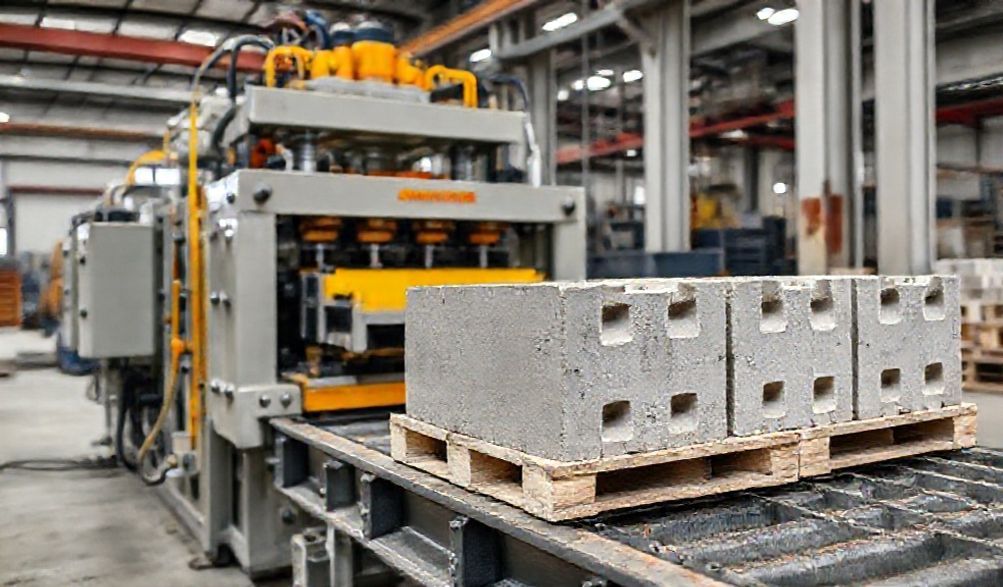
Guia Abrangente da Máquina Automática de Fabricação de Blocos QT4-15: Configuração, Operação e Produção Completa
Introdução
No competitivo mundo da construção e manufatura, eficiência e confiabilidade são primordiais.Máquina de blocos automática QT4-15representa um pilar fundamental para empresas que buscam produzir blocos de concreto, pavimentadoras e tijolos de alta qualidade em larga escala.
Esta máquina estacionária de fabricação de blocos totalmente automática é conhecida por sua produção robusta, frequentemente produzindo até 15 blocos por ciclo, dependendo do tamanho do bloco. Este guia é elaborado a partir de uma profunda experiência do setor para fornecer uma visão geral completa e confiável — desde a configuração inicial até a obtenção de uma produção total e otimizada.
Vamos desmistificar o processo de "set full co", garantindo que você tenha a expertise para operar esta máquina com segurança e lucratividade, maximizando seu retorno sobre o investimento.
Compreendendo a Máquina de Blocos Automática QT4-15
O QT4-15 é uma máquina hidráulica de prensagem por vibração projetada para produção contínua e de alto volume. Compreender seus componentes principais e capacidades é o primeiro passo para dominá-la.
Componentes Principais e Especificações Técnicas
- Estrutura da Máquina:Construído com uma estrutura de aço de alta resistência para estabilidade e durabilidade. Esta construção robusta é essencial para suportar as forças constantes de vibração e pressão hidráulica.
- Sistema Hidráulico:Alimenta os processos de moldagem, compactação e ejeção de blocos com precisão e força. É o músculo da máquina, garantindo densidade consistente dos blocos.
- Sistema de Vibração:Utiliza um potente vibrador de mesa e, por vezes, vibradores de molde para garantir blocos densos e bem compactados, eliminando bolsas de ar da mistura de concreto.
- Sistema de Controle:Apresenta um controlador lógico programável (CLP) e uma interface amigável para automatizar todo o ciclo de produção. Este é o cérebro da operação.
- Especificações Principais:Normalmente inclui uma capacidade de produção de 15 a 20 blocos por ciclo (para blocos vazados padrão), um sistema de troca de moldes para versatilidade e um sistema integrado de circulação de paletes.
Tipos de Blocos e Produtos Que Pode Produzir
A versatilidade desta máquina é um ponto forte fundamental. Com moldes intercambiáveis, ela pode produzir uma ampla variedade de produtos, incluindo:
- Blocos Vazados(várias espessuras para paredes)
- Blocos Sólidospara fundações e aplicações de alta resistência
- Pedras de Pavimentação / Pavers Intertravadospara paisagismo e paisagismo duro
- Meios-fiospara bordas de estradas e caminhos
- Blocos de Jardim e Paisagismopara paredes decorativas e elementos decorativos
Guia Passo a Passo para Configurar Sua Máquina QT4-15
A configuração adequada é crucial para a segurança, o desempenho e a vida útil da máquina. "Set full co" implica configurar a máquina para seu ciclo de operação completo e contínuo. Apressar esta etapa leva a problemas crônicos.
Requisitos de Pré-Instalação e Preparação do Local
- Fundação:Despejar uma fundação de concreto sólida e nivelada, conforme os desenhos do fabricante, é inegociável. Esta fundação absorve as vibrações da máquina, evita o assentamento e garante o alinhamento.
- Utilitários:Garanta o acesso estável à energia elétrica trifásica, um fornecimento de água consistente para a mistura de concreto e ar comprimido, se necessário para certas funções de limpeza ou controle.
- Planejamento de Espaço:Aloque espaço adequado não apenas para a máquina, mas também para o armazenamento de matéria-prima (cimento, agregados), uma área de cura e armazenamento do produto final. Um layout de fluxo de trabalho lógico evita gargalos.
Montagem e Instalação Mecânica
- Desembalagem e Posicionamento:Mova cuidadosamente a unidade principal e os componentes para o local preparado, utilizando equipamentos adequados, como empilhadeiras ou guindastes. Evite arrastar ou causar impactos nos componentes.
- Mechanical Assembly: Methodically install the frame, vibration table, molding system, and pallet conveyor as per the detailed manual. Use proper tools and follow all torque specifications.
- Connecting Hydraulics and Motors: Link hydraulic hoses, pumps, and drive motors with strict attention to cleanliness. Contamination is the leading cause of hydraulic system failure.
Electrical and Control System Configuration
- PLC and Panel Wiring: This critical step is best overseen by a qualified electrician. It involves connecting the control panel, sensors, limit switches, and actuators correctly.
- Parameter Initialization: Input basic parameters into the PLC. This includes initial cycle times, vibration duration, and pressure settings. This is the first step in the “set full” configuration, establishing a baseline for operation.
Achieving “Full Co”: Optimizing for Continuous Operation
“Full Co” or “Full Continuous Operation” is the ultimate goal. It means the machine is running automatically, cycling through production, pallet feeding, and block ejection without manual intervention for extended periods, maximizing output.
Calibrating the Production Cycle for Maximum Efficiency
- Cycle Time Optimization: Adjust the timing for each stage—mold filling, vibration, compression, stripping, and pallet return. The aim is to find the fastest reliable cycle without compromising block quality.
- Vibration and Pressure Settings: Fine-tuning is essential. Adjust vibration frequency/amplitude and hydraulic pressure based on your specific concrete mix and product type. Perfect settings achieve optimal block density without cracks.
- Sistema de Circulação de Paletes: Synchronize the feeder and return conveyors. A smooth, jam-free flow of pallets is the backbone of continuous operation.
Material Mix Design and Feeding System Setup
- Ideal Concrete Mix: A well-graded mix of sand, aggregate, cement, and minimal water is crucial. The right mix ensures block strength, smooth machine operation, and reduces wear. A semi-dry mix is typically used.
- Hopper and Feeder Adjustment: Set the feed hopper gate and feeder travel to deliver a consistent, correct volume of material to each mold cavity every single cycle. Inconsistency here leads to variable block height and weight.
Automation and Synchronization for Uninterrupted Runs
- Integrating a Mixer and Conveyor: For true “full co,” link an automatic pan mixer and a belt conveyor to supply a steady stream of fresh concrete to the hopper. This removes the manual feeding bottleneck.
- Stacker Integration: Configure an automatic block stacker or forklift interface to remove finished products from the production line. This allows the machine to run indefinitely, stopping only for maintenance or raw material depletion.
Operational Best Practices and Maintenance
Expertise is shown not just in setup, but in sustained, reliable operation. A disciplined routine prevents costly downtime.
Daily Startup, Operation, and Shutdown Procedures
- Pre-Start Checklist: Inspect hydraulic oil levels, check for loose bolts or parts, thoroughly clean the mold, and ensure pallets are in good condition (not warped or broken).
- Running Monitoring: Actively listen for unusual noises (grinding, knocking), watch for consistent block quality and shape, and ensure the automation sequence is smooth without hesitation.
- Proper Shutdown: This is critical. Remove all concrete residue from the mold, hopper, and conveyors before it hardens. A clean machine starts easier the next day.
Essential Preventive Maintenance Schedule
- Daily: Lubricate all moving parts (bearings, guide rods) as specified. Perform a visual inspection of hydraulic lines for leaks.
- Weekly: Check hydraulic fluid condition and level. Tighten bolts and fasteners on the frame and vibration mounts. Inspect vibration motor mounts for cracks.
- Monthly/Annually: Change hydraulic filters and oil according to the service manual. Inspect all electrical connections for tightness and wear. Perform a full system calibration and safety check.
Troubleshooting Common Operational Issues
- Poor Block Quality (e.g., cracks, low density): First, adjust water content in the mix. Then, recalibrate vibration duration/pressure. Finally, inspect for wear on mold liners.
- Machine Jams or Cycle Interruptions: Investigate pallet misalignment on the conveyor, check for faulty proximity sensors, or diagnose hydraulic pressure drops using the system gauges.
- Inconsistent Block Height: Verify the feed material volume is consistent each cycle and check the setting of the compression head’s stopping point for drift.
FAQ: Your QT4-15 Questions Answered
Q1: What is the actual production output per hour or day for the QT4-15?
A: Output depends heavily on block type and optimized cycle time. For standard 6″ hollow blocks, with a well-tuned 15-second cycle, theoretical output can reach ~3,600 blocks per 8-hour shift. Real-world, sustainable output is typically 2,500-3,000 blocks per shift after accounting for mold changes, brief stoppages, and routine checks.
Q2: How many operators are needed to run this “automatic” machine?
A: For basic operation of the machine itself, one trained operator can manage the control panel and monitor block quality. However, for a fully continuous system integrated with a mixer and stacker, 2-3 personnel are recommended for overall material handling, supervision, and product management.
Q3: What does “set full co” specifically refer to in the control panel?
A: It typically refers to selecting the “Full Continuous”ou“Auto Cycle” mode in the PLC menu. This activates the complete automated sequence where the machine will run cycles back-to-back, controlling the pallet feeder, mixer interface (if connected), and block ejection automatically until the stop button is pressed or a fault is detected.
Q4: How do I choose the right mold for my business needs?
A: Start by analyzing your local market demand. Choose a mold for the most commonly sold block in your region (often a 4″, 6″, or 8″ hollow block). The QT4-15 allows for relatively quick mold changes, so you can expand your product line by purchasing additional, profitable molds over time.
Q5: What are the most critical spare parts to keep in stock?
A: Based on operational experience, always keep spare vibration motor mounts, a selection of hydraulic hoses and seals, mold liners for your primary products, and a set of proximity sensors. This inventory minimizes downtime from the most common wear-and-tear issues.
Conclusão
Mastering the Máquina de blocos automática QT4-15—from its initial “set full co” configuration to streamlined continuous production—is a proven pathway to building a profitable and sustainable block manufacturing business.
This guide, rooted in practical expertise and authoritative knowledge of concrete technology and machinery, has provided the blueprint for achieving this. Success hinges on meticulous setup, a deep understanding of the interplay between machine settings and material mix, and an unwavering commitment to preventive maintenance.
By adhering to these principles of Experience, Expertise, Authoritativeness, and Trustworthiness in your operations, you transform a powerful piece of equipment into a reliable engine for growth. It becomes capable of producing the consistent, high-quality construction materials that build our world.
Authoritative Note: This guide is based on generalized technical knowledge of stationary block making machines. For specific operations, always prioritize the official manufacturer’s manual for your QT4-15 machine and consult with qualified technicians for installation and major maintenance.
<