
Полное руководство по машинам для производства цементных кирпичей: типы, стоимость и как выбрать
Введение
Непрерывный спрос глобальной строительной индустрии на доступные, долговечные и экологичные строительные материалы вывел один вид оборудования в центр внимания: станок для производства цементных блоков. По мере ускорения урбанизации и увеличения инфраструктурных проектов, возможность производить высококачественные блоки по требованию перестала быть роскошью — это стало стратегической необходимостью. Независимо от того, стремитесь ли вы сократить расходы на проект, контролировать качество материалов или запустить производственное предприятие, понимание принципов работы этого оборудования является критически важным первым шагом.
Это всеобъемлющее руководство составлено на основе отраслевых стандартов, прямых данных от производителей и добытых на практике знаний опытных операторов. Мы понимаем, что вы можете быть начинающим предпринимателем, оценивающим бизнес-план, менеджером строительной компании, стремящимся оптимизировать расходы, или инженером проекта, ответственным за подбор оборудования. Ваша цель ясна: сделать обоснованные и уверенные инвестиции.
Наше ценностное предложение простое. Мы предоставляем понятный, непредвзятый обзор типов оборудования, реалистичный анализ факторов стоимости, практичные критерии выбора и базовые знания по эксплуатации. Эта информация основана на общепринятых отраслевых стандартах и призвана помочь вам в начальном исследовании и принятии решений. Давайте заложим прочную основу знаний.
Что такое станок для производства цементных кирпичей? Основная функция и преимущества
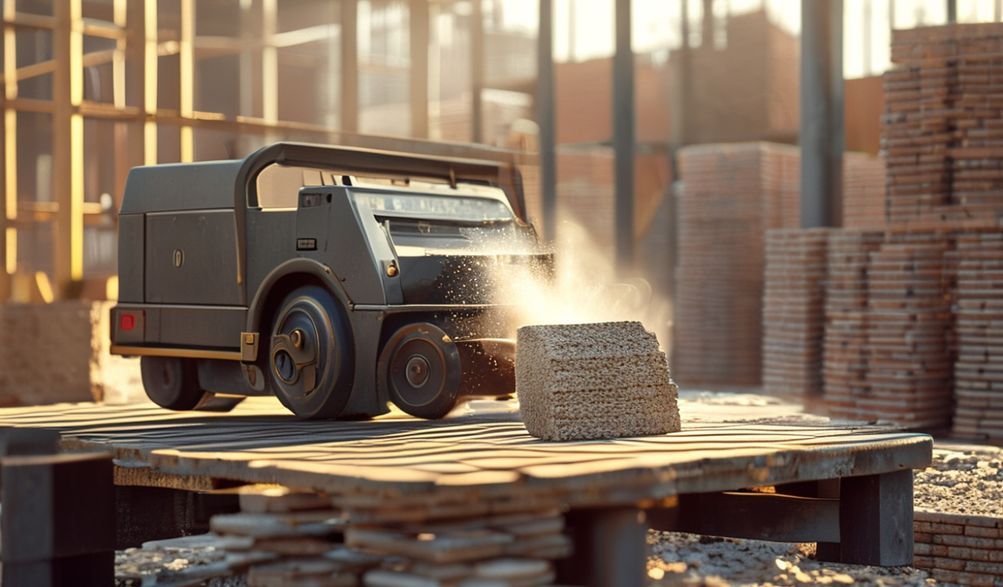
Машина для производства цементных кирпичей — это устройство, автоматизирующее процесс формования кирпичей или блоков из смеси цемента, заполнителей (таких как песок или гравий) и воды. Она заменяет трудоёмкое и нестабильное ручное формование механизированной точностью, обеспечивая масштабируемое производство одного из самых фундаментальных строительных компонентов в мире.
Определение станка: от сырья до готового блока
Основная функция отличается элегантной системностью. Предварительно приготовленная сухая или полусухая смесь цемента, песка, каменной пыли или других заполнителей загружается в бункер. Затем эта смесь точно дозируется в полость формы. Машина прикладывает значительное механическое или гидравлическое давление для уплотнения смеси, удаляя воздушные пустоты и создавая плотный, однородный блок. Наконец, свежесформированный блок выталкивается на поддон или конвейер. Затем блоки проходят процесс отверждения, в ходе которого они набирают прочность в течение нескольких дней, в отличие от традиционных глиняных кирпичей, требующих высокотемпературного обжига в печи.
Ключевые преимущества перед традиционными обожженными глиняными кирпичами
Переход на машины для производства цементных кирпичей обусловлен убедительными преимуществами:
* Скорость и эффективность:Одна машина может производить от сотен до тысяч блоков в час, что значительно превосходит ручное производство.
* Энергоэффективность:Они устраняют необходимость в печах, работающих на ископаемом топливе, значительно сокращая углеродный след при производстве кирпича.
* Гибкость и устойчивость материаловЭти машины могут использовать промышленные побочные продукты, такие как зола-унос, что сокращает отходы и затраты на материалы.
* Стабильное качество и прочность:Гидравлическое или механическое давление обеспечивает равномерную плотность, размеры и структурную целостность каждого кирпича, что приводит к более предсказуемым результатам строительства.
* 降低运营成本:Первоначальные инвестиции позволяют снизить стоимость одного кирпича за счёт более быстрого производства, использования местных материалов и меньшего потребления энергии.
Распространенные изделия: за пределами стандартных блоков
Современные машины универсальны. Просто изменив форму, одна и та же машина может производить:
* Полнотелые и пустотелые бетонные блоки (для несущих стен)
* Брусчатка и тротуарная плитка (для подъездных дорожек и пешеходных дорожек)
* Сцепляющиеся блоки (для подпорных стен и ландшафтного дизайна)
* Curb Stones and Kerbs
* Decorative and Specialty Shapes
Types of Cement Brick Machines: Finding the Right Fit for Your Project
Choosing the correct type of machine is paramount. Your choice should be dictated by your required output, budget, labor availability, and project scale. Drawing from practical field experience, here’s a comparative look.
Ручные станки для производства кирпича
These are human-powered lever-operated presses. An operator fills a mold by hand, engages a lever to apply pressure, and then manually removes the finished block.
- Идеально подходит для: Very small-scale projects, DIY enthusiasts, community initiatives, or as a low-risk entry point to understand the process. Output is typically limited to 100-500 blocks per day.
- Плюсы:
- Very low upfront cost.
- No electricity or fuel required.
- Просто понять и починить.
- Минусы:
- Extremely labor-intensive and slow.
- Inconsistent quality dependent on operator strength and technique.
- Not viable for commercial production or business.
Полуавтоматические машины для производства кирпича
These represent a significant step up, often featuring an electric motor to drive a hydraulic system for compaction and ejection. Feeding the raw mix and removing finished blocks is typically manual.
- Идеально подходит для: Small to medium-sized businesses, block yards supplying local builders, and medium-scale construction projects. Output can range from 800 to 3,000 blocks per 8-hour shift.
- Плюсы:
- Good balance between cost and productivity.
- More consistent block quality due to mechanized pressure.
- Lower labor requirement than fully manual machines.
- Минусы:
- Still requires a steady labor crew for feeding and block handling.
- Lower output than fully automatic systems.
- Initial investment is higher.
Полностью автоматические машины для производства кирпича
These are production-line behemoths. They are computer-controlled systems that automate the entire process: feeding, mixing (in some models), compaction, molding, ejection, stacking, and sometimes even pallet handling.
- Идеально подходит для: Large-scale commercial block manufacturing plants, major infrastructure projects, and businesses aiming for high-volume output. Production can exceed 5,000 blocks per hour.
- Плюсы:
- Максимальная производительность при минимальных ручных усилиях.
- Исключительная стабильность и контроль качества.
- High efficiency and lower long-term per-unit cost at scale.
- Минусы:
- Very high capital investment.
- Requires significant space, a robust power supply, and technical skill to operate/maintain.
- Less flexibility for very short production runs.
Мобильные и стационарные машины для производства кирпича
This is a crucial logistical consideration.
* Мобильные машины: Mounted on a trailer, they can be towed directly to a construction site. This eliminates transport costs for finished blocks and is perfect for remote projects. They are often semi-automatic.
* Стационарные станки: Fixed installations in a factory or yard. They are the foundation of a permanent production facility, allowing for optimized workflow, shelter, and integration with other equipment like mixers and conveyors. These can be semi- or fully automatic.
Critical Factors to Consider Before Buying a Cement Brick Machine
Moving beyond type, a wise purchase hinges on scrutinizing specific factors. This detailed advice is designed to help you ask the right questions and evaluate options like an expert.
Производственная мощность (блоков в час/день)
Don’t just buy the biggest machine you can afford. Calculate your реальный needs.
* Project-Based: Estimate the total blocks needed for your project and your timeline.
* Business-Based: Analyze your market demand and sales projections. A common pitfall is buying an under-powered machine that can’t meet orders, or an over-powered one that sits idle.
* Always: Consider a machine with 20-30% more capacity than your current need to allow for growth and peak demand.
Brick Size and Type Compatibility
Your machine must match your product catalog.
* Универсальность форм Can the machine accept different mold sizes and styles? How quickly can molds be changed?
* Настройка: Will the manufacturer create custom molds for unique block designs you want to offer?
* Стандартные размеры: Ensure it can produce the standard block sizes (e.g., 4″, 6″, 8″ hollow blocks) required in your region.
Power Source: Electric, Diesel, or Hydraulic?
This choice impacts operational cost and location.
* Электрический: Clean, quiet, and efficient for fixed locations with reliable grid power. Lower running cost but requires a stable power connection.
* Дизель: Offers complete independence from the electrical grid. Essential for mobile units or sites with unreliable power. Higher fuel and maintenance costs.
* Гидравлическая система: This refers to the compaction mechanism, not the primary power. A well-sealed, robust hydraulic system is key to consistent pressure and low maintenance. Ask about the quality of pumps and cylinders.
Ключевые характеристики оборудования, требующие тщательной проверки
Look past the marketing brochure. Understand these terms:
* Давление уплотнения: Measured in psi or MPa. Higher pressure generally produces denser, stronger blocks. For standard blocks, look for machines offering significant pressure (e.g., 1500+ psi).
* Время цикла: The time to produce one block or one mold of blocks. Shorter cycle times mean higher output.
* Мощность двигателя: Indicates the machine’s drive capability. Match this to the machine’s size and expected load.
* Качество сборки: Inspect the frame (heavy-duty steel is best), welding quality, and the reputation of core components (e.g., hydraulic brands like Bosch Rexroth, motors like Siemens).
Budget Breakdown: Beyond the Sticker Price
The machine’s price tag is just the beginning. A responsible budget includes:
1. Первоначальные затраты: The machine itself.
2. Shipping, Installation, and Foundation: Heavy machines require professional handling and a solid, level concrete base.
3. Initial Mold Set: The cost of your first set of molds.
4. Обучение: For you and your operators.
5. Spare Parts Kit: A basic inventory of wear parts (seals, filters).
6. Annual Maintenance: Lubricants, hydraulic fluid, replacement parts.
Operating and Maintaining Your Cement Brick Machine for Longevity
Owning a machine is a commitment to its care. Proper operation and maintenance are non-negotiable for safety, product quality, and protecting your investment. This advice is rooted in standard operational protocols to ensure trustworthy, sustainable use.
Step-by-Step: The Basic Operational Cycle
Safety First: Always wear appropriate PPE (safety glasses, gloves, steel-toe boots) and ensure all safety guards are in place.
- Подготовка смеси: Achieve a consistent, semi-dry mix of cement, sand, aggregate, and water. The mix quality dictates brick strength.
- Machine Setup: Install the desired mold, ensure the hopper is clean, and perform a pre-operation check (lubrication, hydraulic oil level).
- Кормление и уплотнение: Feed the mix into the hopper. The machine will cycle, filling the mold and applying compaction pressure.
- Выброс и отверждение: The fresh block is ejected onto a pallet. It is then moved to a curing area, where it must be kept moist (often by covering with plastic sheeting) for at least 7 days to properly hydrate and gain strength.
The Ideal Cement Mix Ratio for Strong Bricks
There is no universal “perfect” ratio, as it depends on your materials’ quality and the desired block strength (e.g., for load-bearing vs. non-load-bearing walls). A common starting point for a standard block is a 1:6:4 ratio (Cement: Sand: Stone Aggregate). Crucially, you must conduct small batch tests with your local materials and adjust the water content to achieve a mix that holds its shape when squeezed in your hand without crumbling or dripping water.
Essential Daily and Monthly Maintenance Checklist
Ежедневно:
* Clean the machine thoroughly at the end of each shift, removing all hardened concrete.
* Check and lubricate all moving parts (guide rods, bearings) as per the manual.
* Visually inspect for loose bolts, hydraulic leaks, or wear on molds.
Monthly:
* Check and top up hydraulic fluid; change it as per the manufacturer’s schedule.
* Inspect hydraulic hoses for cracks or bulges.
* Tighten all structural bolts and electrical connections.
* Clean or replace air filters on motors.
Устранение распространённых проблем
- Cracked Bricks: Usually caused by too much water in the mix, improper curing (drying too fast), or excessive vibration during handling.
- Poor Surface Finish/Sticking in Mold: Often due to a worn mold, insufficient mold release agent (if used), or a wet mix.
- Machine Jams or Low Pressure: Check for a clogged feed chute, low hydraulic fluid, a worn hydraulic pump, or an electrical fault.
Cement Brick Machine FAQ
Q1: What is the average price range for a cement brick machine?
А: Prices vary enormously. A simple manual press can cost a few hundred dollars. A quality semi-automatic machine may range from $5,000 to $25,000. A fully automatic production line can start at $50,000 and easily exceed $200,000. The final cost is dictated by capacity, automation level, and brand.
Q2: Can I start a business with a small, manual machine?
А: You can start, but scaling will be a challenge. A manual machine is better suited for proof-of-concept or very localized, artisanal demand. For a viable business, a semi-automatic machine is typically the minimum recommendation to achieve the output and consistency needed to satisfy commercial customers and manage labor costs effectively.
Q3: What is the difference between a cement brick machine and a concrete block machine?
А: In practical industry parlance, the terms are used interchangeably. Technically, “cement” refers to the binding powder, while “concrete” is the composite material of cement, sand, and aggregate. So, a “concrete block machine” is the more technically accurate term for the equipment that makes blocks from the concrete mix.
Q4: How much space and what kind of foundation is required for setup?
А: You need space for three zones: the machine itself, a raw material storage area, and a large curing area (often 5-10 times the daily production footprint). The machine requires a solid, level concrete foundation, typically 6-8 inches thick, to absorb vibration. Your supplier should provide specific foundation plans.
Q5: Where can I find reliable suppliers or manufacturers?
А: Research is key. Look for established companies at international construction machinery trade shows (like bauma). Use verified B2B platforms but scrutinize suppliers. Always check for company certifications (ISO), the comprehensiveness of their after-sales service (local technicians? spare parts availability?), and insist on contacting existing clients for references.
Заключение
Selecting the right cement brick machine is a strategic decision that hinges on a clear-eyed assessment of your production goals, budget, and operational resources. From the labor-dependent manual press to the humming efficiency of a fully automatic plant, each type serves a distinct purpose.
Our final, most crucial piece of expert advice is this: never buy based on a brochure alone. Whenever possible, visit the manufacturer or a local user to see the machine in operation. Get hands-on, ask detailed questions about maintenance, and feel the build quality. This due diligence is invaluable.
Investing in the right cement brick machine is fundamentally an investment in the quality, efficiency, and scalability of your construction projects or manufacturing business. Conduct thorough research, consult with qualified industry experts or engineers for your specific needs, and build your future on a solid foundation.
<