
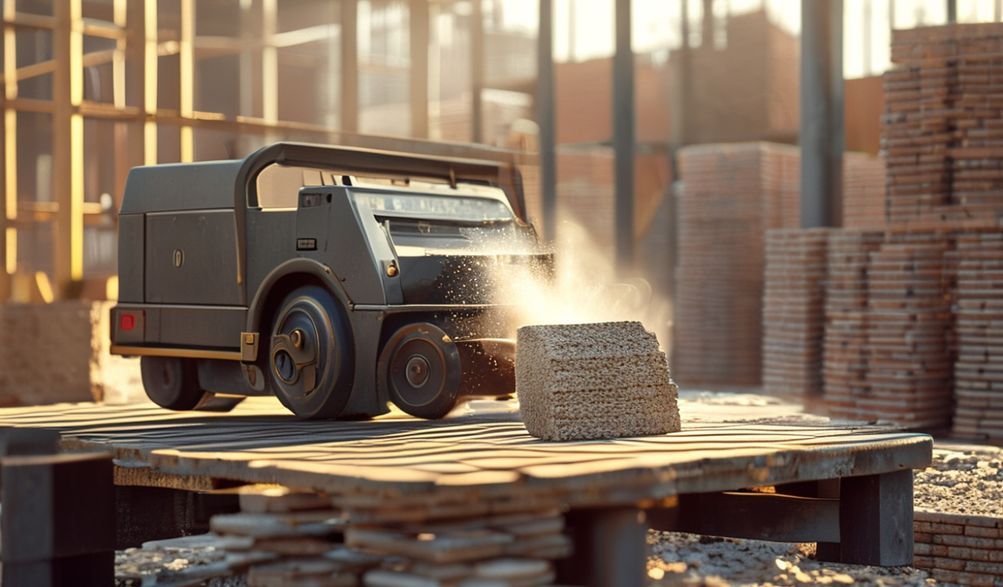
Ingamba y’Ibyemezo by’Ubucuruzi bw’Amabuye y’Isemento: Ubwoko, Amafaranga, n’Uburyo Bwo Gutoranya
Intangamarara
Ubucuruzi bw’ibihugu ku isi bwo kubaka bukomeje gushaka ibikoresho by’ubwubatsi bishobora kugurishwa ku giciro gito, bikomeye kandi bihagije, byatumye hahuhamagarirwa cyane igikoresho kimwe: umashini w’amatafari ya sima. Nko gukura no kongera imishinga y’ubwubatsi, ubushobozi bwo gukora amatafari y’ikizamini ku gipimo cyagenwe ntabwo ari ubwiza—ahubwo ni ngombwa nyabwo. Niba ushaka kugabanya ibiciro by’umushinga, gukoresha ibikoresho by’ikizamini, cyangwa gutangiza umushinga wo gukora ibikoresho, gusobanukirwa neza iyi mashini ni intangiriro ngombwa.
Iyi rwego ruzuye rwihariye rwakomotse mu byerekeye ibisabwa mu rwego, amakuru yihariye aturuka ku bakora, n’ubumenyi bw’ingenzi bwakiriwe mu bikorwa by’abakora bafite ubuhanga. Turabona ko wenda uri umubyaza w’ubucuruzi usuzuma gahunda y’ubucuruzi, umuyobozi w’ishoramari ry’ubwubatsi ushaka kugabanya ibiciro, cyangwa umuhanga mu by’inganda ushinzwe gushyiraho ibikoresho. Intego yawe irahagije: gukora investissement yizeye kandi ifite ubumenyi.
Urugero rwacu rw’agaciro ruraboneka neza. Dutanga ibisobanuro bigaragara, bidapfa ibitekerezo by’ubwoko bw’imashini, igenamigambi ry’ukuri ry’ibintu bishimangira igiciro, ibisabwa by’ihitamo bikoreshwa, n’ubumenyi bw’ingenzi bwo gukora. Iyi nkuru ishingiye ku bihanga by’ikoranabuhanga biri mu rwego, kandi irahariye kongera ubushobozi mu ngingo z’ibanze z’ubushakashatsi no gufata ibyemezo. Reka dushyireho ishingiro ry’ubumenyi rihamye.
Ni iki Gikoresho cy’ubwubatsi by’isimenti? Umurimo w’ingenzi n’Inyungu zacyo
Mashini y’ibyatsi bya sima ni igikoresho gikora mu guteza imbere uburyo bwo gukora amatafari cyangwa amabuye y’ibyatsi kuva mu muvange wa sima, ibyegeranyo (nk’umusenyi cyangwa ibihanga), n’amazi. Isimbuza uburyo bwo gukora amatafari bwa gisanzwe bwakorerwaga n’abantu benshi kandi butazigera, ikoresheje uburyo bwa mashini burambuye, bishobora gukora ibyatsi byinshi by’ingirakamaro mu bishanga by’ubwubatsi ku isi.
Guhimba Imashini: Kuva ku By'ingenzi kugeza ku Bumoso Bwuzuye
Umurimo w’ingenzi ukora mu buryo bworoshye kandi burambuye. Imvange y’isimento, umusenyi, umukungugu w’amabuye, cyangwa ibindi bintu by’inyongera byumye cyangwa byumye gato bihanwa mu mwobo. Iyi mvange nayo ikazanywa neza neza mu mwobo w’iforomo. Imashini ikoresha ingufu zikomeye z’imashini cyangwa za hydraulic kugirango ihuze imvange, ikura umwuka ndetse ikanahimba ibyumba byuzuye kandi bihuze. Nyuma, ibyumba byahimbwe bishyirwa ku ntebe yo gutwara cyangwa ku nzira yo kohereza. Ibyumba byo nyuma bigakorwa mu buryo bwo kubyumisha, aho bikongera ingufu mu minsi, byitaruye kuri amatafari ya gisanzwe ya ibumba akeneye gucanwa mu gishyitsi mu mwotsi.
Inziza Zihambaye Kuruta Amatafari Y’ibumba Yahanzwe
Impinduka yo guhindura mu mashini z’amatafari zikoresha sima ishingiye ku nyungu zihambaye:
* Ibiruhuko & Ubushobozi:Igikoresho kimwe gishobora gukora amabuye ameze nk'iyo y'ubwubatsi ibihumbi kugeza kuri ibihumbi mu isaha, bikabira mu buryo bukomeye igikorwa cy'abantu.
* Ubushobozi bwo Gukoresha Ingufu:Zibura amacakubiri yo gukoresha amavuta y’ibiryo bya mashi, bigabanya cyane urusobe rw’ikirunga mu gukora amatafari.
* Ubwoko bw'ibikoresho n'ubukungu burambye:Iyi mishini ishobora gukoresha ibikomoka mu by'ubucuruzi nka fly ash, bigabanya imyanda no kugabanya ibiciro by'ibikoresho.
* Ubwiza Bwihuse & Ubukana Buzira: Hydraulic or mechanical pressure ensures every brick has uniform density, dimensions, and structural integrity, leading to more predictable construction outcomes.
* Lower Operational Cost: After the initial investment, the cost per brick is often lower due to faster production, local material use, and less energy consumption.
Common Products Made: Beyond Standard Blocks
Modern machines are versatile. By simply changing the mold, a single machine can produce:
* Solid and Hollow Concrete Blocks (for load-bearing walls)
* Pavers and Paving Slabs (for driveways and walkways)
* Interlocking Bricks (for retaining walls and landscaping)
* Curb Stones and Kerbs
* Decorative and Specialty Shapes
Types of Cement Brick Machines: Finding the Right Fit for Your Project
Choosing the correct type of machine is paramount. Your choice should be dictated by your required output, budget, labor availability, and project scale. Drawing from practical field experience, here’s a comparative look.
Imashini z'ubukoreshazi z'ubukora amatafari
These are human-powered lever-operated presses. An operator fills a mold by hand, engages a lever to apply pressure, and then manually removes the finished block.
- Byiza Kuri: Very small-scale projects, DIY enthusiasts, community initiatives, or as a low-risk entry point to understand the process. Output is typically limited to 100-500 blocks per day.
- Inziza:
- Very low upfront cost.
- No electricity or fuel required.
- Bisobanutse kumenya no kugenzura.
- Ibibi:
- Extremely labor-intensive and slow.
- Inconsistent quality dependent on operator strength and technique.
- Not viable for commercial production or business.
Imashini zituma amatafari zikora mu buryo bwa kabiri
These represent a significant step up, often featuring an electric motor to drive a hydraulic system for compaction and ejection. Feeding the raw mix and removing finished blocks is typically manual.
- Byiza Kuri: Small to medium-sized businesses, block yards supplying local builders, and medium-scale construction projects. Output can range from 800 to 3,000 blocks per 8-hour shift.
- Inziza:
- Good balance between cost and productivity.
- More consistent block quality due to mechanized pressure.
- Lower labor requirement than fully manual machines.
- Ibibi:
- Still requires a steady labor crew for feeding and block handling.
- Lower output than fully automatic systems.
- Initial investment is higher.
Imashini z'ikora amatafari zikora mu buryo bwikora
These are production-line behemoths. They are computer-controlled systems that automate the entire process: feeding, mixing (in some models), compaction, molding, ejection, stacking, and sometimes even pallet handling.
- Byiza Kuri: Large-scale commercial block manufacturing plants, major infrastructure projects, and businesses aiming for high-volume output. Production can exceed 5,000 blocks per hour.
- Inziza:
- Ibikorwa byinshi bifashisha ubushobozi bw’abantu buke.
- Ubwiza bidasanzwe n’ikwirakwiza ry’ubwiza.
- High efficiency and lower long-term per-unit cost at scale.
- Ibibi:
- Very high capital investment.
- Requires significant space, a robust power supply, and technical skill to operate/maintain.
- Less flexibility for very short production runs.
Mashini z'ibyatsi z'ingufu n'izigendera
This is a crucial logistical consideration.
* Imashini Zigendeshwa: Mounted on a trailer, they can be towed directly to a construction site. This eliminates transport costs for finished blocks and is perfect for remote projects. They are often semi-automatic.
* Imashini Zihagaze Fixed installations in a factory or yard. They are the foundation of a permanent production facility, allowing for optimized workflow, shelter, and integration with other equipment like mixers and conveyors. These can be semi- or fully automatic.
Critical Factors to Consider Before Buying a Cement Brick Machine
Moving beyond type, a wise purchase hinges on scrutinizing specific factors. This detailed advice is designed to help you ask the right questions and evaluate options like an expert.
Ubushobozi bwo Gukora (Ibibumbe ku Isaha / Ku Munsi)
Don’t just buy the biggest machine you can afford. Calculate your nyakuri needs.
* Project-Based: Estimate the total blocks needed for your project and your timeline.
* Business-Based: Analyze your market demand and sales projections. A common pitfall is buying an under-powered machine that can’t meet orders, or an over-powered one that sits idle.
* Always: Consider a machine with 20-30% more capacity than your current need to allow for growth and peak demand.
Brick Size and Type Compatibility
Your machine must match your product catalog.
* Ubushobozi bwo Gukora Imiterere Ibyahinduka: Can the machine accept different mold sizes and styles? How quickly can molds be changed?
* Guhindura Will the manufacturer create custom molds for unique block designs you want to offer?
* Inzobere zisanzwe: Ensure it can produce the standard block sizes (e.g., 4″, 6″, 8″ hollow blocks) required in your region.
Power Source: Electric, Diesel, or Hydraulic?
This choice impacts operational cost and location.
* Umuriro w'amashanyarazi Clean, quiet, and efficient for fixed locations with reliable grid power. Lower running cost but requires a stable power connection.
* Diesel: Offers complete independence from the electrical grid. Essential for mobile units or sites with unreliable power. Higher fuel and maintenance costs.
* Sisitemu ya Hydraulique: This refers to the compaction mechanism, not the primary power. A well-sealed, robust hydraulic system is key to consistent pressure and low maintenance. Ask about the quality of pumps and cylinders.
Ibisobanuro By'ingingo Ngenderwaho Z'Imashini Zigomba Gusesengurwa
Look past the marketing brochure. Understand these terms:
* Compaction Pressure: Measured in psi or MPa. Higher pressure generally produces denser, stronger blocks. For standard blocks, look for machines offering significant pressure (e.g., 1500+ psi).
* Igihe cyo gukora The time to produce one block or one mold of blocks. Shorter cycle times mean higher output.
* Ibarafu ry’ingoma: Indicates the machine’s drive capability. Match this to the machine’s size and expected load.
* Ubwiza bwo Kubaka Inspect the frame (heavy-duty steel is best), welding quality, and the reputation of core components (e.g., hydraulic brands like Bosch Rexroth, motors like Siemens).
Budget Breakdown: Beyond the Sticker Price
The machine’s price tag is just the beginning. A responsible budget includes:
1. Upfront Cost: The machine itself.
2. Shipping, Installation, and Foundation: Heavy machines require professional handling and a solid, level concrete base.
3. Initial Mold Set: The cost of your first set of molds.
4. Ibiganiro: For you and your operators.
5. Spare Parts Kit: A basic inventory of wear parts (seals, filters).
6. Annual Maintenance: Lubricants, hydraulic fluid, replacement parts.
Operating and Maintaining Your Cement Brick Machine for Longevity
Owning a machine is a commitment to its care. Proper operation and maintenance are non-negotiable for safety, product quality, and protecting your investment. This advice is rooted in standard operational protocols to ensure trustworthy, sustainable use.
Step-by-Step: The Basic Operational Cycle
Safety First: Always wear appropriate PPE (safety glasses, gloves, steel-toe boots) and ensure all safety guards are in place.
- Mix Preparation: Achieve a consistent, semi-dry mix of cement, sand, aggregate, and water. The mix quality dictates brick strength.
- Machine Setup: Install the desired mold, ensure the hopper is clean, and perform a pre-operation check (lubrication, hydraulic oil level).
- Gutanga Ibyokurya no Kubumbatira: Feed the mix into the hopper. The machine will cycle, filling the mold and applying compaction pressure.
- Guhomora & Gukora: The fresh block is ejected onto a pallet. It is then moved to a curing area, where it must be kept moist (often by covering with plastic sheeting) for at least 7 days to properly hydrate and gain strength.
The Ideal Cement Mix Ratio for Strong Bricks
There is no universal “perfect” ratio, as it depends on your materials’ quality and the desired block strength (e.g., for load-bearing vs. non-load-bearing walls). A common starting point for a standard block is a 1:6:4 ratio (Cement: Sand: Stone Aggregate). Crucially, you must conduct small batch tests with your local materials and adjust the water content to achieve a mix that holds its shape when squeezed in your hand without crumbling or dripping water.
Essential Daily and Monthly Maintenance Checklist
Buri munsi:
* Clean the machine thoroughly at the end of each shift, removing all hardened concrete.
* Check and lubricate all moving parts (guide rods, bearings) as per the manual.
* Visually inspect for loose bolts, hydraulic leaks, or wear on molds.
Monthly:
* Check and top up hydraulic fluid; change it as per the manufacturer’s schedule.
* Inspect hydraulic hoses for cracks or bulges.
* Tighten all structural bolts and electrical connections.
* Clean or replace air filters on motors.
Troubleshooting Common Issues
- Cracked Bricks: Usually caused by too much water in the mix, improper curing (drying too fast), or excessive vibration during handling.
- Poor Surface Finish/Sticking in Mold: Often due to a worn mold, insufficient mold release agent (if used), or a wet mix.
- Machine Jams or Low Pressure: Check for a clogged feed chute, low hydraulic fluid, a worn hydraulic pump, or an electrical fault.
Cement Brick Machine FAQ
Q1: What is the average price range for a cement brick machine?
A: Prices vary enormously. A simple manual press can cost a few hundred dollars. A quality semi-automatic machine may range from $5,000 to $25,000. A fully automatic production line can start at $50,000 and easily exceed $200,000. The final cost is dictated by capacity, automation level, and brand.
Q2: Can I start a business with a small, manual machine?
A: You can start, but scaling will be a challenge. A manual machine is better suited for proof-of-concept or very localized, artisanal demand. For a viable business, a semi-automatic machine is typically the minimum recommendation to achieve the output and consistency needed to satisfy commercial customers and manage labor costs effectively.
Q3: What is the difference between a cement brick machine and a concrete block machine?
A: In practical industry parlance, the terms are used interchangeably. Technically, “cement” refers to the binding powder, while “concrete” is the composite material of cement, sand, and aggregate. So, a “concrete block machine” is the more technically accurate term for the equipment that makes blocks from the concrete mix.
Q4: How much space and what kind of foundation is required for setup?
A: You need space for three zones: the machine itself, a raw material storage area, and a large curing area (often 5-10 times the daily production footprint). The machine requires a solid, level concrete foundation, typically 6-8 inches thick, to absorb vibration. Your supplier should provide specific foundation plans.
Q5: Where can I find reliable suppliers or manufacturers?
A: Research is key. Look for established companies at international construction machinery trade shows (like bauma). Use verified B2B platforms but scrutinize suppliers. Always check for company certifications (ISO), the comprehensiveness of their after-sales service (local technicians? spare parts availability?), and insist on contacting existing clients for references.
Ibyo byose
Selecting the right cement brick machine is a strategic decision that hinges on a clear-eyed assessment of your production goals, budget, and operational resources. From the labor-dependent manual press to the humming efficiency of a fully automatic plant, each type serves a distinct purpose.
Our final, most crucial piece of expert advice is this: never buy based on a brochure alone. Whenever possible, visit the manufacturer or a local user to see the machine in operation. Get hands-on, ask detailed questions about maintenance, and feel the build quality. This due diligence is invaluable.
Investing in the right cement brick machine is fundamentally an investment in the quality, efficiency, and scalability of your construction projects or manufacturing business. Conduct thorough research, consult with qualified industry experts or engineers for your specific needs, and build your future on a solid foundation.
<