
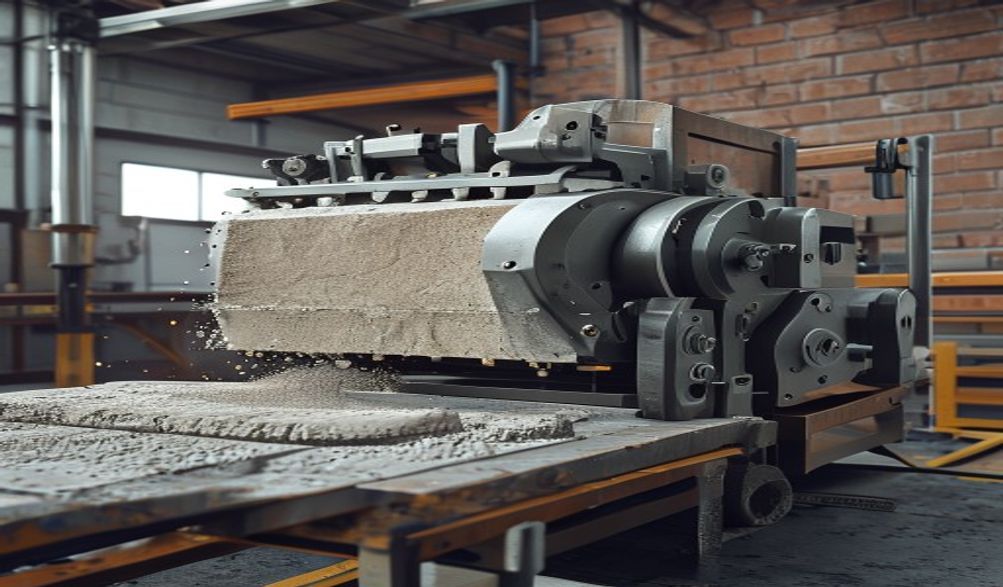
Как выбрать станок для производства кирпича: руководство для покупателя на 2024 год
Введение
При таком разнообразии моделей, механизмов и глобальных поставщиков выбор подходящего станка для производства кирпича может показаться непосильной задачей. Это решение с высокими ставками. Неправильный выбор может привести к потере капитала, хронически низкой производительности и конечному продукту, не соответствующему рыночным или проектным стандартам.
Это всеобъемлющее руководство создано, чтобы отделить зерна от плевел. Опираясь на десятилетия коллективного опыта в отрасли, мы предлагаем четкую пошаговую структуру, которая поможет вам сделать осознанные и уверенные инвестиции. Мы не просто перечислим оборудование — мы покажем вамкак выбрать машину для производства кирпичакоторый идеально соответствует вашим конкретным производственным потребностям, сырью и долгосрочным бизнес-целям.
К концу этого руководства вы поймете ключевые факторы — от ежедневной производительности и уровня автоматизации до проверки поставщиков и совокупной стоимости владения. Эти знания позволят вам выбрать оборудование, которое максимизирует вашу отдачу от инвестиций и будет надежно работать в течение многих лет.
1. Оцените требования вашего проекта: основа вашего выбора
Пропуск тщательной оценки потребностей — самая распространенная и дорогостоящая ошибка покупателей. Невозможно выбрать правильный инструмент, не определив сначала задачу. Этот шаг устанавливает безусловные критерии, которые будут направлять каждое последующее решение.
Определите Ваш Основной Тип Кирпича и Технические Характеристики
Тип кирпича, который вы планируете производить, определяет основную функциональность машины. Начните с четкого понимания вашего продукта.
-
Распространенные виды кирпича:
- Твердые кирпичи:Плотный, используется для несущих стен. Требует высокой прочности на сжатие.
- Пустотелые блоки:Легкий, с полостями для теплоизоляции и уменьшенным расходом материала. Широко используется в строительстве.
- Взаимосцепляющиеся кирпичи:Предназначены для соединения без раствора, идеально подходят для мощения и некоторых систем стен.
- Тротуарная плитка:Декоративный и прочный, требует гладкой отделки и высокой прочности.
-
Ключевые характеристики:
- Размер и габариты:Точная длина, ширина и высота.
- Прочность на сжатие (МПа):Критический показатель структурной целостности. Узнайте требования местных строительных норм.
- Текстура и отделка поверхности:Гладкая, грубая или с узором? Это влияет на дизайн формы и технологию производства.
Рассчитайте необходимую ежедневную/еженедельную производственную мощность
Ваша целевая выработка является основным фактором, определяющим размер оборудования и уровень автоматизации. Будьте реалистичны.
- Прогноз на основе спроса.您是供应一个大型项目,还是在公开市场上销售?请随时间计算您的砖块需求。
- Понимание метрик результатовПоставщики часто указывают "теоретическую" производительность в час. На практике такие факторы, как подача материала, время отверждения и эффективность труда, снижают этот показатель. Хорошим правилом будет предполагать, чтоустойчивый выход на уровне 70–80%от теоретического максимума.
- Руководство по шкале:
- Малый бизнес / Стартап:1 000 – 5 000 кирпичей в день.
- Средний масштаб:5000–20000 кирпичей в день.
- Крупномасштабное / Промышленное:20 000+ кирпичей в день.
确定你现有的原材料
Сырье — это сердце вашего процесса. Оборудование должно быть спроектировано для его эффективной обработки.
-
Пригодность материала:
- Глина:Требует экструдера или процесса с использованием жесткой глины. Часто необходима сушка и обжиг (за исключением производства прессованных земляных блоков).
- Concrete (Cement, Aggregate, Sand, Fly Ash): The most common material for block making machines. Uses vibration and compression.
- Soil/Stabilized Earth: For compressed earth blocks (CEBs), requiring high mechanical pressure without vibration.
-
The Direct Influence: Your material choice immediately narrows the field. A machine optimized for concrete will struggle with clay, and vice versa. Some modern machines offer adaptability, but specialization usually yields better quality and efficiency.
2. Understand the Different Types of Brick Making Machines
With your requirements defined, you can now navigate the different technologies available. Each type offers a distinct balance of cost, labor, and output.
Ручные, полуавтоматические и полностью автоматические машины
This spectrum represents the level of human involvement and investment.
-
Ручные станки: Operated entirely by hand (filling, compacting, ejecting).
- Плюсы: Very low cost, simple maintenance, no power needed.
- Минусы: Very low output, high labor intensity, inconsistent product quality.
- Лучше всего подходит для: Micro-enterprises, very small projects, or regions with extremely low labor costs.
-
Полуавтоматические станки: Mechanize the core forming process (e.g., vibration, compression) but require manual feeding of raw material and removal of finished bricks.
- Плюсы: Good balance of cost and output, improved consistency, lower skill requirement than manual.
- Минусы: Still labor-dependent for feeding and handling.
- Лучше всего подходит для: Small to medium businesses with moderate capital and available labor.
-
Полностью автоматические машины: Integrated systems with automated material feeding, mixing (if included), molding, stacking, and sometimes palletizing.
- Плюсы: Very high, consistent output. Drastically reduced labor costs and human error.
- Минусы: High initial investment, complex maintenance, requires stable power supply.
- Лучше всего подходит для: Medium to large-scale production, where output consistency and labor savings justify the capital outlay.
Стационарные блок-машины против мобильных кирпичных машин
This choice is about your production philosophy: centralized factory or on-site manufacturing?
-
Стационарные блок-машины: Installed in a fixed location, typically a factory or yard.
- Плюсы: Generally more robust, higher capacity, and can be part of a larger integrated production line (with mixers, conveyors).
- Минусы: Bricks must be transported to the construction site. Requires a dedicated, prepared space with proper foundation.
- Лучше всего подходит для: Established block yards and permanent manufacturing plants.
-
Мобильные станки для производства кирпича: Mounted on a trailer or wheels for easy relocation.
- Плюсы: Eliminate brick transport costs; produce directly at the construction site. Faster setup.
- Минусы: Often have lower capacity than large stationary models. Can be less stable.
- Лучше всего подходит для: Large construction companies building projects in remote locations or developers who move from site to site.
Key Machine Mechanisms: Hydraulic, Vibration, and Compression
The mechanism defines how the brick is formed and impacts its final density and strength.
-
Гидравлическое давление: Uses hydraulic cylinders to apply immense, controlled pressure to the raw material in a mold.
- Влияние: Produces very dense, high-strength bricks with a smooth finish. Excellent for interlocking and compressed earth blocks.
- Match With: Soil, clay, and concrete mixes where extreme compaction is desired.
-
Vibration (High-Frequency): Uses electric or hydraulic vibrators to settle concrete mix into a mold, removing air pockets.
- Влияние: Produces standard hollow and solid concrete blocks efficiently. The most common mechanism for concrete block making.
- Match With: Concrete mixes (with cement, fly ash, aggregate).
-
Combination Systems: Many high-quality machines, especially automatic ones, use a vibration and compression combo. Vibration settles the mix, and a hydraulic press applies final top pressure for superior density and a uniform finish.
3. Evaluate Critical Machine Features and Build Quality
Two machines may look similar on a spec sheet but differ vastly in longevity. Here, you must look at the engineering details.
Core Components: Mold Quality, Frame Strength, and Power System
These are the bones and muscles of the machine. Never compromise here.
-
Качество пресс-формы: The mold defines the brick.
- Look For: Hardened, heat-treated steel (e.g., Cr12, 45# steel). Precision machining for smooth surfaces and tight tolerances.
- Почему это важно: Poor molds wear quickly, leading to misshapen bricks, increased downtime for replacement, and higher long-term costs.
-
Прочность рамы: The frame absorbs all operational stress.
- Look For: Heavy-duty, welded steel construction with reinforced corners and gussets. Avoid light, bolted-together frames.
- Почему это важно: A weak frame will flex, causing misalignment, poor brick quality, and ultimately, catastrophic failure.
-
Энергосистема: The heart of operation.
- Look For: Brand-name electric motors (e.g., Siemens, WEG) and hydraulic pumps/packs (e.g., Rexroth, Yuken) with adequate power ratings.
- Почему это важно: Reliable, efficient components ensure consistent performance, lower energy consumption, and easier sourcing of replacement parts.
Automation Features and Control Systems
Automation is about precision, repeatability, and data.
- Программируемые логические контроллеры (ПЛК): The machine’s brain.
- Преимущество: Allows for precise control over cycle times, pressure, and vibration duration. Enables fault diagnostics and easy adjustment of settings for different products.
- Touchscreen Human-Machine Interface (HMI):
- Преимущество: Provides an intuitive dashboard for operators, displaying production counts, fault codes, and allowing parameter changes.
- Automated Material Feeding and Stacking:
- Преимущество: Creates a continuous production flow, maximizing output and minimizing physical labor and product handling damage.
Energy Efficiency and Operational Costs
The purchase price is just the beginning. Consider how the machine consumes resources.
- Compare Power Ratings: A machine with a more efficient design or higher-quality components may use a 15kW motor to do the same work as a competitor’s 22kW model, saving significant electricity over its lifetime.
- Design for Efficiency: Look for features like variable-speed drives on motors or load-sensing hydraulics, which reduce energy waste.
4. Research and Vet Potential Suppliers Thoroughly
The machine is only as good as the company that builds and supports it. This step is about risk mitigation.
Evaluating Supplier Reputation and History
- Longevity & Track Record: How long have they been in business? A 20-year-old company has likely refined its designs and survived market tests.
- Client Testimonials & Portfolios: Ask for case studies or contact lists of clients in your region. A reputable supplier will provide them.
- Factory Audits: If feasible, visit the manufacturing facility. You can assess their quality control processes, engineering capability, and inventory firsthand.
The Non-Negotiables: Warranty, After-Sales Service, and Parts Availability
This is your safety net. Scrutinize it.
- Гарантия: A comprehensive warranty should cover defects in materials and workmanship for critical components (frame, molds, power systems) for at least 1-2 years. Understand what voids it.
- Послепродажное обслуживание: Do they offer installation supervision and operator training? What is their technical support structure? Is it via email, phone, or remote desktop? What are their response time guarantees?
- Наличие запчастей: Ensure they maintain an inventory of wear parts (mold liners, seals, vibrator motors) and can ship them promptly. Long lead times for parts equate to costly production downtime.
Request and Analyze Quotations and Proposals
Standardize the information you request to make an apples-to-apples comparison.
- Your Quote Checklist:
- Detailed machine specifications and model number.
- Itemized pricing (machine, spare parts kit, optional features).
- Shipping terms (FOB, CIF, or DDP) and estimated delivery time.
- Scope of after-sales support (installation, training, warranty).
- Drawings for foundation and utility (power, air) requirements.
5. Analyze Cost vs. Value for Long-Term ROI
Shift your mindset from “purchase price” to “total cost of ownership” and long-term value.
Understanding the Total Cost of Ownership (TCO)
The true cost includes every expense from purchase to disposal.
- Первоначальные затраты: Machine price, shipping, insurance, import duties, installation, and initial training.
- Операционные расходы: Electricity/fuel, labor, raw materials, routine maintenance.
- Затраты на простои: Lost production revenue during breakdowns and maintenance.
- Lifecycle Costs: Replacement of wear parts (molds, liners, hydraulic seals) and eventual major overhauls.
Balancing Your Budget with Quality and Needs
The cheapest machine is often the most expensive in the long run.
- Avoid False Economy: A low-quality machine will have higher breakdown rates, produce more waste (rejected bricks), and have a shorter lifespan, erasing any initial savings.
- Smart Compromises: You might compromise on a semi-automatic vs. a fully automatic model to fit your budget, but you should never compromise on the quality of core components like the frame, molds, and power system.
Financing Options and ROI Projections
- Financing: Some suppliers offer financing plans. Alternatively, explore equipment loans from local banks or development agencies focused on industry.
- Simple ROI Projection:
- Рассчитайте свойTotal Annual Production (bricks/day x operating days).
- Determine your Net Profit per Brick (Selling Price – Total Cost per Brick [material, labor, power, overhead]).
- Annual Profit = Total Annual Production x Net Profit per Brick.
- Simple Payback Period = Total Machine Investment / Annual Profit.
This projection highlights how a slightly more expensive, more reliable, and efficient machine can pay for itself faster by maximizing uptime and output.
Frequently Asked Questions (FAQ)
What is the average cost of a brick making machine?
There is no single “average” due to the vast range. Manual machines can start from $1,000 – $5,000. Semi-automatic stationary machines typically range from $10,000 – $50,000. Large, fully automatic production lines can cost $100,000 to over $500,000. The price is directly tied to capacity, automation level, and build quality.
Can one machine produce different types of bricks?
Yes, in most cases. The primary method is by changing the mold. However, ease varies. On a simple manual machine, it might take 30 minutes. On a complex automatic line, mold changeover might require specialized tools and several hours of downtime. When comparing machines, ask about mold changeover time and the cost of additional molds.
How much space and what kind of foundation is needed?
Requirements vary dramatically:
* Small Manual/Semi-Auto: A 50-100 sqm shed with a level, compacted earth or simple concrete floor.
* Medium Semi/Fully Auto: A 200-500 sqm workshop with a reinforced concrete foundation (often 300-500mm thick) specified by the supplier.
* Large Automatic Line: A 1000+ sqm factory space with a heavy-duty industrial foundation, 3-phase high-voltage power, and possibly overhead cranes.
Always follow the supplier’s foundation and utility layout drawings precisely.
What is the most common mistake people make when choosing a machine?
Two linked mistakes: 1) Choosing based solely on the lowest purchase price, ignoring quality and TCO, and 2) Failing to accurately assess long-term production needs, leading to a machine that is either underpowered for growth or overly complex and expensive for their actual demand. Thorough planning, as outlined in this guide, prevents both.
Заключение
Choosing the right brick making machine is a strategic investment that forms the foundation of your business or project’s success. By following this five-step process—defining your precise needs, understanding machine types, evaluating build quality, vetting suppliers meticulously, and analyzing total cost versus value—you move from a position of uncertainty to one of informed confidence.
Remember, this decision is not just about buying a piece of equipment; it’s about securing a reliable, profitable production capability for years to come. Prioritize your specific requirements, demand proven quality from reputable partners, and invest in a solution that grows with you.
Have more specific questions about your project? The next step is to consult with industry experts or reach out to shortlisted suppliers with your detailed requirements for personalized guidance and quotations.
<