
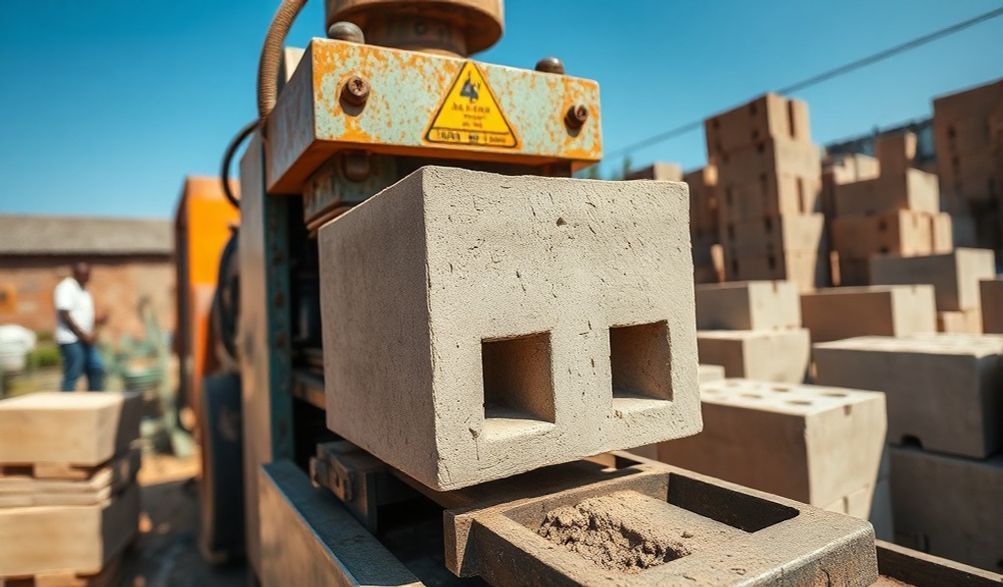
Ваше полное руководство по машинам для производства блоков в Замбии: типы, цены и поставщики (2024)
Введение
Застройка Замбии преображается. Благодаря национальным инфраструктурным проектам, расширению городов и острой потребности в качественном жилье, строительный сектор переживает устойчивый подъем. Для застройщиков, подрядчиков и начинающих предпринимателей этот рост ставит ключевой вопрос: как надежно и прибыльно удовлетворить стремительно растущий спрос на строительные материалы? Ответ все чаще заключается в местном производстве, и в центре этого решения находитсяМашина для производства блоков в Замбии.
Это всеобъемлющее руководство создано как ваш главный ресурс. Мы отсекаем лишнее, чтобы предоставить практическую, объективную информацию, основанную на глубоком понимании местного рынка, состояния почв и масштабов проектов, которые здесь критически важны для успеха. Независимо от того, начинающий вы застройщик или опытный подрядчик, наша цель — вооружить вас фактами и актуальными знаниями о типах машин, реальных затратах и о том, как определить надежных поставщиков. Информированное вложение в станок для производства блоков — это не просто покупка; это стратегический шаг, чтобы построить будущее Замбии — и ваш бизнес — на прочном фундаменте.
Почему стоит инвестировать в станок для производства блоков для вашего строительного бизнеса в Замбии?
Инвестиции в станок для производства блоков — это не просто покупка оборудования, а возможность укрепить конкурентные преимущества на растущем рынке. Вот почему это стратегическое решение для вашего предприятия в Замбии.
Удовлетворение растущего спроса на строительство и жилье в Замбии
Спрос на доступное жилье и коммерческую инфраструктуру значительно опережает текущие поставки строительных материалов. Производя собственные блоки, вы защищаете свои проекты от задержек в цепочке поставок и дефицита. Вы получаете контроль над сроками, обеспечивая наличие необходимых материалов в нужное время, чтобы проекты продвигались, а клиенты оставались довольны.
Экономическая эффективность: Снижение зависимости от импортных или дорогостоящих кирпичей
Перевозка тяжелых материалов, таких как кирпичи, на большие расстояния обходится дорого. Практический опыт показывает, что производство блоков непосредственно на стройплощадке или на местном дворе позволяет значительно сократить затраты на материалы — до 30-40% для многих проектов. Это исключает посредников и транспортные наценки, превращая то, что было крупной статьей расходов, в прямой источник прибыли.
Контроль качества: Производство прочных, стандартизированных блоков с учетом местных условий
Не все блоки одинаковы. Контролируя производство, вы гарантируете, что каждый блок соответствует конкретным требованиям к прочности и долговечности для строительства в Замбии. Вы можете адаптировать бетонную смесь, чтобы она выдерживала местные погодные условия, и использовать качественные местные заполнители, что обеспечивает создание более прочной и долговечной конечной конструкции по сравнению с неоднородными и часто некачественными покупными блоками.
Бизнес-возможность: Поставки для местных рынков и строительных проектов
Ваша установка может стать самостоятельным бизнесом. Помимо обеспечения собственных проектов, вы можете выйти на обширный местный рынок, поставляя блоки другим строителям, подрядчикам и частным застройщикам. Это создаст стабильный дополнительный источник дохода, максимизируя отдачу от ваших инвестиций.
Виды станков для производства блоков, доступные в Замбии
Understanding the different types of machines is the first critical step. Your choice will hinge on your production goals, budget, and access to utilities.
Ручные станки для производства блоков
These are the entry point into block production, perfect for very small-scale projects, community initiatives, or entrepreneurs testing the market.
* Идеально подходит для: Small startups, individual home builders, remote sites with no power.
* Плюсы: Very low initial investment, virtually no maintenance, simple to operate, no electricity required.
* Минусы: Low production output (typically 100-500 blocks per day), highly labor-intensive, physical strain on operators, less consistent block density.
Полуавтоматические станки для изготовления блоков
This category offers the best balance for most growing Zambian construction businesses and dedicated block yards.
* Идеально подходит для: Small to medium-sized block production businesses, contractors with multiple projects.
* Плюсы: Significantly higher production (1,000-3,000 blocks per shift) with mechanical vibration and compression, good versatility for different block types (hollow, solid, pavers) by changing moulds, moderate investment cost.
* Минусы: Requires a skilled operator, depends on a reliable electricity supply (or a diesel generator), involves a higher level of maintenance than manual machines.
Полностью автоматические машины для производства блоков
These are industrial-grade production lines designed for maximum output with minimal manual intervention.
* Идеально подходит для: Large-scale commercial block manufacturing plants supplying major cities or national projects.
* Плюсы: Very high, consistent output (4,000+ blocks per shift), excellent uniformity and quality, requires minimal manual labor (often just 2-3 operators for the entire line).
* Минусы: High initial capital investment, requires a stable and significant power supply, complex maintenance needing specialized technicians, requires more space.
Mobile vs. Stationary Block Machines: Which Suits Your Zambian Operation?
This is a crucial local consideration:
* Мобильные блок-машины: Mounted on a trailer, these are excellent for contractors who move between project sites. They eliminate block transport costs entirely by producing directly where they are needed.
* Стационарные блок-машины: Set up in a fixed yard, these are for dedicated block manufacturing businesses. They are generally more robust, allow for easier integration with mixers and conveyors, and facilitate better curing processes.
Key Features to Consider When Buying in Zambia
Beyond the machine type, these specific features will determine your long-term success and satisfaction with your purchase.
Production Capacity (Blocks Per Hour) vs. Your Project Scale
Don’t overbuy or underbuy. Calculate your current and near-future block needs. A machine rated for 1,000 blocks per hour is useless if you only need 500 per day, just as a manual machine will cripple a large housing project. Match the capacity to your realistic business plan.
Block Types: Hollow, Solid, Interlocking, Pavers (Suitable for Zambian Standards)
Ensure the machine can produce the block types in demand. Hollow blocks are standard for walls. Interlocking blocks are gaining popularity for their speed and mortar savings. Pavers are essential for hardscaping. Check that the machine’s moulds and pressure are compatible with producing these to Zambia Bureau of Standards (ZABS) specifications for compressive strength.
Power Source: Electric, Diesel, or Manual – Considering Zambia’s Power Infrastructure
This is a critical local factor. While electric machines are cleaner and cheaper to run, power instability in some areas is a real concern. Diesel-powered machines offer independence from the grid but have higher fuel costs and noise. Your location’s reliable power access should heavily influence this decision.
Raw Material Compatibility: Working with Local Sand, Quarry Dust, and Cement
A common mistake is assuming any machine will work with any mix. The best machines for Zambia are those proven to work well with locally available materials—whether it’s river sand, crushed quarry dust, or pozzolana cement. Discuss your intended mix with the supplier to ensure the machine’s mixing and compaction systems are suitable.
After-Sales Support: The Critical Need for Local Service and Spare Parts
This is arguably the most important feature. A breakdown without local support can halt your business for weeks. Prioritize suppliers who have a proven track record of providing:
* On-site training for your operators.
* Availability of critical spare parts (like vibration motors, hydraulic seals, moulds) within Zambia.
* Access to service technicians who can diagnose and repair issues promptly.
Understanding the Cost: Block Making Machine Prices in Zambia
Transparency about costs is key to building trust and helping you plan effectively. Prices are indicative and can fluctuate with currency exchange rates and shipping costs.
Price Range Breakdown by Machine Type
- Ручные станки для производства блоков: ZMW 3,000 – ZMW 15,000. The price varies based on brand, build quality, and whether it’s a single or multi-block mould.
- Полуавтоматические станки для производства блоков: ZMW 40,000 – ZMW 250,000. This wide range depends on production capacity, level of automation, and brand origin.
- Полностью автоматические машины для производства блоков: ZMW 300,000 – ZMW 2,000,000+. These are significant investments for industrial-scale production.
Beyond the Machine: Additional Cost Factors
Your total startup cost includes much more than the machine price:
* Essential Accessories: Concrete pan mixer, conveyor belts, pallets or boards for curing.
* Плесень: Additional moulds for different block types can cost ZMW 5,000 – ZMW 25,000 each.
* Site Preparation: A leveled, solid concrete foundation for stationary machines.
* Raw Material Stock: Initial inventory of cement, sand, and aggregate.
* Операционные расходы: Electricity/fuel, labor, water, and maintenance.
Calculating Your ROI: From Investment to Profit in the Zambian Market
A simple ROI calculation is vital. Estimate your production costs per block (cement, aggregate, labor, power) and compare it to the current market selling price in your area. For example, if your cost per hollow block is ZMW 5 and you sell it for ZMW 9, your gross profit is ZMW 4. A semi-automatic machine producing 2,000 blocks a day can thus generate significant daily gross profit, allowing you to recoup your investment in a matter of months with consistent sales.
Finding Reliable Block Making Machine Suppliers in Zambia
Choosing the right supplier is as important as choosing the right machine. Here’s how to navigate the market.
Local Zambian Distributors and Dealers
- Плюсы: Established local presence, easier communication, faster delivery and logistics, typically offer training and after-sales service, understand local market challenges.
- Минусы: May have a limited range of models compared to international manufacturers.
Direct Import from International Manufacturers
- Плюсы: Potentially lower unit cost for high-end models, access to the very latest technology and a wider selection.
- Минусы: Complex logistics, import duties and taxes (which can be substantial), lengthy shipping times, major challenges with after-sales support, warranty claims, and sourcing spare parts.
Key Questions to Ask Any Supplier
- What is included in the warranty, and what is the process for claims?
- Do you provide comprehensive on-site operator training?
- Which spare parts are most likely to need replacement, and are they stocked locally in Zambia?
- Can you provide contact details for 2-3 local customers who have used this model for over a year?
- What is your typical response time for service calls?
Важное примечание:
Always conduct due diligence. Physically inspect a working machine if possible. Verify the supplier’s business credentials. Checking with the Engineering Institution of Zambia (EIZ) or relevant trade associations for reputable members can be a wise step.
Operational Tips and Best Practices for Zambia
Expertise isn’t just about buying the right machine; it’s about operating it correctly for the Zambian context.
Ideal Raw Material Mix Ratios for Durable Blocks
A strong, standard mix is 1 part cement to 6 parts combined aggregate (e.g., a blend of pit sand and quarry dust). Always use clean, well-graded aggregates. The water-cement ratio is critical—aim for a stiff, moldable mix; too much water drastically reduces final block strength.
Proper Curing Techniques to Ensure Maximum Block Strength
Curing is where blocks gain their strength. Immediately after production, keep blocks under damp burlap sacks or plastic sheeting for at least 7 days, ensuring they remain moist. This slow curing process is essential, especially in Zambia’s hot, dry climate, to prevent cracking and achieve the designed compressive strength.
Routine Maintenance Schedule to Prolong Machine Life
- Ежедневно: Clean all parts thoroughly after use, especially the moulds and mixer. Check for loose bolts and nuts.
- Weekly: Grease all moving parts and bearings. Inspect vibration motors and hydraulic hoses for wear.
- Monthly: Conduct a more thorough inspection of electrical connections and the hydraulic system.
Safety Protocols for Operators
- Always wear safety gloves, boots, and eye protection.
- Never place hands near the mould during the compression cycle.
- Ensure all safety guards on the machine are in place and functional.
- Provide training on safe material handling to prevent back injuries.
Frequently Asked Questions (FAQ) About Block Making Machines in Zambia
Q1: What is the cheapest type of block making machine available in Zambia?
The manual block making machine is the most affordable entry point, with basic models starting from around ZMW 3,000. However, consider your production needs—the low upfront cost may be offset by high labor costs and low output.
Q2: Can I use local Zambian soil to make blocks with these machines?
Standard block making machines are designed for concrete blocks using cement, sand, and aggregate. They are not typically for compressed earth blocks (CEBs). For CEBs, you need a specifically designed soil block press. Always confirm the compatible raw materials with your supplier.
Q3: How much profit can I make from a block making business in Zambia?
Profitability varies widely based on scale, efficiency, and market prices. As a realistic example, a well-run semi-automatic operation can see gross profit margins of 30-50% per block. Many small-to-medium operations report being able to recoup their initial machine investment within 6-18 months with consistent sales.
Q4: Are there any government regulations or standards for block production in Zambia?
Yes. The Zambia Bureau of Standards (ZABS) provides standards for concrete masonry units (e.g., ZS 658). For structural use, especially in commercial projects, engineers may require blocks to meet specific compressive strength classes (e.g., 3.5N/mm², 7N/mm²). It’s good practice to produce to these standards.
Q5: What is the most common problem with block machines in Zambia, and how can I avoid it?
Poor block density and strength is a frequent issue, often traced back to an incorrect raw material mix (too much water or poor aggregate grading) or inadequate vibration/compaction from a poorly maintained machine. Stick to proven mix ratios and adhere to a strict maintenance schedule.
Q6: Is training provided when I purchase a machine?
Reputable local suppliers almost always include basic on-site operator training as part of the purchase package. This is a key differentiator and something you should insist upon. If a supplier does not offer training, consider it a major red flag.
Заключение
Choosing the right Машина для производства блоков в Замбии is a strategic decision that hinges on understanding your specific needs, the local market realities, and the total cost of ownership. From manual starters to fully automatic production lines, the key is to align the machine’s capacity and features with your business goals and operational context. Remember, the machine itself is just one part of the equation; partnering with a supplier who offers robust after-sales support and training is essential for long-term success.
Before making any financial commitment, clearly define your project scales, budget carefully for all associated costs, and conduct thorough due diligence on potential suppliers. The right investment will not only build your profitability but will also contribute to building a stronger, more self-sufficient Zambia.
For a personalized consultation or to request a quote from vetted suppliers, contact a reputable local industry association or reach out to suppliers with a proven track record in Zambia. Always prioritize seeing the machine in operation and speaking to existing customers before you buy.
This guide is compiled based on industry research and market knowledge to aid your decision-making. We recommend conducting thorough due diligence, including consultations with the Zambia Bureau of Standards (ZABS) and financial advisors, before any financial commitment.
<