
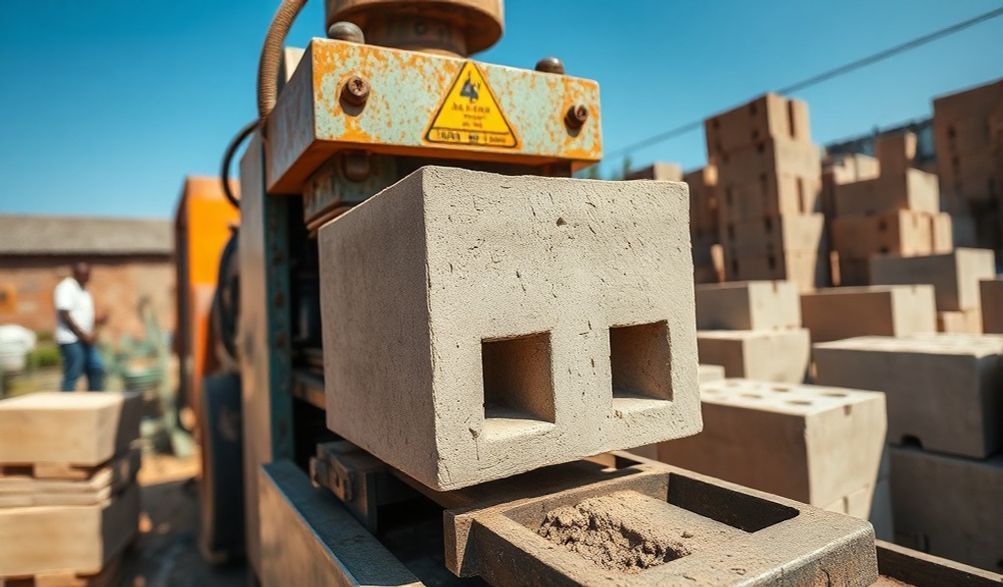
Inshingano Ryuzuye Ry’Imashini Zubaka Ibibumbwe mu Rwanda: Ubwoko, Igiciro n’Abatanga (2024)
Intangamarara
Ikirere cya Zambiya kiri guhinduka. Bitewe n’ingendo rusange y’ubukungu bw’igihugu, kwaguka kw’imidugudu, n’ibibazo by’amazu y’ikijyambere, ubucuruzi bw’ubwubatsi buri mu rwego rwo kwiyongera. Kubakoresha, abakontarakta, n’abashaka gukora ubucuruzi, iyi myiyongera yerekana ikibazo gikomeye: ni gute mushobora guhura n’ibyo gusaba by’ibikoresho by’ubwubatsi mu buryo burambye kandi bukaba inyungu? Igisubizo kiba mu gukora ibikoresho mu gihugu, kandi mu ngingo y’ibi bikoresho harimomashini yo gukora amabuye mu Zambiya.
Iyi rukuruzi ruzira cyane irateguwe kuba inyandiko ya nyuma. Dukura mu byigwa byose kugirango duhe amakuru y’ingenzi, adapfobuye, ashingiye ku bumenyi bwimbitse ku isoko ry’igihugu, imimerere y’ubutaka, n’imirimo itandukanye iby’ingenzi kugirango wihutire. Niba uri umubatsi w’umwimukira cyangwa umukontaraktari ufite uburambe, intego yacu ni ugukugira imbaraga z’ubumenyi bwa nyakanga, bwa vuba, ku bwoko bw’imashini, ibiciro bikwiriye, n’uburyo bwo gushaka abatanga ibikoresho b’icyubahiro. Gukora investissement ifite amakuru mu gupanga mashini z’ibyatsi si ugurisha gusa; ni intego yo kubaka ejo hazaza h’u Zambia—n’ubucuruzi bwawe—ishingiye ku ishingiro ry’umutekano.
Kubera iki Gufata Inyungu mu Mudasobwa wo Gukora Ibikoresho by’Amabara mu Bikorwa by’ubwubatsi byawe mu Zambiya?
Gutanga ibishushanyo mubwubatsi bwa mablock si ukugura ibikoresho gusa; ni ukugira uruhare mu guhanga isoko rikomeye. Dore impamvu bigaragaza ko ari igitekerezo cy’imicungire y’ubucuruzi ku rwego rwa Zambiya.
Guhura Ibyifuzo Byongezwe mu Buryo bwo Kubaka no Gutura mu Zambia
Guhindura ibisabwa by’amazu n’ibindi bikorwa remezo mu gihe kingana n’ibikoresho byo kubaka biriho biri hasi cyane. Ukora amatafari yawe ubwawe, uhindura umutungo wawe kugira ngo utazahura n’ibibazo by’ibikoresho byo kubaka. Uba ufite ubushobozi bwo gukoresha ibikoresho byo kubaka igihe ubishaka, kugira ngo umushinga wawe ugakomeza kugenda no kugira abakiriya bihaye umwanya.
Ubushobozi bwo Kugabanya Ibiciro: Kugabanya Kwishingikiriza kuri Amatafari Yatowe mu Mahanga cyangwa Ayagurishwa ku Biciro Birenze.
Gutwara ibintu byinshi nk’amatafari mu bihe byo kure bishimisha. Uburambe bwo ku isi bwerekana ko gukora amatafari aho ukeneye cyangwa mu rugo rwa hafi bigabanya ibiciro by’ibikoresho by’inganda kugeza kuri 30-40% kumushinga menshi. Ukuraho abantu bakiriya n’ibiciro byo gutwara, uhindura icyo cyari igiciro kinini kikaba aho ushobora kugira amaramuko.
Kugenzura Ubwiza: Gukora Amabuye Y’inyubako Azakomeza kandi Ahuza Ibisabwa mu Mibereho yo mu Karere
Ntabwo ibigega byose byaremwe kimwe. Ukoresheje uburyo bwo kubikora, uhaminira ko bigega buri gikomeye kandi bigakomeza bihagije kugirango bikore imishinga yo mu Rwanda. Urashobora guhuza kongiri uko bikwiye kugirango ishobore kwihanganira imihindagurikire y’ikirere cy’aho, ukoreshe amabuye y’imiterere y’icyiza ahantu hose, bigatuma ibikozwe biheraho kirekire kuruta ibigega bishobora kuba bidakwiye cyangwa bidafite icyerekezo bigurwa.
Uburyo bwo Gucuruza: Gutanga Ibicuruzwa ku Isoko ry’Ubutaka n’Amashusho yo Kubaka
Mashini yawe ishobora kuba ubucuruzi ku giti cyayo. Usibye guha ibikorwa byawe, ushobora kwinjira mu isoko rihambaye ryo mu gihugu, ugaha amabuye yubatsirwa abandi babatsi, abakontarakazi, n'abubatsi b'inganda z'imiryango. Ibi bigira urwego rw'amafaranga rukomeye, rw'ikirenga, rwongera umusaruro w'ingengo y'amafaranga yawe.
Ubwoko bw’imashini z’ubwubatsi zihari muri Zambiya
Gusobanukirwa ubwoko butandukanye bw’imashini ni intego ya mbere igira ingaruka. Ihitamo ryawe rizagendera ku ntego zawe zo gukora, umutungo w’amafaranga, n’ubushobozi bwo kubona ibikoresho by’ingufu.
Imashini z’ubukoresha z’ubwubatsi
Ayo ni amasoko yo kwinjira mu gukora ibice, byiza cyane kubijyanye n'ibigo bito cyane, imirimo y'umuryango, cyangwa abacuruzi bagenzura isoko.
* Byiza Kuri:Ubucuruzi buto, abubaka amazu bafite ubwabo, aho hatagira amashanyarazi.
* Inziza:Gutangira amafaranga make cyane, nta byo bikenera gukosora, byoroshye kuyakoresha, nta bishumi bikenerwa.
* Ibibi:Ibikorwa byo gukora byo hasi (ku buryo bukubiye ku mibare 100-500 y’ibikoresho buri munsi), bifite ubukana bwa rubanda bukabije, ibibazo by’imitwe ku bakoresha, kugira ubunini bw’ibikoresho butubahuka.
Ibirarishushanya bya Semi-Otomatiki byo Gukora Ibikoresho bya Bloki
Iyi gatsiko itanga impinduka nziza ku rwego rwo hejuru ku mirimo yo kubaka ikomeje kuzamuka muri Zambiya ndetse n’ibyumba by’amabuye byashyizweho.
* Byiza Kuri:Abikorera batanga ibyatsi bato kugeza kuri byo hagati, abakontarakazi bafite imishinga myinshi.
* Inziza:Gutanga byinshi cyane (ibigega 1,000-3,000 buri shyifu) bikoresheje imashini zikora umuvuduko n’umusemburo, guhindura imiterere y’ibigega bigaragaza ubushobozi bwo gukora ibigega bitandukanye (ibigega bifite imyanda, ibigega byuzuye, amabuye y’amababi), ariko ibyo bikoresho bitagura amafaranga menshi cyane.
* Ibibi:Bakeneye umukozi w’umuhanga, bikenera amashanyarazi adakuka (cyangwa jeneterateri ya dizeri), bisaba kubungabunga bikurikirana kuruta ibikoresho by’abantu.
Imashini Zikora Imigere Iteganyijwe
Aya ni imiyoboro y'ubukorikori bw'inganda yateguwe kugira ngo ibone ibisohoka byinshi bihagije mu gihe bifashishijwe ubushobozi bw'umuntu buke.
* Byiza Kuri:Amashini makuru y’ubucuruzi bw’amabara y’amabuye y’ubutaka akoreshwa mu gutanga amabara mu midugudu minini cyangwa mu nganda z’igihugu.
* Inziza:Ibikorwa byinshi cyane, bikomeye (ibice 4,000+ ku isaha), birangwa n’ubwiza buhebuje kandi buhagije, bifite ubushobozi bwo gukoresha abakozi bake (akenshi abakozi 2-3 gusa kuri buri gahunda yose).
* Ibibi:Gahunda y'ibanze y'ikiguzi cy'ingengo y'ibikorwa, isaba amashanyarazi ahagaze kandi menshi, kubungabunga bikomeye bisaba abanyabwenge bahugijwe, bisaba aho bihari byinshi.
Imashini z'ibyumba z'ingufu zitambuka n'izihagaze: Ni izihe zikwiriye mu bikorwa byawe muri Zambiya?
Ibi ni ibitekwa by'ingenzi mu gihugu:
* Imashini z'ibikoresho bya Mobile Block:Zishyizwe ku mudasobwa wo gutwara ibintu, izi ni byiza cyane kubakontarakazi bahindagurikana hagati aho bakorera. Zirekura ahanini amafarisi yo gutwara ibikomoka mu gukora neza aho bikenewe.
* Imashini z'ibikoresho byo gusiga amabuyeZishyizwe mu rugo rwihariye, izi nizo zikoreshwa mu bikorwa byihariye byo gukora amabara. Zikunze kuba zikomeye cyane, zorohereza kumvanganisha no guhuza ibikoresho byo gukora amabara n’ibikoresho byo gutwara ibintu, kandi zorohereza imikorere myiza yo gukora amabara.
Ibiranga Ibikurikira Kugirango Utekereze Igihe Ugura mu Zambiya
Uretse ubwoko bw'ikoranabuhanga, ibi bice bitandukanye bizagena intsinzi yawe y'igihe kirekire n'umwaku w'ishaka mu gikorwa cyo kugura.
Ubushobozi bwo Gukora (Imbaho ku Isaha) vs. Ingano y'Umushinga wawe
Ntukagure cyane cyangwa ntube. Bara ibikoresho bigomba gukora kugirango bigere ku bihumbi n'ibihumbi by'amabuye ukeneye. Umushini ushobora gukora amabuye 1,000 mu isaha nta cyo uzamara niba ukeneye amabuye 500 gusa ku munsi, kimwe n'uko umushini w'amaboko utazigera ukora amabuye ahagije mu gikorwa kinini cyo kubaka amazu. Bara ubushobozi bw'umushini ukoresha n'ingamba ya business yawe ishingiye ku kuri.
Block Types: Hollow, Solid, Interlocking, Pavers (Suitable for Zambian Standards)
Ensure the machine can produce the block types in demand. Hollow blocks are standard for walls. Interlocking blocks are gaining popularity for their speed and mortar savings. Pavers are essential for hardscaping. Check that the machine’s moulds and pressure are compatible with producing these to Zambia Bureau of Standards (ZABS) specifications for compressive strength.
Power Source: Electric, Diesel, or Manual – Considering Zambia’s Power Infrastructure
This is a critical local factor. While electric machines are cleaner and cheaper to run, power instability in some areas is a real concern. Diesel-powered machines offer independence from the grid but have higher fuel costs and noise. Your location’s reliable power access should heavily influence this decision.
Raw Material Compatibility: Working with Local Sand, Quarry Dust, and Cement
A common mistake is assuming any machine will work with any mix. The best machines for Zambia are those proven to work well with locally available materials—whether it’s river sand, crushed quarry dust, or pozzolana cement. Discuss your intended mix with the supplier to ensure the machine’s mixing and compaction systems are suitable.
After-Sales Support: The Critical Need for Local Service and Spare Parts
This is arguably the most important feature. A breakdown without local support can halt your business for weeks. Prioritize suppliers who have a proven track record of providing:
* On-site training for your operators.
* Availability of critical spare parts (like vibration motors, hydraulic seals, moulds) within Zambia.
* Access to service technicians who can diagnose and repair issues promptly.
Understanding the Cost: Block Making Machine Prices in Zambia
Transparency about costs is key to building trust and helping you plan effectively. Prices are indicative and can fluctuate with currency exchange rates and shipping costs.
Price Range Breakdown by Machine Type
- Imashini z’ubukorikori bwa Block z’abantu: ZMW 3,000 – ZMW 15,000. The price varies based on brand, build quality, and whether it’s a single or multi-block mould.
- Imashini zitanga ibikoresho byo kubaka ibyumba bigikorwa gato: ZMW 40,000 – ZMW 250,000. This wide range depends on production capacity, level of automation, and brand origin.
- Imashini z'ubwubatsi z'ibyumba zikora mu buryo bwikora: ZMW 300,000 – ZMW 2,000,000+. These are significant investments for industrial-scale production.
Beyond the Machine: Additional Cost Factors
Your total startup cost includes much more than the machine price:
* Essential Accessories: Concrete pan mixer, conveyor belts, pallets or boards for curing.
* Moulds: Additional moulds for different block types can cost ZMW 5,000 – ZMW 25,000 each.
* Site Preparation: A leveled, solid concrete foundation for stationary machines.
* Raw Material Stock: Initial inventory of cement, sand, and aggregate.
* Ibiciro by'ingendo Electricity/fuel, labor, water, and maintenance.
Calculating Your ROI: From Investment to Profit in the Zambian Market
A simple ROI calculation is vital. Estimate your production costs per block (cement, aggregate, labor, power) and compare it to the current market selling price in your area. For example, if your cost per hollow block is ZMW 5 and you sell it for ZMW 9, your gross profit is ZMW 4. A semi-automatic machine producing 2,000 blocks a day can thus generate significant daily gross profit, allowing you to recoup your investment in a matter of months with consistent sales.
Finding Reliable Block Making Machine Suppliers in Zambia
Choosing the right supplier is as important as choosing the right machine. Here’s how to navigate the market.
Local Zambian Distributors and Dealers
- Inziza: Established local presence, easier communication, faster delivery and logistics, typically offer training and after-sales service, understand local market challenges.
- Ibibi: May have a limited range of models compared to international manufacturers.
Direct Import from International Manufacturers
- Inziza: Potentially lower unit cost for high-end models, access to the very latest technology and a wider selection.
- Ibibi: Complex logistics, import duties and taxes (which can be substantial), lengthy shipping times, major challenges with after-sales support, warranty claims, and sourcing spare parts.
Key Questions to Ask Any Supplier
- What is included in the warranty, and what is the process for claims?
- Do you provide comprehensive on-site operator training?
- Which spare parts are most likely to need replacement, and are they stocked locally in Zambia?
- Can you provide contact details for 2-3 local customers who have used this model for over a year?
- What is your typical response time for service calls?
Important Note:
Always conduct due diligence. Physically inspect a working machine if possible. Verify the supplier’s business credentials. Checking with the Engineering Institution of Zambia (EIZ) or relevant trade associations for reputable members can be a wise step.
Operational Tips and Best Practices for Zambia
Expertise isn’t just about buying the right machine; it’s about operating it correctly for the Zambian context.
Ideal Raw Material Mix Ratios for Durable Blocks
A strong, standard mix is 1 part cement to 6 parts combined aggregate (e.g., a blend of pit sand and quarry dust). Always use clean, well-graded aggregates. The water-cement ratio is critical—aim for a stiff, moldable mix; too much water drastically reduces final block strength.
Proper Curing Techniques to Ensure Maximum Block Strength
Curing is where blocks gain their strength. Immediately after production, keep blocks under damp burlap sacks or plastic sheeting for at least 7 days, ensuring they remain moist. This slow curing process is essential, especially in Zambia’s hot, dry climate, to prevent cracking and achieve the designed compressive strength.
Routine Maintenance Schedule to Prolong Machine Life
- Buri munsi: Clean all parts thoroughly after use, especially the moulds and mixer. Check for loose bolts and nuts.
- Buri cyumweru: Grease all moving parts and bearings. Inspect vibration motors and hydraulic hoses for wear.
- Monthly: Conduct a more thorough inspection of electrical connections and the hydraulic system.
Ingamba z'umutekano ku bakozi
- Always wear safety gloves, boots, and eye protection.
- Never place hands near the mould during the compression cycle.
- Ensure all safety guards on the machine are in place and functional.
- Provide training on safe material handling to prevent back injuries.
Frequently Asked Questions (FAQ) About Block Making Machines in Zambia
Q1: What is the cheapest type of block making machine available in Zambia?
The manual block making machine is the most affordable entry point, with basic models starting from around ZMW 3,000. However, consider your production needs—the low upfront cost may be offset by high labor costs and low output.
Q2: Can I use local Zambian soil to make blocks with these machines?
Standard block making machines are designed for concrete blocks using cement, sand, and aggregate. They are not typically for compressed earth blocks (CEBs). For CEBs, you need a specifically designed soil block press. Always confirm the compatible raw materials with your supplier.
Q3: How much profit can I make from a block making business in Zambia?
Profitability varies widely based on scale, efficiency, and market prices. As a realistic example, a well-run semi-automatic operation can see gross profit margins of 30-50% per block. Many small-to-medium operations report being able to recoup their initial machine investment within 6-18 months with consistent sales.
Q4: Are there any government regulations or standards for block production in Zambia?
Yes. The Zambia Bureau of Standards (ZABS) provides standards for concrete masonry units (e.g., ZS 658). For structural use, especially in commercial projects, engineers may require blocks to meet specific compressive strength classes (e.g., 3.5N/mm², 7N/mm²). It’s good practice to produce to these standards.
Q5: What is the most common problem with block machines in Zambia, and how can I avoid it?
Poor block density and strength is a frequent issue, often traced back to an incorrect raw material mix (too much water or poor aggregate grading) or inadequate vibration/compaction from a poorly maintained machine. Stick to proven mix ratios and adhere to a strict maintenance schedule.
Q6: Is training provided when I purchase a machine?
Reputable local suppliers almost always include basic on-site operator training as part of the purchase package. This is a key differentiator and something you should insist upon. If a supplier does not offer training, consider it a major red flag.
Ibyo byose
Guhitamo ibyizamashini yo gukora amabuye mu Zambiya is a strategic decision that hinges on understanding your specific needs, the local market realities, and the total cost of ownership. From manual starters to fully automatic production lines, the key is to align the machine’s capacity and features with your business goals and operational context. Remember, the machine itself is just one part of the equation; partnering with a supplier who offers robust after-sales support and training is essential for long-term success.
Before making any financial commitment, clearly define your project scales, budget carefully for all associated costs, and conduct thorough due diligence on potential suppliers. The right investment will not only build your profitability but will also contribute to building a stronger, more self-sufficient Zambia.
For a personalized consultation or to request a quote from vetted suppliers, contact a reputable local industry association or reach out to suppliers with a proven track record in Zambia. Always prioritize seeing the machine in operation and speaking to existing customers before you buy.
This guide is compiled based on industry research and market knowledge to aid your decision-making. We recommend conducting thorough due diligence, including consultations with the Zambia Bureau of Standards (ZABS) and financial advisors, before any financial commitment.
<