
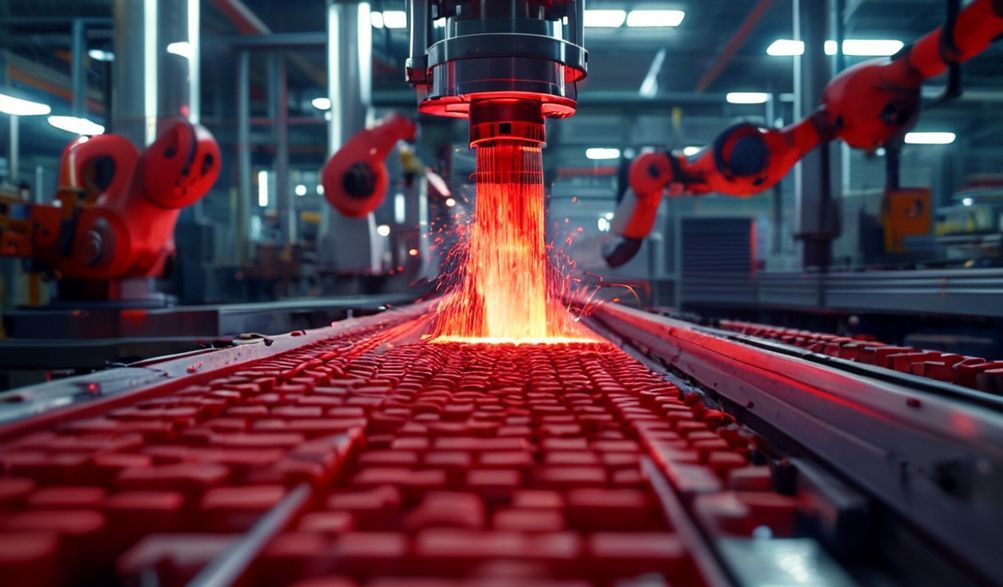
Inzira Yuzuye yo Gukora Imashini mu Bwubatsi bwa Bikeri: Imikorere, Ibikoresho n’Ibyihuse bya Gihanga
Intangamarara
Amatafari ni ingufu zidahumeka zo kubaka ku isi hose, kandi bimwe mu bihumbi by’ibihumbi byazo bikozwe buri mwaka kugira ngo bikore byose kuva mu ngo zitonoye kugeza mu mazu maremare. Iyi ngingo y’igihagararo isaba ibirenzeho ibumba n’umuriro gusa; isaba no gukoresha ubuhanga mu bukoreshaporiseti. Inyuma y’amatafari yose ahuje kandi atagira amakemwa, hari urucurangizi rw’imashini n’igenzura ry’imikorere bita gukoresha imashini mu ruganda rw’amatafari.
Nubwo ingingo shingiro ari ishaje, ubwubatsi bwa gikondo buhura n’ibibazo bitandukanye: igikenewe cy’ubunini busesuye, ingogera zo kugabanya ubucucike bw’ibikoresho n’ingano y’amashanyarazi, hamwe n’ibyifuzo byo gukomeza ubwubatsi mu buryo bumwe mu byiciro binini. Gukoresha imashini mu buryo butunganye cyangwa budakwiye bisaba gusubiramo ibintu, byongera ibiciro by’umwenda, kandi bikoresha ibikoresho mu buryo budakomeza.
Iyi gahunda y'ingenzi ishishikariza cyane mu isi yaUmusaruro w'ibikoresho by'ibyuma mu ruganda rw'amatafariTuzajya tukarenga ibisanzwe kugirango dusuzume imikorere iremereye, imashini z’ingirakamaro, n’iterambere ry’ikoranabuhanga rihindura ibumba ry’umukungugu kugira ngo kibe amabuye y’ubatsiko yuje neza kandi atize mu gihugu cyacu. Ibi bintu byose byakusanyijwe mu nyandiko z’ubumenyi z’inganda, ibisobanuro by’ikoranabuhanga bituruka ku bucuruzi bw’imashini, hamwe n’imigambi y’ubukorikori, bigatanga isura yuzuye kandi ifite ubushake mu rwego rw’inganda iriho ingirakamaro.
Gusobanukirwa Ubusobanuro Bw’ingengabukungu Bw’amatafari: Birenzeho Ibumba Gusa
Mbere y’uko umashini yubaka itofari imwe, iby’ingenzi bigomba gutegurwa neza. Ubwiza bwo gukora ibikoresho by’ubwubatsi bushingiye ku buryo umwobo w’ibumba unyuranyije kandi ufite ibisobanuro byiza mu nzira y’ubukorikori.
Kuva ku By'ingenzi Bikoreshwa Kugeza ku Biyogo Byakozwe: Ibigize Mbere yo Gukoresha Imashini
Urugendo rutangira kure y'umashini w'umusarani.
- Gukuraho Ibumba no GutoranyaBirahagurika ku bijyanye n’ubumenyi bw’ubutaka. Imyanda ishora ubwoko butandukanye bw’ibumba cyangwa urukoko bitewe n’ibisabwa by’amatafari (ibara, ingufu, ubushobozi bwo gucukumbura). Ibi bikoreshwa by’imiterere bihakwa hanyuma bigerekezwa mu bigo by’imashini.
- Gukata, Gukubira, no Gukaraga:Inkoko nyinshi z'ibumba zinjizwa mu nkombe zibanze n'izisubiramo kugirango zigabaniswe ingano y'inyandiko. Nyuma icyo gikoresho gisuzumwa kugirango kizere ko gifite imiterere yoroshye kandi ihuje. Iki gikorwa ni ngombwa cyane kugirango haboneke isanganira ryihuje, bigatuma bidashoboka kubona ibibazo cyangwa ibyago mu mukoresho wanyuma.
- Ingirakamaro y’ubushyuhe mu biyobyabwenge no Gukomatanya (Pugging): The ground clay is transferred to a pugmill—a heavy-duty mixer. Here, water is added to achieve an exact moisture content (typically between 15-25%). The pugmill kneads and homogenizes the mixture into a plastic, workable state. For high-quality bricks, a de-airing extruder is often used at this stage, which uses a vacuum to remove air pockets, significantly increasing the brick’s density and strength.
Why Precision Machining is Non-Negotiable for Modern Bricks
Why such an emphasis on precision? The demands of contemporary construction leave no room for error.
- Ubwiza bw’ingano: Modern masonry is engineered. Walls are designed with specific load calculations. Irregular bricks force masons to use excessive mortar to level courses, compromising thermal performance and structural integrity while slowing construction to a crawl.
- Impact on Yield and Waste: Precise machining minimizes excess material. A well-calibrated cutter produces clean, sharp bricks with minimal “flash” or deformation, ensuring more saleable product from every ton of clay. This directly boosts profitability and sustainability.
- Guhora ukoze ni cyo cyiza: Architects and builders rely on consistent color, texture, and size across pallets and even entire job shipments. Only tightly controlled machining processes can deliver this batch-to-batch uniformity.
Essential Machinery in the Brick Factory Machining Line
This is where prepared clay is transformed into shaped bricks. Each machine in the line plays a specialized, critical role.
The Heart of the Operation: Brick Extruders and Dies
The extruder is the centerpiece of the machining line.
- How It Works: The plastic clay mix is forced by a powerful auger through a sealed barrel. This creates immense, consistent pressure, compacting the clay and pushing it through a die at the end of the barrel. The clay emerges as a continuous, solid column (called a “column” or “slug”) with a specific cross-section.
- The Role of Precision Dies: The die is a custom-engineered metal plate that defines the brick’s profile. It creates:
- Cores: Hollow spaces that reduce weight, improve insulation, and provide a key for mortar.
- Frogs: Indentations on the bed face that reduce weight and create a superior mortar bond.
- Overall Shape: Whether standard modular, utility, or a special shape.
- Materials and Maintenance: Dies are typically made from hardened steel or tungsten carbide. They are subject to immense wear and must be regularly inspected, cleaned, and refinished to maintain perfect brick dimensions and surface quality.
Cutting & Sizing: Achieving Perfect Brick Dimensions
The continuous clay column must now be cut into individual bricks.
- Wire Cutters and Multi-Wire Systems: As the column exits the die, it moves onto a cutting table. A frame holding tightly-spaced, high-tensile wires (like a giant cheese cutter) descides or passes through the clay at precise intervals. Multi-wire cutters can slice an entire column into dozens of bricks in a single stroke.
- Precision and Automation: Cutting is synchronized with the extruder’s output speed. Modern systems use servo-motors and laser guides to ensure each cut is perfectly square and each brick is identical in length. The slightest variation in wire tension or alignment results in tapered or misshapen bricks.
- Handling and Transfer: Automated belts or lifts gently transfer the soft, “green” bricks from the cutter to dryer cars or setting machines, minimizing handling damage.
Surface Texturing and Imprinting Machines
Not all bricks are smooth. Surface finishing adds aesthetic and functional value.
- Roller Imprinting: Textured rollers pass over the clay column before cutting, imparting a rough, rustic, or lined finish.
- Mold Pressing: For special shapes or pavers, the clay may be fed into automated hydraulic presses instead of an extruder, where it is formed under high pressure in a mold.
- Sanding and Glazing: Dry, sand-coated finishes are applied by machines that roll or spray the bricks with sand before firing. Glaze, a glass-like coating, is typically sprayed on and then fused in the kiln.
Automation & Control: The Brain of the Modern Brick Factory
Today’s brick plant is a networked system, not a collection of independent machines.
PLCs and SCADA Systems for Integrated Machining
- Kontoro z'ibikorwa bya Logiki zirashobora guhinduwa (PLCs): These industrial computers are the nerve centers. A PLC controls every variable: the extruder auger speed, vacuum pressure, cutter timing, conveyor speeds, and dryer temperatures. It ensures all machines work in perfect harmony.
- Supervisory Control and Data Acquisition (SCADA): This is the plant’s dashboard. SCADA software collects data from all PLCs and sensors, displaying real-time information on production rates, machine status, energy consumption, and quality metrics. Operators can monitor the entire line and make adjustments from a central control room.
Robotics in Material Handling and Palletizing
- Gusaba Robotic arms are increasingly used for repetitive, heavy, or precise handling tasks. This includes placing green bricks onto dryer cars in specific patterns, depalletizing fired bricks, and stacking finished bricks onto pallets for wrapping.
- Inyungu: Robotics eliminate ergonomic injuries, operate 24/7, and provide flawless, gentle handling that reduces product loss due to chipping or breakage.
Advanced Technologies Revolutionizing Brick Machining
Innovation is driving the next leap in efficiency, quality, and sustainability.
Laser Guidance and Vision Systems for Quality Control
- In-Line Laser Measurement: Non-contact laser scanners constantly measure the clay column and cut bricks for width, height, and length, feeding data back to the PLC for real-time adjustments.
- Automated Vision Inspection: High-resolution cameras capture images of every brick. AI-powered software analyzes these images in milliseconds to detect and automatically reject bricks with cracks, chips, color blotches, or dimensional flaws.
Predictive Maintenance and IoT Sensors
- Sensor Networks: Vibration sensors on extruder bearings, temperature sensors on motor windings, and pressure sensors in hydraulic systems continuously stream data.
- Ubucukumbuzi bw'amakuru: This data is analyzed to predict failures mbere they happen. For example, a gradual increase in vibration from a crusher bearing signals the need for scheduled replacement, preventing a catastrophic breakdown and unplanned downtime.
Sustainable Machining: Energy Recovery and Waste Reduction
- Closed-Loop Systems: Water used in cutting and cleaning is captured, settled, and recycled back into the pugging process. Clay dust and trimmings are automatically returned to the mix.
- Energy Recovery: Heat exchangers capture waste thermal energy from kiln and dryer exhausts, using it to pre-heat incoming air or water, dramatically reducing fossil fuel consumption.
- Efficient Drives: Variable Frequency Drives (VFDs) on large motors allow them to run only at the needed speed, cutting electrical use by up to 30%.
Ensuring Quality and Consistency in Every Batch
Precision machining must be verified through rigorous quality assurance.
In-Process Quality Checks for Machined Bricks
- Kugereranya Indangagaciro Samples are regularly measured with digital calipers to ensure they meet standards like ASTM C216 (facing brick) or ISO 13006, which specify allowable size variations.
- Density and Edge Integrity: Green and fired bricks are weighed and measured to calculate density, a key indicator of strength. Edges are checked for straightness and lack of deformation.
- Compression Testing: Fired bricks are destructively tested in presses to verify they meet minimum compressive strength requirements.
The Role of Regular Machine Calibration and Maintenance
A machining line is only as good as its upkeep.
* Scheduled Maintenance: This includes daily lubrication, weekly checks of wire tension and die alignment, and monthly inspections of gearboxes, bearings, and hydraulic systems.
* Wear-Part Management: Keeping a strict log and inventory for consumable parts—cutting wires, die liners, auger tips, and screen meshes—and replacing them on schedule is essential to prevent a gradual decline in product quality.
Frequently Asked Questions (FAQ) About Brick Factory Machining
Q1: What is the most critical piece of machinery in a brick machining line?
A: While all are vital, the extruder and die are fundamental. They define the brick’s shape, density, and structural properties. Any imperfection here—wear, misalignment, or improper pressure—will propagate through the entire process and be evident in the final product.
Q2: How has automation changed brick factory machining?
A: Automation has revolutionized the industry by delivering unprecedented consistency, output, and safety. It has minimized human error in cutting and handling, allowed for 24/7 operation with optimized energy use, and removed workers from the most hazardous, repetitive tasks.
Q3: Can brick machining equipment handle different types of clay?
A: Yes, but it requires careful recalibration. Switching from a soft surface clay to a hard shale necessitates adjustments to the pugging moisture, extruder vacuum and pressure, cutter wire speed, and dryer temperature profiles to maintain product quality and prevent machine strain.
Q4: What are the key maintenance tips for a brick cutting system?
A: Focus on three areas: 1) Wire Management: Maintain perfect tension and replace wires before they wear thin. 2) Itandukaniro: Ensure the cutting frame is perfectly perpendicular to the clay column. 3) Cleanliness: Prevent clay buildup on wires and frames, which can drag and deform bricks.
Q5: How do modern brick factories ensure their machining is environmentally responsible?
A: Through a multi-pronged approach: closed-loop water recycling, advanced baghouse dust collection, and the use of high-efficiency motors with VFDs. Leading factories also employ SCADA systems for real-time monitoring to minimize energy use per brick produced and maximize material yield.
Ibyo byose
Brick factory machining is a complex, precision-driven engineering discipline. It represents the synergy of robust mechanical systems, intelligent automation, and relentless quality control. This process transforms a variable natural material into a product of remarkable consistency and reliability.
Looking ahead, the integration of Artificial Intelligence for process optimization, further advancements in additive manufacturing for complex dies and parts, and a continued push towards net-zero-energy plants will define the next era of brick machining.
Understanding these intricate processes allows builders, architects, and developers to fully appreciate the engineering marvel behind a fundamental building material. For those specifying brick, it underscores the importance of partnering with manufacturers who invest in and maintain state-of-the-art machining lines—the true hallmark of superior, dependable product quality.
<