
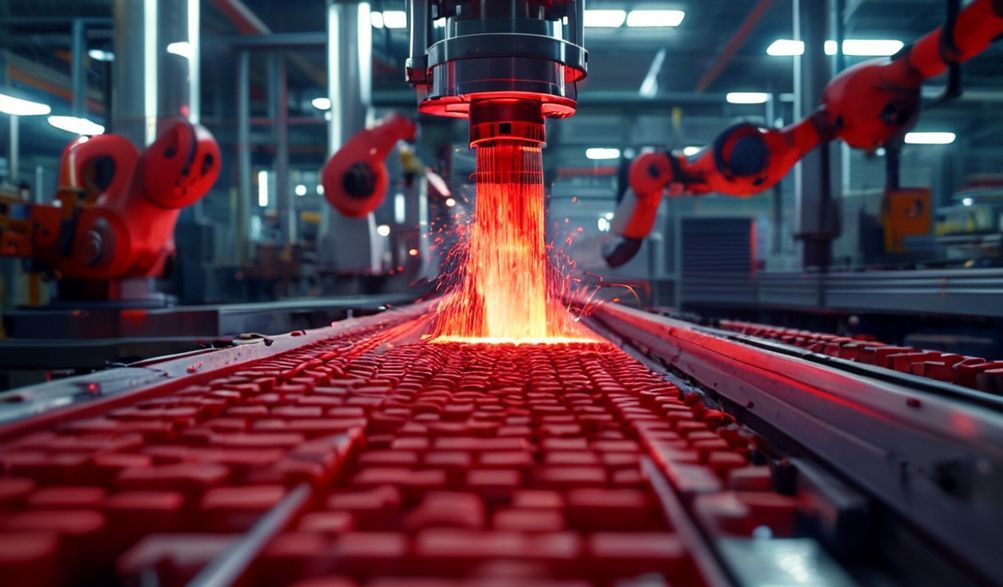
Кирпич Заводы Машина Өндүрүүниң Толук Гайды: Процесслер, Жабдықтар жана Заманбап Инновациялар
Giriş
Кирпичлер дүйнä ёлындагы гурлу-гурлушыклыкда амалсыз эмгекчилер болуп, миллиардларчасы жыл сайын ёкек ёргелерден башлап, бийик гөкдерелерге чейинки барлык нәрселерни гурамак учун ёсарыла. Бу ёсарыш микдары гына гылыжын ве от талап этмей; ол инженерлик таклыгыны талап эди. Хер бир бирдей, берк кирпичиң артында кирпич заводу машиналашдырылышы деп билилйән машиналар ве процесси көзлешинин галкынлы симфониясы бар.
Esasy düşünje gadymy bolsa-da, häzirki zaman gurluşyk aýratyn kynçylyklary ýüze çykarýar: mukammal ölçeg takyklygyna talap, material serişdeleriniň we energiýa sarp edilişiniň peseldilmegi üçin basyşlar we uly toparlar boýunça doly yzygiderlilik zerurlygy. Nädogry ýa-da takyk däl işleme gurluşyň düzgüniniň bozulmagyna, işçilik çykdajylarynyň artmagyna we serişdeleriň dowamly däl ulanylyşyna getirýär.
Bu doly gollanma, ... dünýäsine çuňňur göz aýlaýar.Кирпич заводынын станок ишлеп чыгарушыBiz esas bilimlerden öňe geçip, çig, toprakly kerpiçi dünýämiziň takyk, ygtybarly gurluş bloklaryna öwüriýän kritiski prosesleri, esasy maşynlary we döwrebap tehnologik ösüşleri araşdyrarys. Bu ýerde berilýän düşünjeler senagat ak kitapçalarynyň, ýolbaşçy maşyn öndürijileriniň tehniki spesifikasiýalarynyň we önümçilik inženerliginiň prinsiplarynyň jemlenmesi bolup, bu möhüm senagat ugrynyň doly we ygtyýarly synyny üpjün edýär.
Кирпич Өндүришинин Негизин Түшүнүү: Жөнөкөй Топурак Эмес
Maşina bir garyşykly güýzüni emele getirmänkä, çig material düýpli taýýarlanmaly. Maşinanyň işleýiş derejesi, öndürijilik hataryna girýän kerpiç garyndysynyň ylalaşyklylygy we aýratynlyklaryna gönüden-göni baglydyr.
Хам Материалдан Пішінделген Кірпиче: Машинадан Оңалдырудан Озекі Баскычлар
Säher uzakdan, ekstruder maşynyndan öň başlanýar.
- Lýag çykarmak we saýlamak:Ол геологиядан башлана. Заводлар керекли кирпичиň (реňки, беркligi, gözenekliligi) aýratynlyklaryna görä aýratyn laý topraga ýa-da şeil ýerine ýetirýärler. Bu çig material kariýerden alnyp, zawodlara eltiliýär.
- Дөвлөмәк, уулук жана элешмек:Iri gylçyklar esasy we ikinji derejeli ujurlaryň içine salynýar, olaryň ölçegini kiçeltmek üçin. Material soňra birmeňzeş, inçe tekstura üçin elenýär. Bu ädim soňky önümde gowşaklyklary we nogsanlyklaryň öňüni almak üçin birmeňzeş goşundy üçin ähmiýetlidir.
- Namyňlyk Derejesi we Gatyşdyrmanyň (Pugging) Ähmiýeti:Ýerden alynan gyl, 30-40 sm çuňlukdaky çukurlara geçirilýär.пигмил—ýokary güýçli mikser. Bu ýerde, kesgitlenen çyglylyk derejesine (adaty 15-25% aralygynda) ýetmek üçin suw goşulýar. Pugmill mikseri garyndyny ýumşak, işlenilýän ýagdaýa getirýär we birmeňzeşleşdirýär. Ýokary hilli kerpiçler üçin,дегазатор экструдерBu etapda köplenç wakuum ulanýar, bu bolsa howa çuňňurlyklaryny aýyrýar we kerpiçiň dykyzlygyny we güýjüni örän artdyrýar.
Häzirki Zaman Kerpiçleri Üçin Takyk Mekaniki İşleme Nähili Zerurdyr
Näme üçin takyklyga şeýle uly ähmiýet berilýär? Häzirki döwürde gurluşyk işlerinde ýalňyşlyklara hiç hili ýer ýok.
- Ölçeg Takyklygy:Häzirki zaman kerpiç işi injenerlik esaslarynda amala aşyrylýar. Diwarlar belli bir ýük hasaplamalary bilen düzülýär. Düzgüne gabat gelmeýän kerpiçler, kerpiç ussalaryny gatlaklary deňlemek üçin artykmaç harç ulanmaga mejbur edýär, bu bolsa termiki işjeňligi we gurluş berkliligini peseldýär we gurluşyň tizligini ep-esli haýal edýär.
- Hasyl we peýdanyň täsiri we çygyt:Такмалап өңдөө артык материалды азайтат. Жакшы калибрленген кескич, ар бир тонна самандан көбүрөөк сатыла турган өнүм алуу үчүн, таза, кескич кыштарды минималдуу "жаркыроо" же деформация менен өндүрөт. Бул түздөн-түз киреше жана туруктуулукту жогорулатат.
- Yzygiderlilik Patsadyr:Архитекторлар мына тайýарларын жана бütin iş gönişmeleriniň arasynda reňk, tekstura we ölçegde yzygiderlilige süýşýärler. Diňe gaty gönüden-göni dolandyrylýan maşinada işleme tertipleri bu topdan-topa birmeňzeşligi üpjün edip biler.
Кир заводынын станок линиясында эссенциал механизмлер
Bu ýerde taýýarlanan kerpiç şekillendirilen kerpiçlere öwrülýär. Hatardaky her maşyn özboluşly we möhüm rol oýnaýar.
Операцияның Өзегі: Кирпич Экструдерлері жана Калыптар
Екструдер - бул өндегиш линиясының негизги бөлүги.
- Bu nädip işleýär:Plastilin garyndysy güýçli burgy bilen möhürlenen barrel arkaly zorluk bilen geçirilýär. Bu uly, yzygiderly basyş döredýär, garyny gysyp we ony birdie at the end of the barrel. The clay emerges as a continuous, solid column (called a “column” or “slug”) with a specific cross-section.
- The Role of Precision Dies: The die is a custom-engineered metal plate that defines the brick’s profile. It creates:
- Cores: Hollow spaces that reduce weight, improve insulation, and provide a key for mortar.
- Frogs: Indentations on the bed face that reduce weight and create a superior mortar bond.
- Overall Shape: Whether standard modular, utility, or a special shape.
- Materials and Maintenance: Dies are typically made from hardened steel or tungsten carbide. They are subject to immense wear and must be regularly inspected, cleaned, and refinished to maintain perfect brick dimensions and surface quality.
Cutting & Sizing: Achieving Perfect Brick Dimensions
The continuous clay column must now be cut into individual bricks.
- Wire Cutters and Multi-Wire Systems: As the column exits the die, it moves onto a cutting table. A frame holding tightly-spaced, high-tensile wires (like a giant cheese cutter) descides or passes through the clay at precise intervals. Multi-wire cutters can slice an entire column into dozens of bricks in a single stroke.
- Precision and Automation: Cutting is synchronized with the extruder’s output speed. Modern systems use servo-motors and laser guides to ensure each cut is perfectly square and each brick is identical in length. The slightest variation in wire tension or alignment results in tapered or misshapen bricks.
- Handling and Transfer: Automated belts or lifts gently transfer the soft, “green” bricks from the cutter to dryer cars or setting machines, minimizing handling damage.
Surface Texturing and Imprinting Machines
Not all bricks are smooth. Surface finishing adds aesthetic and functional value.
- Roller Imprinting: Textured rollers pass over the clay column before cutting, imparting a rough, rustic, or lined finish.
- Mold Pressing: For special shapes or pavers, the clay may be fed into automated hydraulic presses instead of an extruder, where it is formed under high pressure in a mold.
- Sanding and Glazing: Dry, sand-coated finishes are applied by machines that roll or spray the bricks with sand before firing. Glaze, a glass-like coating, is typically sprayed on and then fused in the kiln.
Automation & Control: The Brain of the Modern Brick Factory
Today’s brick plant is a networked system, not a collection of independent machines.
PLCs and SCADA Systems for Integrated Machining
- Programmable Logic Controllers (PLCs): These industrial computers are the nerve centers. A PLC controls every variable: the extruder auger speed, vacuum pressure, cutter timing, conveyor speeds, and dryer temperatures. It ensures all machines work in perfect harmony.
- Supervisory Control and Data Acquisition (SCADA): This is the plant’s dashboard. SCADA software collects data from all PLCs and sensors, displaying real-time information on production rates, machine status, energy consumption, and quality metrics. Operators can monitor the entire line and make adjustments from a central control room.
Robotics in Material Handling and Palletizing
- Başvuru: Robotic arms are increasingly used for repetitive, heavy, or precise handling tasks. This includes placing green bricks onto dryer cars in specific patterns, depalletizing fired bricks, and stacking finished bricks onto pallets for wrapping.
- Peýdalar: Robotics eliminate ergonomic injuries, operate 24/7, and provide flawless, gentle handling that reduces product loss due to chipping or breakage.
Advanced Technologies Revolutionizing Brick Machining
Innovation is driving the next leap in efficiency, quality, and sustainability.
Laser Guidance and Vision Systems for Quality Control
- In-Line Laser Measurement: Non-contact laser scanners constantly measure the clay column and cut bricks for width, height, and length, feeding data back to the PLC for real-time adjustments.
- Automated Vision Inspection: High-resolution cameras capture images of every brick. AI-powered software analyzes these images in milliseconds to detect and automatically reject bricks with cracks, chips, color blotches, or dimensional flaws.
Predictive Maintenance and IoT Sensors
- Sensor Networks: Vibration sensors on extruder bearings, temperature sensors on motor windings, and pressure sensors in hydraulic systems continuously stream data.
- Data Analytics: This data is analyzed to predict failures öň they happen. For example, a gradual increase in vibration from a crusher bearing signals the need for scheduled replacement, preventing a catastrophic breakdown and unplanned downtime.
Sustainable Machining: Energy Recovery and Waste Reduction
- Closed-Loop Systems: Water used in cutting and cleaning is captured, settled, and recycled back into the pugging process. Clay dust and trimmings are automatically returned to the mix.
- Energy Recovery: Heat exchangers capture waste thermal energy from kiln and dryer exhausts, using it to pre-heat incoming air or water, dramatically reducing fossil fuel consumption.
- Efficient Drives: Variable Frequency Drives (VFDs) on large motors allow them to run only at the needed speed, cutting electrical use by up to 30%.
Ensuring Quality and Consistency in Every Batch
Precision machining must be verified through rigorous quality assurance.
In-Process Quality Checks for Machined Bricks
- Ölçeg Toleransiýasy: Samples are regularly measured with digital calipers to ensure they meet standards like ASTM C216 (facing brick) or ISO 13006, which specify allowable size variations.
- Density and Edge Integrity: Green and fired bricks are weighed and measured to calculate density, a key indicator of strength. Edges are checked for straightness and lack of deformation.
- Compression Testing: Fired bricks are destructively tested in presses to verify they meet minimum compressive strength requirements.
The Role of Regular Machine Calibration and Maintenance
A machining line is only as good as its upkeep.
* Scheduled Maintenance: This includes daily lubrication, weekly checks of wire tension and die alignment, and monthly inspections of gearboxes, bearings, and hydraulic systems.
* Wear-Part Management: Keeping a strict log and inventory for consumable parts—cutting wires, die liners, auger tips, and screen meshes—and replacing them on schedule is essential to prevent a gradual decline in product quality.
Frequently Asked Questions (FAQ) About Brick Factory Machining
Q1: What is the most critical piece of machinery in a brick machining line?
A: While all are vital, the extruder and die are fundamental. They define the brick’s shape, density, and structural properties. Any imperfection here—wear, misalignment, or improper pressure—will propagate through the entire process and be evident in the final product.
Q2: How has automation changed brick factory machining?
A: Automation has revolutionized the industry by delivering unprecedented consistency, output, and safety. It has minimized human error in cutting and handling, allowed for 24/7 operation with optimized energy use, and removed workers from the most hazardous, repetitive tasks.
Q3: Can brick machining equipment handle different types of clay?
A: Yes, but it requires careful recalibration. Switching from a soft surface clay to a hard shale necessitates adjustments to the pugging moisture, extruder vacuum and pressure, cutter wire speed, and dryer temperature profiles to maintain product quality and prevent machine strain.
Q4: What are the key maintenance tips for a brick cutting system?
A: Focus on three areas: 1) Wire Management: Maintain perfect tension and replace wires before they wear thin. 2) Düzmek Ensure the cutting frame is perfectly perpendicular to the clay column. 3) Cleanliness: Prevent clay buildup on wires and frames, which can drag and deform bricks.
Q5: How do modern brick factories ensure their machining is environmentally responsible?
A: Through a multi-pronged approach: closed-loop water recycling, advanced baghouse dust collection, and the use of high-efficiency motors with VFDs. Leading factories also employ SCADA systems for real-time monitoring to minimize energy use per brick produced and maximize material yield.
Netije
Brick factory machining is a complex, precision-driven engineering discipline. It represents the synergy of robust mechanical systems, intelligent automation, and relentless quality control. This process transforms a variable natural material into a product of remarkable consistency and reliability.
Looking ahead, the integration of Artificial Intelligence for process optimization, further advancements in additive manufacturing for complex dies and parts, and a continued push towards net-zero-energy plants will define the next era of brick machining.
Understanding these intricate processes allows builders, architects, and developers to fully appreciate the engineering marvel behind a fundamental building material. For those specifying brick, it underscores the importance of partnering with manufacturers who invest in and maintain state-of-the-art machining lines—the true hallmark of superior, dependable product quality.
<