
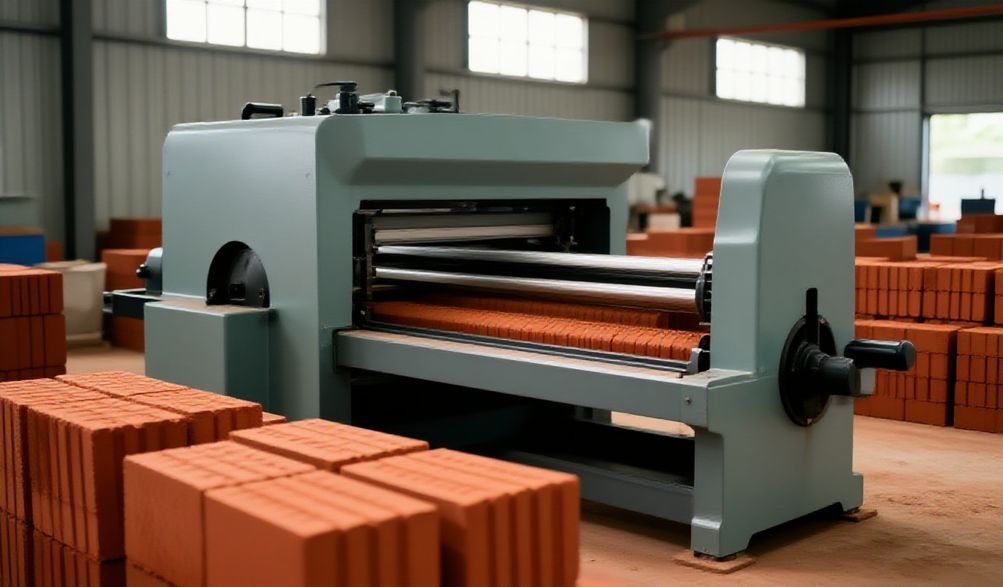
Umuyoboro W'impera w'Imashini Zubaka Amatafari mu Ntara ya Tamil Nadu (2026)
Intangamarara
Umurongo w'ikirere muri Tamil Nadu ni ikimenyetso cy'umuco udakuka uhura n'iterambere ry'icyu gihe. Kuva mu matembera ya kera ya Madurai kugeza kumuyoboro muremure wa IT wa Chennai, amatafari y'ibumba yahoraho, itanga ishingiro ry'uburyo bwo kubaka muri uyu mbuga. Ubu, ubu bwoko bwashyizweho ingufu n'iterambere ridakuka ry'ubwubatsi—imirongo minini y'inganda, gahunda z'ubwubatsi bw'amazu n'iterambere ry'ubucuruzi biri gutuma ibisabwa by'amatafari byiyongera cyane.
Ariko, ku benshi mu bakora ibikorwa no mu banyamwuga, kuzuza ubu bushakashatsi bikoresheje uburyo bwa kera bwo gukora n’amaboko bishobora kuba ingorane zihambaye. Uburyo bwo gukora busaba umusaruro munini w’abakozi, kandi bukomeje kugira ibibazo by’ubwiza butarushyeho, kandi buracyihuta cyane kugirango buhitemo amahirwe yo muri iki gihe. Ibibazo bishoboka mu kugera ku bakozi bafite ubumenyi buhagije, gucunga ibiciro byiyongera, no kurushanwa n’ibigo bihanga bikoresha imashini biriho kandi bikomeye.
Ishyushyu riri mu gukoresha ibikoresho by’ikoranabuhanga mu buhinzi.ibikoresho byo gukora amatafari y'ibumba muri Tamilnadunta byibyo gusa; ari sisitemu y'ubucuruzi ihindura imiterere yashyizweho kugirango ibe ingirakamaro, ikazanye inyungu, kandi ifite ubwiza budashidikanywaho. Iri gushushanya ryakozwe mu bucukuzi bw'ubumenyi bwimikorere byimbitse, igenamigambi ry'ubumenyi bukoreshwa, n'ubumenyi bw'ahantu h'u Tamil Nadu hihariye mu bukungu no mu miterere y'ubutaka, harimo n'uburyo bw'ubutaka bwaho buhagaze. Intego yacu ni ugutanga amakuru ashimishije kandi atizewe wakwizeraho.
Muruyi mugambi wuzuye, uzamenya ibice bitandukanye bya mashini ziboneka, ibintu ngenderwaho byingenzi kwitwararika, uburyo bwo gusobanukirwa abatanga mashini bakomeye mu karere, igenamigambi risobanutse ry’ingengo y’amafaranga yo gushora hamwe n’inyungu zizizwa, ndetse n’ingamba nziza zo gukoresha mashini. Reka dushyireho ishingiro ry’intsinzi yawe.
Kukihe Hamenyereza Igikoresho cyo Kubumba Amatafari mu Ntara ya Tamil Nadu?
Gutanga amafaranga mu mashini yo kubumba amatafari ni umwanzuro mwiza wo gukora ubucuruzi. Mu gihe cy’isoko rya Tamil Nadu rihinduka rihinduka, byahindutse nta kindi ahubwo ari ngombwa kugirango ubucuruzi bukure kandi bukomeze.
Umutekano w’Ubwubatsi muri Tamil Nadu
Impamvu zo kwihutisha iterambere zirabaho kandi zikomeye. Imishinga ya leta nk'urwego rwa Pradhan Mantri Awas Yojana (PMAY) n'imishinga y'ubwubatsi ishimishijwe n'inganda z'igihugu bihanga imirimo ishimishije abantu. Ku gihe kimwe, iterambere ry'ubuhinzi bw'inganda, kwagurika kw'ubwubatsi bwo mu biro, no gutezimbere ibikorwa remezo byo mu mijyi bishimisha abantu ibikoresho byiza by'ubwubatsi.
Ibi biranga inyungu idasanzwe ku bucuruzi bwo mu gihugu. Tamil Nadu ifite ubukungu bwiza bw'ibumba. Gukoresha ibumba bivanze mu gihugu bigabanya cyane ibiciro by'ibikoresho by'inganda, bishobora kugira uruhare mu kugenzura ibikoresho byiza kuva aho bituruka, kandi bikagira uruhare mu iterambere ry'ubukungu mu karere. Ikigo cyo mu gihugu gikora ibikoresho hamwe n'imashini zigezweho kiri mu mwanya mwiza wo kuba umusanzu w'ibikoresho by'inganda ku mirimo iri ku nzira yo kongera.
Byinshi Kuruta Uburyo Bwa Kera Bwo Gukora N’amaboko
Guhindura ukoresha imbaraga z’abantu mu koresha imashini mu bukungu bitanga inyungu ziboneka kandi zihindura imikoranire:
- Ibikorwa by’ubucuruzi byiyongereye cyane.Imashini imwe yitwa semi-automatique ishobora gukora mu isaha imirimo abakozi benshi bashobora gukora mu munsi umwe. Iyi ngero ni ingenzi mu gufata amasezerano manini no kongera ubucuruzi bwawe.
- Ubwiza Bw'ibyatsi Bwiza kandi Bihuje:Imashini zikoresha ingufu zihuje n’ubushobozi mu gukora amatafari. Ibi bituma amatafari agira ubunini bungana, ingufu zo guhanwa zikomeye, imipaka myiza, kandi akaba arafite isura y’umwimerere – ibyo ni ibintu abubatsi n’abashinze bigeneye rwose.
- Kugabanuka Bikomeye mu Biro by’Abakozi no Kwishingikiriza ku BandiNubwo imirimo yo gukora ikiriho, gukoresha abantu benshi b’abakora imyenda mu maboko byagabanutse cyane. Ibi bigabanya amafaranga yo guha abakozi mu gihe kirekire kandi bigabanya ibyago byo kuba abakozi baba bake.
- Gukoresha neza ibikoresho by'ingenzi:Gukoranya mu buryo bwikora no gucukura neza byorohereza kugabanya ikoreshwa ry'ibyuma n'amazi. Ibi ntibigabanije gusa ibiciro by'ibikoresho, ahubwo bikaba bihuza n'uburyo bw'ubukorikori burambye.
- Guhindura Amafaranga Yatsindiwe Bihuse kuri Abikorera:Guhuza umusaruro ukabije, igiciro gito cya buri kigabane, hamwe n’ubushobozi bwo guhaga igiciro cyiza cy’amatafari y’ikirenga, byatumye umusaruro w’amafaranga wakiriye mu gikoresho cyawe wihuta cyane ugereranyije n’imikorere y’abantu ikomeje gukora nta cyihuse.
Ubwoko bw'imashini zikora amatafari y'ibumba ziboneka muri Tamil Nadu
Isoko ritanga ibikoresho by'ubwoko bwose kugirango bikwirane n'ubunini bw'umurimo. Gusobanukirwa ubu bwoko ni intego yambere yo gufata umwanzuro mwiza.
Imashini zikoreshwa n'intoki zo gukora amatafari
These are the entry point into mechanized production.
- Byiza Kuri: Small-scale startups, rural entrepreneurs, self-help groups, or for producing bricks for in-house construction projects with low-volume needs.
- Ibintu by'ingenzi: They are highly affordable, portable (often mounted on wheels), and require no electricity or diesel, making them perfect for areas with unreliable power. Operation relies on human force to compress the clay into molds.
Imashini zituma amatafari zikora mu buryo bwa kabiri
This category represents the most popular choice for small to medium-scale enterprises (SMEs) in Tamil Nadu.
- Byiza Kuri: Growing businesses aiming to supply local builders, housing projects, and the general market consistently.
- Ibintu by'ingenzi: These machines strike an optimal balance. They use mechanical systems, often hydraulic or vibratory, for the critical mixing and compaction processes, while manual intervention is needed for feeding raw material and removing finished bricks. They offer a substantial boost in output and quality over manual machines while remaining relatively affordable to operate and maintain.
Imashini Zikora Amatafari ku Gikoresho cyo Gukora mu buryo Bwikoreye
These are industrial-grade production lines designed for large-scale output.
- Byiza Kuri: Established manufacturers aiming to supply major infrastructure projects, large construction companies, or become regional wholesalers.
- Ibintu by'ingenzi: The process is entirely automated—from feeding raw clay and mixing to molding, curing, and stacking. These plants integrate conveyors, automated pallet systems, and sophisticated control panels. They require a higher initial investment but deliver massive output with minimal manual labor, ensuring the lowest cost per brick at high volumes.
Key Features to Consider Before Buying
Selecting the right machine requires careful evaluation of several technical and practical factors.
Ubushobozi bwo Gukora (Amatafu ku Isaha / ku Munsi)
This is the most critical specification. Industry practice shows that buying a machine with slightly more capacity than your current need is wise, allowing room for growth. Assess your target market, existing orders, and business plan. A machine producing 2,000-3,000 bricks per 8-hour shift might suffice for a local supplier, while a plant supplying a city may need 10,000+.
Brick Type and Size Compatibility
Determine what products you want to sell.
* Amatafari Y'imigano: The standard for most construction.
* Amatafari Y'umwobo: Gaining popularity for their lighter weight and thermal insulation properties.
* Amabuye y'ubutaka: For landscaping and paving applications.
* Amatafari Yumubumbe: Used in certain modern construction techniques.
Ensure the machine supports interchangeable molds. A reputable supplier in Coimbatore or Chennai should offer a variety of standard and custom mold options.
Power Requirement & Operational Costs
Machines come in electric motor or diesel engine variants.
* Umuriro w'amashanyarazi Cleaner, quieter, and generally cheaper to run, but dependent on Tamil Nadu’s industrial power supply and tariff.
* Diesel: Offers complete independence from the grid, crucial for locations with frequent power cuts, but involves fuel costs and maintenance.
Calculate the estimated daily power/fuel consumption to understand your ongoing operational expense.
Durability and After-Sales Service
This cannot be overstated. The machine must be built with robust materials (high-grade steel) to withstand the abrasive nature of clay and continuous operation. Crucially, verify the supplier’s after-sales support.
* Is there a local service center or technician network in Tamil Nadu?
* What is the warranty period?
* Are spare parts readily available? A machine is a long-term asset; reliable service ensures its longevity and your peace of mind.
Top Manufacturers and Suppliers in Tamil Nadu
Navigating the supplier landscape is key to a successful purchase.
How to Identify a Reputable Supplier
Look for these markers of a trustworthy partner:
* Ubuhamya bw'ibikorwa byagenze neza: Several years of operation and a strong client portfolio.
* Physical Presence: A manufacturing unit or service center located in Tamil Nadu’s industrial hubs like Coimbatore (the engineering capital), Chennai, TiruppurcyangwaHosur. This proximity is vital for support.
* Ibyo uvuga bigaragara: Willingness to provide detailed specifications, clear pricing, and client references.
* Service Commitment: A documented warranty and a clear after-sales service agreement.
Leading Local Industrial Hubs
Tamil Nadu’s manufacturing strength is concentrated in specific districts, making them ideal starting points for your search:
* Coimbatore: Renowned as the “Engineering Hub of South India,” it hosts numerous machinery manufacturers with deep expertise in fabrication and automation.
* Chennai: The industrial and commercial capital, with suppliers catering to large-scale projects across the state and beyond.
* Other Districts: Areas like Tiruppur, Erode, and Madurai also have a significant presence of light and medium engineering units.
The Importance of Site Visits and Demos
Never buy based solely on a brochure or website. Insist on visiting the supplier’s workshop. Seeing the machine being assembled or tested builds confidence in their manufacturing quality. Request a live demonstration using clay similar to yours. If possible, ask to speak to one or two of their existing customers in Tamil Nadu. This first-hand feedback is invaluable for assessing performance and service reliability.
The Investment: Cost Analysis and ROI
A clear financial understanding turns an equipment purchase into a strategic investment.
Price Range Overview
Prices vary widely based on type, capacity, automation level, and brand. Here is a broad indicative range (exclusive of GST and transportation):
* Imashini z'ibikorwa by'amaboko:₹ 50,000 kugeza ₹ 2,00,000
* Imitungo Imigendeshwa n'ikiremwamuntu: ₹ 3,00,000 to ₹ 15,00,000
* Ibiribwa Byikora mu buryo Bwihuse: ₹ 20,00,000 and can go significantly higher for large, customized setups.
Calculating Your Return on Investment (ROI)
You can create a simple projection:
1. Calculate Daily Cost: Machine EMI (if financed) + Daily Operational Cost (Power/Fuel + Labor for operation + Raw Clay).
2. Calculate Daily Revenue: (Number of Bricks Produced per Day) x (Selling Price per Brick in your local Tamil Nadu market).
3. Analyze: Daily Revenue minus Daily Cost gives you a rough daily profit. This will help you estimate your payback period. A well-run semi-automatic unit commonly reported by Tamil Nadu-based owners can see an ROI within 1.5 to 3 years, depending on scale and market efficiency.
Government Schemes and Financing
Explore financial support options:
* MSME Schemes: The Government of India and the Tamil Nadu government often have subsidy schemes or credit guarantee programs for manufacturing equipment purchases.
* Bank Loans: Most nationalized and private banks offer term loans for machinery under priority sector lending for MSMEs.
Consult with a local Chartered Accountant or the District Industries Centre (DIC) for the most current and applicable schemes.
Operational Best Practices and Maintenance
Owning the machine is the first step; operating it optimally ensures lasting profitability.
Preparing Tamil Nadu Clay for Optimal Results
Local soil conditions vary. For best results:
* Test Your Soil: A simple sedimentation test can determine the clay, silt, and sand ratio. Ideal brick-making clay typically needs a certain plasticity, which can be adjusted by adding sand (for less plasticity) or finer clay (for more).
* Control Moisture: The moisture content is critical. Clay that is too wet will stick; too dry will not compact properly. The “optimum moisture content” is usually determined by feel and experience—it should hold shape under pressure without oozing water.
* Remove Impurities: Stones, roots, and organic matter must be removed to prevent brick defects and machine wear.
Routine Maintenance Checklist
- Buri munsi: Clean all clay residue from the mold, hopper, and mixing chamber. Check for loose bolts and nuts. Lubricate all moving parts as per the manual.
- Buri cyumweru: Inspect hydraulic hoses and connections for leaks. Check the oil level in the hydraulic tank and engine (if diesel). Tighten any vibratory mounts.
- Monthly: Conduct a thorough inspection of wear parts like mold liners, mixer blades, and compression plates. Replace as needed.
Troubleshooting Common Issues
- Poor Brick Strength: Usually caused by incorrect clay mixture (too much sand), insufficient compaction pressure, or improper curing.
- Bricks Sticking in Mold: Often due to clay being too wet or the mold surfaces not being cleaned and lubricated regularly.
- Surface Cracks: Can result from too-rapid drying (insufficient curing), excessive clay shrinkage, or uneven moisture content in the raw mix.
FAQ: Clay Brick Making Machine in Tamil Nadu
Q1: What is the average price of a clay brick making machine in Tamil Nadu?
A: As outlined above, prices range from around ₹50,000 for basic manual machines to over ₹20 lakhs for fully automatic plants. The final cost depends entirely on capacity, automation, and features. We strongly advise getting detailed quotations from multiple suppliers in Coimbatore or Chennai for an accurate comparison.
Q2: Can I get a machine customized for a specific brick design?
A: Yes, most reputable manufacturers offer custom mold design and fabrication services. You can produce bricks with unique profiles, textures, or interlocking patterns, allowing you to cater to niche architectural markets.
Q3: Is training provided for operating the machine?
A: A trustworthy supplier will always provide comprehensive hands-on training for your operators at the time of installation. Confirm the duration and scope of training before finalizing your purchase order.
Q4: What is the typical lead time for delivery and installation?
A: For standard models, lead time can be 2-6 weeks. For customized machines or large plants, it may extend to 8-12 weeks. Always get a written delivery commitment from your supplier.
Q5: Are there any pollution control norms to follow for a brick kiln/unit in Tamil Nadu?
A: This is a crucial compliance question. Brick manufacturing units, especially if using kilns for firing, are subject to regulations. You must consult the latest guidelines from the Tamil Nadu Pollution Control Board (TNPCB). The norms cover emissions, water usage, and general environmental management. Ensuring your entire production process is compliant from the start is essential for lawful and sustainable operation.
Ibyo byose
Investing in the right clay brick making machine in Tamilnadu is a decisive step toward modernizing your production, capturing a share of the state’s construction boom, and building a sustainable, profitable enterprise. It moves you from a cycle of manual limitations to a platform of scalable, quality-driven growth.
The future points towards even greater efficiency and sustainability, with trends like energy-efficient motors, recycling of waste materials, and improved curing technologies gaining ground. As you move forward, let this guide serve as your foundation. Conduct thorough research, prioritize suppliers with demonstrated ubuhanga and local ubuhanga, and always base your decisions on verified data and firsthand evaluations.
Ready to take the next step? Begin by shortlisting verified suppliers from Tamil Nadu’s industrial hubs, schedule site visits, and get detailed proposals tailored to your business vision. Your journey to becoming a leading brick supplier in Tamil Nadu starts with this informed decision.
<