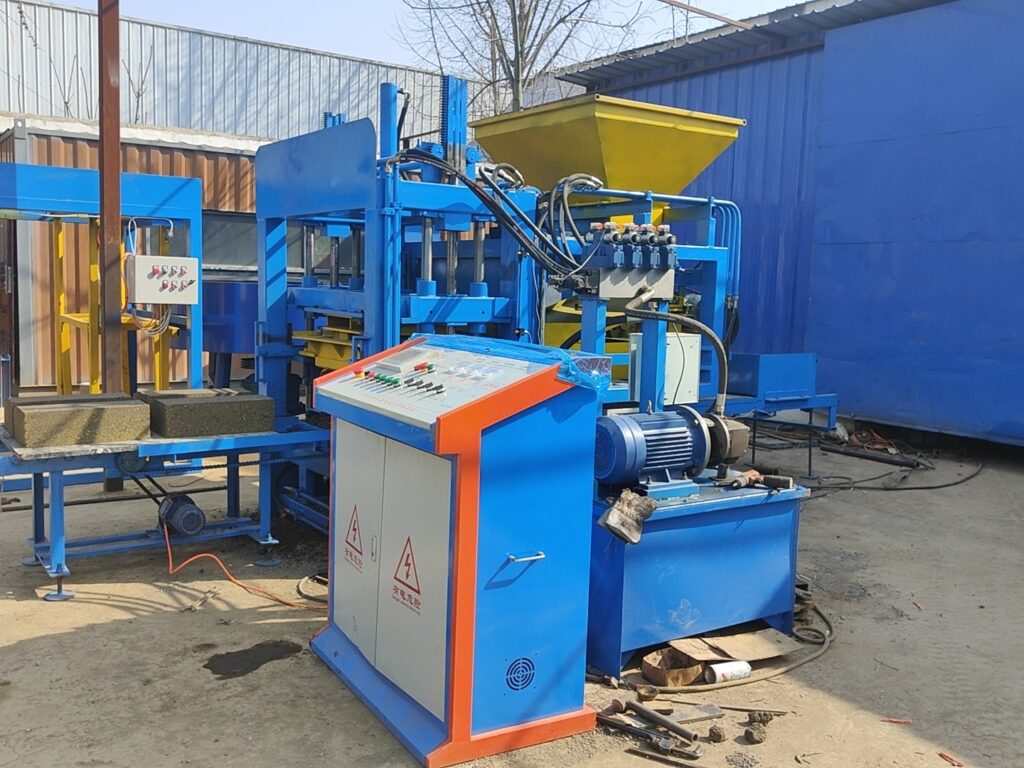
Inzigo y'Ubushakashatsi ku Biciro bya Machine z'ibyumba n'Imiterere yazo
1. Impamvu Nyamukuru Zihariye mu Gucunga Ibikoresho byo Gukora Amatafari
Igiciro cyanyuma cya mashini ni igiteranyo cy'ibintu byinshi by'ubuhanga n'ibisobanuro by'isoko. Gusobanukirwa ibi bishobora gutuma abakiriya bigishwa neza kandi bigafasha gusobanura ibiciro.
- Ubugenge Butangiza n'Urugero rw'Imikorere ya RobotikiIyi ni ingaruka nyamukuru y’igiciro. Ubwenge bwa sisitemu yo gutwara – umusumari w’amaboko, umuvuduko w’umashini, ukanyagwa kwa hydraulic, cyangwa sisitemu za electro-hydraulic zikorwa n’ordinaterere – bihuza neza n’igiciro. Koreshwa ry’ibikoresho by’ikoranabuhanga mu gutanga ibikoresho, mu gukora imikorerere y’ibimenyetso, no gushyira hejuru ibikozwe bishyirwa mu nkingi byongerera ibiciro ariko kandi byongera cyane umusaruro no gukomeza.
- Ubushobozi bwo Gukora n’Ibisobanuro by’IbikorwaIgiciro kiyongera igihe umuvuduko w’ubukoroni urushijeho kuba wihuse. Ubushobozi bw’imashini, bupimwa mu mabara ku isaha (BPH) cyangwa mu myanya yo gukora, ni kimwe mu bipimo by’ingenzi. Kuba umusaruro wiyongereye bisaba moteri zifite imbaraga zihagije, imashini zikomeye, ibintu bikomeye bikoreshwa mu gukora, n’uburyo bworoshye bwo gutwara ibikoresho, byose bigatuma ibiciro by’ibikorwa byiyongera.
- Ubwiza bwo Gukora no Gutoranya IbikoreshoUbwiza bwa zahabu, ukwemerera kw’ibikoresho bya mashini, ikirango n’ubukomezi bw’ibikoresho bya hydraulique (sylindres, pompes) n’ibikoresho bya elegitoroniki (PLCs, sensors) ni ngombwa cyane. Imashini zishyizweho ibikoresho by’ikirenga, bituruka mu bihugu bitandukanye ku isi, zirushaho kuba agaciro kurusha izikoresha ibikoresho byoroheje cyangwa ibitari byizewe.
- Ubushobozi bwo guhindura n’ubushobozi bwo kwihutishaIgikoresho cy’ibanze gikora ubwoko bumwe bw’ibyatsi bisanzwe bihendutse kuruta igikoresho gikora imirimo myinshi gishobora gukora amatafa yihuza, amatafa y’inzira, amatafa y’ibyatsi bifite imyanda, n’amabuye y’inzira binyuze mu sisitemu yo kuvunja imyubakire byihuse. Gukora ibikoresho bisanzwe kugirango bikoreze ibikoresho bisanzwe (urugero: ivu ry’umuriro, ibyatsi byinshi byakozwe) bina n’ingaruka ku giciro.
- Ubusabane nyuma yo kugurisha n'Ubusobanuro bw'IngwateIgiciro cyavuzwe rimwe na rimwe gishobora kuba cyarimo n'icyifuzo cy'umucuruzi cyo gutanga serivisi. Imashini ifite amahugurwa yuzuye, ibitabo by'umwimerere byuzuye, ibikoresho byinshi bya spare parts bizewe, n'igihe cy'ingwate kinini, izagurishwa ku giciro cyo hejuru kuruta iyo imashini gusa yagurishwa. Ibi bitera igiciro cyose cyo kugira icyo ufite kugerwaho n'umukiriya.
2. Ubushakashatsi bw’Icyiciro cy’Igiciro: Kuva mu Gukoresha mu Buryo bwa Gakondo kugeza mu Gukoresha mu Buryo bwa Robot
Isoko irashobora kugabanywa mu bice bitandukanye, buri gice kigira urutonde rw’amafaranga rwarwo n’icyo kigurisha.
- Tier 1: Manual and Semi-Manual Presses
- Igiciro: This tier occupies the lowest cost segment, often ranging from a few hundred to a few thousand dollars.
- Technical Profile: Relies on human labor for mixing, feeding, and compression (via levers or small hydraulic jacks). Output is low (typically 100-500 BPH) and dependent on operator skill and endurance.
- Target Market & Value for Resellers: Ideal for micro-enterprises, community projects, and very small-scale start-ups in regions with low labor costs. For distributors, this tier offers a high-volume, entry-level product with fast inventory turnover. It serves as a gateway to build client relationships.
- Key Cost Factors: Material (steel) quality, mold durability, and the inclusion of basic accessories.
- Tier 2: Static Egg-Laying and Small Vibrator Machines
- Igiciro: This is the mid-range market, with prices scaling from several thousand to tens of thousands of dollars.
- Technical Profile: These are electrically powered machines that use vibration and pressure to compact bricks in a stationary mold (static) or on a pallet that moves (“egg-layer”). They may include simple conveyors or hoppers. Output ranges from 1,000 to 5,000 BPH.
- Target Market & Value for Resellers: The core market for SMEs and growing block yards. These machines offer a significant productivity leap over manual options. They represent a high-margin segment where distributors can provide significant value through technical support and parts supply.
- Key Cost Factors: Motor power, vibration system quality, level of mechanization in material feeding, and robustness of the frame and mold carriage system.
- Tier 3: Fully Automatic Stationary Production Lines
- Igiciro: This is a premium investment, ranging from tens of thousands to several hundred thousand dollars.
- Technical Profile: These are integrated systems featuring automated batching, mixing, conveying, high-pressure hydraulic compression, curing stackers, and sophisticated control panels. Output can exceed 10,000 BPH with minimal manual intervention.
- Target Market & Value for Resellers: Targeted at established industrial block manufacturers, large construction firms, and government-backed housing initiatives. Selling at this tier transforms the distributor from a parts supplier to a strategic project partner, involving higher stakes but also longer-term, more profitable relationships involving installation and maintenance contracts.
- Key Cost Factors: Degree of automation, number of robotic elements, sophistication of the control system, and the inclusion of ancillary equipment like automatic pallet feeders and stackers.
3. The Total Cost of Ownership (TCO): A Critical Sales Framework
The most effective sales strategy shifts the conversation from initial purchase price to TCO.
- Initial Investment vs. Long-Term Expense: A cheaper machine may have higher long-term costs due to frequent breakdowns, high energy consumption per block, greater material waste, and significant labor requirements.
- Calculating TCO for the Client: Guide clients to consider: 1) Machine Purchase Price, 2) Installation & Commissioning Costs, 3) Energy Consumption, 4) Labor Costs per Block, 5) Estimated Maintenance & Parts Costs per year, and 6) Expected Lifespan and Residual Value.
- The Productivity Premium: A machine costing 50% more but producing 300% more output with 30% less labor and waste offers a vastly superior TCO. Demonstrating this through simple calculations is a powerful closing tool.
4. Strategic Pricing Communication for Distributors
How price is presented is as important as the price itself.
- Avoiding “Sticker Shock”: Present pricing within the context of the business opportunity. Lead with output capacity and potential ROI, not the dollar figure.
- Tiered Proposal Packages: Create clear packages for each tier (e.g., “Basic Production Package,” “Growth Optimizer Package,” “Industrial Line Package”) that bundle the machine with recommended accessories, initial spare parts, and service plans. This adds value and frames the price as a complete solution.
- Emphasizing Support Value: Clearly articulate how your company’s premium—in terms of local parts stock, technician training, and warranty response—protects the client’s investment and ensures uptime, justifying a price point above that of an import-only vendor.
Conclusion: Price as a Function of Strategic Business Development
The question of cost for a brick making machine is, in its essence, a question about the client’s business future. For the astute distributor, it is an opportunity to engage in strategic consultancy. By mastering the intricate link between a machine’s specifications, its price category, and the total cost of ownership, resellers can do more than just sell equipment; they can enable successful businesses. The goal is to match the technological solution to the market ambition, ensuring that the investment becomes a catalyst for growth, not a burdensome expense. In a competitive marketplace, the distributor who expertly navigates and elucidates the “how much” question by focusing on “how much value” will secure not only sales but also lasting partnerships.
Frequently Asked Questions (FAQ) for Business Clients
Q1: Why is there such a massive price difference between machines that seem to make the same brick?
A: The difference lies in “how” the brick is made and at “what scale.” A manual press requires constant labor for low output. An automatic line uses precision hydraulics, consistent vibration, and robotic handling to produce thousands of identical blocks per hour with minimal labor. The price disparity reflects the investment in engineering, durability, automation technology, and production capacity. It’s the difference between a tool and an industrial manufacturing system.
Q2: What are the typical “hidden costs” our customers should budget for beyond the machine price?
A: A comprehensive budget must include: Foundation and Installation (for larger machines), Power Connection (potential need for transformer or upgraded electrical lines), Raw Material Handling Equipment (e.g., forklifts, loaders, conveyors), Initial Spare Parts Inventory, Operator Training, and Curing Space/Storage infrastructure. Providing clients with a pre-purchase checklist builds trust and prevents project delays.
Q3: How does the choice of raw material (soil, cement, fly ash, etc.) impact the type of machine needed and its price?
A: Material dictates the required compression force and compaction method. A lightweight aggregate block might require different vibration settings than a dense clay-cement mix. Machines optimized for specific material ranges may have specialized feed systems or mold designs. Communicating the intended raw mix to the supplier is crucial for selecting the right machine, ensuring optimal performance and avoiding undue wear, which impacts the long-term effective price.
Q4: Is financing or leasing equipment a common option in this industry, and how does that affect the price discussion?
A: Yes, for mid-to-high-tier equipment, financing is common. This shifts the discussion from total capital outlay to affordable monthly payments based on projected cash flow. It allows clients to invest in a higher-productivity machine sooner. Distributors who can facilitate or partner with financing options make higher-tier equipment more accessible and can structure the “price” as a monthly operating expense linked to production revenue.
Q5: What is the single most important performance metric to correlate with price when comparing machines?
A: While output (blocks/hour) is key, the most correlated metric is “Cost per Produced Block” over the machine’s lifespan. This calculation factors in the purchase price, energy, labor, maintenance, and expected brick yield. A machine with a higher initial price but a lower long-term cost per block due to efficiency, speed, and durability represents the superior economic choice. Guiding clients to this analysis is the hallmark of a value-driven supplier.