
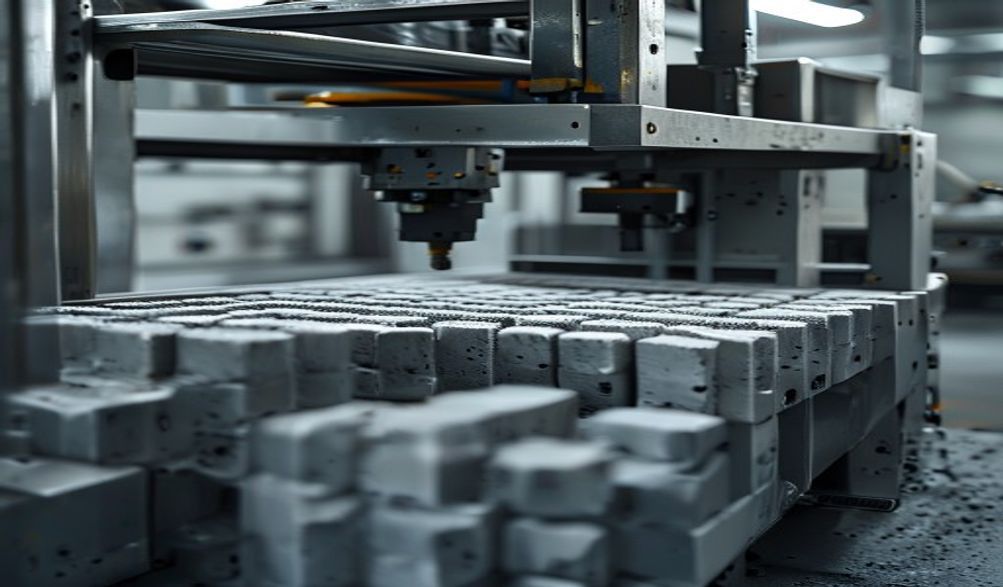
Uburyo bwo Guhitamo Mashini Ikora Amatafari & Amatafari: Uburyo bwa 2026 bwo kugura nk'Umuhanga
Intangamarara
Guhitamo mashini ikora amatafari n’amacenge ntabwo ari ugura gusa; ni ishoramari rikomeye mu ejo hazaza bw’ubucuruzi bwawe bw’ubwubatsi cyangwa umushinga wawe. Mashini ikwiye iba moteri y’inyungu zawe, igenga ubuziranenge bw’ibikomoka, imikorere myiza, n’ubushobozi bwo guhaza ibyo abakiriya basaba. Ariko, guhitamo nabi bishobora kuvamo guhagarika imirimo bikabije, ibisubizo bitahoranye, no gucika imbaraga mu bikoresho.
Gufata iyi nama birashobora kugora cyane. Hagati y’amagambo y’ubuhanga, imiterere itandukanye y’ibikoresho, n’ibiciro biva ku bihumbi bike kugera kuri milyoni nyinshi, biroroshye kurwara. Iki gitabo kigabanya ubusobanuro. Gihimbwe n’ubumenyi bw’imyaka myinshi mu nganda, ubwenge bw’ubuhanga, n’isesengura ry’isoko rigezweho, intego yacu ni ukuguha inama z’ukuri n’ibikorwa.
Tuzagaragariza inzira, tuyigabanye mu bice.uburyo bwo guhitamo imashini ikora amatafari y’amabatiromubice byiciro bisobanutse kandi byumvikana. Igihe cyose utangiye, uzaba ufite umurongo wagutse wo gusuzuma ibyo ukeneye, kugereranya amahitamo, no guhitamo imashini izakugeza ku nyungu zirambye kandi ikagushoboza kugera ku ntsinzi y'igihe kirekire.
Gusobanukirwa Ibisabwa Byawe By'ingingo: Ishingiro Ry'Ihitamo Ryawe
Mbere y’uko ureba agatabo k’imashini imwe n’imwe, ugomba kwitegereza imbere. Imiterere yawe yihariye ni ishingiro ridashobora guhuzwa n’ikindi cy’icyemezo. Gusimbuka iki cyiciro ni ikosa rikunze kuboneka kandi rihenze abaguzi bakora.
Ingano y’Umushinga n’Ibyo Bikenerwa mu Bikorwa bya Buri Munsi
Ibyo usabwa gukora bigena ubunini n'ubwoko bw'ibikoresho. Kora ibintu by'ukuri cyane.
- Shyiramo Ibisubizo BikeneweNtukekere. Ukeneye ingirangingo zingana iki ku munsi kugira ngo wuzuze amategeko yawe cyangwa gahunda ya porogaramu? Shyiramo akanya ko kwiyongera.
- Menya Ubunini bw'Ibikorwa Byawe
- Gato / GutangizaKugeza ku 1,000 bloki ku munsi. Akenshi ni imashini zikoreshwa intoki cyangwa izikora gusa.
- Umushinga Ukomeye / UhagurukaKuva ku 1.000 kugeza 10.000 by'amabati ku munsi. Busanzwe ni imashini zihagaze neza, zikora ubwazo cyangwa zikora by'imana.
- Ibikorwa By'inganda Bikomeye: 10,000+ blocks per day. Requires high-end, fully automatic production lines with palletizing systems.
Types of Blocks & Bricks You Plan to Produce
The product defines the process. Machine capabilities vary widely.
- Ubwoko bw'ibicuruzwa bwa rusange: Solid concrete blocks, hollow blocks (varying cavity percentages), interlocking blocks (for dry-stack construction), paving slabs, fly ash bricks, and compressed earth blocks (CEB).
- Critical Specifications: Know your required final dimensions, compressive strength (density), and surface finish quality. A machine perfect for rough hollow blocks may be unsuitable for smooth-faced paving stones.
Ibikoresho bisanzwe bihari
Your local materials are a key design constraint. The machine must be engineered to handle them effectively.
- Material Types: Portland cement, aggregates (crushed stone, gravel), sand, industrial by-products (fly ash, slag), or soil (for CEB machines).
- Machine-Material Fit: The properties of your mix—particle size, moisture content, cohesiveness—directly influence the required machine technology. For example:
- A stiff, low-slump concrete mix needs high vibration frequency and pressure.
- Soil for CEB requires immense static compression with little to no vibration.
Types of Block Making Machines: Mechanisms and Applications
Now, with your needs defined, we explore the solutions. Understanding these categories demonstrates the core technologies available.
Imashini z'Abantu, z'Igikoresho cya Kabiri, na z'Igikoresho cyuzuye
This spectrum balances capital investment with labor costs and output.
- Imashini z'ibikorwa by'amaboko: Operated entirely by hand (filling, compacting, ejecting). Very low cost but low output and labor-intensive. Ideal for micro-enterprises or very remote locations with no power.
- Imitungo Imigendeshwa n'ikiremwamuntu: The sweet spot for many. Key processes like vibration and compression are powered, but mold filling and block removal may be manual. Offers excellent balance of output (500-3,000 blocks/day), affordability, and flexibility.
- Imashini Zikora Byikoresho Zishobora Kwikorera Ubwabyo. Entire process is automated via PLC controls. High output (5,000-20,000+ blocks/day), consistent quality, and minimal labor. Highest upfront cost and requires stable power and more technical oversight.
Ibikoresho bikora amatafari bihagaze vs. ibikoresho bikora amatafari bigenda
This is about the location of your production.
- Imashini Zihagaze Installed in a fixed factory setting. They require a solid foundation and are part of a production line (mixer, conveyor, curing area). They offer the highest stability, precision, and output for centralized production.
- Mobile Block Machines (e.g., “Egg-Laying” Types): These machines produce blocks directly on the ground at the construction site, moving as they go. They eliminate block transportation costs. Ideal for large, on-site projects like housing developments or perimeter walls. Output is generally lower than high-end stationary models.
Key Operating Principles: Vibration & Compression
These are the core physics that form a strong block.
- Ubunebwe: High-frequency vibration tables are used to consolidate the concrete mix, removing air pockets and ensuring the mold is completely filled. This is critical for density and strength.
- Gukanya Hydraulic rams apply immense pressure (measured in tons or kN) to the mix, further compacting it. In some machines (like CEB presses), compression is the primary forming force. The combination of optimal vibration and pressure is what creates a high-quality, dimensionally accurate block.
Critical Technical Specifications to Evaluate
With a shortlist of machine types, you must now scrutinize the technical details. This is where authoritative knowledge separates good buys from bad ones.
Cycle Time and Production Capacity
Beware of optimistic “blocks per hour” claims.
- Igihe cyo gukora This is the total time to fill, compact, mold, and eject one batch of blocks. A shorter cycle time means higher potential output.
- Realistic Capacity: Manufacturer claims often assume perfect conditions. Deduct 15-20% for real-world factors like mold changes, maintenance breaks, and material handling. Always ask for the proven, sustainable daily output.
Mold Customization and Changeover Flexibility
Your ability to adapt to market demands hinges on this.
- Interchangeable Molds: Ensure the machine supports easy mold changes to produce different block types (e.g., switching from a 4″ hollow block mold to a paving stone mold).
- Changeover Time: How long does it take? A complex, 4-hour process kills productivity. Look for systems with quick-clamp or bolt-on mold designs.
- Ubwiza bwa Moule: Molds are wear items. Check the steel grade and hardening process. Cheap molds wear quickly, leading to out-of-spec blocks.
Machine Power and Energy Consumption
Understand the long-term operational costs.
- Inkomoko y'ingufu: Electric motors are cleaner and quieter for fixed plants. Diesel engines offer independence from the grid for mobile or remote operations.
- Total Connected Load: Calculate the total kW requirement of the machine, mixer, and conveyors. Ensure your site’s electrical infrastructure can support it.
- Ubushobozi bwo Gukoresha Ingufu: A machine with a well-designed hydraulic system will use less power per block, saving significant money over its lifetime.
Key Components Quality
The brand and quality of core components are a proxy for machine longevity.
- Umutwe & Imiterere: Look for heavy-duty, welded steel construction, not bolted light-gauge metal.
- Sisitemu ya Hydraulique: Reputable pump, valve, and cylinder brands (e.g., Bosch Rexroth, Parker, Yuken) are a good sign. Ask about hydraulic oil cooling.
- Sisitemu yo Gutengurwa: Enclosed, oil-bath vibrator motors last longer than exposed ones. Check the bearing quality.
- Sisteme yo Gucunga For automatic machines, a user-friendly PLC (Programmable Logic Controller) from a known brand (Siemens, Mitsubishi, Allen-Bradley) ensures reliability and easier troubleshooting.
Beyond the Machine: Total Cost of Ownership & Supplier Viability
The cheapest machine can become the most expensive. True trustworthiness comes from planning for the entire machine lifecycle.
Analyzing Initial Cost vs. Long-Term Value
The purchase price is just the entry ticket.
- Hidden Initial Costs: Factor in shipping, import duties (if applicable), installation, commissioning, and operator training.
- Operational & Maintenance Costs: Budget for spare parts (molds, springs, hydraulic seals), regular lubrication, and preventive maintenance. A machine with 30% lower parts costs over 5 years is a better value than a slightly cheaper competitor.
The Importance of After-Sales Service & Technical Support
When the machine stops, your business stops. Support is not an add-on; it’s a core part of the purchase.
- Availability: Are there service engineers in your region? What is the average response time?
- Documentation: Clear operation and maintenance manuals in your language are essential.
- Ibiganiro: Does the supplier offer comprehensive training for your operators and maintenance staff?
- Warranty: Scrutinize the terms. What is covered (parts, labor)? For how long? What voids it?
Verifying Supplier & Manufacturer Credentials
Do your due diligence on the company behind the machine.
- Company History: How long have they been in business? A long track record generally indicates stability.
- Client Portfolio & References: Ask for contact information for past clients in a similar situation to yours. Call them.
- Factory Visit or Live Demo: If possible, visit the factory to see build quality. At minimum, insist on a live video demonstration of the exact model you’re considering, producing blocks from raw material.
A Step-by-Step Decision Framework
Let’s synthesize everything into a practical, actionable plan. Follow these steps methodically.
- Define: Document your core requirements from Section 1: production volume, product types, and raw materials.
- Shortlist: Based on your definition, identify 2-3 suitable machine types (e.g., semi-automatic stationary, fully automatic mobile) from Section 2.
- Compare: Obtain technical specs for specific models from different suppliers. Compare them head-to-head using the criteria in Section 3 (cycle time, mold system, component brands).
- Request: Get detailed, written quotes from at least three shortlisted suppliers. Ensure they include ALL costs: machine, shipping, installation, and initial spare parts kit.
- Evaluate: Vet the suppliers as outlined in Section 4. Check references, review warranty and support contracts, and negotiate final terms.
- Make: Finalize your decision based on the best total value, not just the lowest price. Proceed with confidence.
Bibazo Byinshi Byibazwa (FAQ)
Q: What is the average cost of a block making machine?
A: There is no single “average.” Prices range from around $3,000 for a basic manual machine to over $300,000 for a high-capacity, fully automatic production line. The right question is: “What is the long-term value and return on investment for a machine that meets my specific needs?”
Q: Can one machine produce different types of blocks and bricks?
A: Yes, most machines can, but with a crucial caveat: you need interchangeable molds. The ease and speed of changing molds varies greatly. Semi-automatic machines may take 30 minutes, while advanced automatics might change over in 5-10 minutes.
Q: How much space and what foundation is needed for the machine?
A: It varies by size. A small semi-automatic machine might need a 10m x 10m covered area with a 150mm thick reinforced concrete floor. Large stationary lines require a full factory building with a very strong, perfectly level foundation (often 300mm+ thick concrete). Always follow the manufacturer’s foundation drawing precisely.
Q: What are the most common maintenance issues?
A: Wear and tear on consumable parts is most common: mold liners wearing out, hydraulic hose or seal failures, springs losing tension, and vibrator motor bearings failing. The #1 prevention is diligent daily cleaning and lubrication as per the manual.
Q: Is it better to buy a new or used block making machine?
A: For most buyers, new is safer. You get the latest technology, a full warranty, and manufacturer support. Buying used can offer savings but carries risks: hidden wear, obsolete controls, and no support. Only consider used equipment if you are mechanically expert or can hire an independent technician for a thorough inspection.
Ibyo byose
Choosing the right block making machine is a strategic decision that balances your unique production needs, financial constraints, and a partnership with a reliable supplier. It’s an investment that deserves careful due diligence.
We encourage you to use the framework and insights in this guide as your roadmap. Take your time, ask detailed questions, and verify every claim. The effort you put into research now will pay dividends for years to come.
Your logical next step is to begin applying this knowledge. Define your requirements clearly, then reach out to reputable suppliers with those specifics in hand. Request detailed catalogs and quotations for comparison.
Making a well-informed choice leads to a powerful outcome: an efficient, profitable production line that consistently delivers high-quality blocks, building the foundation for your success, one brick at a time.
<