Inshinga yo Gutezimbere Imikoreshereze y’Imodoka mu Gukora Amatafari
Intangamarara
Mu rwego rw'ibikoresho byo gukora amatafari, itandukaniro hagati ya mashini zikora mu buryo bwikora n'izikoreshwa n'abantu, rirengera cyane gato aho guhitamo uburyo bwo gukora; ahubwo risobanura uburyo bwose bwo gukora ubucuruzi, ubushobozi bwo kwagura, no gushyiraho ahagaragara mu isoko ishusho y'inganda zikora.
Guhagarara ku Buryo Bwo Gukoresha: Kuva ku Mbaraga z'Abantu Kugeza ku Sisitemu Zikora Zihagaze
Guhuriza imashini z'ibyatsi bishyashya bishobora gusobanukirwa neza nk'umurongo w'ibikorwa bya robotiki, aho abantu bahita bagira uruhare muri ibyo bikorwa bigenda bigabanuka bitewe n'ubushobozi bw'imashini n'ibikoresho bya elegitoroniki.
- Imashini z'ibyatsi z'ibumba zikoreshwa n'abantu: Umurimo w'abantu nk'umuyoboro mbanzirizagikorwa.
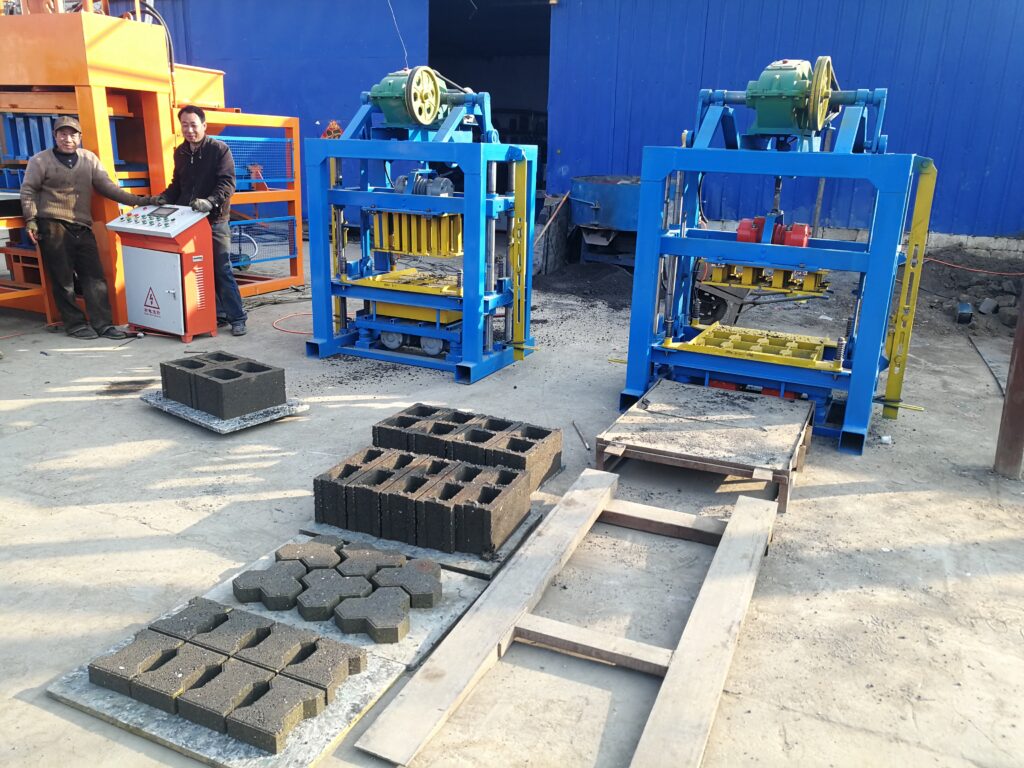
- Izi ni ibikoresho by'imitunganyirize ishingiye ku ngufu z'umubiri w'umuntu no kuzishyira mu bikorwa buri uko bigenda. Umukoresha afite inshingano zo gutanga ibikoresho by'ingenzi mu ishusho, gukoresha umugongo cyangwa sisitemu y'uruvunge kugirango akoreshe ingufu zo gushishira hamwe, hanyuma akura amatafari yashushanyije atanze akayashyira mu buryo bwo kubika. Umashini ubwayo nta mbaraga zihagaze zifite ubushobozi bwo gukora imirimo y'ingenzi. Uburyo bose bwo gukora, ubwiza buhuje, n'umusaruro bigenwa neza n'ubuhanga, ingufu, no kwihangana k'umukoresha.
- Imashini z'ibyatsi z'ubwoko bwa Semi-Automatiki: Inkomoko yo Guhindura Ubwoko
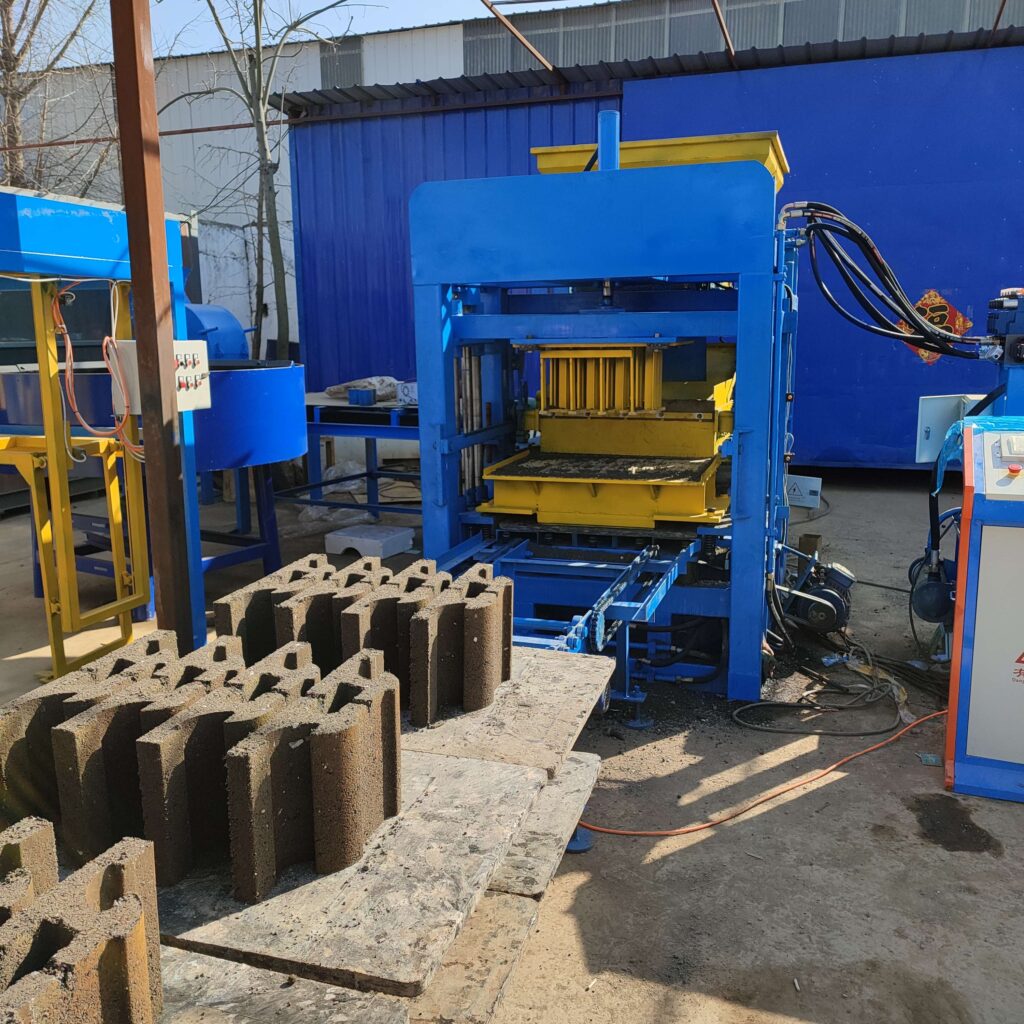
- Iyi gatsiko yerekana ingufu zikoreshwa mu mashini mu gice gikomeye cy’ikorana ry’ibikoresho – gushishura – bikunze gukorwa n’umuyoboro w’amashanyarazi udindiza pome ya hydrolike cyangwa mashini ishishura. Umukoresha ntiyongera gutanga ingufu, ahubwo akaba akurikira uko ibikorwa bikora. Yitwaza ibikoresho mu mashini (cyangwa mu gashishura gato), kandi akunze gutangiza gushishura akoresheje buto cyangwa icyuma. Nyuma, mashini ikora ibikorwa byo gushishura no gusohora ibikoresho mu buryo bwikora. Umukoresha aracyagumana uruhare rukomeye mu gutwara ibikoresho, gushyiraho ibyuma byo gushyiramo (niba bikoreshwa), no gusohora amatafari. Iyi nzego itanga urwego rw’impinduka, igabanya ibibazo by’umubiri mu gihe ikagumana ibiciro bitangiza nto kuruta ubwikorezi bwuzuye.
- Imashini z'ibumba zikora mu buryo bwikora: Sisitemu yihariye y'ubwikorezi
- Ayo ni sisitemu z’imikorere zuzuye aho ubutabazi bw’umuntu burambuye mu kugenzura, gushishikariza no kugenzura ibikorwa bya buri munsi. Zihuza ibice byinshi by’imikorere by’imashini:
- Gutanga Ibikoresho mu buryo Bwikora:Kuva mu bice byo hejuru binini bishobora gutanga ibintu bigendeshwa mu nzira z'ubutaka cyangwa mu bice byo gutanga ibintu.
- Guhindura Imikorere y’Amapaletiki mu buryo bwikora:Sisitemu y'umuzingo ufunga yinjiza ibapaki mu mashini yo gukanyaga, irabishyira mu buryo bukwiye, kandi ikazana ibapaki byuzuye.
- Kontrole Ihinduraguhamagara:PLC igenga umuzingo wose wuhuza hamwe—kuzuza, gutera, gusohora, no gusongeraho—akenshi umukozi umwe akurikirana uhereye kuri pannele y'ikorana.
- Gukora ku Bicuruzwa mu buryo Buzengurutse:Abashyushyi b'amabuye y'ubugingo, amaboko ya roboti, cyangwa imiyoboro y'ibikoresho bigezweho biganisha amatafari y'icyatsi aho yubakirwa.
- Umunyamabanga ukora akora uhinduka umuyobozi w'ibikoresho n'umuyobozi w'igikorwa.
- Ayo ni sisitemu z’imikorere zuzuye aho ubutabazi bw’umuntu burambuye mu kugenzura, gushishikariza no kugenzura ibikorwa bya buri munsi. Zihuza ibice byinshi by’imikorere by’imashini:
Ubusobanuro Bugenewe Ibintu Binyuranye: Isuzuma Ryibanga Ryinshi
Guhitamo hagati y'iyi mihurire birimo kugira ibyiza n'ibibi ku bice by'ingenzi by'ubucuruzi n'ibikorwa.
- Ukeneye Abakozi n’Ubumenyi Bakeneye
- Imyitozo:Ubunini bw'umurimo. Bakeneye abakozi benshi batarabonye amahugurwa cyangwa bafite ubumenyi buke kugirango bakore neza. Imikorere y'umurimo ihurirana n'ubunini bw'itsinda n'ubushobozi bwo gukora umurimo.
- Ibikoresho bigendeshwa n’umuntu: Reduced physical labor but still requires consistent operator attendance. May need 1-2 operators per machine for feeding and product handling. Basic machine operation skills are needed.
- Byakoreshejwe mu buryo bwikora: Drastically reduced direct labor. A single skilled operator can oversee multiple machines or an entire line. The required skill set shifts towards basic mechatronics, PLC interface literacy, and preventative maintenance.
- Production Capacity and Output Consistency
- Imyitozo: Very low and highly variable output (e.g., 200-500 bricks per 8-hour shift, per machine). Consistency in brick weight, density, and dimensions depends entirely on the operator’s consistent technique, which is difficult to maintain.
- Ibikoresho bigendeshwa n’umuntu: Moderate and more stable output (e.g., 800-2,500 bricks per 8-hour shift). The machine ensures consistent compaction pressure and cycle time, but variations in manual feeding can still cause some product variance.
- Byakoreshejwe mu buryo bwikora: High and extremely consistent output (e.g., 3,000-15,000+ bricks per 8-hour shift). The automated, repetitive cycle guarantees near-identical product quality for every unit, batch after batch. Output is predictable and scalable.
- Initial Capital Investment and Operational Economics
- Imyitozo: Very low initial capital outlay. The primary cost is the machine itself. However, the cost-per-brick is high when factoring in intensive labor costs and low output.
- Ibikoresho bigendeshwa n’umuntu: Moderate capital investment. Offers a favorable balance for small to medium enterprises (SMEs) by increasing output without a quantum leap in price. Operational costs include power and moderate labor.
- Byakoreshejwe mu buryo bwikora: High initial capital investment. However, the cost-per-brick is typically the lowest in the long run due to high output, minimal labor costs, and optimized material use. Justification is based on volume and return on investment (ROI) calculations.
- Product Quality and Technological Sophistication
- Imyitozo: Quality is artisan-like and variable. Suitable for niche, non-standardized products but risky for contracts requiring strict adherence to engineering specifications.
- Ibikoresho bigendeshwa n’umuntu: Good and reliable quality for standard bricks. Capable of meeting common commercial standards, as key parameters are machine-controlled.
- Byakoreshejwe mu buryo bwikora: Excellent and precise quality. Essential for high-specification products like precision interlocking pavers, engineered masonry units, or where certification (e.g., ASTM, ISO) is required. Often includes data logging and quality monitoring features.
Strategic Selection Criteria for Client Advisory
Choosing the appropriate level of automation is a strategic decision. Key client assessment points include:
- Market Demand and Project Scale
- Is the client supplying a local, small-scale housing project (favoring semi-automatic) or bidding on large infrastructure contracts requiring guaranteed, high-volume supply (necessitating fully automatic)? The scale and consistency of demand are primary drivers.
- Capital Availability and Investment Horizon
- What is the client’s access to finance? A manual/semi-automatic machine can be a bootstrapping tool to generate capital for future automation. A fully automatic line requires significant upfront capital but a faster ROI if the market is ready.
- Local Labor Costs and Skill Availability
- In regions with low labor costs and limited technical training, semi-automatic machines may offer the most practical economic balance. In high-wage economies or areas with a skilled technician base, the labor-saving calculus strongly favors full automation.
- Business Growth Trajectory and Scalability
- A semi-automatic machine can be a starting point. Some systems are designed to be “automation-ready,” allowing for the later addition of pallet circulators and auto-feeders. Fully automatic lines are the end-state for scalable, industrial production.
The Hidden Considerations: Beyond the Purchase Price
- Infrastructure and Utility Requirements
- Imyitozo: Requires minimal infrastructure—a flat, sheltered space.
- Ibikoresho bigendeshwa n’umuntu: Requires a reliable electrical connection of moderate power.
- Byakoreshejwe mu buryo bwikora: Demands robust three-phase electrical supply, significant floor space for the production line and curing area, often compressed air, and a stable concrete foundation.
- Maintenance Complexity and Downtime Risk
- Imyitozo: Simple mechanical maintenance; low skill required. Downtime has limited financial impact.
- Ibikoresho bigendeshwa n’umuntu: Requires basic hydraulic and electrical troubleshooting skills.
- Byakoreshejwe mu buryo bwikora: Demands advanced preventative maintenance schedules and access to technical support for PLCs, sensors, and complex mechanical systems. Unplanned downtime is very costly, making service agreements crucial.
- Flexibility and Changeover Time
- Imyitozo: Highly flexible for custom one-off products; changeover is instant.
- Ibikoresho bigendeshwa n’umuntu: Relatively easy mold changeovers; good for short production runs of different products.
- Byakoreshejwe mu buryo bwikora: Changeovers (e.g., mold and program changes) can be more time-consuming. Economically justified for long runs of a single product type, though advanced lines offer faster changeover features.
Ibyo byose
For the equipment distributor, the conversation about automation is a conversation about the client’s business future. There is no universally “best” option; only the most appropriate solution for a given set of commercial, logistical, and aspirational conditions. A manual machine is a tool for livelihood creation in a micro-enterprise. A semi-automatic machine is the engine for a stable, growing small business. A fully automatic line is the cornerstone of an industrial-scale operation competing on quality, cost, and volume. By comprehensively evaluating factors from local labor economics to client growth ambitions, distributors can provide invaluable strategic guidance. This consultative approach—positioning the right level of automation as a key to unlocking specific market opportunities—builds enduring partnerships and establishes the distributor as an essential architect of their clients’ success in the competitive construction materials industry.
Bibazo Byinshi Byibazwa (FAQ)
Q1: Can a semi-automatic machine be upgraded to a fully automatic one later?
A: In some cases, yes, but with important caveats. The core press of a well-designed semi-automatic machine might be compatible with add-on modules like an automatic feeder, a pallet return system, and a stacker. However, this depends entirely on the original machine’s design (frame strength, control system compatibility, etc.). The upgrade cost can approach that of a new system, and performance may not match a purpose-built automatic line. It is crucial to discuss “automation readiness” with the manufacturer at the initial purchase if this is a potential future path.
Q2: Which automation level offers the fastest return on investment (ROI)?
A: The ROI is highly context-dependent. In a low-wage, small-market setting, a mashini igikoresho gikora mu buryo bwa roboti often offers the fastest and most reliable ROI due to its moderate cost and significant productivity jump over manual labor. In a high-volume, competitive market or a region with high labor costs, a mashini yikora yuzuye, despite its high initial cost, can achieve a faster ROI due to its very low per-unit production cost and high output, provided it operates near capacity.
Q3: How significant is the difference in final product quality between a semi-automatic and a fully automatic machine?
A: While a well-operated semi-automatic machine can produce bricks that meet standard specifications, a fully automatic machine provides superior consistency. It eliminates human variability in feeding and cycle initiation, ensuring every brick is compressed with identical pressure and timing. This leads to tighter tolerances on dimensions, more uniform density and strength, and a more consistent visual appearance—critical for large, high-profile projects where batch uniformity is non-negotiable.
Q4: What are the typical power requirements for each tier?
A:
- Imyitozo: No external power required.
- Ibikoresho bigendeshwa n’umuntu: Typically requires a standard single-phase or three-phase electrical connection, with power ratings commonly ranging from 5 HP to 15 HP for the motor driving the hydraulic system.
- Byakoreshejwe mu buryo bwikora: Invariably requires a robust three-phase electrical supply. Total connected power can range from 25 HP to over 100 HP, accounting for the main press, conveyor motors, mixer, hydraulic power units, and control systems.
Q5: Is operator safety a differentiator between these types?
A: Absolutely. Imashini z'igikoresho carry high risks of repetitive strain injury and physical fatigue. Ibigikoresho bigenga mu gice introduce moving parts and hydraulic pressure; operators must keep hands clear during the auto-cycle, requiring basic safety training. Fully automatic machines pose the highest inherent mechanical risk due to multiple synchronized moving parts but are equipped with comprehensive safety features like guarded zones, light curtains, emergency stop circuits, and lock-out/tag-out procedures, making the overall environment safer when protocols are followed. The risk shifts from physical strain to one of managing complex machinery.