
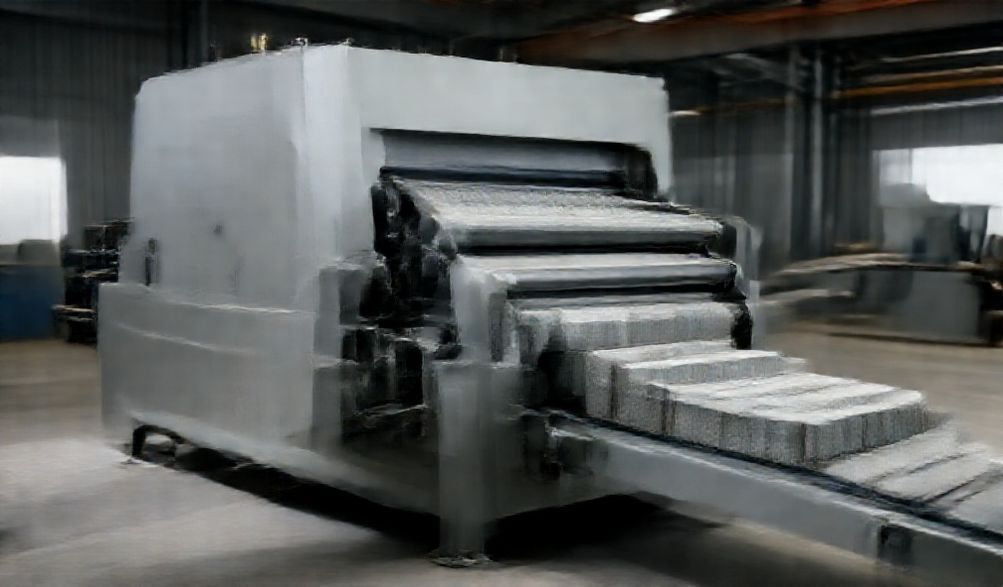
Ingamba ya Nyuma yo Gutoranya Umushoramari w’Imashini yo Gukora Amatafari ya Sima
Intangamarara
Mu gihe ibikorwa remezo bigaragaza iterambere, ibisabwa by’ibikoresho by’ubwubatsi bizira, bizakomeza kandi bishobora guhenduka, byageze ku ngingo yo hejuru. Amatafari ya sima yaje kuba amahitamo y’ibanze, agatangaza ubukana, ingirakamaro mu gukumira ubushyuhe, n’inyungu mu bidukoranye n’ibidukikye kurusha amatafari ya gisanzwe y’ibumba. Ariko, ubwiza bwukuri bw’aya matafari ntiburengagizwa n’ibyavangiweho gusa, ahubwo n’umushini ubakoramo.
Guhitamo ibyemewemashini yo gukora amatafari ya simaNi ingingo nyamukuru cyane mu guhitamo ibikoresho by’ubwubatsi, mu gutangiza uruganda rw’amabuye y’agateganyo, cyangwa mu gushyira mu bikorwa umushinga munini. Iyi ntego ntigikubiyemo gusa kugura ibikoresho. Ahubwo, ni intego y’ingenzi mu kwishingikiriza imikorere yawe, ikagira ingaruka z’inyuranye ku buryohe bw’ibikorwa byawe, umusaruro w’umunsi ku munsi, inyungu uzahabwa, ndetse n’izina ryawe ku isoko.
Igikoresho cya mudasobwa kidakwiye kivuye aho bitagifite icyizere bishobora gutera ibyumba bitavugururanye, kumeneka inshuro nyinshi, ibiciro byo kubungabunga birenze urugero, no kurangiza, gutsindwa kw’umushinga. Mu buryo butandukanye, gukorana hamwe n’umwubatsi w’icyubahiro bihagaze aho gutangira imyaka y’ubukorikori bwiza, bungana, kandi bushobora kongerwa. Iri ruhuzandiko rikubakira inzira yuzuye. Tuzasobanura ibintu by’ingenzi bitandukanya abayobozi b’inganda n’abandi, bikagufasha gukora investissement yizewe, yizere mu gihe kizaza cy’ubucuruzi bwawe.
Kuki Ihitamo Ryawe Ry’Umushoferi Rifatirijwe Kuruta Icyuma
Bisanzwe kugira urukundo ku mashini bitewe n’ibisobanuro byayo cyangwa igiciro cyayo. Ariko, abakora mashini—abashinze ikigo cy’ubukorikori—ni bo bafite urufunguzo rwo gutsinda kwawe mu gihe kirekire. Imico y’ikigo cy’ubukorikori, ubushobozi byacyo, n’uburyo bwo gutera inkunga, byose bishyirwa mu byuma byose by’iyo mashini ukoresha.
Ubushobozi bwo Kugenzura Ubwiza no Gukomeza Ubuzima bw'Imashini
Umushoramari w’icyubahiro yashyize imari mu gukora ibyiza kuva hasi. Icyo cyemezo kigaragara mu:
- Ibikoresho byiza bya Metallurgy n’Ibikoresho:Bakoresha acier y'ikirenga mu gukora imyanya, sisitemu z'umuvuduko w'amazi zateguwe neza zikomoka kumirimo yizewe, na moteri z'ibinyabiziga zikoreshwa mu bukungu. Ibi bigaragaza ko mashini ishobora guhangana n'ingorane zihoraho n'umuvuduko utagira guhinduka.
- Ubushakashatsi bw'ikoranabuhanga mu gukora ibintu neza.Ibitekerezo bifatika. Abakora ibikoresho bafite ubuhanga bakoresha ibikoresho bya CNC bya za modeme ndetse n’abanyabwenge bafite ubumenyi buhagije kugirango bahaminiye neza buri gice, bigatuma bikora neza kandi bigakendera neza.
- Ibyemezo by’Ubusobanuro BikomeyeMbere yo koherezwa, buri mashini igomba kujya mu bukangurambaga bwuzuye mu gihe ikorerwa. Ibi birimo kugenzura imikorere, kugenzura ingufu, no gukora ibikorwa byo kugerageza kugirango ishobore guhamya ko ikora neza uko byagenwe guhera ku itangiriro.
Ingaruka ku Bwiza bwa Nyirubwite Bwa Nyuma
Igikoresho cyawe ni cyo cyerekanaga neza ubushobozi bwa serivisi y'ibicuruzwa byawe. Igikoresho cyakozwe neza kikaba cyaturutse ku bucuruzi bwerekeye ku buryohe, kiraza kikaba:
- Ubushobozi bwo Gukora ibintu mu buryo bungana kandi BihorahoBuriri bwose, ibyumba, cyangwa ibyapa ni kimwe. Iyi ngeramihigo ntabwo ari ikintu cyo guhinduranya mu kubaka kwa gisasa, bigatuma bihendutse kubaka, kubaka neza, kandi bikagera ku mwanya w’umukorerabushake.
- Gukoresha neza no Gukomeza Imbaraga:Sisitemu zikomeye zo gutigita no gukoresha amazi zizereza ko igipangu cy'isimenti cyiyunifomu mu buryo bungana, zikuraho ibyago byo kugira ibice bidasobanutse kandi zikuzuza ubushobozi bwo guhanwa bwateguwe kugirango zikoreshwe mu mishinga itwara imitwaro.
- Ubuso Bwiza Bwiza:Ubwiza bw’ibimenyetso n’ubwiza bw’uburyo bwo gusohora ibyuma bitera amatafari afite imfuruka zisukuye n’ubuso bworoshye, bigabanya ibisabwa byo gupfuka kandi bikongerera ubwiza bwo kureba.
Igiciro Cyose Cy'Umwihariko (TCO)
Igiciro cyo gukora ubwishyu ni gusa ari umusanzu wo kwinjira. Umwubatsi wizewe yateguye imashini kugirango zibe hasiIgiciro Cyose Cy'umutungo.
- Ubushobozi bwo Gukoresha Ingufu:Imashini zigezweho, zishushanyije neza zikoresha amashanyarazi neza, cyane cyane mu by'ingufu zikomeye kuri izikorwa zikora mu buryo bwikora zikora mu gihe kirekire.
- Gutunganya Ntarengwa & Kubura IgiheIzi mashini zubatswe zifite intego yo gukomeza, zitagomba kuboneza kugenzurwa. Iyo bigeze aho zikenewe kugenzurwa, ibice byagenewe kugenzurwa n’ibikoresho byagenewe kugenzurwa bigufashisha mu gukora ibyo bikorwa.
- Agaciro k'igiciro cyo kugurisha nyuma.Ibikoresho bituruka kuri umushoramari uzwi cyane biyahoza agaciro neza cyane, bikurinda amafaranga yatanzwe.
Guhitamo umushoferi w’amafaranga make, utazwi biragenda bikazana n’ibiciro byihishe: kugenda ugarura, ubwoko bw’amatafa bwibi budashobora kugurishwa, guhagarika umurimo, no kugwa kw’imashini mbere y’igihe.
Ibintu Ngenga Bikurikira mu Gupima Umwubatsi w’Imashini zo Gukora Amatafari y’Simiti
Guhindura isoko ry’isi rigomba igenzurwa ryateguwe neza. Ntugashyireho umutima mu makuru y’ibicuruzwa gusa, ahubwo n’uburyo wagenzura ibi bintu bikurikira.
Ubunararibonye mu Bikorwa by’Inganda & Inkomoko y’Ibyabaye
Ubuzima burebure n’ubumenyi burambuye bishimira ibimenyetso by’umutekano n’ubuhanga bukomeye.
- Imyaka mu Bikorwa & Intumbero y'ingenzi:Himili abakora imashini z'ibikoresho by'amatafari n'ibyatsi bafite imyaka icumi cyangwa irenga yo gukora muri uru rwego. Ibi bivuga ko bafite ubushobozi bwo guhangana n'ibibazo ndetse n'ubumenyi burambuye mu rwego rw'amatafari n'ibyatsi.
- Porifoliyo n'ibimenyetso by'abakiriya:Saba ingero z’ibikorwa by’umwimerere, urutonde rw’ibikorwa, cyangwa videwo zivuye mu bikorwa byabanjirije, cyane cyane izo zisa n’ibikorwa ugiye gukora. Umwubatsi w’ikizima azajya ashimishijwe no kugabana ibi birebana.
Ubumenyi bukuru mu by'ikoranabuhanga no gukora ibishya
Ubugenge bw'ikoranabuhanga bw'abakora bubanza ubushobozi bw'ikoranabuhanga bw'umashini yawe no kuyitegura mu gihe kizaza.
- Ubushakashatsi n'iterambere mu rugo:Ese bafite itsinda ry’abanyamwuga mu by’ubuhanga (engineering team) rikora no guteza imbere imodere zabo? Ibi bireba ukwiyemeza mu gukora ibishya no kwihutisha mu bijyanye n’ibyo isoko ry’ubucuruzi risaba.
- Ubwoko bw'ibyo bitangwa:Porofolo irenga (y’amaboko, igikoresho gifata ingamba ku giti cye, icyikoresho cyuzuye, n’icyo ukoresha mu ngendo) igaragaza ubumenyi burambuye. Bikaba bisobanura ko bashobora kugutanga inama z’ubutabera ku byo bikwiriye, aho kutanga gusa ibyo bafite mu byuma.
- Ubushobozi bwo KugenzuraEse bashobora guhindura ibikomoka kumashini, ubunini bw’amatafari (urugero, kugirango bihuje n’ibisabwa mu gihugu), cyangwa kongeramo ibintu byihariye? Ubu buryo bwo guhindura-hindura ni ngombwa niba ibyo usaba bitandukanye n’ibisanzwe.
Ibikorwa by'Ubukorabushake n'Igenzura ry'Ubwiza
This is where promises become tangible. Scrutinize their production integrity.
- International Certifications: Look for ISO (Quality Management Systems) and CE (meeting EU health, safety, and environmental standards) certifications. These are third-party validations of a structured quality process.
- Component Quality: Ask for specifics: “What brand are the hydraulic pumps and valves?” “Who supplies the PLC and electrical components?” Renowned sub-component brands are a good sign.
- Factory Audit: If possible, a visit is invaluable. You can assess workshop organization, worker skill, and quality checkpoints firsthand.
After-Sales Support & Service Network
This factor is the ultimate test of a manufacturer’s commitment. The machine will need support; ensure it’s readily available.
- Warranty Structure: A clear, comprehensive warranty (e.g., 12-24 months on core parts) is essential. Understand what is covered and the claim process.
- Commissioning Services: Do they offer installation supervision, calibration, and on-site operator training? This ensures you start production correctly.
- Spare Parts Ecosystem: Is there a dedicated spare parts department? How quickly can critical parts be shipped? Local service agents or warehouses are a major advantage for international buyers.
A Deep Dive into Machine Types and Their Applications
Understanding the technology landscape ensures you invest in the right tool for your specific job.
Imashini z'Abantu & Imashini z'Igikoresho cyo Hagati
Ideal for entrepreneurs, small businesses, and community projects.
- Ibyakozwe: Require significant manual labor for feeding mix and removing bricks. Semi-automatic models use a mechanical or hydraulic press for compaction.
- Ibisohoka: Lower production (500 – 2,000 blocks per 8-hour shift).
- Inziza: Very low capital investment, simple operation and maintenance, low power consumption.
- Ibibi: Labor-intensive, product consistency relies heavily on operator skill.
Fully Automatic Block Making Plants
The powerhouse for commercial, high-volume production.
- Ibyakozwe: Computer-controlled, from raw material feeding to brick stacking on pallets. Minimal human intervention required.
- Ibisohoka: High production (2,000 – 10,000+ blocks per shift).
- Inziza: Maximum output and consistency, low labor cost per block, programmable for different products.
- Ibibi: High initial investment, significant power requirements, need for skilled maintenance.
Mobile Brick Making Machines
A game-changer for large, remote, or on-site projects.
- Ibyakozwe: Mounted on a trailer, these machines can be towed directly to a construction site.
- Uruhushya Rusange: Drastically reduces the cost and logistical hassle of transporting finished bricks over long distances. Production happens where the bricks are needed.
- Application: Large infrastructure projects (dams, roads), remote housing developments, disaster relief construction.
Specialized Machines
Designed for specific, high-value products.
- Interlocking Paver Machines: Produce paving stones with interlocking designs for driveways and walkways.
- Hollow Block Machines: Create standard or custom hollow blocks for walls, offering excellent insulation and reduced weight.
- Curbstone & Landscape Product Machines: For manufacturing heavy-duty curbstones, lawn edging, and other architectural elements.
Essential Questions to Ask Before You Buy
Arm yourself with these questions during discussions with potential suppliers.
Questions About the Machine:
- Ni ikiprecise production capacity in blocks per hour for the specific brick type I want (e.g., 4″ solid block)?
- What are the detailed power requirements (voltage, phase, total connected load)? What is the estimated energy consumption per 1,000 blocks?
- Ni ikirecommended raw material mix ratio (cement:sand:aggregate)? What is the maximum aggregate size it can handle?
- Ni ikiigihe cyo gukora, and how many bricks are produced per cycle?
Questions About the Manufacturer:
- Can you provide contact details for 2-3 clients in my region or with a similar business model? (Follow up on these references).
- Ni ikicomplete delivery timeline, from order confirmation to installation-ready at my site? What does installation involve?
- What specific training do you provide for machine operators and maintenance staff? Is it on-site or at your factory?
- What is your standard response time for technical support? Do you offer remote diagnostics? What if a critical part fails?
Building a Sustainable Partnership
Your goal is not a one-time transaction, but a long-term operational alliance.
Transparency in Quotations and Contracts
A detailed, itemized quotation builds trust. It should clearly separate:
* Machine cost
* Mold costs (for each brick type)
* Spare parts kit price
* Packaging, shipping, and insurance
* Installation and training fees
Beware of suspiciously low “all-inclusive” quotes that may hide costs or compromise on quality.
The Importance of Factory Visits
If feasible, a factory visit is the single most revealing step. You can:
* Observe build quality on the shop floor.
* Assess the scale and organization of the operation.
* Meet the engineering and management team.
* See testing procedures in action.
Evaluating Customer Testimonials and Industry Reputation
Go beyond the testimonials on the manufacturer’s website.
* Search for the company name on independent B2B platforms and industry forums.
* Look for video reviews from clients on platforms like YouTube.
* Check if they are regularly featured or participating in major international construction equipment exhibitions.
Frequently Asked Questions (FAQ)
Q1: What is the average cost range for a cement brick making machine?
A: Costs vary immensely. A basic manual machine can start from $3,000 – $7,000. A semi-automatic model may range from $15,000 – $50,000. A full automatic production line can range from $70,000 to over $300,000, depending on automation level and output. Always base your budget on a detailed quotation for your required configuration.
Q2: How do I determine the right production capacity for my business?
A: Conduct a realistic market analysis. Calculate your current orders and projected growth for the next 3-5 years. Factor in a single-shift or multi-shift operation. A good rule is to choose a machine that meets 120-150% of your current demand to allow for growth without immediate need for a costly upgrade.
Q3: What kind of after-sales service should I expect from a top manufacturer?
A: Expect a structured support package: Pre-delivery consultation, detailed installation manuals or on-site supervision, comprehensive operator and maintenance training, a clear and fair warranty document, a readily available catalog of spare parts, and multiple channels for technical support (phone, email, WhatsApp, video call).
Q4: Can the machine produce different types and sizes of bricks?
A: Yes, most machines are designed for versatility. The key is the ubushyuhe. Reputable manufacturers offer a wide range of interchangeable molds for solid blocks, hollow blocks (different cavity patterns), pavers, and more. Ensure the machine’s pressure and vibration systems are suitable for all the products you intend to make.
Q5: What are the most common maintenance requirements?
A: Daily and weekly routines are crucial: Cleaning excess concrete after each shift, checking hydraulic oil levels and filters, lubricating all guide rods and bearings, inspecting electrical connections for tightness, and ensuring the vibration table is clean and functional. Your manufacturer must provide a clear maintenance schedule.
Conclusion
The journey to finding the ideal mashini yo gukora amatafari ya sima is a deliberate process of vetting, verification, and vision alignment. It requires you to look past the machinery’s exterior and evaluate the core pillars of the company behind it: their ubuhanga in weathering industry cycles, their ubuhanga in mechanical and civil engineering, their ubushobozi as proven by clients and certifications, and their fundamental guhizwa in post-sale support.
This decision forms the bedrock of your production capability. By prioritizing a manufacturer who excels in these areas, you secure more than a piece of equipment—you gain a partner invested in your productivity and profitability. Take a systematic approach: compile a list of potential suppliers, ask the hard questions from this guide, demand verifiable proof, and listen carefully to existing customers.
Your diligence will be repaid with a machine that delivers consistent quality, operational reliability, and a strong return on investment for years to come. Begin your search with the manufacturer in mind, and you’ll build a business on the most solid foundation possible.
<