
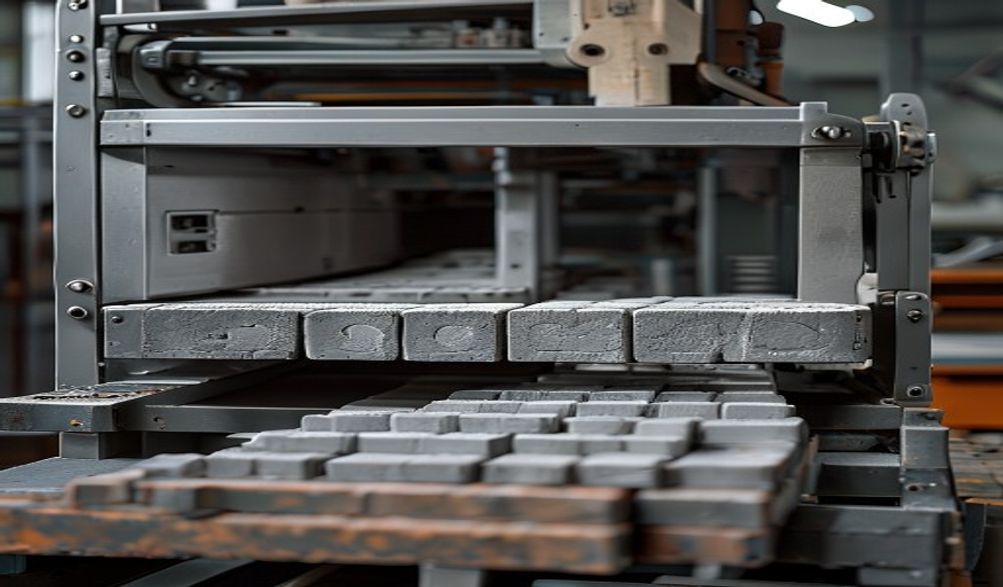
Sida Loo Doorto Mashiinka Samaynta Lebka Isku Xidha ee Laba Qol: Hagaha Iibiyaha Khabiirka ah 2026
Hordhac
Waxaa jira isbeddel ku yimid dhismaha caalamiga ah. Iyadoo ay kordhayeen baahiyaha guryaha la awoodi karo, qalabka waara, iyo waqtiyada mashruuca oo dhaqsasho badan leh, dhammayaasha iyo ganacsatadu waxay u jeesteen xalalka cusub. Hogaanka kacaankan xasillooni ku jira waxaa ka mid ah lebenka isku-xidhka ah—oo ah qalab adag, oo aan xabag lahayn kaas oo yareeya waqtiga dhismaha iyo kharashka. Laakin mashiinka soo saara ayaa ah xudunta dhaq-dhaqaaqan. Doorashada mashiinka saxda ahi ma aha iibsi keliya, balse waa go'aan ganacsi oo muhiim ah oo qeexi kara guusha ama guuldarrada hawshaada.
Anaga oo leh khibrad ka badan 15 sano oo aan ku bixinayno, ku rakibayno, oo aan ku dayactirno mashiinada samaynta leben ee saddexda qaaradood, kooxdeennu waxay si toos ah u arkeen guulaha iyo guuldarrooyinka. Waxaan aragnay hawlgallo ay ku horumareen qalabka saxda ah iyo kuwa ay istaageen sababo kharash badan oo go'aan qaadasho aan fiicnayn awgood. Dhibka asaasiga ah? Suuqgu waxaa ka buuxa qeexitaanno u eg luuqad qalaad dadka aan aqoonta u lahayn. Qiimeyn cadaadis, wakhtiga wareegga, awoodda mootada—sidee ku u tarjumi karaan maalgashi wanaagsan oo loogu talagalay baahiyahaaga gaarka ah?
Hagahan waxaa loo qaabeeyey inuu yahay tilmaantaada qeexan. Waxaan ka gudbi doonnaa buugaagta dhalaalaya iyo xayaysiisyada aan tooska ahayn si aan u keenno qaab dhammaystiran oo tallaabo-tallaabo ah oo loogu doorto mishiinka sameynta lebenka labada gobol ee isku xidhan. Waxaan u turjun doonnaa ereyada farsamada ee adag oo aan u beddeli doonnaa go'aamo cad, annagoo hubinaya inaad maal galiso mishiin keena tayo, wax soo saar, iyo faa'iido.
Haddii aad tahay milkiilaha shirkad yar ilaa dhexe (SME), aasaasaha ganacsi dhisme oo cusub, maareeyaha mashruuca, ama sarkaalka iibinta raadinaya inuu sameeyo ama cusboonaysiiyo khadka wax-soosaarka lebenka, hagahan iibsiga khabiirada ah ayaa adiga kuula talo galay.
Fahamka Faa'iidada Laba Qol: Miyay Ku Habboon Tahay Mashruucaaga?
Kahor intaadan gelin qeexitaannada, waxaa muhiim ah inaad fahamto waxa aad iibsanayso iyo haddii ay la jaanqaadayso yoolalkaaga hawleed.
Waa maxay Mashiinka Lebiska Laba Qaybood oo Isku-xidhan?
Mashiinka laba-god ee samaynta lebenka is-dhexgala waa mishiin taagan ama guura oo loogu talagalay inuu ku riixo alaabta cayriin (sida carro-simaanta ama dambaska duulista) laba leben oo is-dhexgala isla mar ah wareeg kasta oo riixid ah. Qiyaas bir adag oo la xoojiyey oo haysa nidaam haydaroolig ah oo xoog leh. Qalbigiisa waxaa ku yaal qaab bir ah oo leh laba god oo sax ah, oo mid kastaa u qaabaysan yahay inuu sameeyo is-dhexgalka lab iyo dhadig ee lebenka. Qadar la qiyaasay oo alaabta cayriin ah ayaa lagu shubaa godadkan, markaas waxaa soo degaya taan xoog leh, oo ku riixaysa isku dhafka si uu u sameeyo leben cufan oo isku mid ah. Kadib lebenka waa la soo saaraa, iyadoo diyaar u ah in la bisleeyo.
Faa'iidooyinka Muhiimka ah ee Laga Helo Noocyada Hal Qol
- Soo-saarista Kor u Qaadista.Tani waa faa'iidada ugu weyn. Halka mishiinka hal-godka ahi uu soo saari karo 400-500 leben saacaddii, nooca laba-godka ah ee la midka ah ayaa soo saari kara 800-1000+ leben muddadaas, taasoo si waxtar leh u labanlaabaysa dakhligaaga suurtagalka ah iyada oo aan la labanlaabin shaqadaada.
- Tayoonta Sare ee Booska iyo Tamarta:Ma rakibaynaysid laba mashiin oo kala duwan. Qaybta laba-cavity ah waxay isku darsataa wax soo saarka hal aag ah waxayna u isticmaashaa hal il tamar si hufan u soo saarta laba leben. Tani waxay ka dhigan tahay wax soo saar sare halkii mitir oo laba jibbaaran oo aqalkaaga shaqada ah iyo isticmaalka tamarta oo ka fiican leben kasta oo la soo saaro.
- Dhexdhexaadka Baahida Dhex-dhexaadkaMarka la eego indha-indhayntayada goobta, mashiinka laba-godka ah ayaa ah shaqo-taliyaha ugu fiican ganacsiyada siiya mashruuc guri oo joogto ah, suuq maxalli ah, ama horumarin dowladeed. Waxay isku dheelaysaa waxsoosaar weyn iyo maalgelin bilow ah oo la maamuli karo iyo kakanaanta hawlgalka.
Limitations to Consider
- Higher Initial Investment: The upfront cost is naturally higher than a single-cavity machine, requiring more capital.
- Increased Infrastructure Needs: It often demands a more robust, leveled concrete foundation to handle its weight and vibration, and may require a higher-capacity electrical connection (typically three-phase).
- Less Flexibility for Micro-Batches: If your need is for sporadic, tiny batches or constant design experimentation, the setup and material requirements for a double-cavity machine may be less economical than a smaller, more flexible option.
Core Technical Specifications: The Heart of Your Decision
These are the non-negotiable numbers that determine your machine’s capability. Don’t just read them; understand what they mean for your business.
Production Capacity: Beyond “Bricks Per Hour”
A spec sheet might proudly state “1000 bricks per hour.” This is the theoretical cycle rate under perfect conditions. Real-world capacity depends on:
* Waqtiga Wareegga: The time for one complete compression and ejection cycle. A faster cycle (e.g., 15-20 seconds) means higher potential output.
* Human & Process Factors: Time for loading raw material, removing finished bricks, and managing the curing area. A semi-automatic machine will rely more on operator speed than a fully automatic one.
* Realistic Calculation: For planning, calculate a sustainable 6-7 hours of effective production in an 8-hour shift. A machine rated for 1000 bricks/hour might yield a very healthy 6,000-7,000 bricks per day in skilled hands.
Talo Faa'iido Leh: Match the machine’s realistic daily output to your sales projections. Can you consistently sell 5,000 bricks a day? If not, you may be over-investing.
Pressure Rating (Tonnes): The Key to Brick Strength
This is arguably the most critical specification for brick quality. The compression force (measured in tonnes or kN) directly correlates to the brick’s final compressive strength (measured in MPa).
* Maxay Muhiimsan Tahay: Higher pressure compacts the raw material more densely, eliminating voids and creating a brick with superior load-bearing capacity, water resistance, and durability. For standard residential walls, a machine producing bricks with a minimum of 7-10 MPa is essential. For commercial or heavy-duty applications, aim higher.
* Our Recommendation: Look for a double-cavity machine with a minimum pressure rating of 80 to 120 tonnes. This range reliably produces bricks suitable for most load-bearing construction applications.
Motor Power & Energy Consumption
The motor is the machine’s heart, and its type defines your operational costs.
* Electric vs. Diesel/Hydraulic: Electric motors (typically 7.5KW to 15KW for this class) are cleaner, quieter, and cheaper to run in areas with stable grid power. Diesel/hydraulic systems offer mobility and independence from the electrical grid, crucial for remote sites, but have higher fuel and maintenance costs.
* Voltage is Critical: Most industrial-grade double-cavity machines require a 380V, 3-phase electrical supply. Confirm your site’s capability before purchasing.
Mold Specifications & Customization
The mold defines your product. Its quality defines your machine’s lifespan.
* Qalabka Insist on molds made from high-carbon, hardened steel. They resist wear and abrasion from raw materials, ensuring consistent brick dimensions for thousands of cycles.
* Habaynta: Reputable manufacturers can often create custom mold designs. Do you want a different interlocking pattern, a special texture, or a specific brick size? Discuss this upfront.
* Changing Mechanism: A well-designed mold-changing system (using bolts or a clamping mechanism) allows you to switch brick designs with minimal downtime, adding versatility to your business.
Critical Machine Features for Durability & Ease of Use
Technical specs get you in the door, but these features determine how long you’ll stay in business.
Build Quality & Frame Construction
The frame must withstand constant, high-vibration pressure cycles. A flimsy frame will warp, leading to misalignment, poor brick quality, and breakdowns.
* Look for a frame constructed from heavy-duty, reinforced steel channels and plates. Welds should be clean, continuous, and robust. In our workshop, we’ve seen machines with inferior frames fail within the first year, while those with solid construction run for a decade.
Control System: Manual, Semi-Automatic, or Fully Automatic?
This choice balances cost, labor, and consistency.
* Buugga Tilmaamaha: Operator controls every step (filling, compression, ejection). Lowest cost, highest labor intensity, variable output quality.
* Semi-Automatic (Recommended for SMEs): The operator feeds material and initiates the cycle, but the compression and ejection are automated. This is the sweet spot, offering excellent consistency, good output, and a manageable skill requirement.
* Oo Dhammeeyso: Integrated with automatic feeders and conveyors. Maximizes output and minimizes labor but comes at a premium cost and complexity. Best for large-scale, continuous production.
Mixer & Feeder System Integration
Consistent brick quality starts with a consistent raw material mix.
* A qalab kuleylintaamaforced-action mixer is often recommended or sold as part of a package. It ensures the soil, sand, cement, and water are homogeneously blended before being fed into the machine’s hopper. Inconsistent mix leads to weak or crumbling bricks.
Safety Features & Ease of Maintenance
A safe machine is a productive machine. A maintainable machine is a profitable one.
* Safety: Essential features include fixed safety guards over moving parts, an emergency stop button within easy reach, and clear safety signage.
* Dayactirka Look for easily accessible grease nipples on all bearings and pivot points. Ask for a detailed maintenance schedule and manual. Most importantly, confirm the availability of common spare parts (like seals, hoses, and mold liners) from the supplier.
The Raw Material Factor: What Will You Be Compressing?
The machine is only half the equation. The raw material is the other.
Compatible Raw Materials
These machines are versatile but have limits. Common compatible materials include:
* Soil/Sand: The primary aggregate. Should be free of organic matter, stones, and clay lumps.
* Simento: (5-10%) acts as the stabilizer.
* Dabka Duufaanta: An excellent, sustainable industrial by-product.
* Crushed Stone/Quarry Dust: Can enhance strength.
The ideal mix ratio depends on your local materials and desired brick strength. A mix that is too sandy may not bind; too much clay can cause cracking.
Moisture Content & Mix Preparation
Moisture is the catalyst for compaction. From servicing hundreds of machines, the most common operational issue is incorrect moisture.
* The mix should be damp, not wet or sloppy. A good test: squeeze a handful—it should form a ball that holds its shape but crumbles when poked. Typically, this is between 8-12% moisture content. Too little moisture leads to poor compaction and weak bricks; too much can cause bricks to stick in the mold.
Testing Your Local Soil/Materials
This is our strongest, non-negotiable recommendation: Test your materials before you buy.
* Source soil samples from your intended quarry or site.
* A reputable supplier should offer to test these samples, often running them through a lab or a trial machine to determine the optimal mix ratio and confirm the brick strength achievable. This step alone can prevent a catastrophic mismatch between your machine and your local resources.
Supplier Selection & Post-Purchase Support
Your relationship with the supplier is as important as the machine itself. This is where trust is paramount.
Evaluating Manufacturer Reputation & Experience
- Manufacturer vs. Trader: Prioritize dealing directly with a warshade. They have deeper technical knowledge, control over quality, and direct access to parts. Traders often act as middlemen, which can complicate support.
- Check Credentials: Ask for company history, client references (and contact them!), and relevant industry certifications. Look for a track record of at least 5-10 years.
The Non-Negotiables: Warranty, Training, and Support
- Warranty: A comprehensive warranty should cover defects in materials and workmanship for at least 12 months on the main frame and hydraulic system. Understand what’s included (parts, labor) and what’s excluded (wear items like molds).
- Training: On-site installation and operator training are essential. Your team must be taught how to operate, maintain, and troubleshoot the machine safely.
- Taageerada Tekniko Ensure access to post-sales support via phone, email, or remote diagnostics. Know the protocol for urgent technical issues.
Logistics, Installation, and Foundation Preparation
- Shipping Terms: Clarify Incoterms (e.g., FOB, CIF) to understand who is responsible for shipping costs, insurance, and port clearance.
- Site Preparation: You will likely need to prepare a leveled, reinforced concrete foundation. The supplier should provide detailed foundation drawings with bolt positions and load specifications. A typical foundation for a mid-sized machine might be 1.5m x 1.5m x 0.3m thick, with M20 grade concrete.
Financial Considerations & ROI Calculation
View this purchase through the lens of Total Cost of Ownership (TCO) and Return on Investment (ROI).
Understanding the Total Cost of Ownership
The machine’s price tag is just the beginning. Budget for:
* Machine Cost
* Shipping, Insurance, and Customs Duties
* Site Preparation & Foundation
* Electrical Hook-up (possible transformer upgrade)
* Raw Material Inventory (initial stockpile)
* Labor (operators and maintenance)
* Ongoing Power/Fuel Consumption
* Spare Parts Fund
Calculating Your Potential Return on Investment (ROI)
Use a simplified framework to model profitability:
(Estimated Annual Revenue from Brick Sales - Annual Operational Costs) / Total Initial Investment = ROI Timeframe
Example Scenario:
* Lacagta Bilowga ah: $25,000 (machine, shipping, setup)
* Wax soo saarka Maalinle ah: 6,000 bricks (realistic output)
* Selling Price: $0.30 per brick
* Operational Cost per Brick: $0.15 (materials, labor, power)
* Daily Profit: 6,000 bricks * ($0.30 – $0.15) = $900
* Annual Profit (300 days): $270,000
* Simple Payback Period: $25,000 / $900/day ≈ 28 days of production to cover the machine cost.
Note: This is a simplified example. Your local brick price, material costs, and sales consistency will drastically affect your actual ROI.
Su'aalaha Inta Badan La Is Weydiiyo (FAQ)
Q1: What is the average production output of a standard double cavity machine per 8-hour shift?
A: While theoretical rates are higher, a well-operated semi-automatic machine can realistically produce between 4,500 to 7,000 high-quality bricks in an 8-hour shift, accounting for setup, breaks, and material handling.
Q2: Can I use this machine to produce different types of pavers or just interlocking bricks?
A: Yes, absolutely. By changing the mold, the same machine can typically produce interlocking bricks, solid blocks, hollow blocks, and various styles of paving stones. This versatility is a key business advantage.
Q3: What is the typical lead time from order to delivery and installation?
A: For a standard model, expect 30 to 60 days from confirmed order to installation at your site. This includes manufacturing, sea freight, customs clearance, and scheduling of installation engineers. Custom molds or designs will extend this timeline.
Q4: How much workshop space and what kind of electrical connection do I need?
A: You need a clear, covered area of at least 10m x 10m for the machine, raw material storage, brick curing, and movement. Electrically, you will almost certainly need a 380V, 3-phase, 50Hz industrial power supply with adequate amperage (consult the machine’s spec sheet).
Q5: What are the most common maintenance tasks, and how often should they be performed?
A: Daily: Clean the machine and check for loose bolts. Weekly: Lubricate all moving points with grease. Monthly: Check hydraulic oil level and hose condition. Annually: Replace hydraulic filters and conduct a full system check. Always follow the manufacturer’s specific schedule.
Q6: How does the brick quality from a double cavity machine compare to traditional fired bricks?
A: When produced correctly with the right mix and pressure, compressed interlocking bricks meet or exceed the compressive strength of many fired clay bricks. They offer superior thermal and acoustic insulation, are more uniform in size, and have a drastically lower carbon footprint as they require no burning.
Gabagabo
Choosing the right double cavity interlocking brick making machine is a multi-faceted decision that hinges on five core pillars: Technical Specifications that match your market, Build Quality that ensures longevity, Raw Material compatibility confirmed through testing, Supplier Trust backed by robust support, and sound Financial Planning for a healthy ROI.
Our final, most crucial recommendation is this: prioritize long-term reliability and comprehensive post-purchase support over the allure of the lowest upfront price. The cheapest machine often becomes the most expensive when it leads to downtime, poor quality, and a lack of technical help. Your brick making machine is not just a piece of equipment; it’s the foundational partner in your construction business’s growth.
Ready to take the next step with confidence? Contact our team of experts today for a personalized consultation tailored to your project needs and local conditions. We can provide a detailed quote and even analyze your soil sample in our lab for a free, no-obligation assessment. Let’s build a sustainable future, one brick at a time.
<