
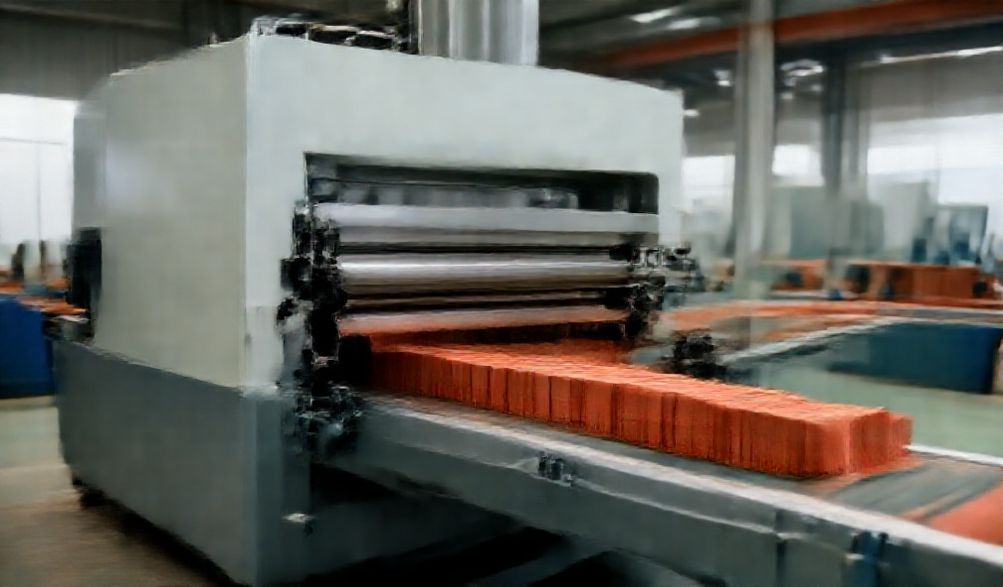
Hagidda Ugu Wanaagsan ee Makiinadaha Dhisidda Lebi ee Shiinaha: Tayo, Qiimaha & Sida Loo Xulo
Dhalashooyinka caalamiga ah ee degmooyinka iyo horumarinta qaababka dhismaha ayaa si degdeg ah u kordhaya, baahida loo qabo qalabka dhismaha ee adag, qiimo jaban, iyo kuwa si fudud loo heli karo ayaa weligeed ugu sarreeya. Qaybta aasaasiga ah ee silsiladda wax soo saarka ayaa ah dhagaxa adag. Ganacsatada, shirkadaha dhismaha, iyo dawladaha doonaya inay sameeyaan ama kordhiya wax soo saarka dhagaxa, qalabka wax soo saarka ayaa si cad u muugday. Shiinaha ayaa si adag ugu dhex taallay xarunta isku dhismeed ee qalabka dhagaxa adag ee xooggan, cusboonaysiin badan, iyo qiimo jaban.
Si kastaba ha ahaatee, dusha ka marista suuqa weyn ee kala duwan waa cabsi weyn. Dhulka waxaa ka buuxa kunno badan oo warshadeed, oo laga bilaabo shirkadaha caalami ah ee injineernimada ilaa warshadaha aan magac fiican lahayn. Kala duwanaanta tayada, qiimaha, iftiiminta, iyo taageerada ka dib iibka waxay ka dhigaysaa maalgelin rajo leh inay noqoto culeys qali ah. Hageegan waa khabiir ku takhasusay oo aad ku xoojin doonto aqoontaada. Waxaan ka faa'iidaynaynaa xogta qoto dheer ee warshadaha, falanqaynta farsamada, iyo xikmada iibka si aan kuu siinno awood aqoon leh oo kalsooni leh oo kuu sahli doonta go'aanka iibka guul leh. Aynu aqoontaas dhismaynno ilaa sal ugu simano.
Maxaad ugu jirtaa Soomaaliya?
FahmidmaxaaShiinaha hogaamiya shaqadaan waa tallaabada ugu horeysa ee ugu habboon in la helo ilo. Tani ma ahan mid khaldan; waa natiijada horumar qorsheysan oo dhowr sano jir ah iyo isbeddelka warshadeed.
Hanti iyo Khibrad Waaweyn oo Warshadeed
Shiinaha, oo loo yaqaan "warshadaha aduunka," ayaa si gaar ah ugu habboon qalabka culus. In ka badan 30 sano, dalku wuxuu horumariyey nidaamka warshadeed ee aan la barbardhigi karin. Dhanka qalabka laamaha, arrintani waxay keentay in la sameeyo ururada warshadeed ee awoodda badan gobollada sida...Shandong, Fujian, iyo Henan..
Kooxooyinkaani waxay abuuraan isku-dhaf awood leh. Meel goob ahaan ku xiran, waxaad ka heli kartaa:
* Warshadaha gaarka ah ee birta iyo soo saarayaasha birta.
* Soosaarayaasha qaybaha hydraulic iyo guddiyada korontada.
* Kulliyado khabiir oo loogu talagalay qalabka qalabka iyo qalabka.
* Xeeladaha khabiirka ah ee qalabka dabka, fitters, iyo injineerada.
Habkani isku-dhafan ee wax soo saarka ayaa si xad dhaaf ah u yareeyay waqtiga iyo kharashka wax soo saarka, halka ay kaloo dhalinayo deegaanka isbeddel joogto ah iyo tartanka dhex mara wax soo saarayaasha.
Qiimaha iyo Wax-soo-saaridda aan La-dulmi Karin
Tani ayaa inta badan ah dhibic ugu weyn ee iibsadayaasha caalamiga ah, sababta oo macquul ah. Makiinadaha Shiinaha ee sameynta lebbiska adag ayaa caadi ahaan bixiyaa qiyam aad u qiimo badan oo ay adag tahay in la la mid gaaro.
Qiimaha tartanka wuxuu ka soo jeedaa:
* Wax-soosaarka Waaweyn:Wax soo saarka weyn wuxuu ku faafiyaa kharashyada go'an (R&D, qalabka) dhammaan cutubyada badan.
* Xidhiidhyada Warshadeynta Isku-dhafka:Sida la sheegay, soo uruurinta qaybaha gudaha iyo si wax ku ool ah ayaa qiimaha gelinta u dhigaya hooseeya.
* Shagada Xirfad leh ee Qiimo Tartan leh:Shaqaa badan oo leh xirfado farsamo oo ku habboon waxay ka caawisaa hoos u dhigista kharashka isugu dhexgalka.
Waa muhiim in la qeexo sidan saxda ah: ma ahakaliWaxay ku saabsan tahay in aad helo heerka awoodda mashiinnada iyo automaysiga ee, marka laga soo xaadiriyo Yurub ama Waqooyiga Ameerika, badanaaba leeyahay qiimo dheeraad ah oo ka badan 2 ilaa 3 jeer. Warshadaha Shiinaha waxay barteen inay sii deeyaan hawlqabkin adag qiimo la gaari karo.
Horumarinta Teknoolojiyada iyo La-adaabista
Waxaa dhammaaday maalmihii "Made in China" loogu yeeray farsamo aasaasi ah, kuwa ka soo eegaya. Warshadaha ugu horreeya ee Shiinaha waxay hadda horumariyey iyagoo hore ugu jira horumarinta mashiinnada leburka.
Makiinadaha casriga ah ayaa hadda si caadi ah ugu jira:
* Nidaamka PLC (Kontaroolaya Mantiqiyo ee Barmalaya)Hawlgalka otomaatiga ah, sax ah, iyo ku celceliska wareegyada hawlgalka.
* Qaab-dhismeedka Awood-badan ee Tamarta:Ku darista qalabka xawaaraha isbeddelka leh iyo nidaamyada haydheerooligga ee la hagaajiyay si loo yareeyo isticmaalka korontada—waa kharash weyn oo hawleed.
* Otomaatiga Yar iyo Kan Buuxa:Laga bilaabo quudinta otomaatiga ah ee alaabta iyo isku-dhufashada birta ilaa maareynta roobothada ee baaldiyada, oo hoos u dhigaya baahida shaqaalaha iyo horumarinta amniga.
Furthermore, Chinese engineers have become experts in habaynta. They can adapt a machine’s design to work optimally with your specific local raw materials, whether it’s clay, fly ash, shale, or a concrete mix, and to produce the exact brick size, shape, and compressive strength your market requires.
Key Types of Solid Brick Making Machines from China
Not all brick machines are created equal. Your project’s success hinges on selecting the right type of technology for your needs. Here’s a breakdown of the main categories.
Hydraulic Press Machines (For High-Density, Precision Bricks)
Working Principle: These machines use a high-pressure hydraulic system to compress raw material into a mold. The pressure is applied steadily and can be precisely controlled.
- Ugu Fiican: Producing high-strength, uniform solid bricks, high-quality pavers, kerbstones, and interlocking blocks where precision and superior finish are critical.
- Faaiidooyinka:
- Produces bricks with excellent density and compressive strength.
- Smooth, consistent finish on all brick faces.
- Generally quieter operation than vibratory machines.
- Highly versatile for different products with mold changes.
- Laba.
- Higher initial investment cost.
- Cycle time can be slower than vibratory compaction, potentially yielding lower hourly output for standard bricks.
- The hydraulic system requires careful maintenance.
Vibratory Compaction Machines (For High-Volume Output)
Working Principle: These machines use a combination of powerful vibration and mechanical pressure to compact material inside a mold. The vibration helps to remove air pockets and densely pack the material.
- Ugu Fiican: Large-scale production of standard solid clay or concrete bricks where high output volume is the primary goal.
- Faaiidooyinka:
- Very high production speed (cycle time can be under 15 seconds).
- Rugged construction designed for 24/7 continuous operation.
- Often more straightforward mechanically than complex hydraulic systems.
- Highly effective for standard brick formats.
- Laba.
- Operation can be significantly noisier.
- Bricks may have slightly lower density and surface finish compared to top-tier hydraulic presses.
- More limited in producing highly intricate or large-format blocks.
Manual & Semi-Automatic Machines (For Small Business & Startups)
Working Principle: These are simple, often lever-operated or small electrically-powered machines that require significant human intervention for material feeding, compaction, and brick ejection.
- Ugu Fiican: Entrepreneurs with low startup capital, very small-scale projects, community-based building initiatives, or areas with unreliable electricity.
- Faaiidooyinka:
- Extremely low purchase cost.
- Simple to maintain and repair locally.
- Minimal or no power requirements for manual models.
- Portable and easy to set up.
- Laba.
- Very low output (often hundreds of bricks per day, not per hour).
- Labor-intensive and physically demanding.
- Brick quality is highly dependent on operator skill, leading to potential inconsistency.
The Essential Buyer’s Checklist: How to Select a Reliable Supplier
This is the most critical phase of your journey. Diligent supplier vetting is your primary shield against risk.
Verifying Manufacturer Credentials & Experience
Don’t take a website at face value. Conduct due diligence:
* Business License & Factory Audit: Insist on seeing their official business license (you can ask a local agent to verify it via China’s Administration for Industry and Commerce – AIC). A mandatory virtual factory tour via video call is non-negotiable. Look for organization, workflow, and the quality of work in progress.
* Industry Certifications: While not a guarantee, certifications like ISO 9001(Quality Management) iyoCE (for export to many markets) indicate a commitment to systematic processes and safety standards.
* Portfolio & Client References: Ask for detailed photos and videos of machines they have produced and installed. Most importantly, request contact information for 2-3 past international clients in a region similar to yours. Take the time to speak with them.
Assessing Machine Quality Beyond the Brochure
The specification sheet tells only part of the story. Drill down into the details:
* Qaybaha Aasaasiga ah: Specify and verify the brands of critical parts. For hydraulics, ask for Rexroth, Kawasaki, or Yuken. For PLCs, Siemens or Mitsubishi are top-tier. For molds, inquire about the grade and hardness of the steel used. A machine built with reputable components will last longer and perform better.
* Production Data & Testing: Request actual, verified production data (bricks per hour under specific conditions) and a brick quality report. The gold standard is to send a sample of your raw materials to the factory for them to conduct a live test and send you the resulting bricks for your own evaluation.
* Build Quality & Safety: During your video tour, look at weld quality (should be clean and even), the thickness of structural steel, and the presence of essential safety features like mechanical guards, emergency stop buttons, and electrical safety interlocks.
Understanding the Total Cost of Ownership (TCO)
The machine price is just the entry ticket. Smart buyers budget for the TCO:
* Cost Breakdown:
* Machine FOB Price
* Shipping, Insurance, and Logistics to your port
* Import Duties and Taxes (consult a local customs broker)
* Installation & Commissioning (by their engineer or a local technician)
* Initial Spare Parts Kit (at least 1-2% of machine cost)
* Operator & Maintenance Training
* After-Sales Service Agreement: This is your long-term safety net. The contract must clearly state:
* Warranty period (typically 12 months for parts, excluding wear items).
* Response time for technical support (e.g., 24-hour remote support via WhatsApp/Video).
* Spare parts pricing policy and guaranteed lead time for shipment.
* Terms for an engineer’s on-site visit (cost, duration, responsibilities).
* Kharashyada Hawl-galka: Calculate estimated energy consumption (kW per hour) and understand the routine maintenance schedule (daily greasing, weekly checks, etc.).
Navigating the Procurement Process: From Inquiry to Installation
A structured process prevents misunderstandings and ensures a smooth transaction.
Step 1: Detailed RFQ and Technical Communication
Start with a comprehensive Request for Quotation (RFQ). A good RFQ should include:
* Raw Material Analysis: Type, composition, moisture content, particle size.
* Qalabka Lebiga: Desired final size, weight, density, and minimum compressive strength.
* Production Requirement: Target output (bricks per 8-hour shift).
* Site Conditions: Available power supply (voltage, phase), factory space, and ceiling height.
* Preferred Level of Automation: Manual feeding? Automatic stacking?
This clarity allows suppliers to provide accurate proposals and shows you are a serious buyer.
Step 2: Negotiation, Contract, and Payment Security
- Payment Terms: Standard terms are often 30% deposit via T/T (Telegraphic Transfer), 70% balance against copy of Bill of Lading. Consider using Escrow services (like Alibaba Trade Assurance) for added security, especially with new suppliers.
- The Contract: This must be detailed and in English. It should include, as appendices: Final Technical Specifications, Warranty Terms, Accepted Payment Terms, Delivery Schedule, and Penalty Clauses for late delivery or performance shortfalls. Do not proceed without a signed contract.
Step 3: Logistics, Customs Clearance, and Installation
- Shipping: Understand Incoterms. FOB (Free On Board) is common, where you control the main shipping and insurance. CIF (Cost, Insurance, and Freight) means the supplier arranges it to your port. Using a reliable freight forwarder is highly recommended.
- Key Documents: Ensure you receive and check: Commercial Invoice, Packing List, Bill of Lading, Certificate of Origin, and any required manuals in advance.
- Installation: Clarify who is responsible. Will the supplier send an engineer (at whose cost?), or will they provide detailed installation manuals and video guides for your local team? On-site commissioning is invaluable for starting up correctly.
Su'aalaha Inta Badan La Is Weydiiyo (FAQ)
Q1: What is the typical price range for a China-made solid brick making machine?
A: Prices vary dramatically based on type and automation. A small manual machine can start around $3,000 – $8,000. A robust semi-automatic vibratory machine may range from $15,000 – $40,000. A fully automatic hydraulic production line with feeding and stacking systems can range from $50,000 to $150,000+. The key is to get detailed quotes based on your specific RFQ.
Q2: How can I ensure the machine quality without visiting China?
A: A comprehensive virtual factory tour is essential. Furthermore, insist on a live performance test using a sample of your raw materials, which they should courier back to you. Request high-resolution videos of the machine in action for other clients, focusing on the operation, the bricks produced, and the final packing for shipment.
Q3: What is the lead time for production and delivery?
A: For a standard model, production typically takes 20-35 days. Sea freight can add 30-45 days to major ports worldwide, plus time for customs clearance at your destination (5-10 days). For large, custom-designed lines, production can take 60-90 days. Always build buffer time into your project plan.
Q4: Do Chinese suppliers provide training and operational manuals?
A: Reputable suppliers absolutely should. Your contract must stipulate the provision of clear English-language operation manuals, maintenance guides, electrical circuit diagrams, and parts lists. Basic training is often included—either via detailed videos, online sessions, or, preferably, from their engineer during on-site installation.
Q5: How do I handle machine breakdowns and spare parts?
A: This underscores the importance of the after-sales agreement. Start by purchasing a recommended initial spare parts kit. For breakdowns, the supplier should first provide remote troubleshooting via video call. If a part is needed under warranty, they should ship it promptly. Post-warranty, you should have a clear process and price list for ordering spare parts. Building a good relationship with your supplier is key here.
Gabagabo
Sourcing a solid brick making machine from China presents a tremendous opportunity: access to advanced, reliable, and highly customizable manufacturing technology at a value-driven price point. However, this opportunity is only fully realized through meticulous supplier vetting, clear technical communication, and a focus on building a partnership, not just making a one-time purchase.
Remember, the true measure of your investment is not the sticker price, but the Qiimaha Guud ee La Iska Leeyahay and the strength of the After-Sales Support behind it. By applying the insights from this guide—verifying credentials, understanding the technology, and managing the procurement process step-by-step—you transform from a hopeful buyer into an informed partner. You are now equipped to make a decision that will lay a solid, profitable foundation for your brick-making business for years to come.
<